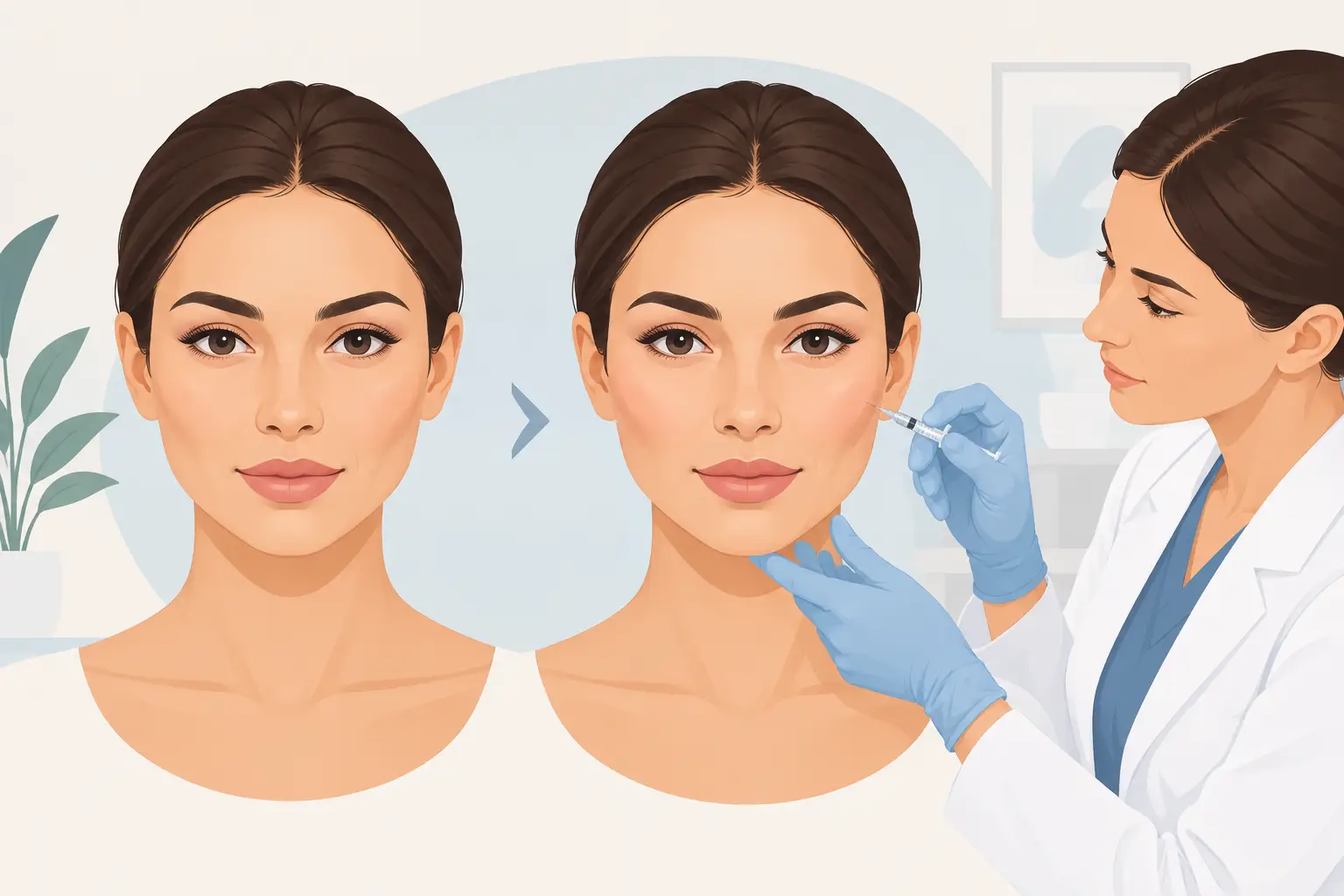

Fine lines that seem more noticeable after a demanding week, skin that no longer reflects how well you look after yourself, or a crepey texture around the eyes can be frustratingly difficult to address with skincare alone. This polynucleotide injection treatment guide explains where this regenerative injectable treatment may fit within a medically led plan for healthier-looking, more resilient skin.
Polynucleotides are not a filler designed to create volume, nor are they an anti-wrinkle injection intended to relax muscle movement. Their appeal lies in skin quality: supporting hydration, elasticity and repair processes so that the skin can appear smoother, brighter and better conditioned over time. For patients who value refinement over an overdone result, that distinction matters.
What are polynucleotide injections?
Polynucleotides are purified DNA fragments, most commonly derived from fish sources, that are used in injectable skin treatments. Once placed carefully within the skin, they are intended to support the environment in which the skin repairs and renews itself. They can help promote fibroblast activity, which is relevant to collagen and elastin production, while also supporting hydration and helping to manage oxidative stress.
In practical terms, the goal is not to change your face overnight. A thoughtful course aims to improve skin quality gradually: a more rested appearance, finer texture, improved luminosity and a little more bounce in areas that have begun to look thin or tired.
The exact response varies. Skin biology, age, lifestyle, sun exposure, smoking history and your existing treatment plan all influence the result. Polynucleotides can be an excellent option for the right concern, but they are not a substitute for volume restoration where significant hollowing is present, or for a surgical solution where laxity is advanced.
Who may benefit from polynucleotide treatment?
Polynucleotide injections are often considered for patients who want to improve the quality of their skin without dramatically altering their facial proportions. They may be particularly useful around the delicate eye area, where the skin is thin and traditional volumising approaches may not be appropriate. Other common treatment areas include the face, neck, décolletage and hands.
They can suit a broad range of patients. Someone in their late twenties or thirties may use them as part of a preventative skin strategy, especially if dehydration, dullness or early fine lines are a concern. Later, they may complement treatments designed to address volume loss, deeper lines or changes in facial structure.
This is where an individual consultation is essential. A patient seeking help for pronounced under-eye hollows, for example, may need a different approach from someone whose primary concern is crepiness and dehydration beneath the eyes. Treating the correct concern with the correct modality is central to natural-looking outcomes.
What polynucleotides do not do
There is considerable enthusiasm around regenerative aesthetics, and it is sensible to separate realistic expectations from marketing claims. Polynucleotides do not replace lost facial volume in the same way as dermal filler. They do not stop dynamic wrinkles caused by repeated muscle movement. They also cannot erase deep scarring or dramatically tighten loose skin in a single appointment.
Their value is more subtle and cumulative. They can be particularly effective when skin quality is the missing piece in an otherwise well-considered treatment plan.
Your consultation and treatment plan
At a premium medical aesthetics clinic, the appointment should begin long before an injection is considered. Your practitioner should review your medical history, current medications, allergies, previous aesthetic treatments and skin concerns. They should also examine the skin in good lighting and discuss what you would genuinely like to change.
A bespoke plan may include polynucleotides on their own, or alongside carefully timed treatments such as medical-grade skincare, microneedling, anti-wrinkle injections or selected energy-based treatments. Combining treatments is not automatically better. The order, spacing and suitability of each treatment should be chosen to protect the skin barrier and avoid unnecessary intervention.
You should be clear on the product being used, the proposed injection technique, likely downtime, costs across the recommended course and what result is realistic for you. A practitioner who is comfortable explaining where treatment may not help is demonstrating good clinical judgement.
What happens during the appointment?
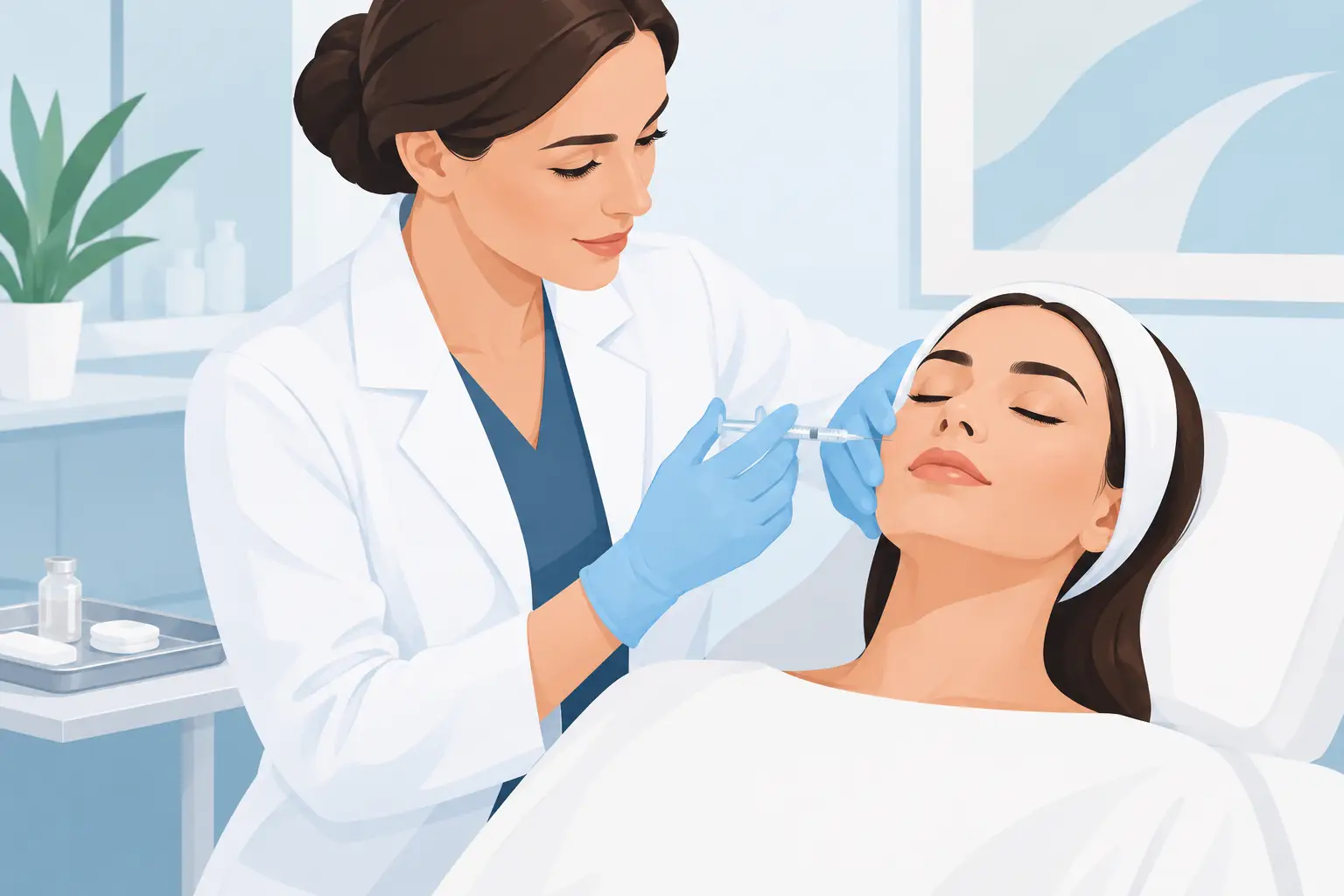
After consent and clinical photographs where appropriate, the area is cleansed and mapped. A topical anaesthetic may be offered, particularly for sensitive areas such as under the eyes. Polynucleotides may be administered with a very fine needle or cannula, depending on the treatment area and the practitioner’s assessment.
You may feel brief pressure or a small sting. The treatment itself is usually relatively quick, although a thorough appointment allows time for assessment, preparation and aftercare guidance. Small raised bumps, known as blebs, can be visible immediately after treatment. These are generally temporary as the product integrates into the skin.
Most protocols involve a course rather than a one-off session. Often, this is two or three treatments spaced a few weeks apart, followed by maintenance based on your skin, goals and response. Your practitioner should recommend a schedule based on clinical need, not a fixed package that treats every face in the same way.
Recovery, aftercare and visible results
Mild redness, swelling, tenderness, pinpoint bleeding and bruising can occur after injectable treatment. The under-eye area in particular can hold swelling for a little longer, so it is wise to avoid booking immediately before a major event. Many patients return to usual activities quickly, but discretion may require a day or two depending on the area treated and your tendency to bruise.
For the first 24 hours, avoid touching or massaging the treated area unless your practitioner has specifically advised it. It is also sensible to avoid strenuous exercise, alcohol, saunas, steam rooms and excessive heat. Keep the skin clean, follow your personalised aftercare instructions and contact the clinic promptly if you are concerned about anything during recovery.
Some patients notice improved hydration and radiance relatively early. More meaningful changes in texture and firmness tend to emerge gradually over the following weeks as the skin responds. Results are often understated by design: colleagues may say you look well rather than ask what you have had done.
Safety considerations to discuss
Injectable treatment should always be approached with appropriate caution. The most common effects are temporary and localised, such as redness, swelling and bruising. However, all injections carry risks, including infection, inflammatory reactions and complications related to injection technique.
A properly trained medical practitioner will minimise risk through a detailed assessment, sound anatomy knowledge, sterile technique and clear aftercare. They will also know when to delay or decline treatment. Active skin infections, certain autoimmune conditions, pregnancy or breastfeeding, known sensitivities to product ingredients and particular medical circumstances may affect suitability. Fish allergy should be discussed carefully, as many polynucleotide products are fish-derived.
Be honest about previous reactions, supplements and medication, including blood-thinning medicines. Do not stop prescribed medication without first speaking to the clinician who manages it. A safe treatment plan is always more valuable than a rushed appointment.
Polynucleotides compared with other injectables
Choosing between injectables is less about finding the newest treatment and more about matching the solution to the concern. Anti-wrinkle injections soften lines created by muscle movement, such as frown lines and crow’s feet. Dermal fillers restore or refine shape and volume. Skin boosters primarily focus on deep hydration. Polynucleotides are selected for their regenerative, skin-quality-focused role.
There can be overlap. A patient may benefit from anti-wrinkle treatment for expression lines and polynucleotides for fine, crepey skin around the same area, provided the approach is clinically appropriate and well spaced. Conversely, someone with clear volume loss may be disappointed if they choose polynucleotides expecting the lifting effect associated with filler.
The best result is rarely about doing more. It is about doing what the skin and face actually need, with enough time to assess the response.
Questions worth asking before you book
Ask who will assess and treat you, what training and experience they have with the specific product, and why it has been recommended for your concern. You should also ask about the expected treatment course, possible side effects, aftercare, review appointments and the plan should a complication arise.
At The Aesthetics Room, a consultation-led approach allows those decisions to be made with your facial anatomy, lifestyle and confidence goals in mind. The aim is never to chase a trend, but to create a considered plan that respects how you want to look and feel.
Beautiful skin does not need to look treated. If you are considering polynucleotides, allow enough time for a proper consultation, choose clinical expertise over convenience, and make room for results that develop naturally.