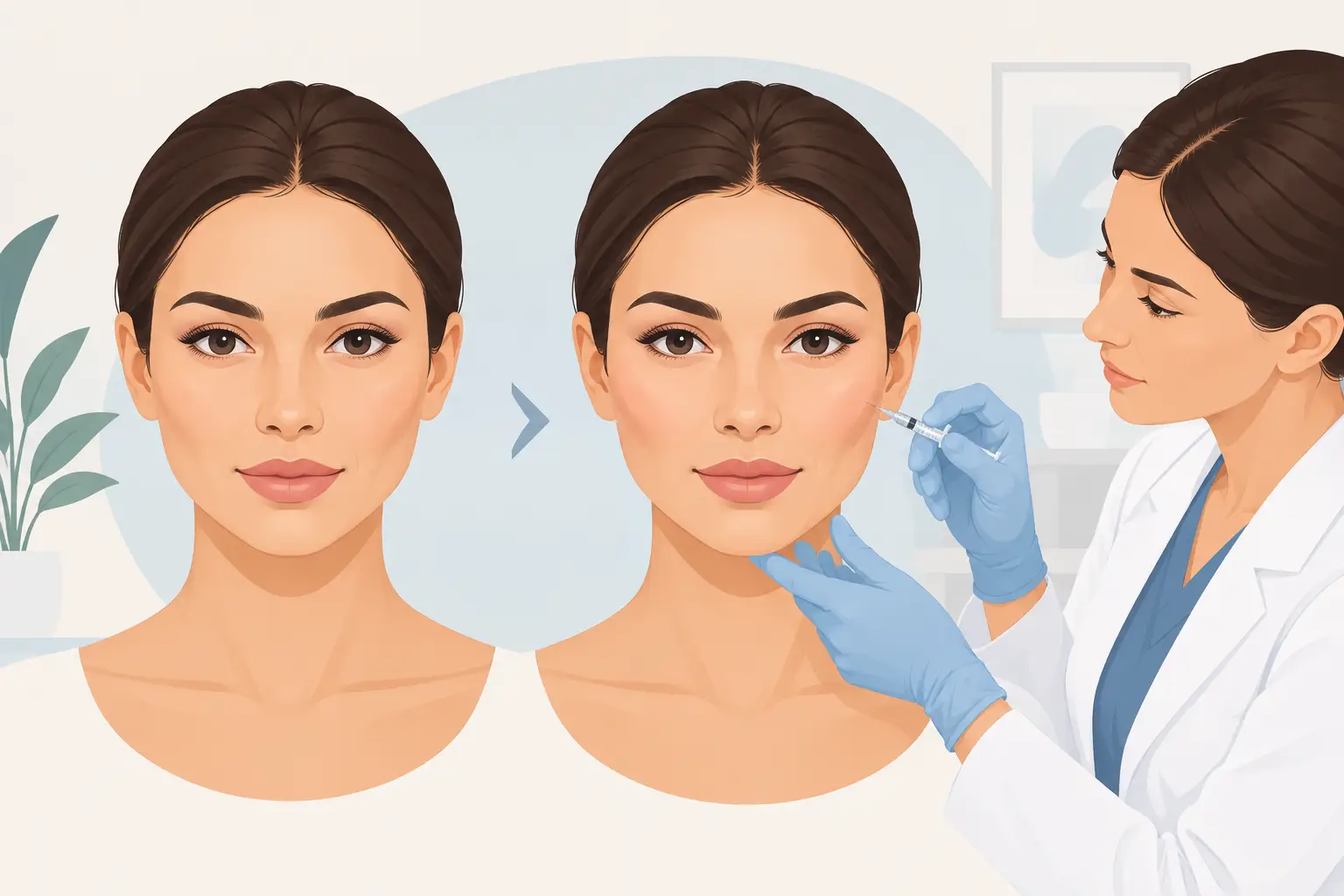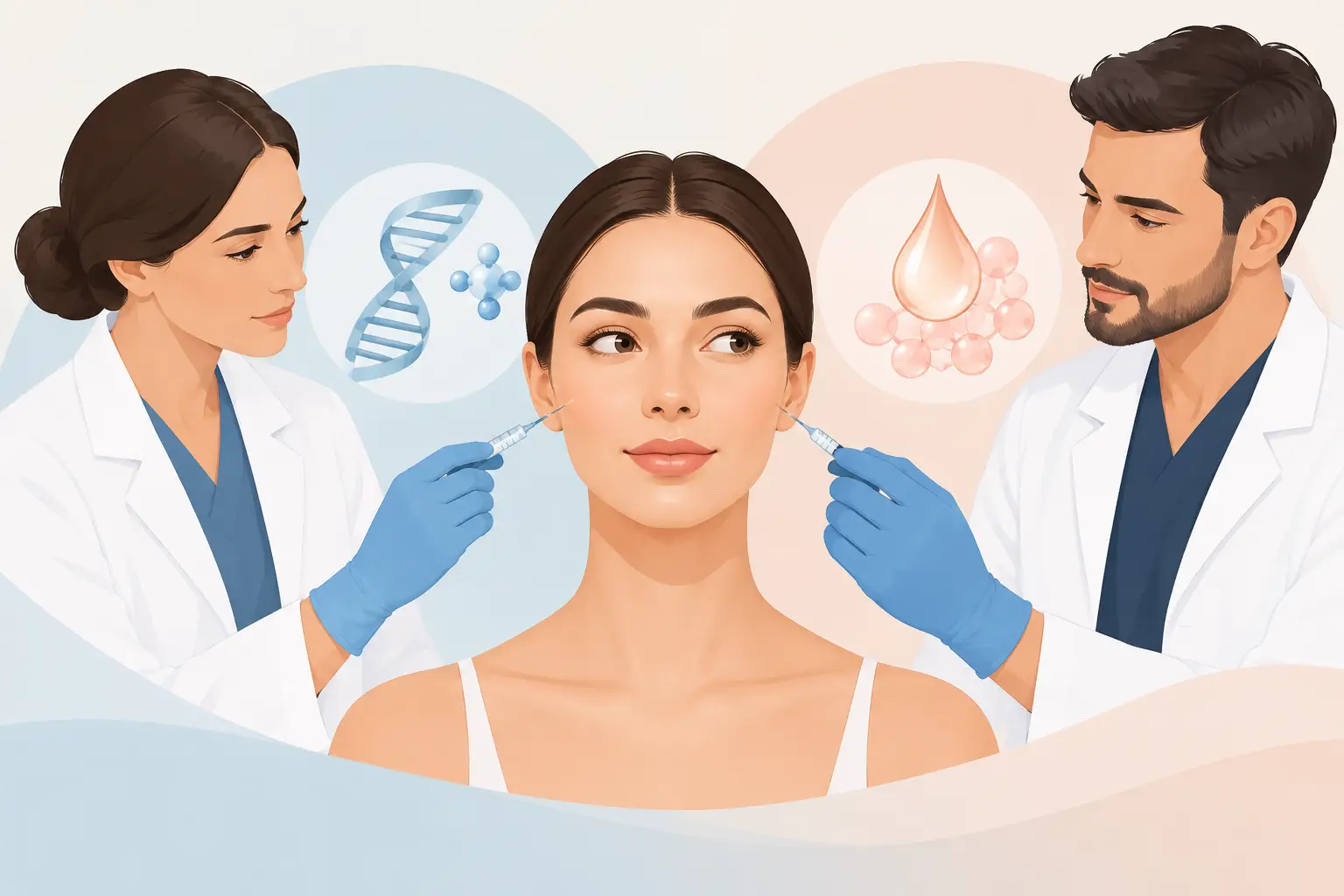


Most british men and women in London now prefer non-surgical facelifts over traditional surgery, with demand for luxurious, minimally invasive treatments rising by nearly 60 percent in the past five years. This shift reflects a growing desire for discreet rejuvenation and safe, customisable care that fits busy lifestyles. Discover how advanced British aesthetic clinics deliver striking results and a personalised experience without lengthy recovery or visible scarring.
Table of Contents
- What Is A Non-Surgical Facelift?
- Leading Non-Surgical Facelift Techniques
- How Non-Surgical Facelifts Work
- Benefits Versus Traditional Facelift Surgery
- Risks, Recovery, And Safety Standards
Key Takeaways
| Point | Details |
|---|---|
| Non-Surgical Techniques | Non-surgical facelifts utilise methods like dermal fillers, radiofrequency, and ultrasound to rejuvenate without surgery. |
| Benefits Over Surgery | These procedures are minimally invasive, offer quicker recovery times, and reduce risks while preserving natural facial features. |
| Personalised Approach | A comprehensive consultation with a qualified practitioner is essential to tailor treatment plans to individual needs. |
| Safety Considerations | Rigorous patient assessments and practitioner expertise are vital for minimising risks and ensuring safe outcomes. |
What Is a Non-Surgical Facelift?
A non-surgical facelift represents an innovative approach to facial rejuvenation that offers dramatic results without traditional surgical intervention. Unlike invasive procedures requiring extensive recovery, these advanced treatments focus on biological aging processes using sophisticated aesthetic technologies.
These modern treatments encompass multiple techniques designed to restore youthful facial contours through minimally invasive methods. Practitioners employ strategic approaches including radiofrequency, ultrasound energy, and precision dermal fillers to address specific skin concerns. By stimulating natural collagen production and restoring lost volume, non-surgical facelifts can effectively counteract signs of aging such as skin laxity, fine lines, and facial volume depletion.
The primary mechanisms of non-surgical facelifts involve targeted interventions that trigger the body’s intrinsic healing responses. Treatments like radiofrequency and ultrasound generate controlled thermal energy beneath the skin’s surface, prompting collagen remodelling and tissue tightening. Simultaneously, dermal fillers strategically reintroduce volume to areas experiencing age-related loss, creating a lifted, refreshed appearance without surgical scarring or extended downtime.
Pro tip: Schedule a comprehensive consultation to determine which combination of non-surgical facelift techniques best matches your unique facial structure and aesthetic goals.
Leading Non-Surgical Facelift Techniques
Non-surgical facelift techniques represent a sophisticated array of aesthetic interventions designed to rejuvenate and transform facial appearance without invasive surgical procedures. Innovative aesthetic technologies have revolutionised the approach to facial enhancement, offering patients multiple targeted treatment options that address specific skin concerns with minimal downtime.
The primary techniques in non-surgical facelifts include several advanced aesthetic modalities. Injectable treatments like Botox and dermal fillers provide immediate volume restoration and wrinkle reduction, strategically targeting areas of facial volume loss. Radiofrequency therapies, such as Thermage, utilise controlled thermal energy to stimulate deep collagen production, tightening skin and improving overall texture. Ultrasound-based treatments like Ultherapy penetrate deeper skin layers, encouraging natural collagen regeneration and providing a subtle yet significant lifting effect.
Additional sophisticated techniques include thread lifts, which use dissolvable sutures to mechanically lift sagging facial tissues, and chemical peels that remove damaged outer skin layers to reveal smoother, more radiant complexion. Each technique offers unique benefits, allowing practitioners to create personalised treatment plans tailored to individual aesthetic goals and skin conditions. The precision of these methods enables targeted interventions that can address specific concerns such as fine lines, skin laxity, and volume depletion with remarkable accuracy.
Pro tip: Consult with a qualified aesthetic practitioner to develop a comprehensive, customised non-surgical facelift strategy that combines multiple techniques for optimal, natural-looking rejuvenation.
Here’s a comparison of leading non-surgical facelift techniques and their main advantages:
| Technique | How It Works | Greatest Benefit | Typical Duration of Results |
|---|---|---|---|
| Dermal Fillers | Volumises and shapes with injections | Instant volume and contour | 6-18 months |
| Radiofrequency (Thermage) | Heats deep layers to tighten skin | Smoothness and firming | 12-24 months |
| Ultrasound (Ultherapy) | Stimulates collagen at depth | Natural lifting effect | 12-18 months |
| Thread Lift | Sutures physically lift tissue | Immediate lifting with subtle change | 12-18 months |
| Chemical Peel | Removes outer damaged skin | Brighter and smoother complexion | Several months |
How Non-Surgical Facelifts Work
Non-surgical facelifts operate through sophisticated biological mechanisms that trigger the body’s natural regenerative processes. Facial rejuvenation techniques leverage advanced technologies to stimulate collagen production, restore skin elasticity, and strategically address age-related structural changes without invasive surgical intervention.
The primary mechanism involves targeted cellular stimulation through multiple complementary approaches. Thermal energy treatments like radiofrequency and ultrasound generate controlled heat that penetrates deep dermal layers, encouraging fibroblast activity and collagen remodelling. This process generates new protein structures that naturally tighten and lift facial tissues, effectively reducing sagging and improving overall skin texture. Injectable treatments simultaneously work by introducing supportive substances directly into specific facial regions, replacing lost volume and providing immediate structural support.
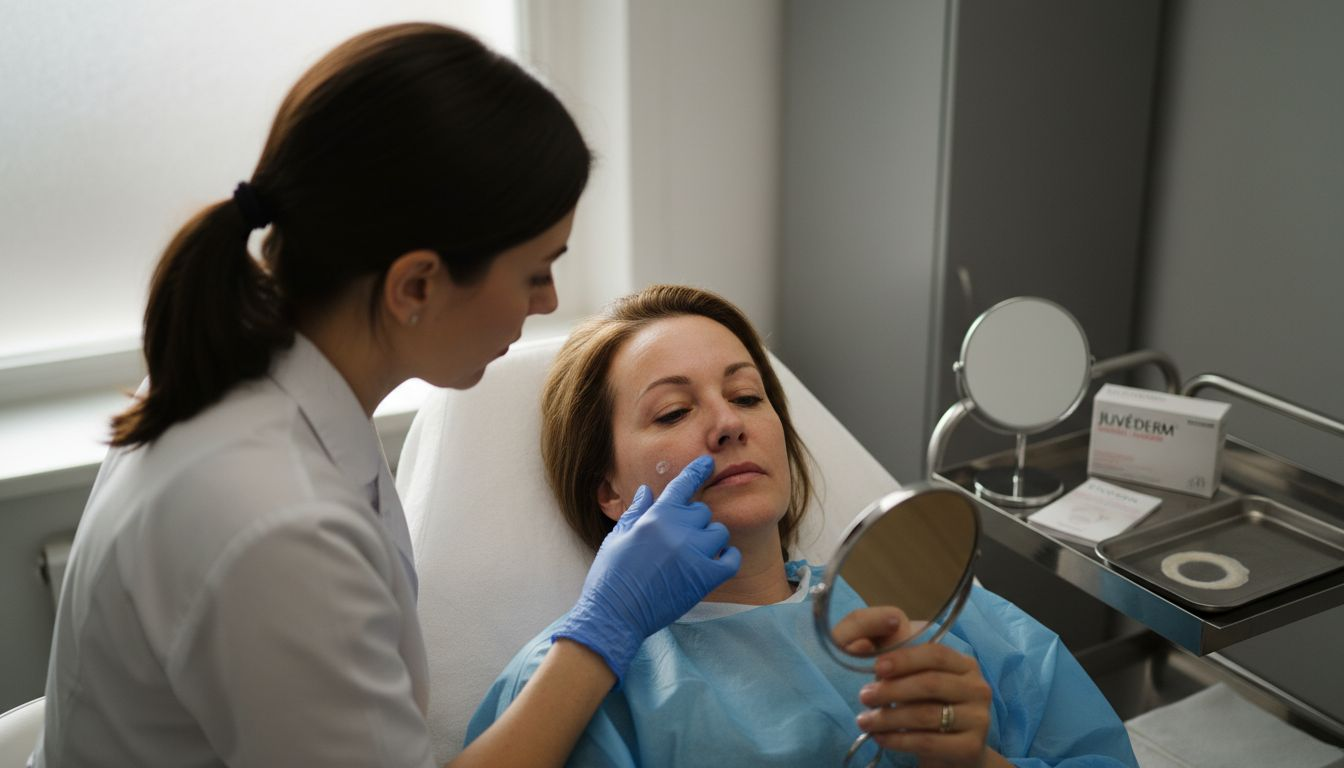
These interventions interact with the skin’s complex biological systems through precise, scientifically calibrated methodologies. The body responds to these stimuli by initiating natural healing and regeneration processes, producing new collagen and elastin fibres that gradually restore youthful facial contours. By triggering controlled microtrauma and introducing biocompatible substances, practitioners can achieve subtle yet transformative aesthetic improvements that appear natural and harmonious with an individual’s unique facial structure.
Pro tip: Discuss your complete medical history and aesthetic goals with your practitioner to ensure a personalised non-surgical facelift approach that maximises safety and delivers optimal rejuvenation results.
Benefits Versus Traditional Facelift Surgery
Non-surgical facelifts represent a revolutionary approach to facial rejuvenation, offering substantial advantages over traditional surgical interventions. Subtle aesthetic improvements have transformed the landscape of cosmetic enhancement, providing individuals with sophisticated alternatives that minimise risks and maximise natural-looking results.
The key distinctions between non-surgical and traditional facelift procedures are profound. Surgical facelifts involve extensive incisions, general anaesthesia, and significant recovery periods, often resulting in visible scarring and potentially dramatic changes to facial appearance. In contrast, non-surgical techniques offer minimal invasiveness, with treatments typically completed within hours and requiring little to no downtime. Patients can expect nuanced improvements that preserve their inherent facial characteristics, avoiding the stark, artificially ‘pulled’ look associated with more aggressive surgical approaches.
From a practical perspective, non-surgical facelifts provide remarkable benefits across multiple dimensions. Cost-effectiveness is significantly enhanced, with procedures often representing a fraction of traditional surgical expenses. Risk factors are substantially reduced, eliminating potential surgical complications such as infection, prolonged healing times, and anaesthesia-related concerns. Moreover, the customisable nature of non-surgical treatments allows practitioners to create tailored rejuvenation strategies that address specific aging concerns with unprecedented precision and subtlety.
Pro tip: Request a comprehensive consultation to understand how non-surgical facelift techniques can be personalised to your unique facial structure and aesthetic goals.
The table below highlights the main differences between non-surgical and traditional facelift procedures:
| Factor | Non-Surgical Facelift | Traditional Facelift |
|---|---|---|
| Invasiveness | Minimally invasive | Highly invasive |
| Recovery Time | Hours to days | Several weeks |
| Risk of Scarring | Very low | Significant possibility |
| Typical Cost | Lower | Substantially higher |
| Outcome Subtlety | Preserves natural expression | Can appear dramatically altered |
Risks, Recovery, and Safety Standards
Patient safety remains paramount in non-surgical facelift procedures, with modern aesthetic medicine prioritising meticulous risk management and standardised protocols. Patient safety protocols have evolved significantly, ensuring practitioners can deliver sophisticated treatments with minimal potential for adverse outcomes.
The primary safety considerations in non-surgical facelifts centre on comprehensive patient assessment and advanced technical expertise. Practitioner qualifications play a critical role in minimising potential complications, requiring deep understanding of facial anatomy, precise injection techniques, and thorough knowledge of potential contraindications. Risks such as nerve injury, allergic reactions, and asymmetrical results can be substantially reduced through careful patient selection, detailed medical history evaluation, and personalised treatment planning.
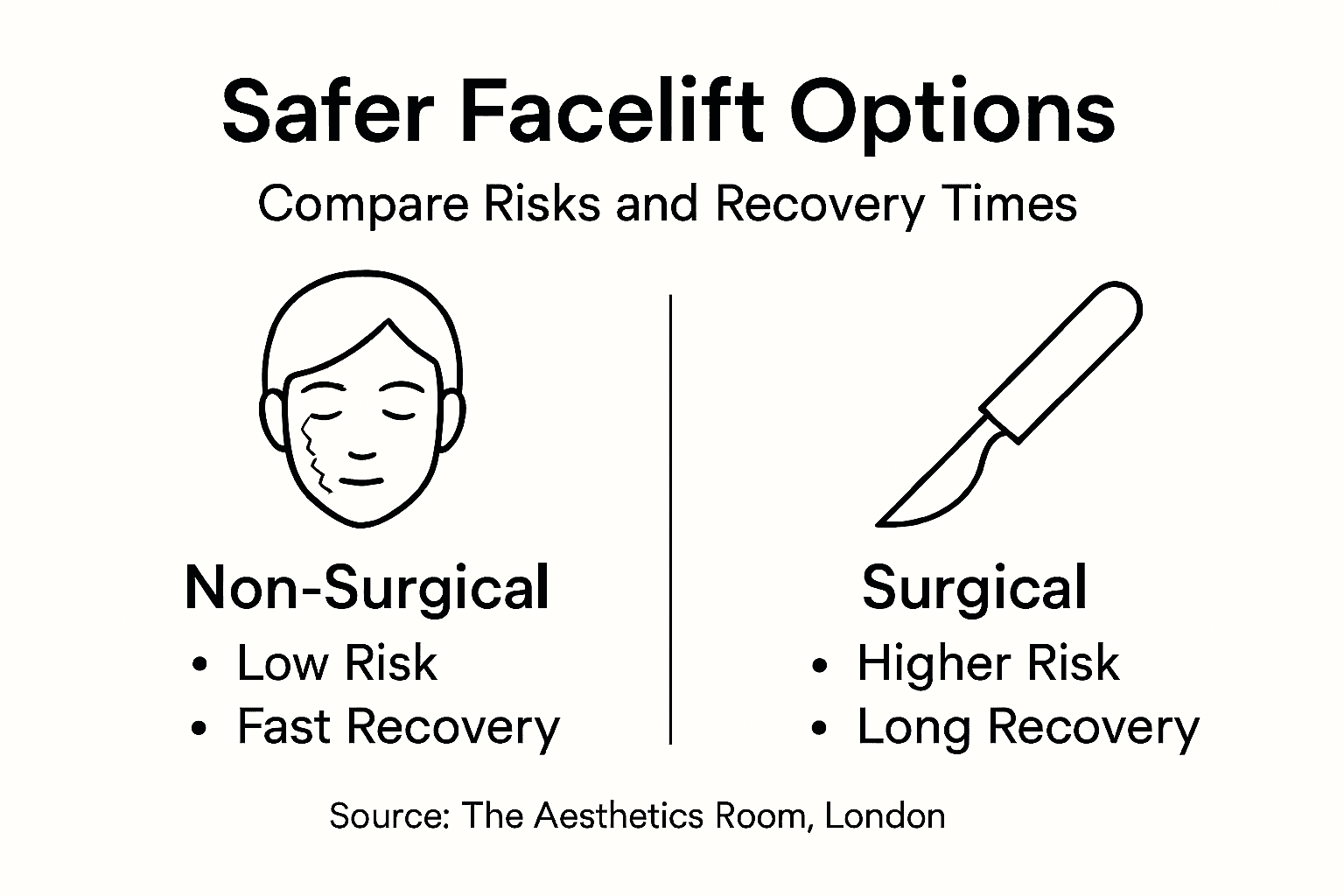
Recovery from non-surgical facelift procedures represents a significant advantage over traditional surgical interventions. Most patients experience minimal downtime, typically returning to normal activities within 24-48 hours. Mild side effects like temporary swelling, bruising, or slight skin sensitivity are common but generally resolve quickly. Professional clinics implement rigorous post-treatment monitoring protocols, ensuring patient comfort and addressing any potential complications promptly. The emphasis remains on creating a safe, controlled environment where aesthetic enhancement can be achieved with the highest standards of medical care.
Pro tip: Request a comprehensive medical screening and discuss your complete health history to ensure you are an ideal candidate for non-surgical facelift procedures.
Discover Safe and Effective Non-Surgical Facelift Solutions in London
Struggling with signs of ageing but hesitant about surgery Try our expert non-surgical facelift treatments at The Aesthetics Room, where safety and personalised care are our top priorities. We use advanced techniques like dermal fillers and anti-wrinkle injections to restore youthful contours without invasive procedures. Experience the benefits of minimal downtime and natural-looking results tailored to your unique facial structure by our qualified specialists based in Knightsbridge. Explore treatments like Anti Wrinkle and Advanced Injectables to rejuvenate your skin and boost your confidence.
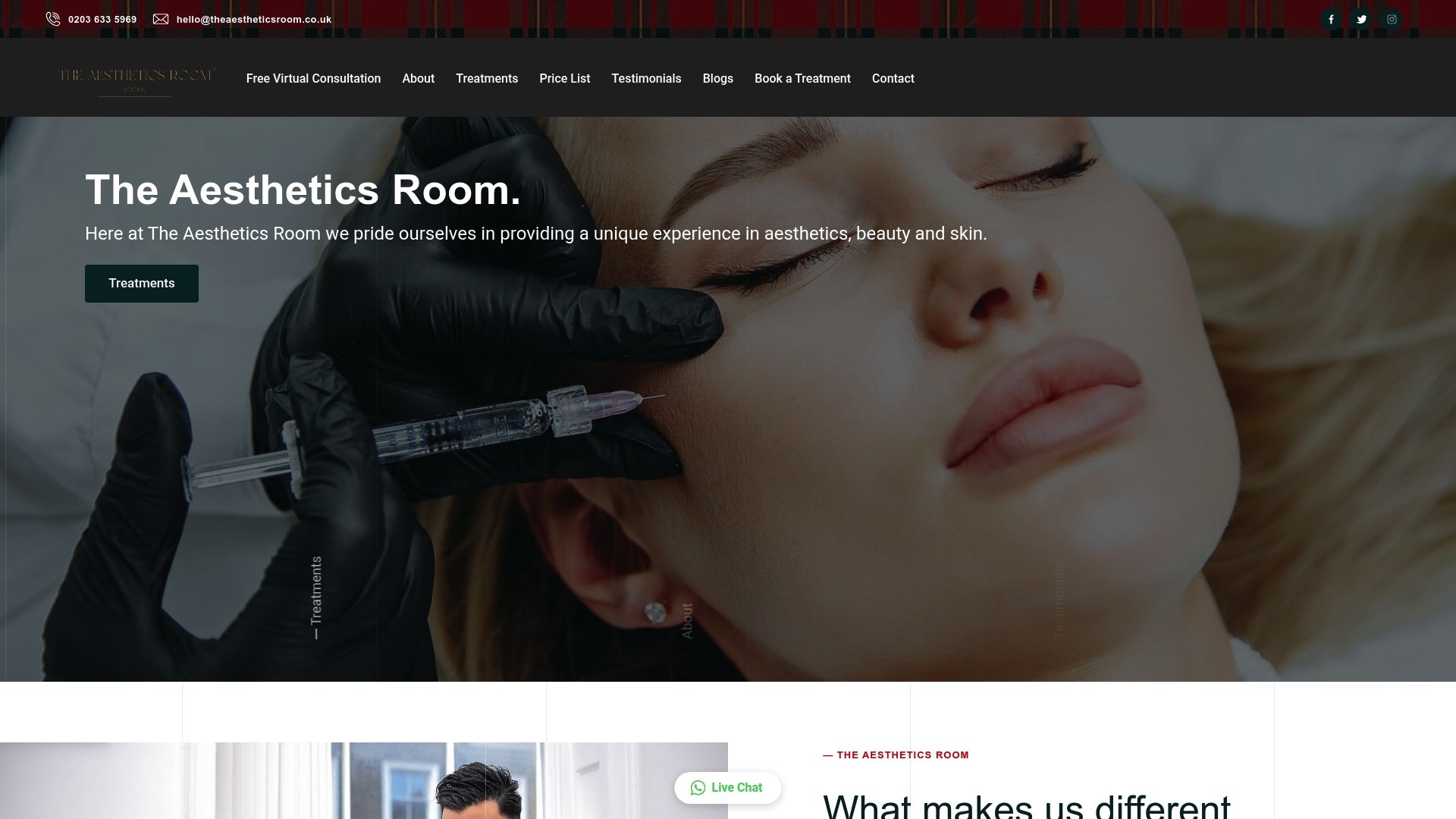
Take the next step towards safer skin rejuvenation by booking a consultation today at The Aesthetics Room. Unlock bespoke treatment plans designed for lasting results in London’s most prestigious clinics. Don’t wait to refresh your appearance and embrace a more youthful you.
Frequently Asked Questions
What is a non-surgical facelift?
A non-surgical facelift is an innovative facial rejuvenation method that offers significant aesthetic improvements without invasive surgery. It uses advanced techniques like radiofrequency, ultrasound energy, and dermal fillers to restore youthful facial contours.
How do non-surgical facelift treatments work?
These treatments function by stimulating the body’s natural collagen production and restoring lost volume through methods such as thermal energy application and injectable fillers. This encourages collagen remodelling and improves skin elasticity without surgery.
What are the benefits of a non-surgical facelift compared to traditional surgery?
Non-surgical facelifts are minimally invasive and involve little to no downtime, with reduced risks and costs compared to traditional surgical facelifts. They offer subtle, natural-looking results that preserve your facial expression unlike more aggressive surgical options.
What should I expect during recovery from a non-surgical facelift?
Most patients experience minimal downtime, typically returning to normal activities within 24-48 hours. Common side effects include temporary swelling or bruising, but these usually resolve quickly, allowing for a swift return to daily routines.
Recommended
- Non-Surgical Face Lift Options: A Guide to Facial Rejuvenation – The Aesthetics Room
- Why Aesthetics for Aging Skin Matter Now – The Aesthetics Room
- 7 Examples of Facial Treatments for Lasting Skin Rejuvenation – The Aesthetics Room
- 7 Expert Professional Skin Treatment Tips for Radiant Results – The Aesthetics Room