

TL;DR:
- The leading facial trends for 2025 focus on evidence-backed beauty-tech devices, regenerative ingredients like PDRN, and the blurred skin aesthetic. Consistent use of microcurrent devices and strategic application techniques are essential for optimal results, while collagen-stimulating injectables like HArmonyCa® offer longer-lasting rejuvenation. Incorporating targeted routines and professional treatments responsibly can enhance skin health effectively without chasing transient trends.
The must-try facial trends for 2025 are defined by three converging forces: beauty-tech devices that deliver clinical results at home, regenerative ingredients like PDRN reshaping topical skincare, and complexion aesthetics such as the blurred skin look rewriting how we think about a flawless finish. From Allergan’s HArmonyCa® injectable to wearable near-infrared microneedle patches, this year’s top facial trends are grounded in evidence, not just hype. Whether you are building a home routine or exploring professional treatments, knowing what actually works in 2025 saves you time, money, and skin.
1. What are the leading beauty-tech facial devices in 2025?
Microcurrent facial toning is the defining beauty-tech trend of 2025, offering a non-surgical facelift effect that you can achieve at home with consistent daily use. Devices like the FOREO BEAR™ 2 use low-level electrical currents to stimulate facial muscles, firm skin, and reduce the appearance of fine lines. Clinical evidence of lifting effects appearing in as little as one week makes this category genuinely compelling rather than aspirational.
The other major device trend is the wearable near-infrared LED photothermal microneedle patch. A randomised pilot trial involving 20 women aged 30 to 59 found that applying these patches three times weekly for four weeks reduced under-eye roughness by 16.3% and increased skin brightness by approximately 1.5 to 2%, with no adverse effects. That is a measurable result from a wearable device, which signals a genuine shift in what at-home technology can achieve.
Key benefits of beauty-tech facial devices in 2025:
- Microcurrent devices (e.g., FOREO BEAR™ 2): tone facial muscles, firm skin, and reduce wrinkle depth with cumulative use
- Near-infrared LED patches: target periorbital ageing, improve skin texture and brightness safely
- App-guided sessions: many devices now pair with smartphone apps to track progress and guide technique
- No downtime: all of the above are non-invasive and suitable for regular home use
Pro Tip: Consistency is the single biggest factor in microcurrent results. Cumulative improvements appear best with daily or near-daily sessions over at least one week. Skipping sessions regularly is the most common reason people see no visible change. Treat it like brushing your teeth, not a weekly treat.
At-home devices are a powerful adjunct to professional treatments, but they are not a replacement. Think of them as maintenance between clinic visits rather than a standalone solution.
2. How the blurred skin trend is reshaping complexion aesthetics
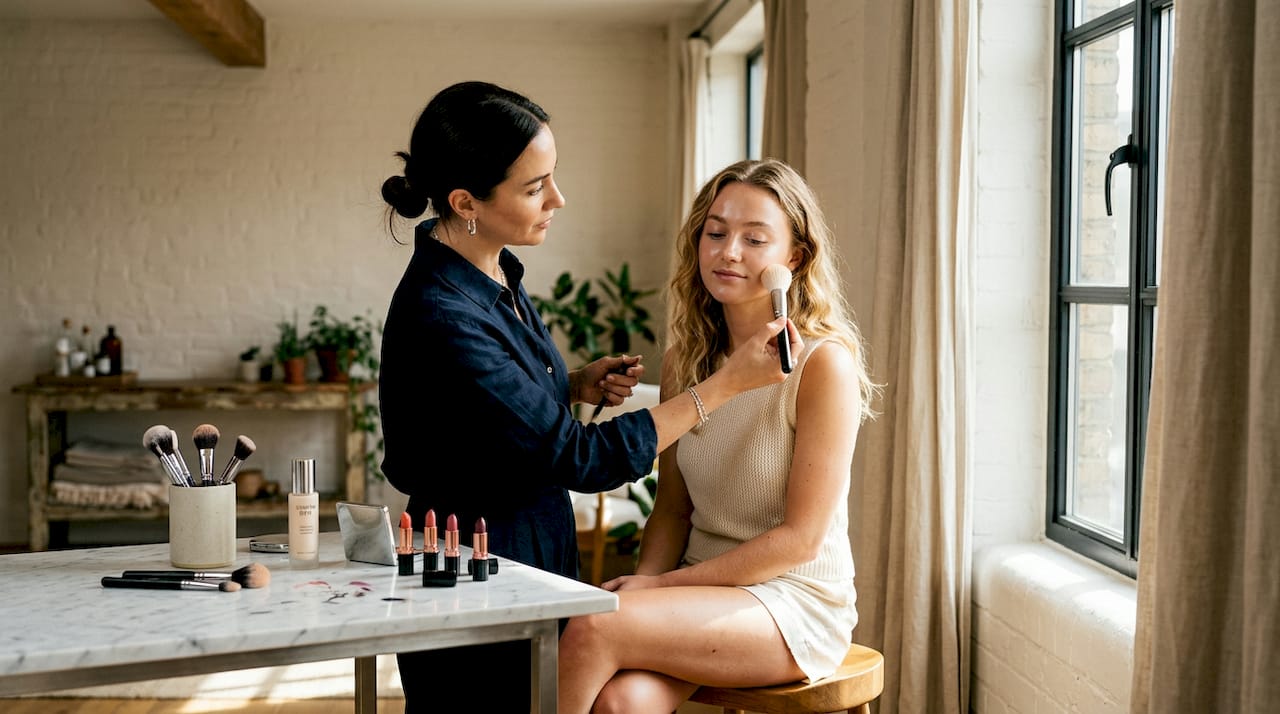
The blurred skin look, also called “cloud skin,” is the complexion trend that defines 2025 facial aesthetics. It sits precisely between matte and dewy, creating a soft-focus, diffused finish that reads as naturally flawless rather than heavily made up. MAC’s Dominic Skinner and Armani’s Sammy Rivera have both described the effect as light-layered and diffused, achieved through product choice and application technique rather than coverage.
The approach differs by skin type, which is what makes it genuinely accessible. Here is how to build the blurred skin finish step by step:
- Start with a hydrating primer. Apply a lightweight, skin-plumping primer to create an even base. This is non-negotiable for achieving the soft-focus effect.
- Apply a powder foundation lightly. Powder foundation, used sparingly, creates the matte-meets-dewy balance without flattening skin texture.
- Place powder selectively. Set only the T-zone or areas prone to shine. Avoid pressing powder into the cheeks, which kills the dewy quality.
- Add a cream or liquid blush. A sheer flush of colour on the cheeks reinforces the natural, skin-like quality of the finish.
- Avoid heavy contouring. Blurred skin relies on light and texture, not sculpted lines. Heavy bronzer or contour breaks the illusion.
“The goal is skin that looks like skin, just better. You want people to wonder what you’re doing, not what you’re wearing.” — Dominic Skinner, MAC
For dry skin, lean into a dewy primer and skip powder almost entirely. For oily skin, a mattifying primer followed by light powder placement keeps the finish intact without looking flat. The strategic powder placement principle is the key technical detail most people miss. Apply too much powder and the look collapses into something flat and dated.
3. PDRN: the regenerative ingredient rewriting facial serums
PDRN, or polydeoxyribonucleotide, is derived from purified salmon DNA fragments and is one of the most talked-about ingredients in 2025 skincare. It has been used in clinical settings in Korea for over a decade, and Western skincare adoption is accelerating rapidly, appearing in serums, sheet masks, and professional facials. The ingredient is credited with supporting tissue repair, reducing inflammation, and improving skin hydration.
What you need to know before investing in PDRN products:
- Topical versus injectable: Topical PDRN acts primarily as a maintenance agent, preserving skin quality and supporting barrier function. Injectable PDRN delivers deeper regenerative effects but faces regulatory restrictions in many countries outside South Korea.
- Clinical evidence: Dermatologist Melissa Levin notes that marketing outpaces clinical evidence for aesthetic PDRN benefits. Robust clinical trials in aesthetics remain limited, so tempered expectations are wise.
- Best use case: PDRN works well as a maintenance ingredient alongside proven actives. Pairing it with niacinamide supports skin barrier repair and brightening simultaneously.
- Product formats: Look for PDRN in ampoules, essence serums, and professional facial treatments rather than basic moisturisers, where concentrations tend to be too low to be meaningful.
The honest position on PDRN is this: it shows genuine promise, particularly for post-procedure recovery and barrier support, but it is not a substitute for clinically validated actives like retinoids or vitamin C. Use it as part of a layered routine, not as a hero ingredient carrying the full load.
4. How collagen-stimulating injectables are advancing facial rejuvenation
Allergan’s HArmonyCa® is the injectable innovation most worth knowing about in 2025. It combines hyaluronic acid for immediate volumising and lifting with calcium hydroxyapatite, which stimulates the body’s own collagen production over time. The result is a dual-action rejuvenation that addresses both immediate appearance and long-term skin quality.
| Feature | Traditional hyaluronic acid filler | HArmonyCa® |
|---|---|---|
| Immediate effect | Volume and hydration | Volume, lift, and firmness |
| Collagen stimulation | Minimal | Active, via calcium hydroxyapatite |
| Duration | 6 to 12 months | Up to 18 months |
| Patient satisfaction | High | Over 91% in clinical study (N=162) |
| Downtime | Minimal | Minimal |
A clinical study with 162 patients confirmed significant and prolonged rejuvenation effects lasting up to 18 months, with well-tolerated side effects. That longevity is a meaningful clinical advance. Most traditional fillers require top-up treatments within 12 months, so an 18-month result changes the treatment calculus for patients managing both time and budget.
Pro Tip: If you are considering injectable longevity as a factor in your treatment decision, HArmonyCa® is worth discussing with your practitioner specifically. Ask about the collagen stimulation timeline, which typically builds over several weeks post-treatment rather than appearing immediately.
Collagen-stimulating injectables complement non-invasive facial routines rather than replacing them. Many patients combine treatments like HArmonyCa® with microcurrent devices at home to maintain and extend their results between clinic appointments.
5. At-home facial wellness trends supporting your 2025 skincare goals
The wellness dimension of facial care is expanding in 2025, with at-home practices becoming more structured and results-focused. These are the trends gaining real traction:
- Facial muscle workouts: Structured facial exercises targeting specific muscle groups are gaining credibility as a complement to device-based toning. Used alongside microcurrent technology, they support the cumulative lifting effect.
- LED therapy for mood and skin: Dual-purpose LED devices that combine red and near-infrared light for skin rejuvenation with mood-supporting wavelengths are a growing category. The skin and wellbeing benefits reinforce each other.
- Simplified, personalised routines: The “skinimalism” approach continues into 2025, with beauty enthusiasts cutting back to fewer, higher-quality products rather than layering ten steps. This reduces irritation and improves consistency.
- Hair skinification: Treating the scalp with the same active ingredients used on facial skin, including hyaluronic acid, peptides, and antioxidants, is a holistic trend that reflects a broader understanding of skin health as whole-body.
- Maintaining professional results at home: Clients who invest in clinic treatments are increasingly using at-home skincare devices to extend and protect their results between appointments.
The most effective at-home routines in 2025 are not the most complex ones. They are the ones that combine one or two well-chosen devices with a simplified product routine and genuine consistency. Overloading your skin with multiple actives and devices simultaneously increases the risk of sensitivity without proportionally increasing results.
Key takeaways
The most effective approach to 2025 facial trends combines clinically supported beauty-tech devices, targeted regenerative ingredients, and professional injectables within a consistent and personalised routine.
| Point | Details |
|---|---|
| Beauty-tech devices deliver real results | Microcurrent and LED devices show clinical improvements, but only with consistent daily use over weeks. |
| Blurred skin requires technique, not coverage | Strategic primer and selective powder placement create the soft-focus finish, not heavy foundation. |
| PDRN is promising but not proven | Use topical PDRN as a maintenance ingredient alongside established actives, not as a standalone treatment. |
| HArmonyCa® extends injectable longevity | This dual-action injectable stimulates collagen and lasts up to 18 months, outperforming traditional fillers. |
| Simplicity supports sustainability | Fewer, better-chosen products and devices outperform complex multi-step routines for long-term skin health. |
Why I think 2025 is the year to stop chasing trends and start choosing them
The volume of facial trends arriving each year has reached a point where chasing all of them is genuinely counterproductive. What I find most encouraging about 2025 is that the strongest trends are converging around evidence. Microcurrent devices have clinical data. HArmonyCa® has a 162-patient study behind it. Even PDRN, which is still maturing as a category, is being discussed with appropriate nuance by dermatologists rather than pure marketing enthusiasm.
My honest advice is to pick one technology-based trend and one ingredient-based trend, and commit to both for at least eight weeks before evaluating. Most people abandon routines before the cumulative effects have time to appear. The blurred skin look is worth trying immediately because it costs nothing beyond a primer and a light-handed technique. The injectable and device trends require more investment, which is exactly why a professional consultation matters before you spend.
Skin type and sensitivity should always govern which trends you adopt. A person with reactive skin should not layer PDRN, a new LED device, and a new injectable in the same month. Introduce changes one at a time, observe the response, and build from there. The facial harmonisation principle applies here: the best result comes from a plan designed for your face, not a trend designed for everyone.
— Vishul
Explore expert facial treatments at Theaestheticsroom
Theaestheticsroom, based in Knightsbridge and Harley Street, offers a full range of treatments that complement the facial trends covered in this article. Whether you are curious about collagen-stimulating injectables or want to explore how Botox treatments can refine and refresh your appearance, the team provides bespoke consultations tailored to your skin goals. For volume restoration and longer-lasting rejuvenation, dermal filler options are available with full practitioner guidance. Theaestheticsroom is CQC-accredited and a member of the ACE Group, so every treatment is delivered within a framework of verified safety and clinical expertise. Book a consultation today to discover which 2025 treatments are right for you.
FAQ
What are the top facial trends to try in 2025?
The leading facial trends for 2025 include microcurrent toning devices, the blurred skin complexion look, PDRN-based serums, and collagen-stimulating injectables such as HArmonyCa®. Each addresses a different aspect of skin health, from texture and tone to volume and regeneration.
How long does it take to see results from microcurrent devices?
Microcurrent devices like the FOREO BEAR™ 2 can show visible lifting effects within one week of consistent use, though cumulative improvements build over several weeks of daily sessions. Inconsistent use is the primary reason results fail to appear.
Is PDRN safe to use in topical skincare?
Topical PDRN is considered safe and has been used in Korean skincare for over a decade, though clinical evidence for aesthetic benefits remains limited. Experts recommend using it as a maintenance ingredient rather than a primary active treatment.
How long do collagen-stimulating injectables like HArmonyCa® last?
HArmonyCa® combines hyaluronic acid and calcium hydroxyapatite to deliver results lasting up to 18 months, significantly longer than most traditional hyaluronic acid fillers. A clinical study of 162 patients reported over 91% patient satisfaction with well-tolerated side effects.
Can I combine at-home devices with professional facial treatments?
At-home devices are best used as an adjunct to professional treatments, not a replacement. Using microcurrent or LED devices between clinic appointments helps maintain and extend results from injectables or skin rejuvenation procedures.
Recommended
- Aesthetics Trends in 2025 – Elevating Natural Beauty – The Aesthetics Room
- Facial harmonization: personalised non-invasive solutions – The Aesthetics Room
- Step by step facial massage guide for radiant skin 2026 – The Aesthetics Room
- The ultimate anti-aging checklist for radiant, youthful skin – The Aesthetics Room