
What are the key microneedling benefits for your skin?
Microneedling, also known as collagen induction therapy, delivers genuine, clinically supported improvements to skin texture, tone, and firmness by triggering your body’s own repair mechanisms. Rather than applying something to the surface, it works from within, making it one of the most effective non-surgical options available in the UK today.
The core benefits span a wide range of skin concerns:
- Smoother texture and refined pores through new collagen and elastin formation
- Reduced acne and surgical scars, including atrophic and rolling scar types
- Softened fine lines and wrinkles, particularly around the eyes and forehead
- More even skin tone, with improvements in hyperpigmentation and melasma
- Firmer, more resilient skin as the dermal matrix rebuilds over weeks and months
- Reduced appearance of stretch marks through collagen remodelling in affected areas
- Enhanced absorption of topical treatments, allowing serums and medical-grade products to penetrate more deeply
- Support for hair regrowth when used alongside treatments such as minoxidil
Most adults are suitable candidates, provided they have no active infections, autoimmune conditions, or a history of keloid scarring. The treatment works across a broad range of skin tones and types, which sets it apart from many energy-based alternatives.
How microneedling works: the science behind collagen induction therapy
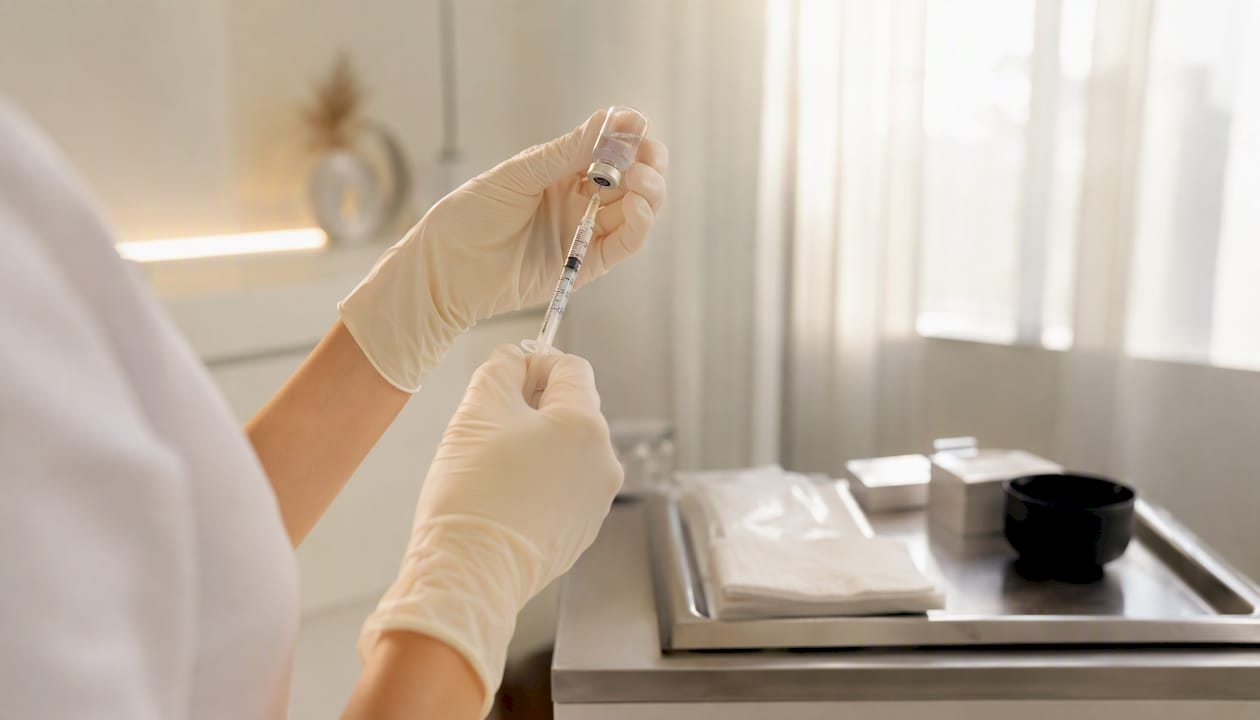
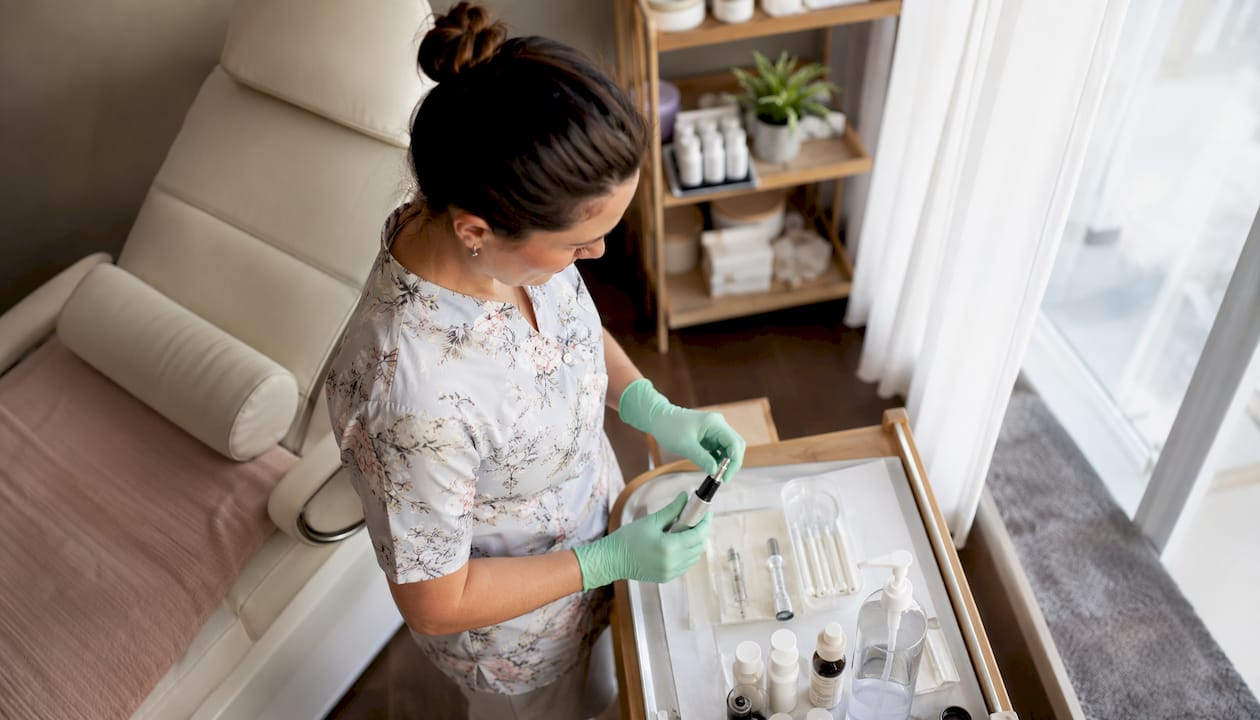
Microneedling is a minimally invasive procedure that uses a device fitted with fine, sterile needles to create thousands of controlled micro-injuries across the skin’s surface. These punctures are precise and shallow enough to avoid lasting damage, yet deep enough to activate the dermis and set off a cascade of natural healing activity.
The needles penetrate to depths of 0.5 to 2.5 mm, depending on the area being treated and the concern being addressed. Shallower passes work well for general texture and pigmentation, while deeper settings target established scarring or significant volume loss. This adjustability is one of the treatment’s practical strengths.
Once the micro-injuries are created, fibroblasts in the dermis respond by producing new collagen and elastin fibres. A fibronectin matrix forms within five days, guiding organised collagen deposition. Histological studies show a 400% increase in collagen and elastin up to six months after treatment, with a thickened stratum spinosum and normal rete ridges visible at one year.
How does it differ from at-home dermarollers?
At-home dermarollers rarely reach the 0.5 mm minimum depth required to trigger dermal collagen synthesis. They may improve product absorption marginally, but they do not produce the structural skin remodelling that a clinical device achieves. Professional automated pens, by contrast, deliver consistent needle depth and speed across every pass, reducing the risk of uneven trauma or infection.
What about radiofrequency microneedling?
Radiofrequency (RF) microneedling combines the standard needle mechanism with thermal energy delivered directly into the dermis. The heat adds a second layer of tissue remodelling, making it particularly useful for skin laxity and deeper wrinkles. It tends to carry a higher price point and slightly more downtime than standard microneedling, but the combination can produce more pronounced tightening results for the right candidate.
Key device types used in clinical settings:
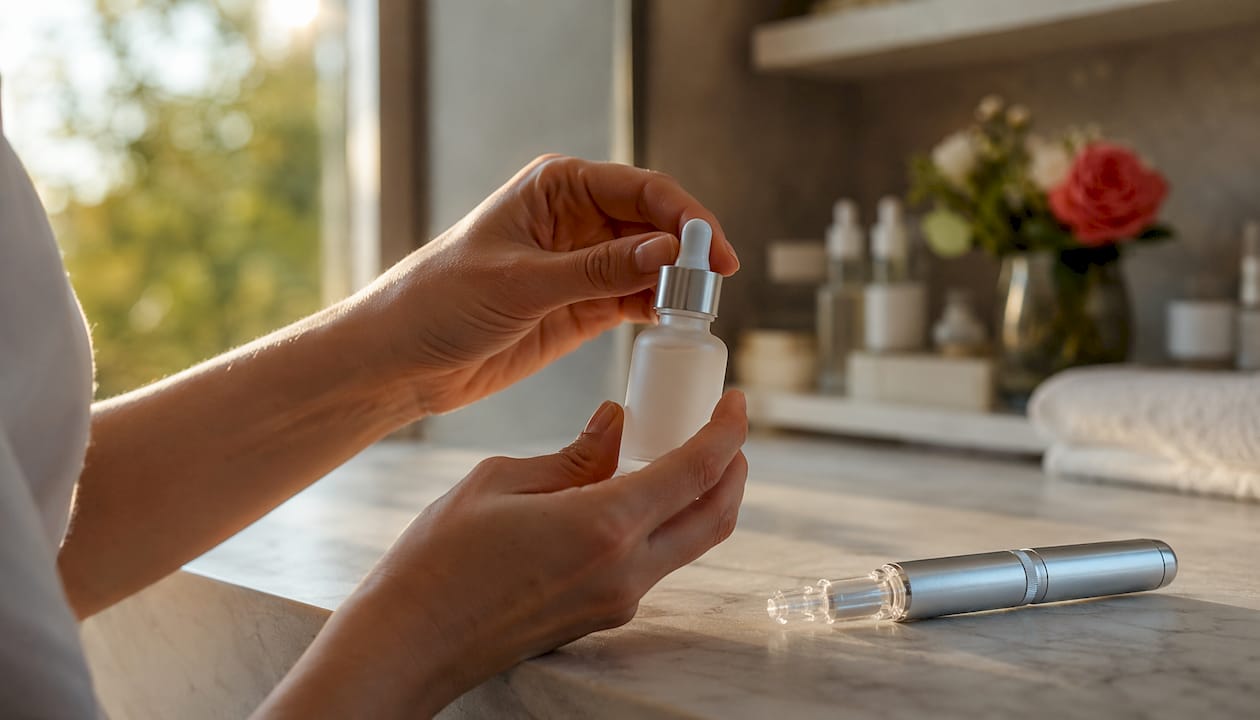
- Automated microneedling pens (e.g., Dermapen): adjustable depth, consistent delivery, minimal epidermal damage
- Dermarollers: cylindrical rollers with fixed needle length; less precise than pens, more suited to body areas
- RF microneedling devices: combine needle penetration with radiofrequency energy for enhanced dermal remodelling
- Stamp devices: used for targeted, localised treatment of small scar areas
What to expect before, during, and after your microneedling session
Before your appointment
A thorough consultation is the starting point for any responsible microneedling treatment. Your practitioner will review your medical history, current medications, and skin concerns to confirm suitability. Certain conditions, including active acne breakouts, open wounds, blood-thinning medication, and a history of keloid scarring, will need to be discussed before proceeding.
In the days leading up to your session, you should:
- Avoid retinoids, vitamin C serums, and exfoliating acids for at least five days beforehand
- Stay out of direct sun and avoid sunbeds for two weeks prior
- Arrive with clean skin, free of make-up and active skincare products
- Inform your practitioner of any recent cosmetic procedures or skin treatments
During the procedure
A topical anaesthetic cream is applied to the treatment area and left for around 30 minutes before the session begins. The practitioner then passes the microneedling device across the skin in a controlled pattern, adjusting depth and speed according to the area. Most full-face treatments take 30–60 minutes. You will feel pressure and mild warmth; discomfort is generally well tolerated.
Aftercare: the first seven days
The first 24–48 hours focus on controlled wound management rather than nourishment. The skin is fragile and the barrier is compromised, so the priority is keeping it calm and clean.
Aftercare guidance from Chelsea and Westminster Hospital NHS Foundation Trust confirms that retinoids, vitamin C, and acids are contraindicated during the initial healing phase, as they risk irritation and post-inflammatory hyperpigmentation. Reintroduce active ingredients only after 5–7 days post-treatment, once the skin barrier has begun to recover.
Practical aftercare steps:
- Apply only gentle, fragrance-free moisturiser and SPF 30 or higher for the first week
- Avoid swimming pools, saunas, steam rooms, and intense exercise for 48–72 hours
- Do not pick or rub flaking skin; allow it to shed naturally
- Sleep on a clean pillowcase and avoid touching the face unnecessarily
- Reintroduce active skincare gradually after day seven, guided by your practitioner
The full range of benefits microneedling can deliver
Microneedling’s ability to stimulate collagen and elastin production makes it effective across a broader range of skin concerns than most people expect. The British College of Aesthetic Medicine recognises it as a clinically supported treatment for ageing, scarring, hyperpigmentation, and stretch marks, noting that regular use can thicken skin, smooth scars, and reduce wrinkles.
Wrinkles and fine lines
Collagen induction firms the skin and restores some of the structural support lost through ageing. Patients often notice a plumping effect and improved skin quality within weeks of their first session, with more pronounced results building over subsequent months.
Acne scars and surgical scars
This is where microneedling has some of its strongest clinical evidence. The procedure breaks down disorganised scar tissue and replaces it with organised, healthy dermal collagen. Atrophic acne scars, including rolling and boxcar types, respond particularly well. Surgical and burn scars also show measurable improvement in texture and elasticity after a course of treatment.
Hyperpigmentation and uneven skin tone
Microneedling disrupts pigment deposits within the skin and, crucially, improves the absorption of topical depigmenting agents such as vitamin C and hydroquinone. Combining the procedure with these topicals produces better outcomes than either approach alone.
Stretch marks
Stretch marks are a form of dermal scarring, and microneedling addresses them through the same collagen remodelling mechanism. Results vary depending on the age and severity of the marks, but most patients report a visible reduction in their appearance after a course of sessions.
Skin texture, radiance, and firmness
Beyond targeted concerns, microneedling improves overall skin quality. The regeneration of the dermis leads to smoother texture, more even tone, and a natural radiance that reflects healthier, better-organised skin tissue.
Enhanced topical absorption
Microneedling widens the follicular infundibulum by 47%, creating micro-channels that allow medical-grade serums, hyaluronic acid, and growth factors to penetrate far deeper than they would on intact skin. This makes it a powerful adjunct to topical therapies.
Hair regrowth support
When used on the scalp alongside topical minoxidil, microneedling has shown meaningful results for androgenetic alopecia. Randomised controlled trials show a mean hair count increase of 91.4 with the combination at 12 weeks, compared to 22.2 with minoxidil alone.
Clinical note: Microneedling carries a lower risk of post-inflammatory hyperpigmentation than laser resurfacing or deep chemical peels, because it does not rely on heat or light absorption. This makes it a safer option for darker skin tones, where energy-based treatments carry a higher risk of pigment alteration.
Risks, side effects, and who should avoid microneedling
Microneedling is well tolerated by most adults, but it is not without risk, and those risks are almost always linked to clinical environment and practitioner skill rather than the procedure itself.
Common side effects
These are expected and typically resolve within a few days:
- Redness and warmth, similar to mild sunburn, lasting 1–3 days
- Tightness and mild swelling for up to five days
- Light flaking or dryness as the skin sheds and renews
- Temporary sensitivity to touch and skincare products
Rare but possible complications
- Infection, if sterile technique is not maintained throughout
- Post-inflammatory hyperpigmentation, particularly if aftercare instructions are not followed
- Milia (small white cysts) in rare cases
- Scarring, most commonly associated with inappropriate device use or inadequate aftercare
Who should not have microneedling?
The British College of Aesthetic Medicine advises that microneedling is contraindicated for people with:
- Active acne, open wounds, or skin infections in the treatment area
- Autoimmune conditions affecting the skin
- A history of keloid or hypertrophic scarring
- Blood-thinning medications or clotting disorders
- Active eczema, psoriasis, or rosacea in the treatment zone
- Pregnancy
Age is not a barrier in itself. Adults across a wide age range, including those in their 40s and beyond, are eligible provided the above contraindications do not apply.
Pro Tip: Always verify that your practitioner is registered with a recognised professional body such as the Joint Council for Cosmetic Practitioners (JCCP) or Save Face. Registered practitioners in clinical environments consistently deliver safer outcomes and better results than unregulated providers, regardless of the device used.
Choosing a registered practitioner is the single most important decision you will make about microneedling. The device matters far less than the skill and environment behind it.
Recovery timeline: what to expect week by week
Recovery from microneedling is one of its genuine advantages over more aggressive skin treatments. Most people return to their normal routine within 48 hours, making it practical for those who cannot afford extended downtime.
Days 1–3: redness and sensitivity
Immediately after treatment, the skin looks and feels like mild sunburn. Redness typically peaks within the first 24 hours and settles within 1–3 days. Sensitivity to touch and temperature is normal during this phase. Avoid make-up for the first 24 hours if possible, and keep the skin clean and lightly moisturised.
Days 3–5: tightness, dryness, and light flaking
As the skin begins to heal, tightness and mild swelling may persist for up to five days. Light flaking is common and reflects the natural shedding of the outermost skin layer. Do not exfoliate or pick at the skin; let the process complete itself.
Day 7 onwards: barrier recovery and early glow
By around day seven, the skin barrier begins to recover and most people notice an early improvement in radiance and texture. Active skincare ingredients can be cautiously reintroduced at this point, starting with gentler formulations before returning to retinoids or acids.
Downtime in context: Visible downtime from microneedling is typically limited to 1–2 days of redness, compared to 5–10 days for laser resurfacing. For most people, this means a weekend treatment with a return to work on Monday.
Weeks 4–12: collagen building beneath the surface
The most meaningful changes happen beneath the surface during this phase. New collagen and elastin fibres form and mature progressively, with visible improvements in skin firmness, scar depth, and overall texture developing week by week. Patience is genuinely required here. The skin is working hard even when the surface looks settled.
3–6 months: full results from a complete course
A course of 3–6 sessions spaced 4–6 weeks apart produces the most complete results. Full aesthetic benefits, including meaningful scar reduction, wrinkle softening, and improved skin quality, typically become evident over this period as collagen matures. Single-session results are real but modest; the cumulative effect of a full course is where the treatment delivers its full potential.
How long do microneedling results last, and what maintenance do you need?
Results from a completed course of microneedling are not permanent, but they are durable. The collagen and elastin produced during treatment persist for several years, with the fibronectin matrix supporting collagen III deposition for up to 5–7 years in histological studies. In practice, most people notice their results beginning to soften after 12–18 months, depending on their age, skin type, and lifestyle factors such as sun exposure and smoking.
Maintenance sessions
A single maintenance session every 6–12 months is typically sufficient to sustain results once the initial course is complete. Some people choose to schedule two sessions per year, particularly if they are managing ongoing concerns such as acne scarring or hyperpigmentation. Your practitioner will advise on the right interval based on how your skin has responded.
Supporting your results at home
The collagen your skin produces after microneedling can be supported and prolonged with a consistent home skincare routine. Daily SPF use is non-negotiable, as UV exposure degrades collagen and accelerates the return of pigmentation. Retinoids, used regularly between sessions, help maintain skin cell turnover and support the dermal matrix. Hyaluronic acid and peptide serums complement the treatment by keeping the skin hydrated and structurally supported.
Combining microneedling with other treatments
Microneedling works well alongside other aesthetic procedures. It can be combined with fractional laser, chemical peels, subcision, and topical therapies to address scarring and photo-ageing more comprehensively. Platelet-rich plasma (PRP), applied immediately after microneedling, is a popular adjunct that uses your own growth factors to accelerate healing and enhance collagen production. Your practitioner will help you build a treatment plan that balances results with realistic downtime.
How much does microneedling cost in the UK?
Microneedling prices in the UK vary depending on the clinic, the device used, the area treated, and whether any adjunct treatments such as PRP are included. As a general guide, a single session for the face at a reputable medical aesthetics clinic typically ranges from £150 to £400. RF microneedling, which uses more advanced technology, usually sits at the higher end of the price spectrum, often between £300 and £600 per session.
A full course of three to six sessions represents a more meaningful investment, but it is also where the treatment delivers its most complete results. Many clinics offer course pricing that reduces the per-session cost when sessions are booked together.
What affects the price?
- Practitioner qualification: Treatments delivered by registered medical professionals in CQC-regulated environments carry a premium that reflects the clinical standard of care.
- Device type: Automated clinical pens and RF microneedling devices cost more to operate than basic dermarollers, and that difference shows in the price.
- Treatment area: The face is the most common area; larger body areas such as the abdomen or thighs for stretch marks will typically cost more per session.
- Adjunct treatments: Adding PRP, medical-grade serums, or LED light therapy increases the session cost but can meaningfully improve outcomes.
Is it worth the investment?
Compared to laser resurfacing or surgical options, microneedling offers a genuinely cost-effective route to measurable skin improvement, with shorter downtime and a lower risk profile. For adults managing acne scarring, hyperpigmentation, or early-to-moderate skin laxity, a well-planned course at a qualified clinic delivers results that are difficult to achieve through skincare alone.
Key takeaways
Microneedling delivers clinically supported skin improvements by triggering collagen and elastin production through controlled micro-injuries, with full results from a course of 3–6 sessions becoming evident over 3–6 months.
| Point | Details |
|---|---|
| Collagen induction is the mechanism | Histological studies show a 400% increase in collagen and elastin deposition up to six months after microneedling treatment. |
| Downtime is short | Most people experience 1–2 days of redness, compared to 5–10 days for laser resurfacing. |
| Active ingredients must wait | Retinoids, vitamin C, and acids should be avoided for 5–7 days post-treatment to protect the healing skin barrier. |
| Practitioner choice matters most | Registering with JCCP or Save Face-accredited practitioners in clinical environments minimises infection and scarring risk. |
| Maintenance sustains results | A single maintenance session every 6–12 months is typically sufficient after completing the initial course. |
Ready to restore and revitalise your skin?

At Theaestheticsroom, we offer medical-grade microneedling and a full range of skin rejuvenation treatments delivered by qualified practitioners at our Knightsbridge clinic. Every treatment begins with a thorough consultation to confirm suitability, discuss your goals, and build a plan that works for your skin. We are CQC-accredited and members of the ACE Group, so you can be confident that safety and clinical standards are at the centre of everything we do.
Whether you are exploring microneedling for the first time or looking to combine it with treatments such as dermal fillers or anti-wrinkle injections, our team is here to guide you. Book your consultation today and take the first step towards skin you feel genuinely confident in.
Recommended
- Microneedling vs Chemical Peel: Which Suits You? – The Aesthetics Room
- Acne scar treatment tips: your 2026 skin guide – The Aesthetics Room
- Discover the benefits of Hydrafacial for radiant skin in 2026 – The Aesthetics Room
- Skin rejuvenation benefits: expert guide for Londoners – The Aesthetics Room