
Most lip filler swelling peaks within 24 to 48 hours and is largely resolved within one to two weeks. The final, settled shape appears at around two to four weeks, once the hyaluronic acid has fully integrated with your natural lip tissue. Swelling itself is not a side effect to fear. It is the expected response to a needle passing through delicate, well-vascularised tissue.
In the first few hours, here is what actually helps:
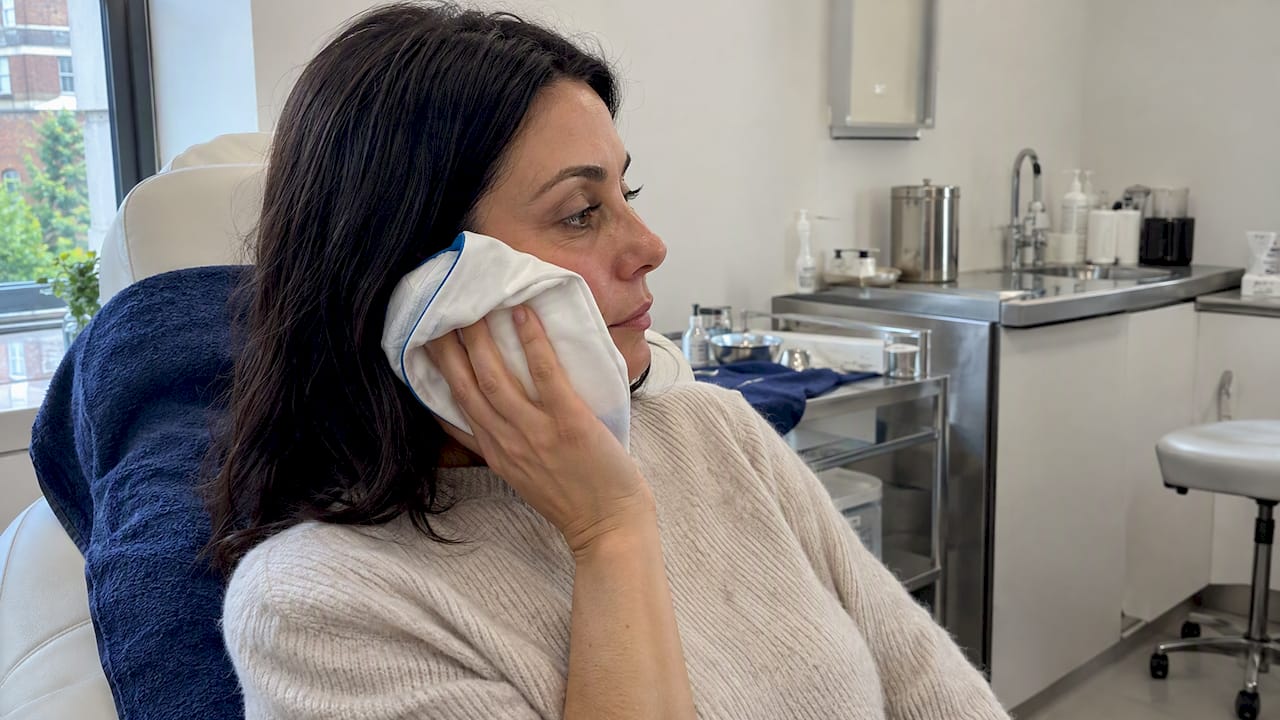
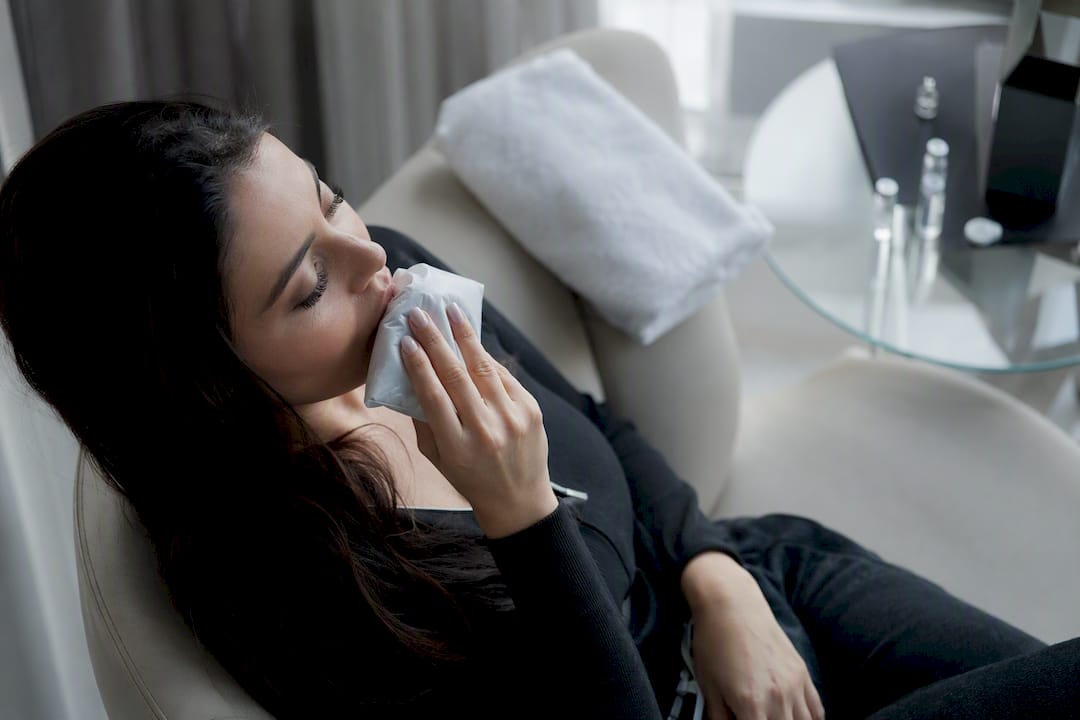
- Apply a wrapped cold pack against the lips, never directly on the skin.
- Skip alcohol, saunas, and strenuous exercise for at least 48 hours.
- Sleep with your head slightly elevated to reduce fluid pooling overnight.
Swelling that keeps building after day three, or arrives with severe pain or changes in skin colour, is not “just settling in.” That pattern warrants a call to your treating clinic without delay, as complications after filler treatment are rare but do require prompt recognition.
TL;DR:
- Swelling peaks within 24 to 48 hours, often making lips appear larger than the final result, and most of it resolves within two weeks.
- Applying wrapped cold packs regularly during the first 48 hours significantly reduces discomfort and visible puffiness.
- Worsening pain, spreading redness, or skin discoloration after day three indicate potential complications that require immediate clinical review.
- Final, natural lip shape is typically visible only after two to four weeks when the swelling and lumps fully settle.
- Proper aftercare includes avoiding heat, strenuous activity, alcohol, and high-salt foods for at least 48 hours, and sleeping with your head elevated.
Table of Contents
- The lip filler swelling timeline, stage by stage
- Why does lip filler cause swelling in the first place?
- How to reduce swelling after lip filler in the first 72 hours
- When should you worry about lip filler swelling?
- Your two-week aftercare checklist
- Considering lip filler or a follow-up treatment?
- The gap between what people expect and what actually happens
- Key Takeaways
- Sources
The lip filler swelling timeline, stage by stage
Understanding what happens hour by hour takes the guesswork out of recovery. Here’s how the process typically unfolds.
- 0 to 6 hours. Numbness from the local anaesthetic is still wearing off, so your lips may feel oddly heavy or stiff. Early puffiness appears almost immediately, and pinpoint bleeding at injection points is common and harmless.
- 24 to 48 hours. This is peak swelling. Lips can noticeably look larger than the final result, which catches a lot of first-time patients off guard. Asymmetry is normal at this stage too. One side often swells more than the other simply because injection points and individual tissue response never match perfectly.
- Days 3 to 7. Improvement tends to be steady and visible day on day. Bruising fades, puffiness drops noticeably, and the asymmetry that looked alarming on day two usually corrects itself without any intervention.
- Weeks 2 to 4. The filler settles fully into surrounding tissue during this window. Any remaining firmness or small lumps generally smooth out, and this is when most visible swelling has resolved and a realistic assessment of the final shape becomes possible.
Most clinics, including Theaestheticsroom, book a two-week review specifically because this is the point where the lips genuinely reflect the treatment outcome. Judging your results on day two is like judging a cake while it’s still in the oven.
Why does lip filler cause swelling in the first place?
Swelling is a direct, predictable consequence of three overlapping factors, not a sign that something has gone wrong.
- Injection trauma. Needle passes trigger an inflammatory cascade. Blood vessels dilate and become more permeable, letting plasma leak into surrounding tissue, which is exactly what produces visible puffiness.
- Hyaluronic acid’s hydrophilic nature. HA molecules bind water aggressively. This is why lips often look temporarily overfilled in the first 48 hours; the filler is pulling in fluid on top of its own volume.
- Technique and product choice. Higher injected volumes, more hydrophilic formulations, and rapid or repeated passes through the same area all increase swelling. A technique that suits your goals matters as much as the product itself.
- Individual patient factors. Certain medications, high salt intake, prior filler treatments in the area, and simple immune variation all influence how much you swell and for how long.
Swelling in a majority of patients following HA filler injection has been recorded in clinical trials, which tells you this is the rule rather than the exception.
How to reduce swelling after lip filler in the first 72 hours
The window right after treatment is where your choices genuinely change your recovery speed. Small, consistent actions beat one dramatic intervention.
Cold therapy remains the single most effective tool available to you. Wrap an ice pack in a clean cloth and apply it for 10 minutes on, 10 minutes off, several times throughout the first 48 hours. Intermittent cold application reduces both discomfort and visible puffiness far more reliably than any cream on the market.
Beyond ice, a handful of habits make a measurable difference:
- Avoid heat entirely for 48 to 72 hours: no saunas, hot baths, or steam rooms.
- Skip strenuous exercise and intense classes, since raised blood pressure worsens swelling and bruising.
- Cut alcohol and high-salt meals for the first two to three days, and drink plenty of water instead.
- Choose paracetamol for pain relief; discuss antihistamines or NSAIDs with your practitioner first, since some can increase bruising risk.
- Topical or oral arnica has modest supporting evidence and causes no harm for most people; gentle lymphatic massage should only be attempted if your practitioner specifically advises it.
Pro Tip: Sleep on your back for the first two nights with an extra pillow. Pressure from a pillow or your own hand against the lips overnight is one of the most common, and most avoidable, causes of prolonged next-morning puffiness.
When should you worry about lip filler swelling?
Most swelling is unremarkable. A small number of patterns are not, and recognising them quickly matters far more than any home remedy.
- Escalating swelling after day three, especially alongside severe or worsening pain, spreading redness, fever, or discharge, points towards infection and needs clinical review.
- Sudden severe pain paired with pale, grey, or mottled skin can signal vascular occlusion, where filler has compromised blood flow. This is time-sensitive: call the clinic immediately, since hyaluronidase may be needed urgently to dissolve the filler and restore circulation.
- Hives, difficulty breathing, or swelling spreading well beyond the lips are signs of a severe allergic reaction and require emergency care, not a wait-and-see approach.
- Practical response: photograph the area to track changes, stop any self-massage immediately, and contact your treating clinic rather than a pharmacy or general search engine.
Your two-week aftercare checklist
Good aftercare is less about heroics and more about consistently avoiding the few things that genuinely slow healing.
- Sleep with your head elevated for the first 48 hours to limit overnight fluid pooling.
- Avoid hot yoga, steam rooms, and intense workouts for 48 to 72 hours after treatment.
- Keep lip care gentle. Skip exfoliating scrubs and topical acids near the injection site until swelling has fully settled.
- Resist the urge to press, prod, or apply lipstick with heavy pigment load in the first few days.
- Attend your two-week follow-up before making any decision about adding more product or dissolving what you already have.
A full dermal filler aftercare protocol covers these steps in more depth if you want a printable reference for the fortnight ahead. Waiting until that two-week mark before judging your lip filler results is not overcaution. It is the point at which the lips actually look like themselves.
What reputable clinics advise about oedema management
Theaestheticsroom holds CQC accreditation and ACE Group membership, both signals that patient safety protocols sit above cosmetic upselling. Clinical consensus on this point is consistent:
- Oedema is common, usually mild, and self-limiting within the first two weeks.
- Antihistamines or steroids are reserved for genuine hypersensitivity reactions, not routine puffiness.
- Hyaluronidase is the correct tool specifically for incorrectly placed HA, not a general “fix” for swelling.
- Any concerning sign warrants prompt follow-up with an accredited practitioner, not a delayed wait-and-see.
Considering lip filler or a follow-up treatment?
If you’re weighing up lip filler for the first time, or you want a practitioner who explains the swelling timeline honestly before you book, Theaestheticsroom’s dermal filler treatments are delivered by CQC-registered specialists who build the two-week review into every treatment plan as standard. That means no guessing about whether what you’re seeing on day two is normal, and no pressure to judge results before they’ve actually settled.
The gap between what people expect and what actually happens
Most anxiety around lip filler swelling comes from a mismatch in expectations, not from anything going wrong. People walk in picturing a subtle, immediate change and walk out with lips that look, for 48 hours, dramatically bigger than anything they asked for. That gap is where the panic messages to clinics come from, and it is almost always unnecessary.
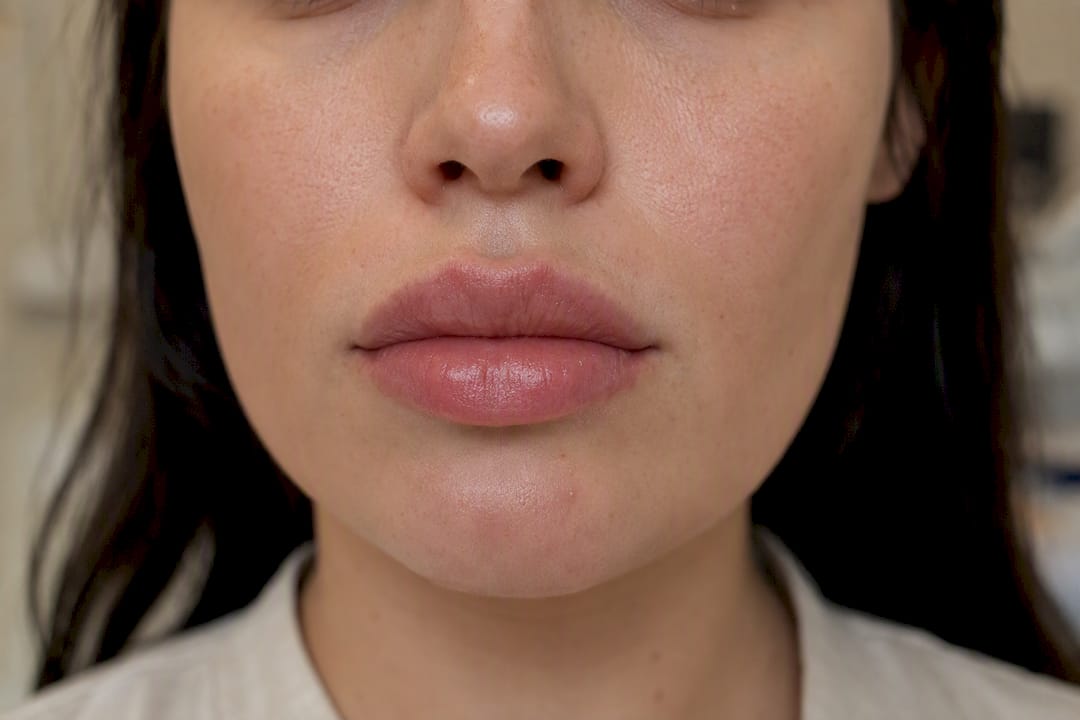
The conventional advice on this topic tends to over-focus on remedies (ice this, avoid that) and under-explain the actual biology. Once you understand that hyaluronic acid pulls in water on purpose, the day two “overfilled” look stops being alarming and starts being expected. That single piece of context probably prevents more unnecessary clinic calls than any aftercare tip.
If there’s one thing worth prioritising above all the ice packs and salt restrictions, it’s this: choose a practitioner who tells you about the swelling timeline before you consent to treatment, not after you’re panicking on day two. That conversation, more than any home remedy, is what separates a smooth recovery from a stressful one.
— Vishul
Key Takeaways
Lip filler swelling follows a predictable biological timeline, and understanding that timeline prevents unnecessary panic and premature decisions about your results.
| Point | Details |
|---|---|
| Peak happens fast | Swelling is worst at 24 to 48 hours, when lips can look noticeably larger than the final result. |
| Most resolution is quick | Visible swelling largely subsides within one to two weeks without any special intervention. |
| Final judgement takes patience | Wait until the two to four week mark, and your two-week clinic review, before assessing the true outcome. |
| Cold beats everything else | Wrapped ice packs, 10 minutes on and off, outperform most other early remedies for comfort and puffiness. |
| Escalating symptoms need urgent review | Worsening pain, spreading redness, or skin colour changes after day three warrant an immediate clinic call. |
Sources
- Lip filler aftercare: what to expect and how to manage — Cleveland Clinic
- Management of oedema in non surgical aesthetic practice — ACE Group
- Lip filler swelling: healing timeline — Centre for Surgery
This article is general information, not a substitute for advice from a qualified doctor. Consult a qualified healthcare professional about your own circumstances before acting on anything here.