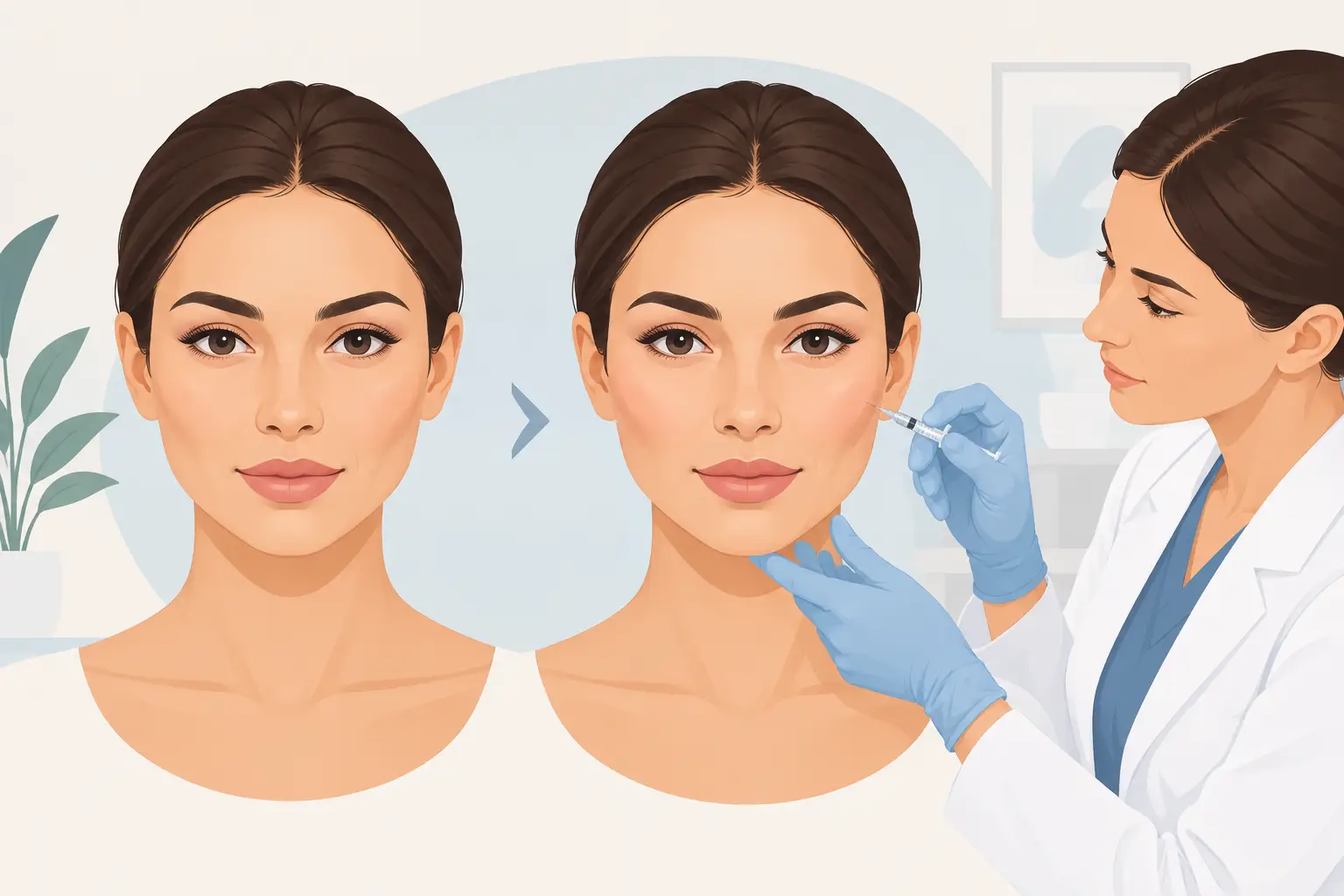


More than 80 percent of British women seeking lip fillers now choose clinics known for safety, luxury, and personal attention. In London, discerning clients appreciate a tailored approach that protects their wellbeing while enhancing signature beauty. This guide reveals how to set realistic lip goals, select the highest calibre clinics, and review safety measures—so you can confidently achieve natural-looking results through expert care.
Table of Contents
- Step 1: Assess Your Aesthetic Goals And Expectations
- Step 2: Research Accredited Clinics And Practitioner Credentials
- Step 3: Explore Available Lip Filler Materials And Options
- Step 4: Book A Personalised Consultation For Tailored Advice
- Step 5: Confirm Safety Measures And Review Before After Results
Quick Summary
| Key Point | Explanation |
|---|---|
| 1. Set Realistic Aesthetic Goals | Clearly define what you want from lip fillers to ensure natural, authentic results that enhance your appearance. |
| 2. Verify Practitioner Credentials | Research practitioners’ qualifications and safety practices before booking to avoid potential complications. |
| 3. Understand Filler Materials | Familiarise yourself with different lip filler materials and their properties to choose the one that suits your needs best. |
| 4. Prepare for Consultation | Gather relevant medical history and aesthetic goals to ensure an informative consultation tailored to your desires. |
| 5. Confirm Safety Protocols | Ensure your clinic has clear safety measures in place and a documented emergency plan to protect your health during treatment. |
Step 1: Assess your aesthetic goals and expectations
Lip fillers are a transformative aesthetic treatment that requires thoughtful planning and realistic expectations. Your primary goal should be enhancing your natural lip shape and volume while maintaining authenticity. Understanding your specific aesthetic desires means carefully evaluating what you want to achieve with precise clinical considerations.
Begin by examining your current lip structure and identifying specific areas you wish to improve. Most first time patients seek subtle augmentation focusing on symmetry, definition, and gentle volume enhancement. Consulting with a professional aesthetic practitioner will help you develop a nuanced approach. They can guide you through potential techniques like addressing asymmetry, improving lip border definition, or creating a softer, more balanced appearance. A conservative approach starting with minimal product volume typically yields the most natural results.
During your initial consultation, discuss your aesthetic objectives transparently. Share references or images that represent your desired outcome, but remain open to professional recommendations. Experienced practitioners understand facial proportions and can provide expert guidance on achieving results that complement your unique facial features.
Expert Advice: Start with a conservative approach of 0.5ml to 1ml of filler, which allows you to assess results and make incremental adjustments without overwhelming your natural lip structure.
Step 2: Research accredited clinics and practitioner credentials
Researching the right aesthetic clinic and practitioner is crucial for safe and successful lip filler treatments. Your goal is to identify medical professionals who have the necessary qualifications, training, and regulatory credentials to perform these delicate procedures. Understanding how to verify professional standards will protect your health and ensure optimal results.

Your investigation should focus on identifying practitioners who are officially registered with professional healthcare bodies. In the United Kingdom, this means checking credentials with organisations like the Health and Care Professions Council. A qualified practitioner should be a licensed medical professional such as a doctor, nurse practitioner, or registered nurse with specific training in aesthetic procedures. Look for additional certifications in facial anatomy, dermal filler techniques, and emergency management protocols.
Carefully examine each clinic’s credentials by requesting proof of professional qualifications, reviewing before and after photographs of their work, and checking patient testimonials. Reputable clinics will readily provide evidence of their practitioners’ expertise and be transparent about their medical backgrounds. Pay special attention to practitioners who regularly update their skills and attend advanced training workshops in aesthetic medicine.
Expert Advice: Request to see your practitioner’s specific qualifications in aesthetic procedures and verify their registration status with official medical boards before booking any treatment.
Step 3: Explore available lip filler materials and options
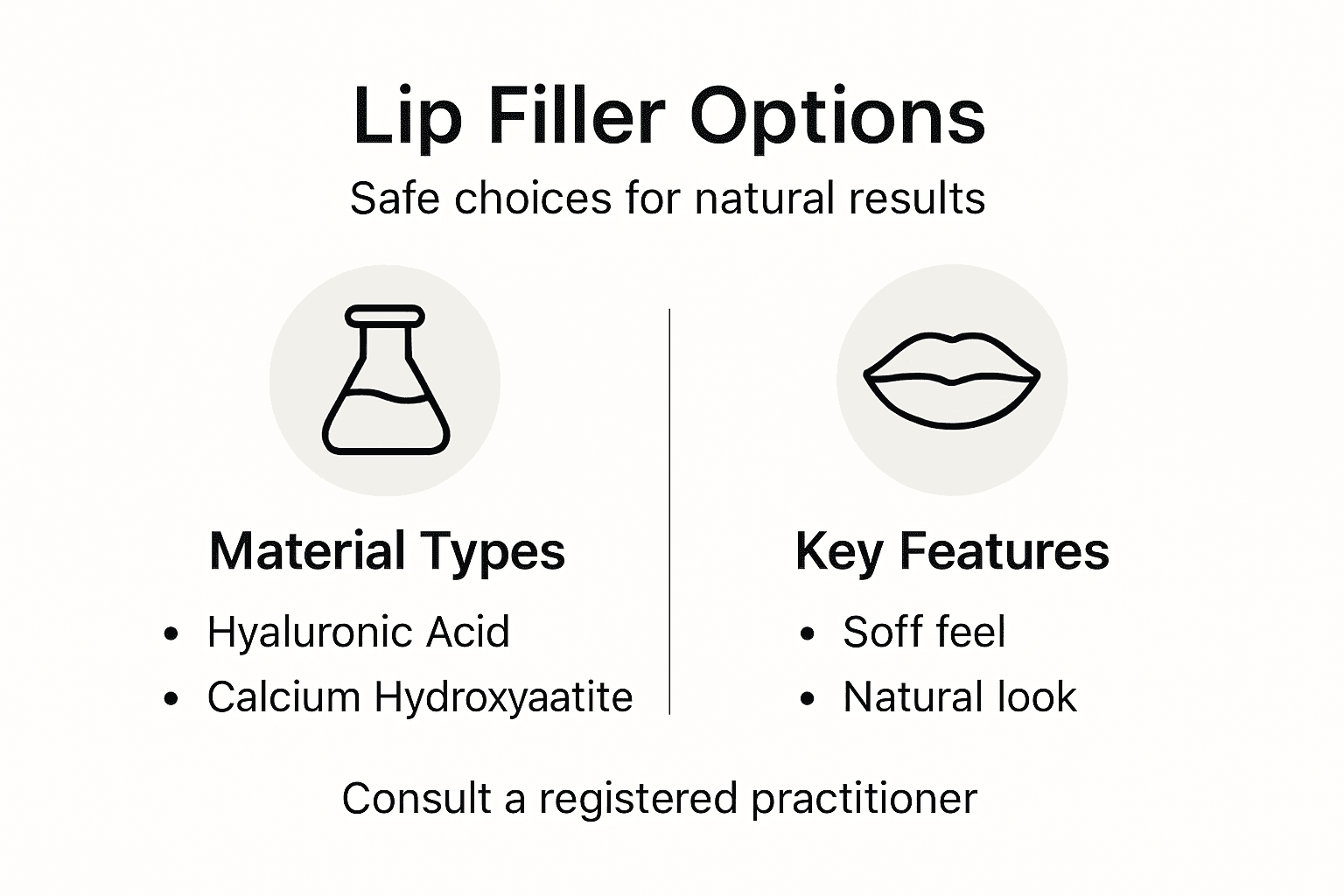
Navigating the world of lip fillers requires understanding the diverse range of materials available for aesthetic enhancement. Your primary objective is to select a filler that aligns perfectly with your aesthetic goals while ensuring safety and natural looking results. Hyaluronic acid remains the most popular lip filler material due to its compatibility with human tissue and remarkable hydrating properties.
Modern lip filler options extend beyond traditional hyaluronic acid to include several sophisticated alternatives. Calcium hydroxyapatite offers collagen stimulation with gradual volume enhancement, while poly-L-lactic acid provides progressive firmness by encouraging natural collagen production. Synthetic options like polymethyl methacrylate can provide more permanent structural support. Each material offers unique characteristics that impact volume, longevity, and tissue integration.
Consult with your aesthetic practitioner to understand which filler best matches your specific lip structure, skin type, and desired outcome. Consider factors such as desired volume, longevity of results, potential for future adjustments, and your individual aesthetic goals. A thorough discussion will help you make an informed decision that balances your expectations with medical expertise.
Here is a comparison of common lip filler materials and their key characteristics:
| Filler Material | Key Feature | Typical Longevity | Suitability |
|---|---|---|---|
| Hyaluronic acid | Hydrating, reversible | 6–12 months | Most patients |
| Calcium hydroxyapatite | Collagen stimulation, firmer feel | 9–18 months | Mature skin, fine lines |
| Poly-L-lactic acid | Stimulates collagen over time | Up to 2 years | Subtle, gradual results |
| Polymethyl methacrylate | Semi-permanent structural support | 2–5 years or permanent | Experienced clients |
Expert Advice: Request a comprehensive consultation discussing the specific properties of each filler material and how they might interact with your unique facial anatomy.
Step 4: Book a personalised consultation for tailored advice
Booking a personalised consultation marks the critical transition from considering lip fillers to actively planning your aesthetic enhancement. Your primary goal is to engage with a qualified professional who can provide comprehensive guidance tailored to your unique requirements. Understanding the consultation process is essential for making an informed decision about your aesthetic journey.
Prepare thoroughly for your consultation by gathering key information about your medical history, current health status, and specific aesthetic objectives. During the appointment, expect a comprehensive assessment that goes beyond simple measurements. Your practitioner will discuss your motivations, evaluate your facial anatomy, review potential treatment options, and provide transparent insights into expected outcomes, potential risks, and recovery expectations. Be prepared to ask detailed questions about the procedure, share your aesthetic vision, and listen carefully to professional recommendations.
Most reputable clinics offer multiple consultation formats, including in person and virtual options, to accommodate your preferences and schedule. When booking, request a comprehensive consultation that allows sufficient time for a detailed discussion. Bring photographs or visual references that illustrate your aesthetic goals, and be open to professional guidance that might refine your initial expectations.
Expert Advice: Schedule your consultation during a time when you can be relaxed and unhurried, allowing for a thorough and meaningful discussion about your aesthetic objectives.
Step 5: Confirm safety measures and review before after results
Ensuring safety is paramount when considering lip filler treatments. Your primary objective is to thoroughly understand potential risks and verify the practitioner’s commitment to patient wellbeing. Significant health risks can emerge from improper lip filler procedures, making comprehensive safety verification an essential step in your aesthetic journey.
During your safety review, request detailed documentation about potential complications, emergency protocols, and the clinic’s professional credentials. Examine the practitioner’s approach to sterile practices, medical background, and ongoing patient monitoring. Review before and after photographs critically, looking for natural-looking results that demonstrate subtle, balanced enhancements rather than dramatic transformations. Pay close attention to symmetry, proportion, and how the lip fillers complement the patient’s overall facial structure.
A comprehensive safety assessment involves understanding potential side effects, recovery expectations, and long-term implications. Ask your practitioner to walk you through typical healing processes, potential allergic reactions, and signs that might indicate complications. Request information about follow-up protocols, emergency contact procedures, and what steps will be taken if unexpected reactions occur. A transparent, detailed discussion demonstrates the clinic’s professionalism and commitment to patient care.
The following table summarises essential safety checks before proceeding with lip fillers:
| Safety Check | Why It Matters | What to Request |
|---|---|---|
| Proof of medical registration | Verifies qualifications | Official licensing documents |
| Clinic hygiene protocols | Reduces risk of infection | Tour of treatment area |
| Emergency procedures | Ensures preparedness for complications | Documented emergency plan |
| Follow-up availability | Supports safe recovery | Direct aftercare contact info |
Expert Advice: Request written documentation of potential risks and ensure you have direct contact information for your practitioner in case of any post-treatment concerns.
Discover Safe and Natural Lip Enhancements at The Aesthetics Room
Choosing the right lip fillers is essential to achieve a balanced, authentic look while ensuring your safety and confidence throughout the process. The article highlights key goals such as realistic expectations, understanding filler materials, and verifying practitioner credentials. At The Aesthetics Room, we share your commitment to these priorities by offering expert advice, personalised consultations, and a highly skilled medical team dedicated to delivering subtle, natural results.
Enhance your beauty journey by exploring our Dermal Fillers treatments where safety and artistry combine seamlessly.

Take control of your aesthetic goals today by booking a personalised consultation at our prestigious Knightsbridge clinic or virtually with trusted specialists. Visit The Aesthetics Room to learn more about our tailored approach and explore our full range of Advanced Injectables designed to bring out your best self. Secure your appointment now and experience cosmetic enhancement delivered with integrity and care.
Frequently Asked Questions
How do I determine my aesthetic goals for lip fillers?
To determine your aesthetic goals for lip fillers, start by assessing your current lip structure and what you hope to enhance. Make a list of specific changes you want, such as symmetry or volume, and consult with a qualified practitioner to refine your objectives.
What should I look for in an accredited clinic for lip filler treatments?
When selecting an accredited clinic for lip filler treatments, check for registered medical professionals with qualifications in aesthetic procedures. Request evidence of their credentials and experience, and ask to see before and after photos from previous patients to evaluate their work.
What types of lip filler materials are available, and how do they differ?
There are various types of lip filler materials available, including Hyaluronic Acid, Calcium Hydroxyapatite, and Poly-L-Lactic Acid, each with unique properties regarding volume and longevity. Discuss these options with your practitioner to choose one that aligns with your aesthetic goals and desired results.
What questions should I ask during my consultation for lip fillers?
During your consultation for lip fillers, ask about the practitioner’s qualifications, the specific techniques they recommend, and potential risks and recovery expectations. Also, express your aesthetic vision and seek their professional insight on how to achieve the best results.
How can I ensure safety when opting for lip filler treatments?
To ensure safety during lip filler treatments, verify the clinic’s adherence to hygiene protocols and inquire about emergency procedures for handling complications. Request detailed information about possible side effects and ensure you have direct contact information for your practitioner after the procedure.
How often should I schedule follow-up consultations after receiving lip fillers?
It is advisable to schedule follow-up consultations about two weeks after receiving lip fillers to assess results and discuss any adjustments. Regular check-ins can help maintain your desired look and address any concerns you may have about your treatment.
Recommended
- How to Choose Dermal Fillers for Personalised Results – The Aesthetics Room
- Why Choose Fillers for Facial Enhancement? – The Aesthetics Room
- Cheek Filler Step by Step Guide for Safe Enhancement – The Aesthetics Room
- 7 Key Advantages of Dermal Fillers for Confident Enhancement – The Aesthetics Room
- Lip Filler Treatment: Impact on Mature Beauty – Luméra Cosmetica