

Aesthetic treatment should never begin with a menu, a special offer or a photograph of somebody else’s result. It should begin with a considered conversation about your features, your health, your lifestyle and what you would genuinely like to change. This guide to London aesthetic consultations explains how a high-quality appointment should feel, what it should cover and how to recognise advice that puts your wellbeing before a quick treatment decision.
For clients who value discretion and natural-looking refinement, the consultation is not an administrative step. It is where the standard of your care is set. The right practitioner will listen closely, assess carefully and be willing to say that a treatment is not necessary, not suitable or better approached in stages.
What a London aesthetic consultation should achieve
A good consultation gives you clarity, rather than pressure. You may arrive thinking you need filler, anti-wrinkle treatment or a skin procedure, only to find that another approach is more appropriate for your concern. Facial proportions, skin quality, muscle movement, volume loss and lifestyle can all influence the recommendation.
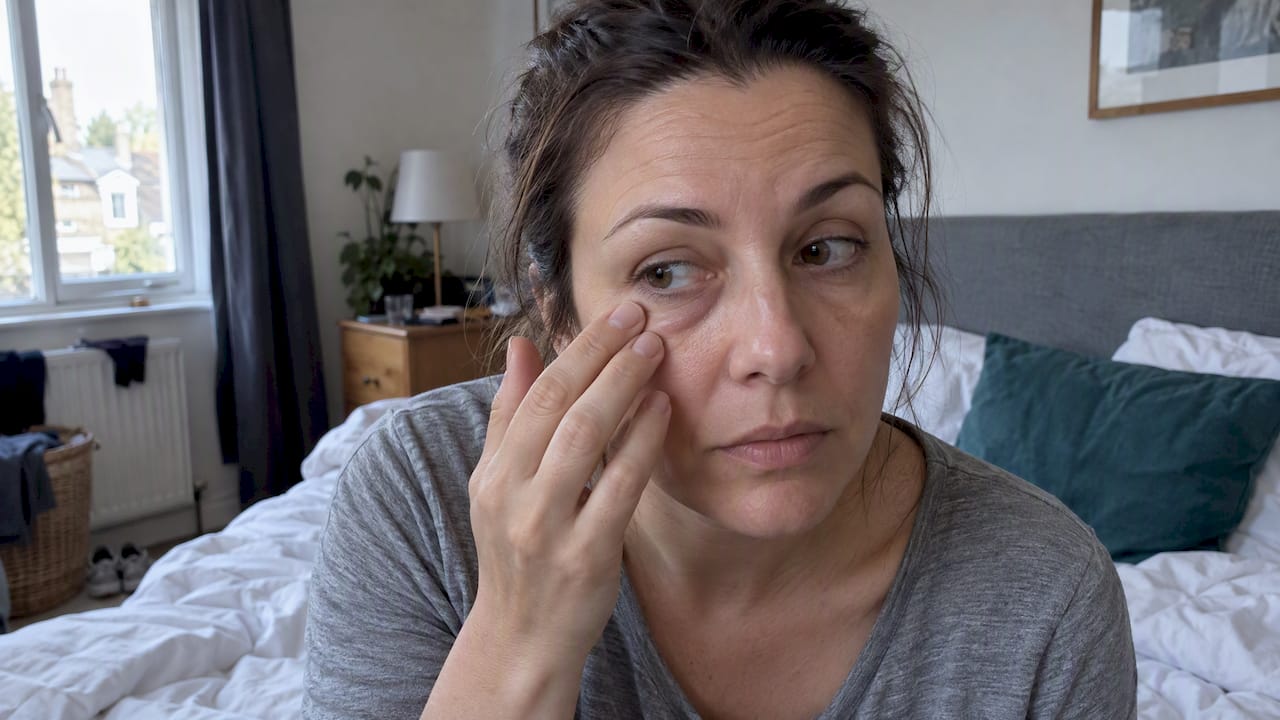
For example, a tired appearance may be linked to dehydration, skin texture, loss of mid-face volume or the way particular muscles pull the face. Treating one feature in isolation can sometimes look out of balance. A medically led consultation considers the wider picture, with the aim of preserving what makes you look like yourself.
It should also establish whether treatment is suitable at this point. Your practitioner needs to understand relevant medical history, allergies, medication, previous aesthetic procedures and any current skin conditions. This is an essential part of safe prescribing and treatment planning, not a formality to rush through.
Before your aesthetic consultation
Come prepared to be open about what you have had before, including treatments carried out elsewhere. If you have received dermal filler, knowing the product, area and approximate date is particularly helpful. If you do not have those details, say so. Honest information helps your practitioner assess risk and avoid treating blindly.
It is useful to arrive with a clear sense of your priorities, but avoid setting your heart on a particular product before your assessment. Consider what bothers you in day-to-day life: perhaps make-up sits poorly around the mouth, you notice lines when you are tired, your jawline feels less defined, or your complexion lacks brightness. These observations are often more valuable than trying to name a treatment.
Bring reference photographs only if they help you communicate the feeling or level of refinement you prefer. They should not become a blueprint. Bone structure, skin thickness, anatomy and the ageing process differ from person to person, so an ethical practitioner will not promise to reproduce another face.
If your appointment is for a skin treatment, hair concern, body contouring, IV vitamin therapy or blood testing, make a note of relevant symptoms, goals and current supplements. Small details can change the right pathway. Persistent hair shedding, for instance, may warrant a broader health discussion rather than a purely cosmetic response.
The assessment: more than identifying a line or hollow
The most reassuring consultations are structured but unhurried. Your practitioner may assess your face at rest and in movement, examine skin quality and discuss how your features have changed over time. They may also ask about sleep, stress, sun exposure, smoking, weight fluctuation and skincare habits, because these factors can affect both results and longevity.
Photography may form part of the clinical record and treatment planning, with consent. This creates a reliable baseline and makes it easier to review subtle changes objectively over time. In a premium clinical setting, this process should be handled discreetly and professionally.
For treatment areas beyond the face, assessment is equally individual. Lymphatic drainage, muscle sculpting, fat-burning treatments and fat dissolving may have different suitability criteria, expected timelines and limitations. A responsible consultation will explain where non-surgical treatment may help and where it is unlikely to deliver the change you want.
This is also the right time to discuss the clinic’s approach to skin health. At The Aesthetics Room, a bespoke plan can draw on a 7 Pillar Skin Optimisation Protocol, considering skin quality as an ongoing strategy rather than a one-off fix. For some clients, improving hydration, barrier function, pigmentation or texture may create a more polished result than adding volume straight away.
Questions worth asking during your consultation
You should leave feeling informed enough to make a decision in your own time. Ask who will carry out your treatment, what qualifications and experience they have, and whether the clinic has appropriate medical oversight and safety protocols. For injectable procedures, ask what product is proposed, why it has been selected and what alternative options were considered.
It is sensible to discuss the likely result in realistic language. Ask what improvement is achievable, how long it may last, whether maintenance is needed and what may happen if you choose not to continue. Natural results are not about doing the minimum in every case. They are about choosing the right amount, placement and timing for your individual features.
You should also understand downtime. Some treatments can leave temporary redness, swelling or bruising, while others require you to avoid strenuous exercise, heat, alcohol or certain skincare products for a short period. This matters particularly if you have a wedding, work event, holiday or important photographs planned. Booking too close to an occasion can create unnecessary anxiety.
Finally, ask about risks and aftercare. Every aesthetic procedure has potential side effects, and rare complications must be explained clearly. A practitioner who discusses these calmly is demonstrating care, not trying to put you off. You should know what is normal after treatment, when to contact the clinic and how urgent concerns are handled.
A guide to London aesthetic consultations: recognising quality care
London offers exceptional choice, but a prestigious postcode alone is not a guarantee of good practice. Look beyond before-and-after images and ask whether the provider’s standards align with the level of care you expect. A consultation-led clinic should make safety, consent and individual suitability central to every recommendation.
CQC registration, where relevant to the services provided, reflects an added commitment to regulated standards. ACE Group affiliation can also offer reassurance that a clinic takes complications management seriously. These credentials do not replace your own judgement, but they are meaningful indicators when combined with transparent communication and trained professionals.
Be cautious if you feel pushed towards a same-day decision, a package that has not been properly explained or a treatment you did not originally discuss. Equally, do not assume that a consultation has failed if you are advised to wait. Skin may need to settle, previous filler may need to be assessed, or a conservative first treatment may be the safest way to understand how you respond.
Cost should be transparent too. The cheapest option is rarely the best value when you are trusting someone with your face, skin or health. A thoughtful plan may involve fewer, better-chosen treatments, staged appointments and review rather than a dramatic intervention completed in one sitting.
Turning advice into a considered treatment plan
After your assessment, your plan should feel personal and proportionate. It may focus on one concern, such as softening expression lines or improving skin texture, or combine treatments over time to address several goals. There is no universal sequence. Someone preparing for an event may need a low-downtime approach, while another client may prefer a longer programme focused on skin quality, hair health or body confidence.
A strong plan includes a review point. Results develop differently depending on the treatment, and refinement can be preferable to overcorrection. This is particularly relevant with injectables, where patience and restraint are often part of achieving an elegant outcome.
Your consultation should leave you feeling more confident in your options, not more critical of your appearance. Choose a practitioner who sees your concerns, respects your boundaries and has the expertise to recommend treatment only when it serves your goals. When the conversation is right, the treatment decision becomes far easier to make.