
TL;DR:
- Modern non-invasive treatments like Polynucleotides and RFMN effectively enhance skin hydration, elasticity, and texture.
- Proper preparation and personalised treatment plans are essential for achieving and maintaining a natural, radiant glow.
- Regular maintenance and sun protection are crucial for long-lasting skin health and luminosity.
London’s air quality, relentless pace, and long working hours take a quiet toll on your complexion. Pollution particles, chronic stress, and natural ageing all conspire to strip skin of its luminosity, leaving it dull, uneven, and tired-looking. The good news is that modern, non-invasive aesthetic treatments have transformed what is achievable without surgery or extended downtime. This guide takes you through the entire journey: understanding what genuinely creates a healthy glow, how to prepare intelligently, which evidence-backed procedures deliver real results, and how to sustain that radiance long after your final session.
Table of Contents
- Understand your skin and glowing essentials
- Preparation: what to know before booking your treatment
- Step-by-step: non-invasive treatments for exceptional glow
- Sustaining and verifying your results
- Our expert perspective: why personalised protocol matters more than ever
- Next steps: advanced glowing skin solutions at The Aesthetics Room
- Frequently asked questions
Key Takeaways
| Point | Details |
|---|---|
| Personalised approach | Glowing skin results are best with expert-tailored protocols rather than generic solutions. |
| Evidence-based treatments | Polynucleotides and advanced microneedling offer measurable improvements in hydration and elasticity. |
| Preparation is key | Proper consultation, lifestyle adjustments, and safe clinic selection raise the quality and safety of your results. |
| Maintenance matters | Yearly sessions and good daily routines help you sustain a luminous, youthful complexion. |
Understand your skin and glowing essentials
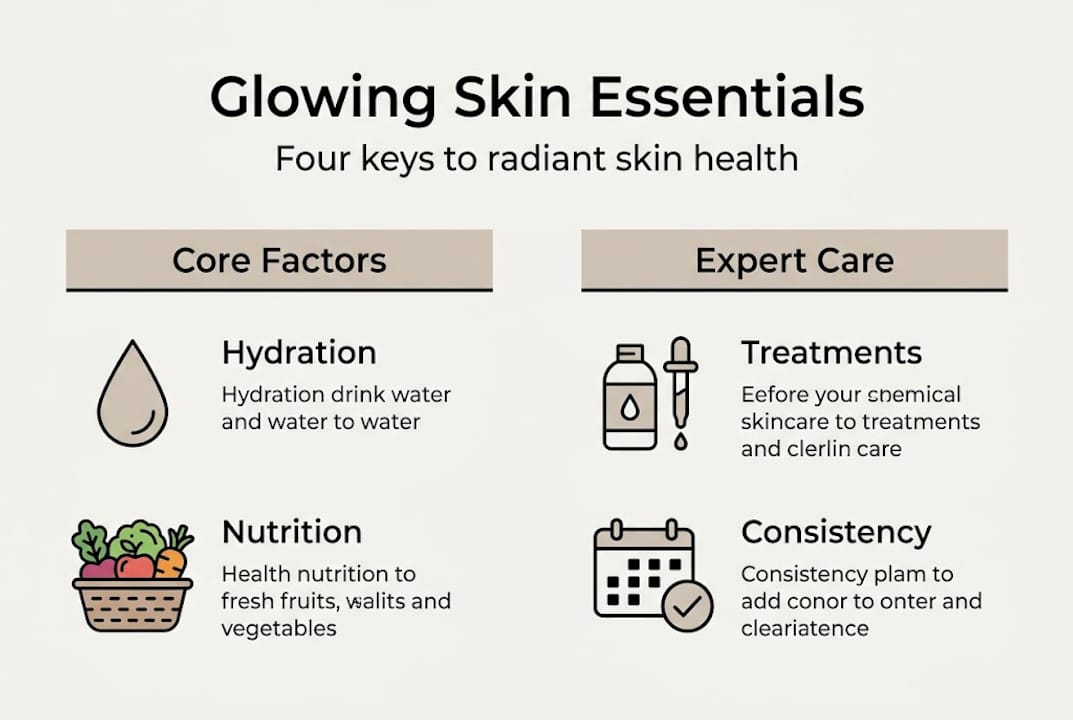
Glowing skin is not simply a matter of good lighting or clever make-up. At its core, radiance is the result of three measurable qualities: hydration, elasticity, and texture. When skin holds adequate moisture, light reflects evenly across its surface. When elasticity is strong, the skin appears plump and lifted. When surface texture is smooth and free of congested pores or pigmentation, the complexion looks genuinely luminous.
For London professionals, the obstacles are very real. Fine particulate matter from traffic penetrates the skin barrier, triggering low-grade inflammation that accelerates collagen breakdown. Cortisol, the stress hormone, impairs the skin’s natural repair cycle overnight. Meanwhile, UV exposure, even on overcast days, degrades collagen and generates free radicals that oxidise skin cells. The cumulative result is accelerated dullness that no moisturiser alone can reverse.
This is precisely where professional intervention becomes essential. Luxury skin hydration boosters such as injectable hydrators and mesotherapy cocktails restore moisture at a dermal level, far below where topical products can reach. Polynucleotides versus fillers is a comparison worth understanding: PN (Polynucleotides) stimulate fibroblast activity and cellular regeneration, while fillers primarily restore volume. Research confirms PN protocols improve hydration and elasticity by 20 to 30 percent after just three sessions, making them a standout option for restoring genuine glow rather than simply masking dullness.
When choosing facial fillers, understanding the distinction between hydration-focused and volume-focused treatments helps you invest wisely.
Key factors that impact skin glow:
- Hydration levels both at the surface and within the dermis
- Regular, appropriate exfoliation to remove dead skin cell build-up
- Consistent broad-spectrum SPF use to prevent UV-induced damage
- Barrier-supporting skincare (ceramides, niacinamide, antioxidants)
- Professional, in-clinic intervention for structural and cellular renewal
| Skin glow metric | Suboptimal range | Optimal range |
|---|---|---|
| Hydration (corneometry) | Below 40 units | 60 to 80 units |
| Elasticity (cutometry) | Below 0.6 ratio | 0.75 to 0.90 ratio |
| Melanin index | Above 200 (uneven tone) | Below 150 (even tone) |
| Pore visibility | Grade 3 to 4 | Grade 1 to 2 |
These metrics give your practitioner an objective baseline from which to build your bespoke treatment plan.
Preparation: what to know before booking your treatment
Once you understand the foundations of glowing skin, thoughtful preparation separates an excellent outcome from a disappointing one. At The Aesthetics Room, every client begins with a thorough consultation. Your practitioner will assess your skin using both clinical evaluation and, where appropriate, imaging technology. From there, a bespoke plan is created that matches your specific concerns, lifestyle, and timeline.
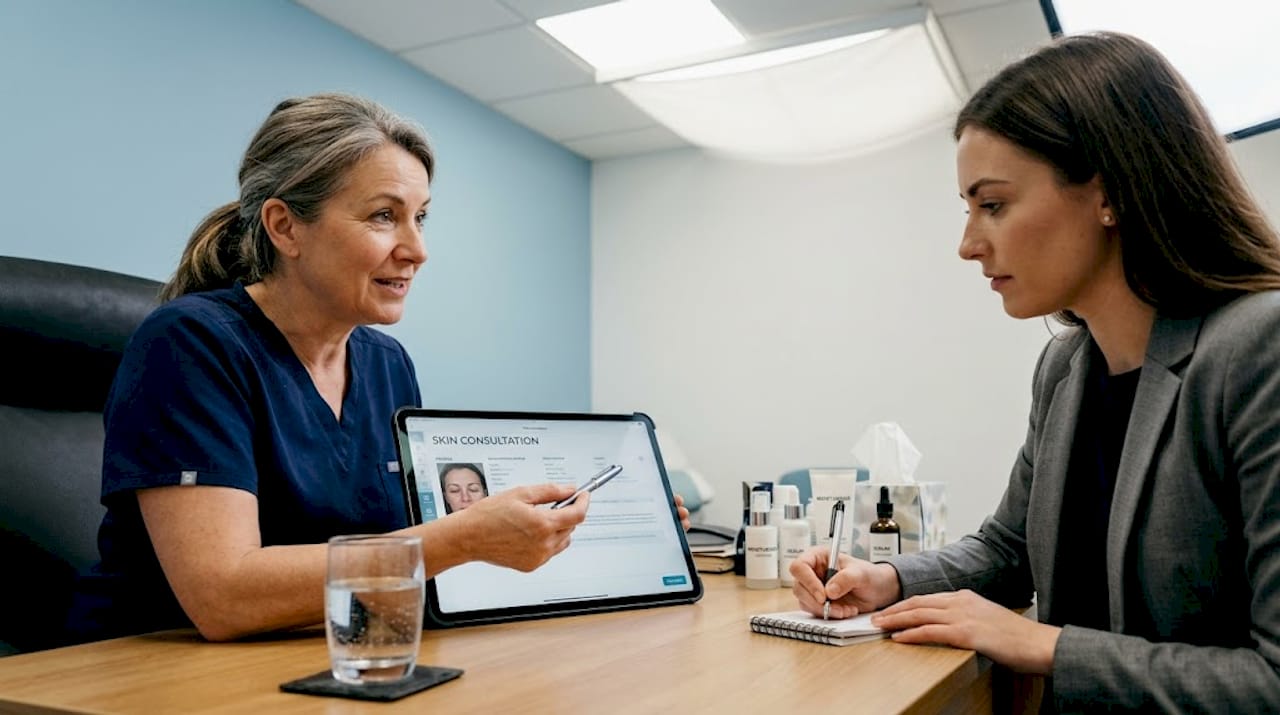
Before your appointment, be transparent with your practitioner about everything relevant to your health. This includes current medications (particularly anticoagulants and immunosuppressants), known allergies, any past aesthetic treatments, and recent cosmetic procedures. Certain medications can increase bruising risk or alter treatment outcomes significantly.
Essential preparation steps:
- Book an in-depth consultation at least two weeks before your first procedure
- Disclose all medications, supplements, and skincare actives (especially retinoids and AHAs)
- Pause high-dose vitamin E and omega supplements ten days prior to injectable treatments
- Avoid alcohol for 48 hours before and after sessions to reduce bruising
- Schedule treatments away from important social events by at least one week
- Begin a simple, barrier-supportive skincare routine in the four weeks prior
- Confirm whether a patch test is required for your chosen procedure
Guidance on safe preparation for fillers and understanding personalised filler choices are both valuable resources for first-time clients navigating their options.
Pro Tip: Start a skin journal two to three weeks before treatment. Photograph your skin in natural light each morning and note any changes in texture, hydration, or breakouts. This baseline record becomes invaluable for comparing post-treatment progress objectively.
One reality that catches some clients off guard is the timeline commitment. Yearly maintenance is required for optimal results with PN and RFMN protocols. Building this into your annual calendar from the outset, rather than treating it as a one-off, sets you up for genuinely sustained results.
Step-by-step: non-invasive treatments for exceptional glow
With preparation in place, the treatment journey itself follows a clear, evidence-backed sequence. Each modality targets a different layer of the skin, which is why combining them delivers superior results to any single treatment used in isolation.
The most effective non-invasive treatments for radiant skin:
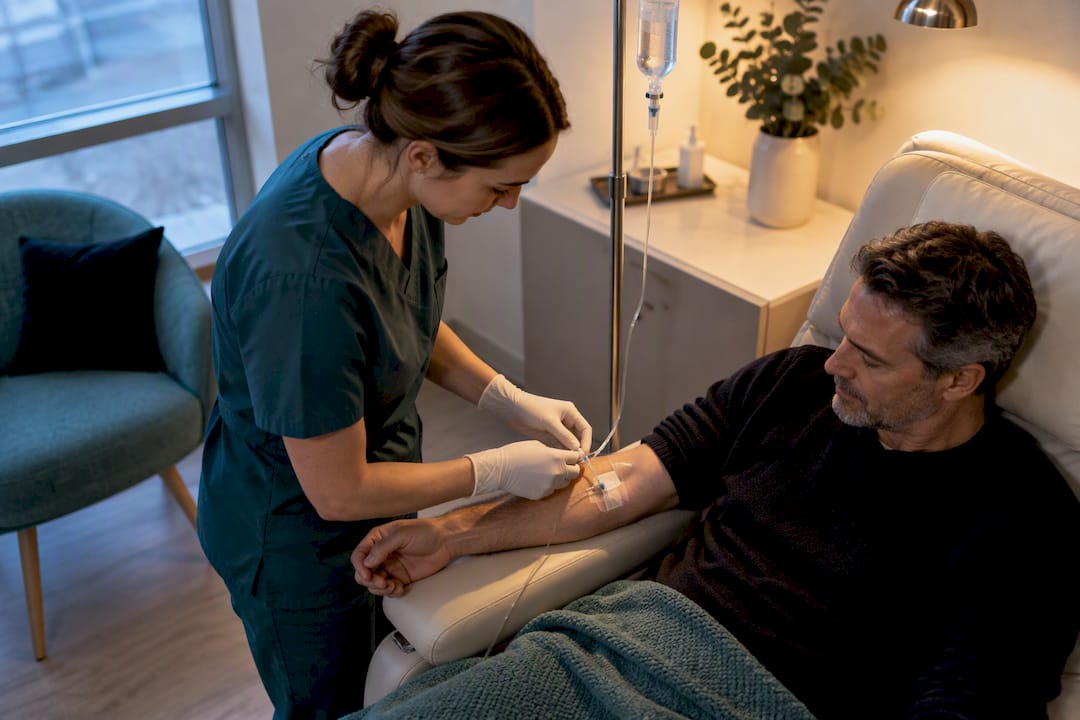
- Polynucleotides (PN): Injected into the dermis, PN stimulates fibroblasts, boosts hyaluronic acid production, and repairs cellular damage. Ideal for clients whose primary concern is dullness, crepey texture, or loss of elasticity.
- Radiofrequency Microneedling (RFMN): Combines the collagen-stimulating effect of microneedling with radiofrequency energy delivered at precise depths. RFMN offers deeper stimulation than standard microneedling or Hydrafacial, making it the gold standard for skin tightening and textural refinement.
- Advanced dermal fillers: Hyaluronic acid fillers restore lost volume and improve facial contours. When used alongside PN, they create both structural lift and biological renewal.
- Hydrafacial: An excellent preparatory and maintenance treatment that combines cleansing, exfoliation, extraction, and hydration in a single session with zero downtime.
| Treatment | Best for | Sessions needed | Recovery time |
|---|---|---|---|
| Polynucleotides (PN) | Hydration, elasticity, cellular repair | 3 sessions, 4 to 6 weeks apart | Minimal: 24 to 48 hours mild redness |
| RFMN | Collagen stimulation, skin tightening | 3 sessions, 4 to 6 weeks apart | 2 to 5 days mild swelling |
| Dermal fillers | Volume restoration, contouring | 1 to 2 sessions | Minimal: 24 to 72 hours |
| Hydrafacial | Surface hydration, brightness | Monthly | None |
Expect the full sequence to span three sessions over four to six weeks for optimum results, with visible improvements emerging from the second session onward. Learning about the impact of lasers in skincare and exploring non-surgical skin enhancement options can help you refine your plan further with your practitioner.
Most clients describe RFMN as a warm, tingling sensation with topical numbing applied. Hydrafacial is entirely comfortable. PN injections involve mild pressure. Downtime is manageable for working professionals, with most clients returning to office life within 48 hours.
Sustaining and verifying your results
With your course of advanced treatments complete, protecting and monitoring your glow is the final step. Results from PN and RFMN continue to improve for up to three months after the final session as collagen remodelling progresses. Knowing what to expect prevents premature judgements and helps you stay consistent.
Post-treatment essentials:
- Apply a broad-spectrum SPF 50 every morning without exception
- Use a hyaluronic acid serum morning and evening to support dermal hydration
- Incorporate antioxidant-rich nutrition: vitamin C, polyphenols, and omega-3 fatty acids
- Avoid intensive heat (saunas, hot yoga) for one week after injectable treatments
- Schedule maintenance top-ups as advised by your practitioner
- Maintenance yearly is recommended for long-lasting glow after multi-session protocols
Track your progress using the same photography method you established before treatment. Natural light, same time of day, no filters. Compare images at weeks two, four, eight, and twelve. Changes in pore size, skin tone evenness, and surface texture are the clearest early indicators of success. For natural looking filler maintenance, understanding optimal top-up timing is equally important.
Pro Tip: Schedule your annual review appointment at the same time as your six-month check. This creates a reliable rhythm and means your practitioner can adjust your protocol as your skin evolves with the seasons or life changes.
Identifying over-treatment is just as important as recognising progress. If skin feels persistently sensitised, looks inflamed beyond the expected recovery window, or results look unnatural, that is a clear signal to pause and reassess.
Safety note: Always consult with a qualified, CQC-accredited professional if results or reactions do not align with your expectations. Never attempt to accelerate timelines by increasing session frequency without clinical guidance.
Our expert perspective: why personalised protocol matters more than ever
There is a persistent myth in the aesthetic industry: that the latest trending treatment is the most effective one. We see clients arrive having requested a specific procedure they read about online, only to discover on assessment that it addresses the wrong layer of skin for their actual concern.
London’s urban environment creates a genuinely distinct skin profile. The combination of hard water, pollution, indoor heating, and high stress means that a protocol designed for a client in a rural environment will not necessarily translate. Effective glow requires mapping the correct treatment to the correct skin deficit at the correct depth.
“The most radiant results we achieve are never from a single treatment. They come from understanding each client’s biology, environment, and timeline, then building a protocol that works with all three.”
This is why we advocate strongly for bespoke facial filler solutions over trend-driven choices. When you demand a personalised assessment rather than a popular package, you get results that last, look natural, and genuinely improve your skin’s health rather than simply masking its concerns.
Next steps: advanced glowing skin solutions at The Aesthetics Room
If this guide has clarified what genuinely drives radiant skin, the next step is straightforward: a personalised consultation with our expert practitioners at The Aesthetics Room in Knightsbridge.

We offer an extensive range of dermal fillers treatments, advanced PN protocols, RFMN, and Hydrafacial programmes, all delivered within a CQC-accredited clinic. Our skin rejuvenation expert guide is a useful companion for clients who want to explore further before booking. Ready to take action? Our skin rejuvenation workflow sets out exactly how we design and deliver your bespoke plan from consultation through to your final maintenance session. Book your consultation today and take the first step towards lasting luminosity.
Frequently asked questions
How long does it take to see results from non-invasive glowing skin treatments?
Most clients notice visible improvements in glow and smoothness within two to four weeks of starting a series. Peak results follow 3 sessions of PN or RFMN, each spaced four to six weeks apart.
Which treatment is best for deep hydration and elasticity?
Polynucleotide (PN) protocols provide superior results for both qualities. PN is superior to HA fillers for hydration and elasticity, making it the preferred choice for clients with dehydrated or lax skin.
Is there any downtime with modern glowing skin treatments?
Downtime is minimal across most advanced procedures. Modern RFMN protocols have low downtime, with mild redness typically resolving within 24 to 48 hours, and Hydrafacial requires none at all.
How often should maintenance sessions be booked?
Annual maintenance is the clinical benchmark for sustained glow and elasticity. Maintenance yearly is recommended to retain the structural and hydration benefits achieved through advanced multi-session protocols.
Recommended
- 7 Expert Professional Skin Treatment Tips for Radiant Results – The Aesthetics Room
- Medispa facials guide: radiant skin and wellbeing 2026 – The Aesthetics Room
- Skin profiling guide: unlock radiant, tailored skin – The Aesthetics Room
- Master your at-home skincare workflow for radiant skin – The Aesthetics Room