
Swelling after an aesthetic procedure can be unsettling, especially when you have chosen treatment to look more refreshed, refined or contoured. So, does lymphatic drainage reduce swelling? In the right circumstances, it may help the body move excess fluid away from an area of temporary congestion, supporting comfort and recovery. It is not, however, a universal answer to every form of swelling, nor a substitute for medical assessment when something does not feel right.
At a premium medical aesthetics clinic, the question is never simply whether a treatment is popular. It is whether it is appropriate for your procedure, your stage of recovery and your individual health profile. That distinction protects both your wellbeing and the quality of your eventual result.
What lymphatic drainage is designed to do
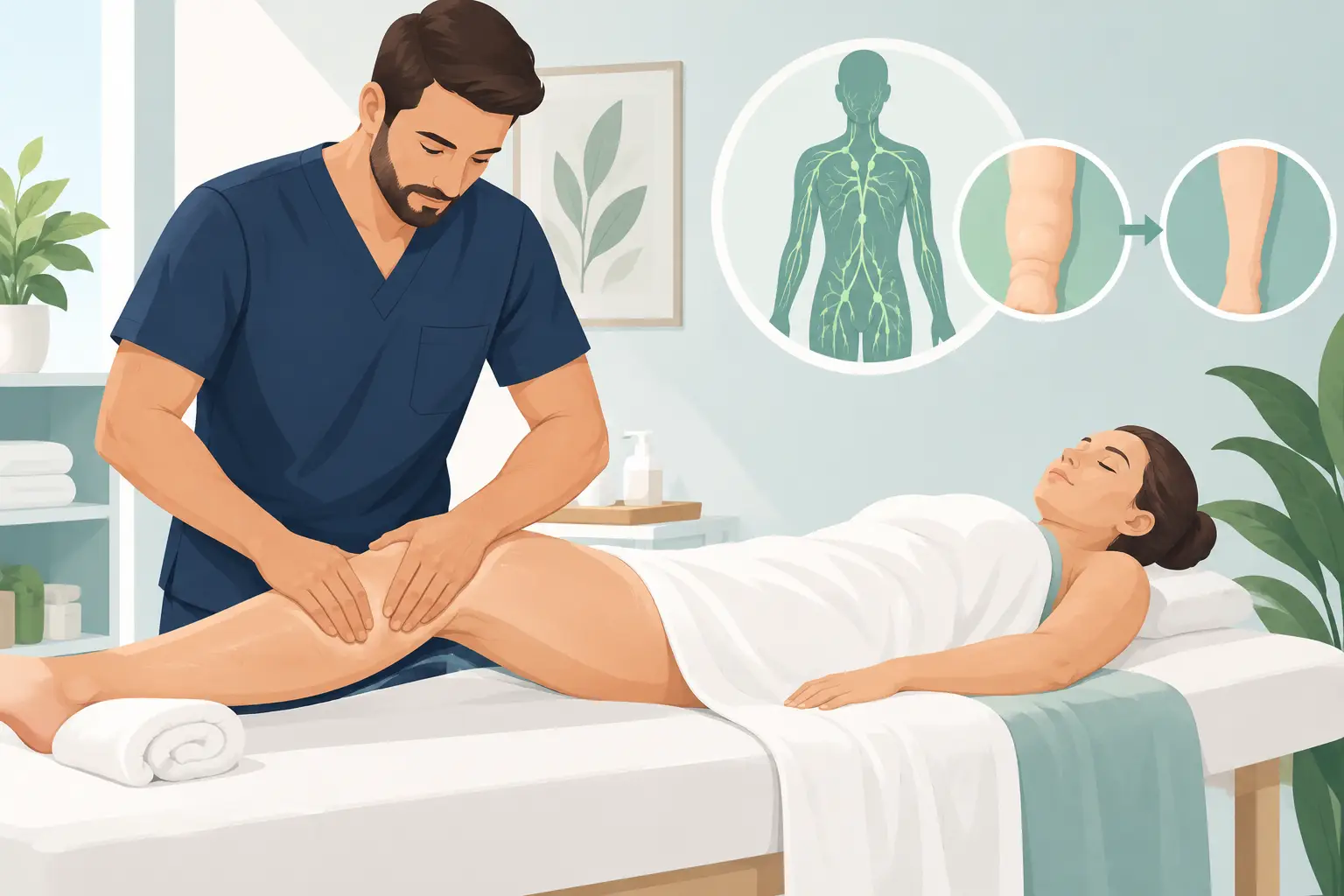
The lymphatic system is part of the body’s natural fluid-management and immune system. It collects excess fluid, proteins and waste products from tissues, then transports them through lymph vessels and lymph nodes. Unlike the circulatory system, it does not have a central pump such as the heart. Its movement is supported by breathing, gentle muscle activity and the natural contraction of lymph vessels.
Manual lymphatic drainage uses light, rhythmic, purposeful movements intended to encourage this flow. It is very different from a deep-tissue massage. Pressure should be gentle: heavy or aggressive massage can irritate sensitive tissues and may be inappropriate after injectable, surgical or body-contouring treatments.
When delivered at the correct time and with suitable technique, lymphatic drainage may help reduce the feeling of puffiness or tightness associated with fluid retention. Some clients also find it promotes a greater sense of comfort while their body settles.
Does lymphatic drainage reduce swelling after aesthetic treatments?
Often, it can support the reduction of temporary, fluid-related swelling, but the answer depends on the treatment and the cause of the swelling. Following some procedures, the body creates inflammation as a normal part of healing. That response cannot, and should not, be rushed away entirely. Early swelling can protect injured tissue and is a predictable stage of recovery.
Lymphatic drainage may be considered once it is clinically suitable to do so, particularly where there is mild fluid retention or post-treatment congestion. It is commonly discussed after certain body treatments and, in some cases, as part of a carefully directed post-operative recovery plan. The goal is not to force a dramatic change overnight. It is to support the body’s own processes without disturbing healing tissue.
For facial treatments, timing matters greatly. After anti-wrinkle injections, dermal filler or skin procedures, unnecessary massage may alter the intended result or aggravate the area. If you are considering lymphatic drainage after any injectable treatment, always seek advice from the practitioner who treated you before booking a session.
Swelling, inflammation and oedema are not interchangeable
People often use the word swelling to describe several different things. A little morning puffiness after a poor night’s sleep is not the same as post-procedure inflammation. Similarly, chronic oedema caused by a health condition requires a very different approach from temporary fluid retention after travelling, a salty meal or a body-contouring appointment.
This is why a tailored assessment matters. Lymphatic drainage may be useful for certain concerns, but it cannot correct every underlying cause. It does not dissolve fat, replace a healthy recovery plan or treat an infection, allergic reaction or blood clot.
When it may be a helpful addition
A practitioner may recommend lymphatic drainage when there is a clear, suitable reason to support fluid movement and the tissue has reached an appropriate stage of healing. It can be particularly appealing to clients who feel puffy or heavy and want a measured, non-invasive addition to their wellbeing or aesthetic plan.
The best outcomes tend to come from realistic expectations. You may notice that an area feels less tight or looks less temporarily bloated, but results vary according to your treatment, natural anatomy, hydration, activity levels and the degree of swelling present. One session can feel beneficial, while a planned course may be more appropriate for some people. Neither should be presented as a guarantee.
Lymphatic drainage is most effective when viewed as one part of considered aftercare. Sensible hydration, gentle movement when permitted, following your clinician’s instructions and allowing enough time to heal all play a role. Depending on your procedure, your practitioner may also advise specific garments, sleeping positions or restrictions on exercise, heat and alcohol.
When lymphatic drainage should wait
The desire to recover quickly is understandable, but there are times when treatment should be delayed or avoided. Freshly treated areas, significant bruising, open wounds and active inflammation all need proper clinical consideration. The same applies if you have a complex medical history or a known condition affecting your circulation, heart, kidneys or lymphatic system.
Lymphatic drainage may not be suitable for people with an active infection, unexplained swelling, suspected thrombosis, uncontrolled heart failure or certain cancers without clearance from their medical team. A trained practitioner will ask about these factors rather than treating puffiness as a purely cosmetic concern.
Do not try to massage concerning swelling at home. Seek urgent medical advice if swelling is sudden, one-sided, severe or worsening, or if it occurs alongside pain, redness, heat, shortness of breath, chest pain, fever, a rash, visual changes or skin discolouration. These symptoms need assessment, not a wellness treatment.
What a professional treatment feels like
A properly performed session should feel calm and light rather than intense. Your practitioner may begin near key lymphatic regions before working gradually around the area of concern. The approach is designed around anatomy and drainage pathways, not a generic sequence borrowed from social media.
You may be advised to drink water as normal, wear comfortable clothing and avoid scheduling a session too close to a procedure unless your treating clinician has specifically approved it. There can be a temporary increase in the need to pass urine, but this is not a measure of detoxification or proof that a treatment has removed toxins. The value lies in gentle support for normal fluid movement, delivered safely and appropriately.
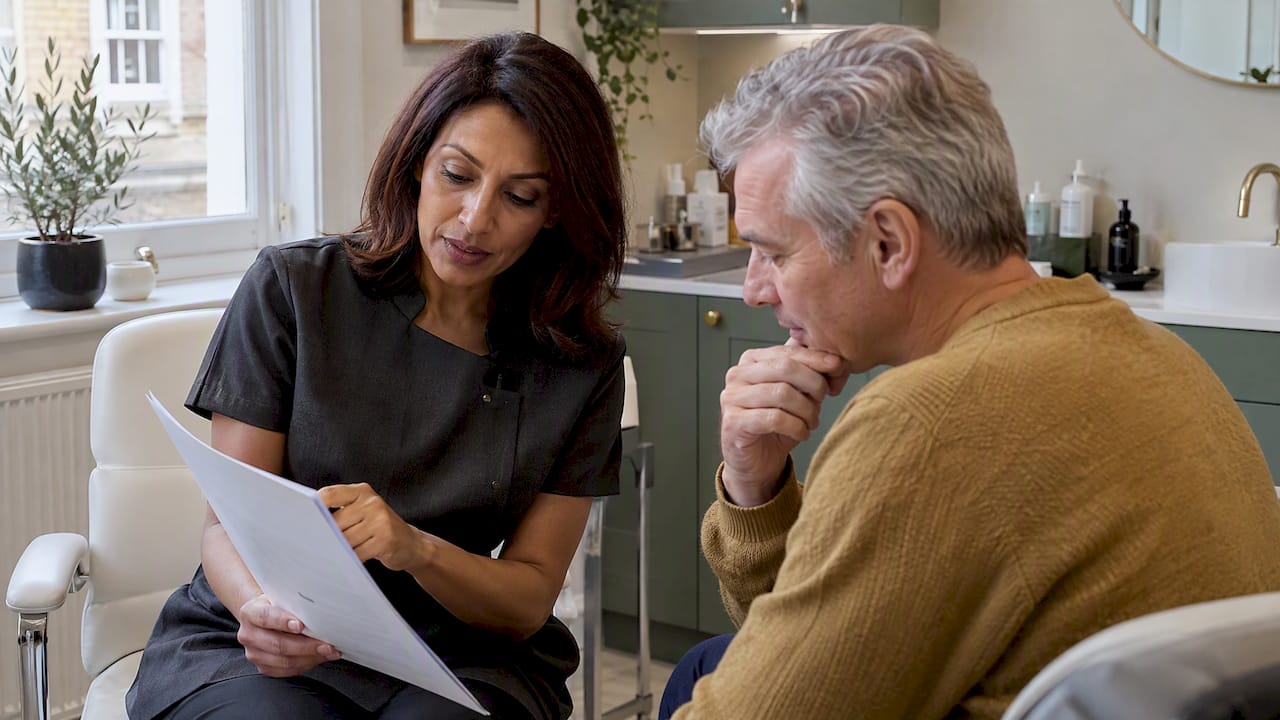
At The Aesthetics Room, any recommendation should begin with listening: what treatment you have had, when you had it, how your recovery is progressing and what outcome you hope to achieve. That enables a bespoke plan rather than a one-size-fits-all approach.
Choosing the right practitioner matters
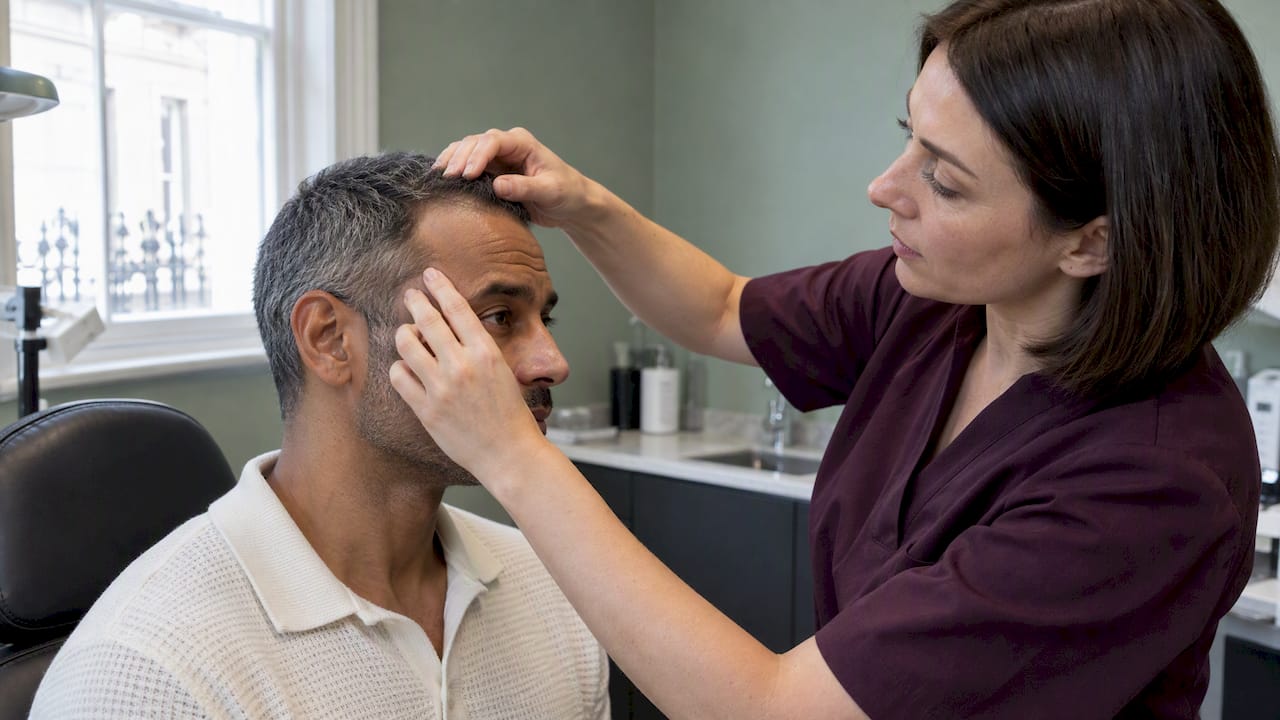
Post-treatment bodies are not the place for aggressive techniques or assumptions. Choose a practitioner who understands the difference between cosmetic puffiness, expected recovery and symptoms requiring referral. They should be willing to say no, postpone treatment or contact your treating clinician where necessary.
Ask how the practitioner adapts treatment after injectables, skin procedures or body-contouring treatments. A credible provider will explain what they can do, what they cannot promise and when a medical review is the safer next step. The experience should feel considered and reassuring, not rushed or sales-led.
A note on results and timing
If you are planning an important event, build in time. Swelling after aesthetic treatment is often temporary, but every person’s response is different. Booking a procedure or drainage session at the last minute can create unnecessary pressure and may not allow enough time for the final result to settle naturally.
The most polished results come from patience as much as preparation. If swelling is mild and your clinician confirms that lymphatic drainage is suitable, it can be a thoughtful part of recovery. If there is any uncertainty, choosing assessment first is always the more confident decision.