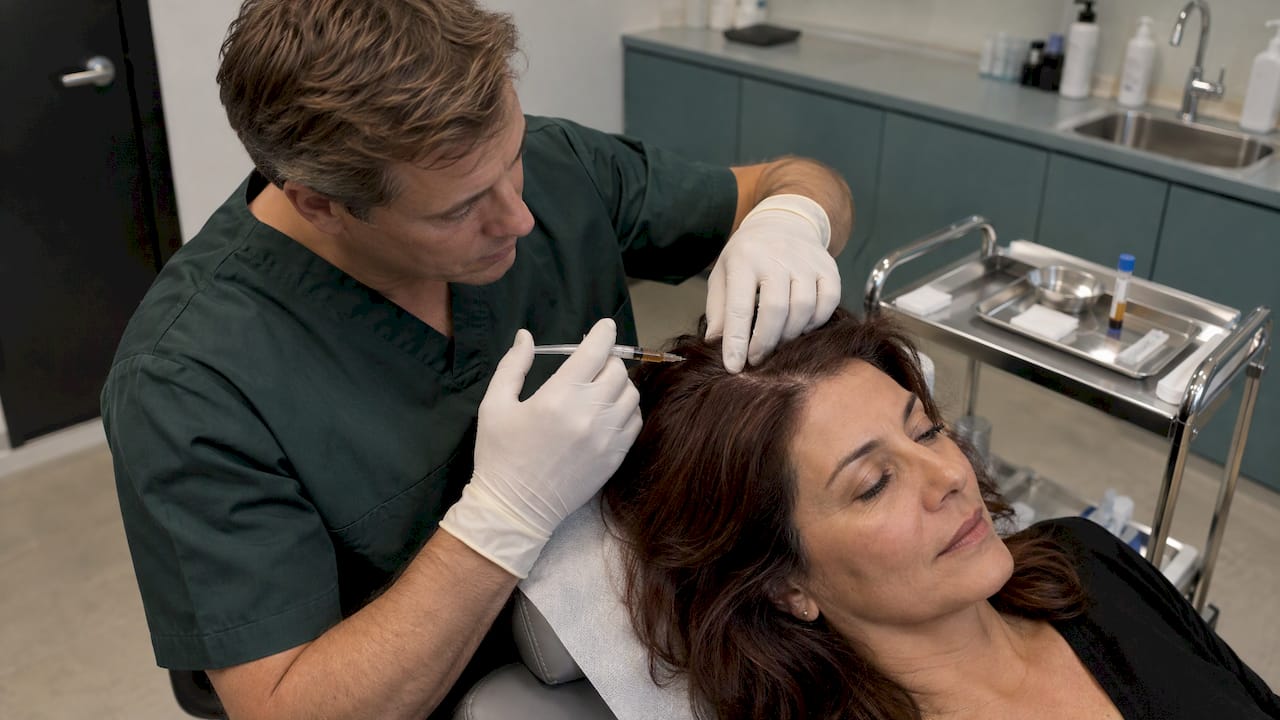

A fresher, more rested appearance should never come at the expense of your wellbeing. So, are anti wrinkle injections safe? When they are prescribed appropriately, administered by a qualified and experienced medical professional, and tailored to the individual, they have a strong safety profile. The treatment itself is only one part of the equation. Your medical history, facial anatomy, product choice, dose, injection technique and aftercare all matter.
At a premium medical aesthetics clinic, safety begins long before an appointment in the treatment room. It begins with a proper conversation about what you would like to achieve, whether the treatment is suitable for you, and how to create a result that still looks like you.
Are anti wrinkle injections safe when performed professionally?
Anti-wrinkle injections use a prescription-only medicine that temporarily relaxes selected muscles. In aesthetic practice, this can soften expression lines such as frown lines, forehead lines and crow’s feet. By reducing repeated muscle movement, the skin above those muscles can appear smoother and more relaxed.
No injectable treatment is entirely without risk. However, serious complications are uncommon when treatment is carried out by a properly trained practitioner who understands facial anatomy, uses licensed products from legitimate sources and works within a thorough clinical protocol.
The difference between a considered treatment and a rushed appointment can be significant. A skilled practitioner assesses how your face moves at rest and in expression, considers facial balance, and selects conservative doses and precise placement. This protects both your safety and the natural quality of the result.
It also means recognising when not to treat. A responsible consultation is not a sales exercise. If anti-wrinkle injections are unlikely to address your concern, or if they are not appropriate for your health circumstances, you should be given clear, honest advice.
What makes treatment safer?
Safety depends on more than the product in the syringe. It depends on the clinical standards around it.
A detailed medical consultation
Before treatment, your practitioner should ask about your medical history, allergies, current medicines and previous aesthetic procedures. They should also discuss whether you are pregnant, breastfeeding, have a neurological condition, are unwell, or have an infection or inflammation at the intended injection site. These details can affect whether treatment should be postponed or avoided.
A good consultation also explores your expectations. Anti-wrinkle injections can soften movement-related lines, but they may not fully remove deeper etched lines, skin laxity or volume loss. Treating the wrong concern can lead to unnecessary treatment and disappointment, even where the injections themselves have been administered correctly.
The right practitioner and setting
Choose a practitioner with relevant medical training, appropriate insurance, a clear prescribing process and demonstrable experience in facial injectables. They should be willing to explain their qualifications, the product being used, possible side effects and what will happen if you need advice after treatment.
A clinical, hygienic environment matters too. Proper record keeping, consent, product traceability and emergency procedures are signals of a professional service. In London, where there is no shortage of aesthetic providers, credentials and clinical standards should carry far more weight than a discounted price or a convenient appointment slot.
A bespoke, conservative approach
More product does not equal a better outcome. The aim is usually to retain enough movement for your face to look expressive and balanced while reducing the lines that concern you. Starting conservatively is particularly valuable for first-time patients. It allows your practitioner to review how you respond and make small, informed adjustments where appropriate.
Your facial structure, muscle strength, age, skin quality and desired look will influence the plan. Someone seeking subtle prevention in their late twenties will usually need a different approach from someone wanting to soften established lines in their fifties. One size does not fit all.
Expected side effects and less common risks
Most side effects are mild and short-lived. You may notice small raised bumps immediately after injection, minor redness, tenderness, a headache, bruising or slight swelling. These usually settle quickly, although bruising can last longer and may be more likely if you take certain medicines or supplements.
Occasionally, the medicine can affect a nearby muscle and create a temporary unwanted change, such as a heavy feeling in the brow area or eyelid droop. This is uncommon, but it is one reason anatomical knowledge and careful placement are so valuable. These effects generally improve as the treatment gradually wears off, though they can take several weeks to resolve.
Rare but more serious reactions require prompt medical advice. Seek urgent help if you experience symptoms such as difficulty breathing, swallowing or speaking, widespread weakness, a severe allergic reaction, or significant visual disturbance. Your practitioner should give you clear aftercare information and a route to contact them if you are concerned.
Be open about any medication, supplement or health change, even if it seems unrelated. A safe practitioner would always rather have more information before treating than discover a relevant detail afterwards.
How to prepare for a safe appointment
Arrive with a clear idea of what you would like to improve, but be ready to hear whether injections are the best route. Photographs from when you felt particularly confident can help communicate your preferences, especially if your aim is subtle refinement rather than a dramatic change.
Avoid booking immediately before an important event if you can. Although downtime is minimal for most people, there is still a possibility of bruising or swelling. It is sensible to allow at least two weeks before a wedding, major presentation or holiday, as results also take time to develop.
Follow the pre-treatment guidance provided by your practitioner. Depending on your circumstances, this may include discussing medicines or supplements that can increase bruising. Do not stop prescribed medication without advice from the clinician who manages it.
After treatment, follow your clinic’s instructions carefully. You may be advised to avoid rubbing or massaging the treated areas, strenuous exercise, heat exposure and lying flat for a short period. Guidance can vary, so your own practitioner’s advice should take priority over generic recommendations found online.
When anti-wrinkle injections may not be right for you
Anti-wrinkle injections are not suitable for everyone or every aesthetic concern. Treatment is usually deferred during pregnancy and breastfeeding, and it may be unsuitable for people with certain neurological or neuromuscular conditions, an active skin infection in the treatment area, or a known allergy to ingredients in the product.
There is also an emotional side to suitability. If you feel pressured by social media trends, a partner’s opinion or a looming event, pause before booking. The best treatments come from a considered personal decision, realistic expectations and a practitioner who respects your boundaries.
For some patients, skin quality treatments, professional skincare, dermal filler, or a broader skin optimisation plan may be more appropriate than relaxing facial muscles alone. Often, the most polished results come from addressing the underlying cause of the concern rather than repeatedly treating a single line.
Questions worth asking at your consultation
You should feel comfortable asking who will prescribe and administer your treatment, what product is being used, what experience the practitioner has with your chosen area, and how they would manage a complication. Ask what result is realistic for your facial anatomy, when you should expect to see it and whether a review appointment is included.
Pay attention to the quality of the answers. Clear explanations, careful assessment and a willingness to say no are reassuring signs. Pressure to have more areas treated, vague promises or reluctance to discuss risks should give you pause.
At The Aesthetics Room, a bespoke consultation is designed to place patient wellbeing and natural-looking results first. That means creating a plan around your features, concerns and lifestyle, rather than applying a standard pattern of injections to every face.
The safest decision is rarely the quickest one. Give yourself the space to choose a practitioner whose clinical standards, judgement and aesthetic eye make you feel genuinely confident before treatment begins.