

A beautifully considered facial harmonisation treatment plan does not begin with a request for fuller lips, sharper cheeks or a smoother forehead. It begins with proportion. The most polished results come from understanding how your features work together, what has changed over time and, crucially, what you would like to preserve.
Facial harmonisation is often misunderstood as a dramatic transformation. In skilled hands, it is usually the opposite: a measured, consultation-led approach to improving balance, restoring support and enhancing the features that already make your face recognisably yours. The aim is to look refreshed, well and confident – not noticeably treated.
What Is a Facial Harmonisation Treatment Plan?
A facial harmonisation treatment plan is a bespoke combination of non-surgical treatments selected to improve overall facial balance. Rather than treating one concern in isolation, your practitioner considers the relationship between the forehead, eyes, cheeks, nose, lips, chin, jawline and skin quality.
For example, a client concerned about a less-defined jawline may not necessarily need treatment directly in the jaw. Reduced mid-face support, changes in chin projection or skin laxity can all affect the way the lower face appears. Equally, lip enhancement may look more elegant when it is planned alongside the proportions of the chin, nose and surrounding skin, rather than simply adding volume.
This is why a treatment plan should never be copied from a photograph, a social media trend or another person’s result. Facial anatomy, ageing patterns, existing volume and aesthetic preferences vary considerably. What looks subtle and balanced on one person may look overdone on another.
Why Assessment Comes Before Treatment
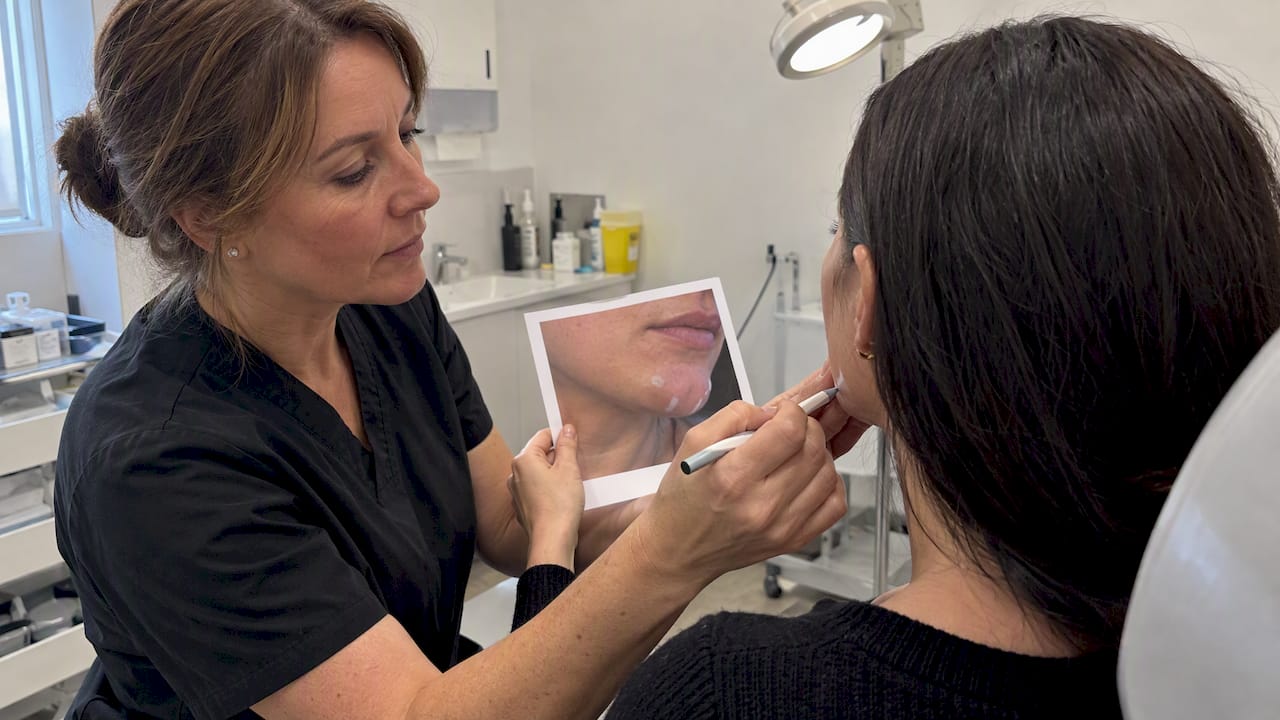
The consultation is where a high-quality plan takes shape. It should be a two-way discussion, not a quick route to a procedure. Your practitioner will listen to the features or changes that concern you, assess your facial proportions and review your medical history, previous treatments and suitability.
At The Aesthetics Room, a bespoke consultation considers both aesthetic goals and patient wellbeing. This means being honest about what is achievable, when a concern may be better addressed with a different treatment, and when no treatment is the right recommendation.
A thoughtful assessment commonly considers facial movement as well as still images. A face that appears symmetrical at rest may behave differently when smiling, speaking or frowning. Muscle activity, skin texture, volume distribution and bone structure all influence the final result.
Your practitioner may also discuss lifestyle factors that affect the skin and face over time, including sun exposure, stress, smoking, sleep, weight changes and hormonal shifts. These details do not make treatment less effective, but they can help set realistic expectations and shape a plan that supports longer-term results.
The Building Blocks of Facial Harmonisation
No two plans are identical, but several treatment categories may be considered depending on your anatomy and goals.
Supporting Shape and Facial Balance
Dermal filler can be used carefully to restore or refine structure in areas such as the cheeks, chin, jawline and lips. In facial harmonisation, the purpose is not automatically to create more volume. It may be to replace lost support, improve profile balance or soften the appearance of shadows and folds.
The amount of product required depends on the area, your existing facial structure and the intended effect. A conservative approach may be particularly appropriate for first-time clients or those seeking a discreet change. Treatment can often be built gradually, allowing time to assess how the face settles before considering further refinement.
Softening Expression Lines
Anti-wrinkle injections may be recommended where repeated muscle movement contributes to lines across the forehead, between the brows or around the eyes. When used with precision, they can soften expression lines while retaining natural movement.
This can be an important part of a harmonisation plan because an overly active upper face can create an impression of tension or fatigue, even where volume and shape are well balanced. The right dosage and placement are highly individual. A frozen result is not the goal.
Improving Skin Quality
Facial balance is not only about contour. Skin that appears hydrated, even and healthy can make a significant difference to how the face reads as a whole. Depending on your concerns, a plan may include targeted skin treatments to support texture, clarity, hydration or a brighter complexion.
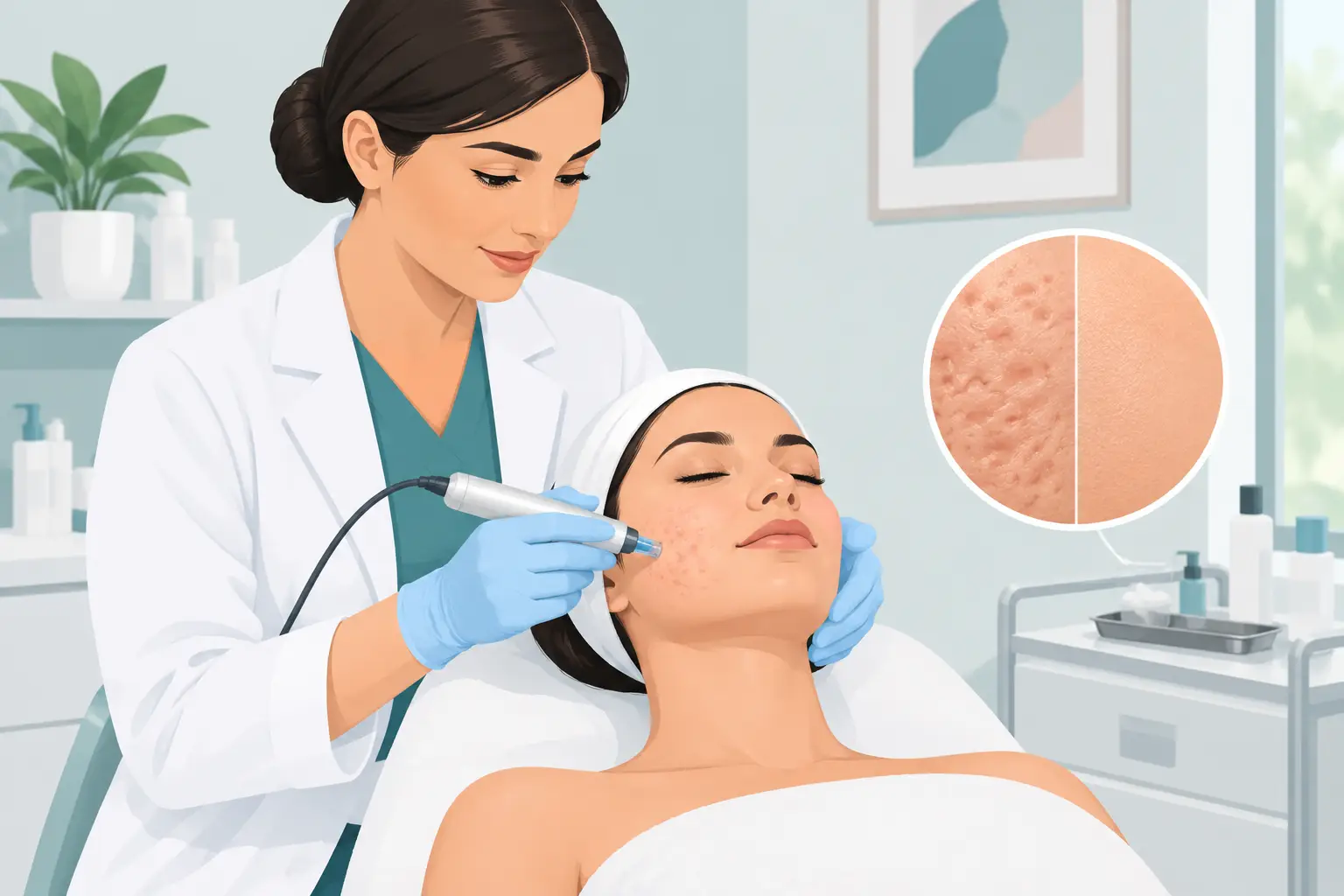
For clients focused on preventative care, skin optimisation may come before injectable treatment. For others, it may run alongside structural treatments to ensure the final result looks refined rather than solely sculpted. This is particularly relevant where dullness, pigmentation, acne scarring or dehydration are drawing attention away from otherwise balanced features.
Considering the Lower Face and Neck
The lower face can change with age, genetics and weight fluctuation. Concerns such as jawline softness, submental fullness or loss of definition may require a plan that looks beyond filler alone. Depending on suitability, options may include fat-dissolving treatment, skin-focused approaches or a staged combination of treatments.
The trade-off is that these concerns rarely have an instant, one-treatment answer. Some treatments require a series of appointments and a period of swelling or recovery. A reputable practitioner should explain this clearly rather than overpromising a quick fix.
Why Staged Treatment Often Produces Better Results
A common mistake is trying to address every concern in one appointment. While this may be appropriate in selected cases, it is not always the most considered route. The face needs time to settle, and your response to treatment provides useful information for the next decision.
A staged facial harmonisation treatment plan may begin with one or two priority areas, followed by a review once results have developed. This approach can protect against overcorrection, distribute investment more sensibly and keep the result aligned with your comfort level.
For instance, restoring mid-face support may alter the appearance of the lower face enough that less treatment is needed elsewhere. Similarly, improving skin quality may change how much contouring a client feels they want. Good planning leaves room for these adjustments.
Safety, Suitability and Natural Results
Non-surgical does not mean risk-free. Injectables and advanced aesthetic treatments should be carried out only after an appropriate medical assessment, with clear discussion of benefits, limitations, side effects and potential complications.
You should feel comfortable asking who will perform your treatment, what qualifications and clinical protocols are in place, what product is being used, and how complications would be managed. Be cautious of fixed-price packages that promise a particular look without a proper consultation, or of providers who agree immediately to every request.
Some people may need to postpone or avoid treatment because of pregnancy or breastfeeding, certain medical conditions, active skin infections, allergies, medications or previous complications. An ethical practitioner will prioritise safety over a booking.
Natural-looking results are also subjective. For one person, that may mean a barely perceptible refresh; for another, it may mean a clearer profile and more defined contours that still suit their features. The key is agreeing on this before treatment, ideally using specific language about what you do and do not want to change.
Preparing for Your Consultation
Come with an open view of the outcome rather than a fixed treatment request. Reference images can help communicate a style you like, but they should be used as a conversation starter, not a template for your face.
Be ready to share your treatment history, including previous fillers, anti-wrinkle injections, skin procedures and any adverse reactions. If you have received filler elsewhere, accurate information about the product and placement matters. It helps your practitioner make safer decisions and avoid treating over existing product without proper consideration.
It is also useful to think about timing. If you have an important event, allow enough time for treatment planning, any swelling or bruising, review appointments and results to settle. Rushing aesthetic treatment for a wedding, holiday or major work event can place unnecessary pressure on the process.
The best facial harmonisation is rarely the work of a single trend or a single appointment. It is a considered clinical conversation about your features, your priorities and the level of change that will make you feel most like yourself. Choose a practitioner who listens carefully, explains the options without pressure and is prepared to take a gradual approach – your confidence deserves that level of care.