

A lower abdomen that remains unchanged despite regular training. Small pockets at the flanks, upper arms or beneath the chin that seem out of proportion with the rest of the body. These are often the concerns behind searches for how to dissolve stubborn body fat. The honest answer is more nuanced than a single treatment or diet plan: long-lasting body confidence comes from identifying what the tissue is, why it is persisting and which approach is appropriate for your health, anatomy and goals.
Stubborn fat is not a sign that you have failed. Genetics, hormones, ageing, stress, sleep, medication and natural fat distribution all influence where the body stores fat and how readily it responds to lifestyle changes. A considered plan can make a meaningful difference, but it should be built around realistic expectations and medical safety rather than quick promises.
What “stubborn” body fat really means
Body fat is essential tissue. It cushions organs, supports hormone production and stores energy. When people describe a stubborn area, they are usually referring to a localised pocket of subcutaneous fat, the soft fat that sits beneath the skin, rather than visceral fat around the internal organs.
Localised fat cells can shrink when you are in a sustained calorie deficit, but the body does not choose to reduce fat from one selected area first. This is why targeted exercise strengthens and shapes the underlying muscles but cannot spot-reduce fat from a particular place. Hundreds of abdominal exercises may improve core strength, for example, while leaving a small lower-abdominal pocket largely unchanged.
Some areas are particularly influenced by inherited body shape and hormonal changes. The abdomen, hips, thighs, bra-line area, upper arms and chin are common examples. Skin laxity, fluid retention and reduced muscle tone can also make an area look fuller, so a careful assessment matters before choosing treatment.
How to dissolve stubborn body fat with a realistic plan
The safest route is to distinguish between overall weight management and contour refinement. They often work together, but they are not interchangeable.
Start with foundations that support fat reduction
If your aim is to reduce overall body fat, nutrition, activity, recovery and consistency remain the basis of progress. A restrictive regime may create rapid early change but can be difficult to sustain and may affect energy, training performance and wellbeing. For many people, a modest, consistent calorie deficit paired with adequate protein, fibre-rich foods and strength training is more effective over time than repeated cycles of deprivation.
Resistance training deserves particular attention. Building or preserving muscle supports a firmer silhouette and helps protect lean tissue during fat loss. Regular walking, cardiovascular exercise and everyday movement contribute to energy expenditure, but they do not need to be punishing to be valuable.
Sleep and stress are equally relevant, especially for busy professionals. Poor sleep can increase hunger, reduce motivation to exercise and make consistent food choices harder. High stress may encourage habitual snacking, reduced activity and fluid retention. These factors do not make fat loss impossible, but they can explain why an otherwise sensible routine has stalled.
If body composition changes unexpectedly, weight gain is rapid, or you experience symptoms such as fatigue, menstrual changes or persistent bloating, seek advice from an appropriate medical professional. There may be an underlying health factor that needs attention before any aesthetic treatment is considered.
Understand where non-surgical treatments fit
Non-surgical body treatments are designed for selected, localised concerns. They are not a replacement for weight-loss care, nor are they a suitable way to treat obesity. Their role is to refine a contour that remains after someone has established a stable, healthy lifestyle or reached a weight at which they feel well.
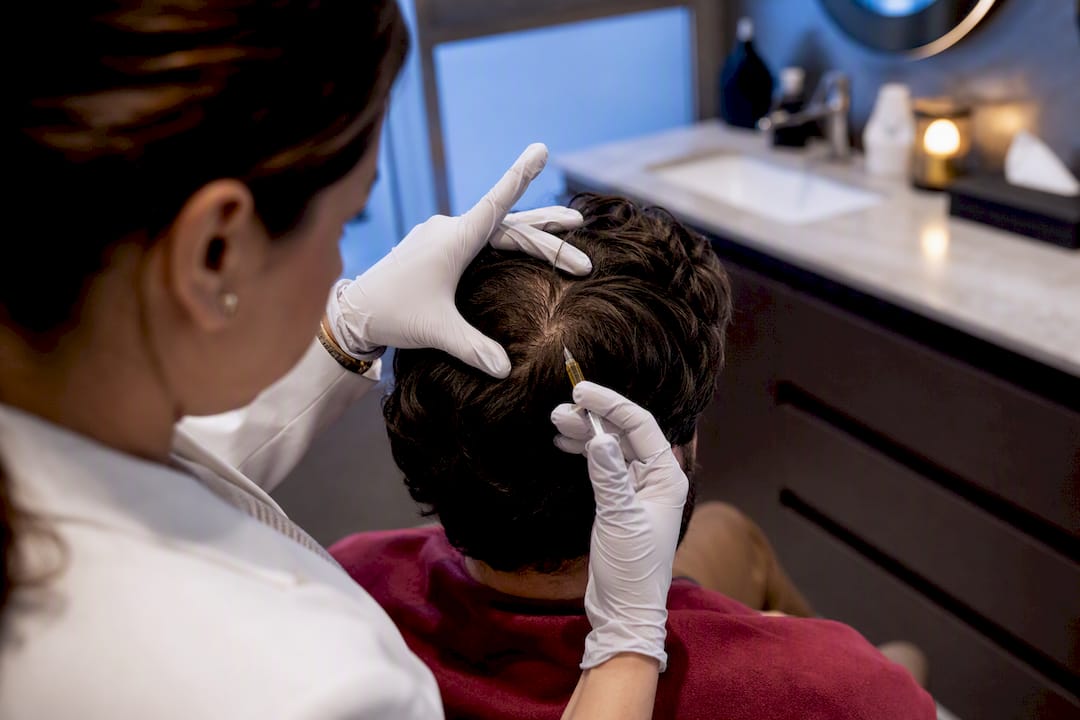
Fat-dissolving treatments use carefully selected injectable products to target small deposits of fat in appropriate areas. The treatment causes a localised inflammatory response that allows the body to process disrupted fat cells gradually. Results develop over weeks rather than overnight, and a course of treatment may be advised depending on the size of the area, the product used and your individual response.
This approach can be particularly appealing where a small pocket is disproportionate to the rest of the body. However, it is not suitable for every area or every patient. The quality and laxity of the skin, amount of fat, medical history and desired outcome all influence whether it is the right choice.
Technologies that support muscle sculpting, fat burning or lymphatic drainage may also have a place within a wider body-contouring plan. Muscle-focused treatments can complement a disciplined training routine for selected patients, while lymphatic drainage can be helpful where temporary fluid retention contributes to puffiness. Neither should be presented as a substitute for healthy habits or as a guaranteed method of permanent weight loss.
Why a consultation protects both your results and wellbeing
It can be tempting to book the treatment that appears most popular online. Yet body contouring is an area where the wrong choice can lead to disappointment, unnecessary expense or avoidable risk. A thorough consultation should explore more than the area you would like to change.
A trained practitioner will assess the distribution and thickness of the tissue, skin quality, muscle definition and signs of fluid retention. They should also ask about your medical history, current medication, allergies, previous procedures and expectations. For some patients, lifestyle support is the best first step. For others, a targeted treatment plan may offer a sensible finishing touch.
A responsible consultation also includes an open discussion of limitations. Non-surgical treatments can improve contour and help certain areas look more balanced, but they do not create surgical-level change. They cannot guarantee a specific clothing size, remove large volumes of fat or compensate for substantial weight fluctuations afterwards.
Medical oversight is especially important with injectable fat-dissolving treatments. Suitability must be assessed carefully, and products should be administered by appropriately trained professionals in a clinical setting with clear aftercare arrangements. Never assume that a low price, social media promotion or before-and-after photograph is evidence of safe practice.
What to expect from fat-dissolving treatment
Once a bespoke plan is agreed, your practitioner will explain the treatment area, likely number of sessions, anticipated downtime and aftercare. Photos and measurements may be used to document progress objectively, as gradual changes can be easy to overlook day to day.
Swelling, tenderness, redness, bruising and firmness can occur following injectable treatment. In areas such as the chin, swelling may be more noticeable for several days. The degree and duration vary between individuals and treatment areas, so it is wise to schedule appointments with social commitments, travel and work presentations in mind.
The body needs time to respond. Patience is part of the process, and maintaining stable habits during this period gives you the clearest view of the result. If you gain weight later, remaining fat cells can enlarge, which may alter the contour again even where treated cells have been reduced.
Avoid practitioners who promise permanent, dramatic results with no swelling, no downtime and no need for assessment. A premium treatment experience should feel calm and discreet, but it should never minimise the clinical nature of a procedure.
Choosing the right goal for your body
The most satisfying outcomes tend to come from a precise goal rather than a vague wish to be thinner. You might want a smoother line through a tailored dress, a more defined jawline in photographs or greater confidence in fitted gymwear. These are useful starting points because they allow a practitioner to assess what may be achievable and whether skin, fat, muscle or fluid is the main concern.
For some people, a targeted fat-dissolving treatment will be appropriate. For others, muscle sculpting, lymphatic drainage, a nutrition-led approach or simply allowing more time for lifestyle changes will be the more effective recommendation. A clinic that says no to an unsuitable treatment is protecting your outcome, not limiting your options.
At The Aesthetics Room, a consultation-led approach means your concerns are assessed with the same care as your desired result. The aim is not to chase an unrealistic ideal, but to create a plan that respects your health, proportions and confidence. The right next step is a thoughtful assessment, followed by treatment only when it genuinely serves you.