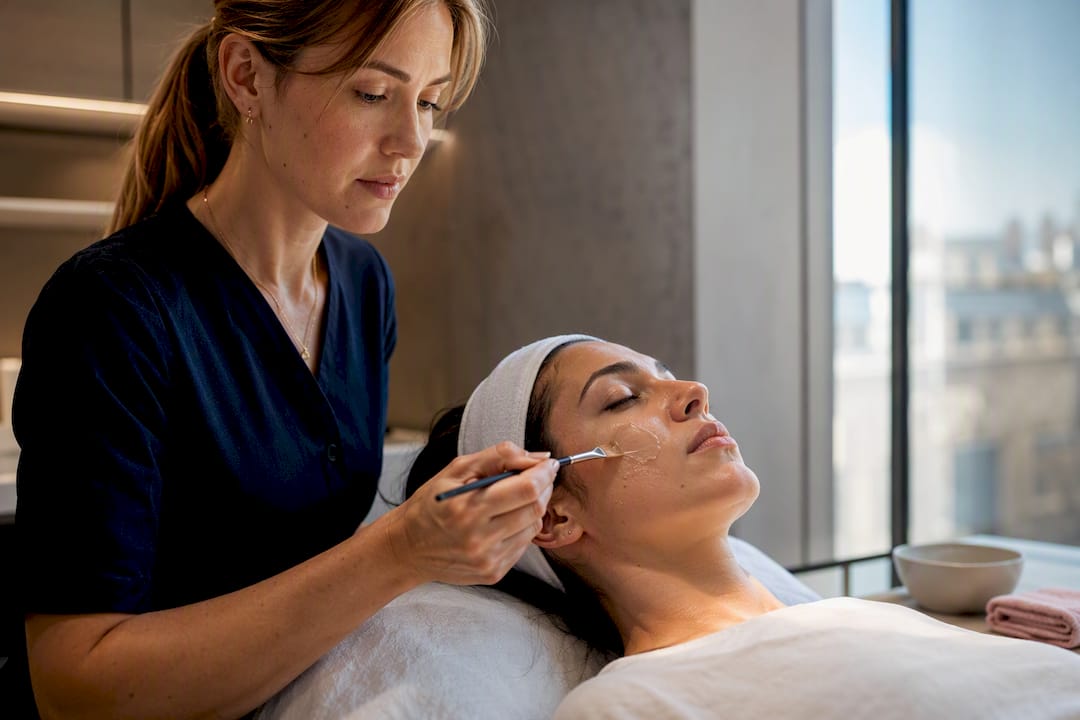
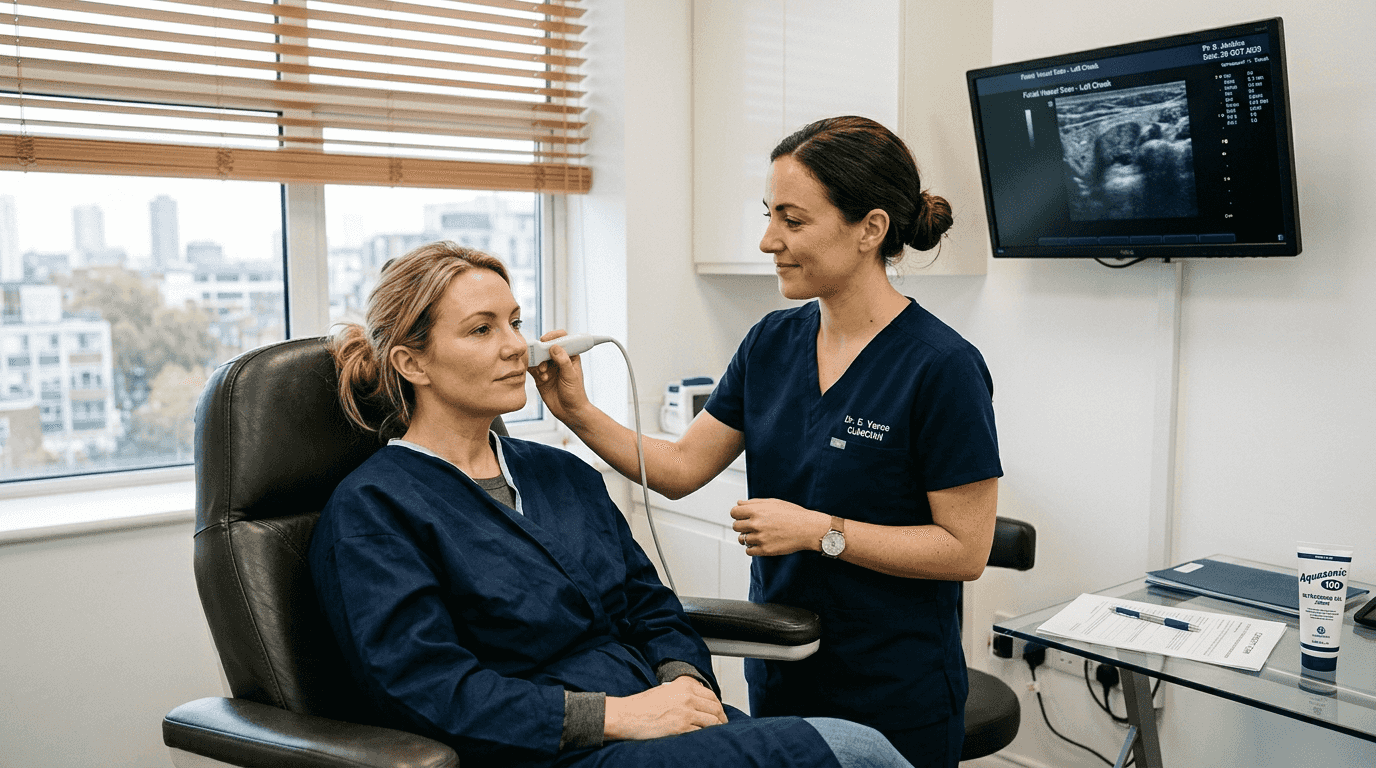

Most people associate ultrasound with pregnancy scans or diagnostic imaging, yet this versatile technology now plays a transformative role in luxury aesthetic treatments. Clinics across London increasingly use ultrasound to enhance safety, precision, and personalisation during non-invasive procedures like dermal fillers and Botox. This article explores how ultrasound works in aesthetics, why it matters for your safety, and what benefits you gain from choosing ultrasound-guided treatments. You’ll discover practical insights into how this technology elevates modern aesthetic care.
Table of Contents
- How Ultrasound Technology Works In Aesthetic Treatments
- Enhancing Safety And Precision With Ultrasound In Injectable Treatments
- Comparing Ultrasound With Traditional Assessment Methods In Aesthetics
- Using Ultrasound For Complication Management And Personalised Aesthetic Care
- The Future Of Ultrasound In Luxury Aesthetic Treatments In London
- Explore Expert Ultrasound-Guided Aesthetic Treatments At The Aesthetics Room
- Frequently Asked Questions
Key takeaways
| Point | Details |
|---|---|
| Enhanced safety | Ultrasound visualises anatomy before and during treatment, reducing risks of vascular complications. |
| Precision placement | Real-time imaging guides accurate injection depth and volume for natural results. |
| Early complication detection | Identifies blockages or misplaced product promptly, enabling swift intervention. |
| Personalised care | Maps your unique facial anatomy to tailor treatments specifically to you. |
| Luxury standard | Growing adoption in London clinics reflects trusted, premium aesthetic care. |
How ultrasound technology works in aesthetic treatments
Ultrasound emits high-frequency sound waves that bounce off tissues beneath your skin, creating real-time images on a monitor. Unlike X-rays or CT scans, it involves no radiation and works entirely non-invasively. Clinicians place a handheld probe on your skin, which transmits sound waves and receives echoes that form detailed pictures of blood vessels, muscles, fat layers, and other structures. This immediate visual feedback allows practitioners to map your facial anatomy precisely before inserting needles.
In aesthetic procedures, ultrasound in dermal filler treatments supports accurate injection placement by revealing the exact location of critical vessels and nerves. Practitioners identify safe zones where product can be deposited without risking vascular occlusion or nerve damage. Real-time imaging also confirms product spread and depth during injection, ensuring even distribution and natural contouring. This technology proves especially valuable in complex areas like the tear troughs, temples, and nasolabial folds where anatomy varies significantly between individuals.
Common applications include:
- Guiding dermal filler injections to avoid arteries and veins
- Mapping facial anatomy before neurotoxin treatments like Botox
- Monitoring product placement during fat dissolving procedures
- Detecting complications such as vascular compromise immediately
- Planning revision treatments by visualising existing filler deposits
Pro Tip: Ask your practitioner whether they use ultrasound guidance during your consultation. Clinics investing in this technology demonstrate commitment to safety and precision, key indicators of quality care.
Enhancing safety and precision with ultrasound in injectable treatments
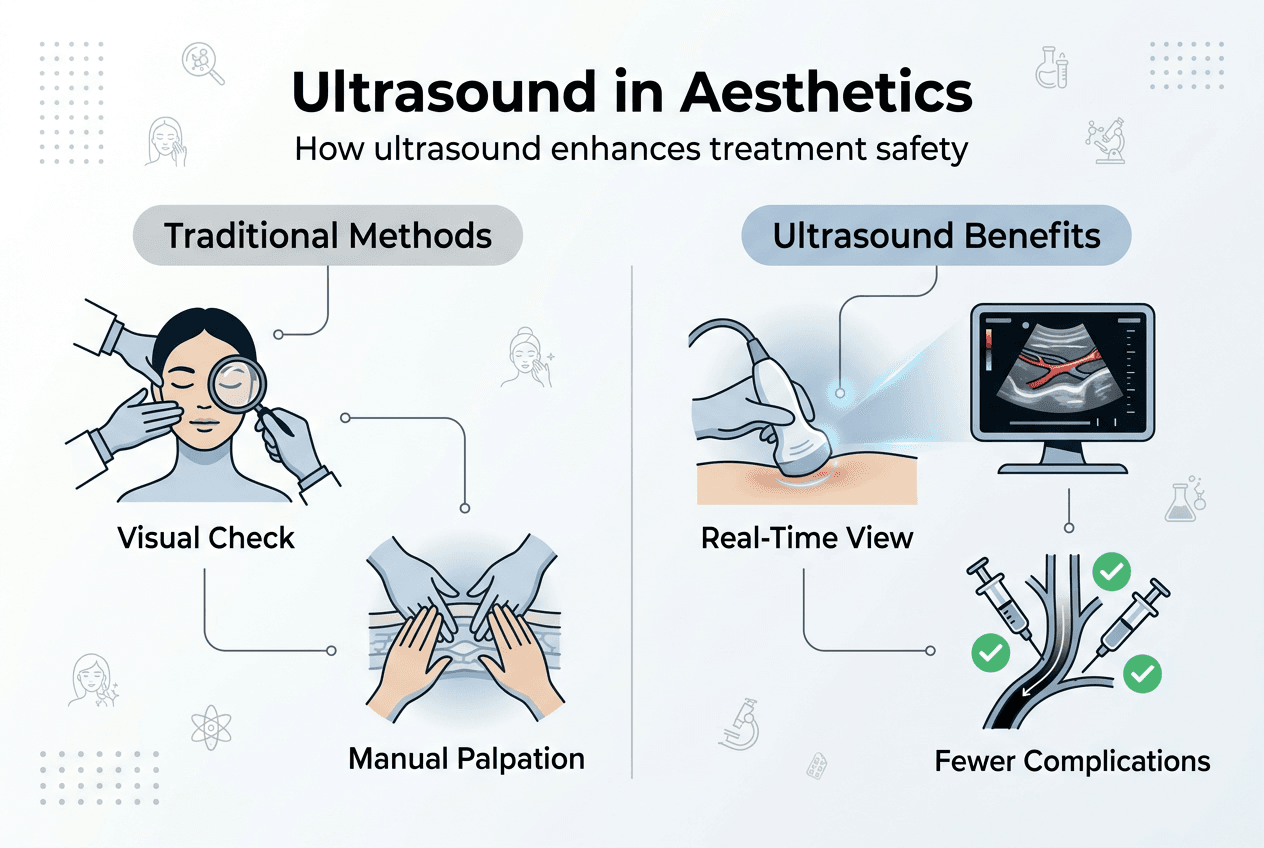
Safety concerns rank among the top priorities for anyone considering aesthetic injectables. Ultrasound addresses these worries by providing clinicians with a clear view of what lies beneath your skin surface. Traditional methods rely on anatomical knowledge and palpation, which can miss individual variations in vessel location or depth. Injectables with ultrasound guidance reduce complication risks by confirming safe needle pathways before injection begins.
Precision improves dramatically when practitioners visualise target tissues in real time. They control injection volume and depth with millimetre accuracy, placing product exactly where it delivers optimal aesthetic benefit. This level of control prevents overfilling, asymmetry, or migration, common issues when relying solely on visual assessment. You receive natural-looking results tailored to your facial structure rather than a one-size-fits-all approach.
Real-time visual feedback during treatment allows immediate adjustments. If the practitioner notices product spreading toward a vessel, they can stop and reposition the needle instantly. This dynamic monitoring significantly reduces the chance of adverse events like bruising, swelling, or the rare but serious vascular occlusion. High-end non-invasive procedures demand this level of vigilance, and ultrasound delivers it consistently.
Key safety benefits include:
- Identification of blood vessels before needle insertion
- Confirmation of safe injection zones in real time
- Early detection of product misplacement or vascular compromise
- Reduced bruising and swelling through precise needle guidance
- Enhanced confidence for both practitioner and client
Your unique anatomy receives full consideration when treatments incorporate ultrasound. Facial vessels, fat pads, and muscle attachments vary widely between people. What works safely for one client may pose risks for another. Ultrasound mapping ensures your treatment plan respects your individual structure, delivering bespoke care that aligns with luxury aesthetic expectations.
Pro Tip: Review botox injection patterns guide to understand how precise placement affects outcomes. Ultrasound takes this precision to the next level by visualising deeper structures.
Comparing ultrasound with traditional assessment methods in aesthetics
Traditional aesthetic consultations rely primarily on visual inspection and manual palpation to assess facial anatomy. Practitioners examine your face, feel for landmarks, and use their knowledge of typical anatomy to plan injections. This approach works well in many cases but carries inherent limitations. Individual variations in vessel location, fat distribution, and tissue depth can surprise even experienced clinicians. Without imaging, these differences remain invisible until complications arise.
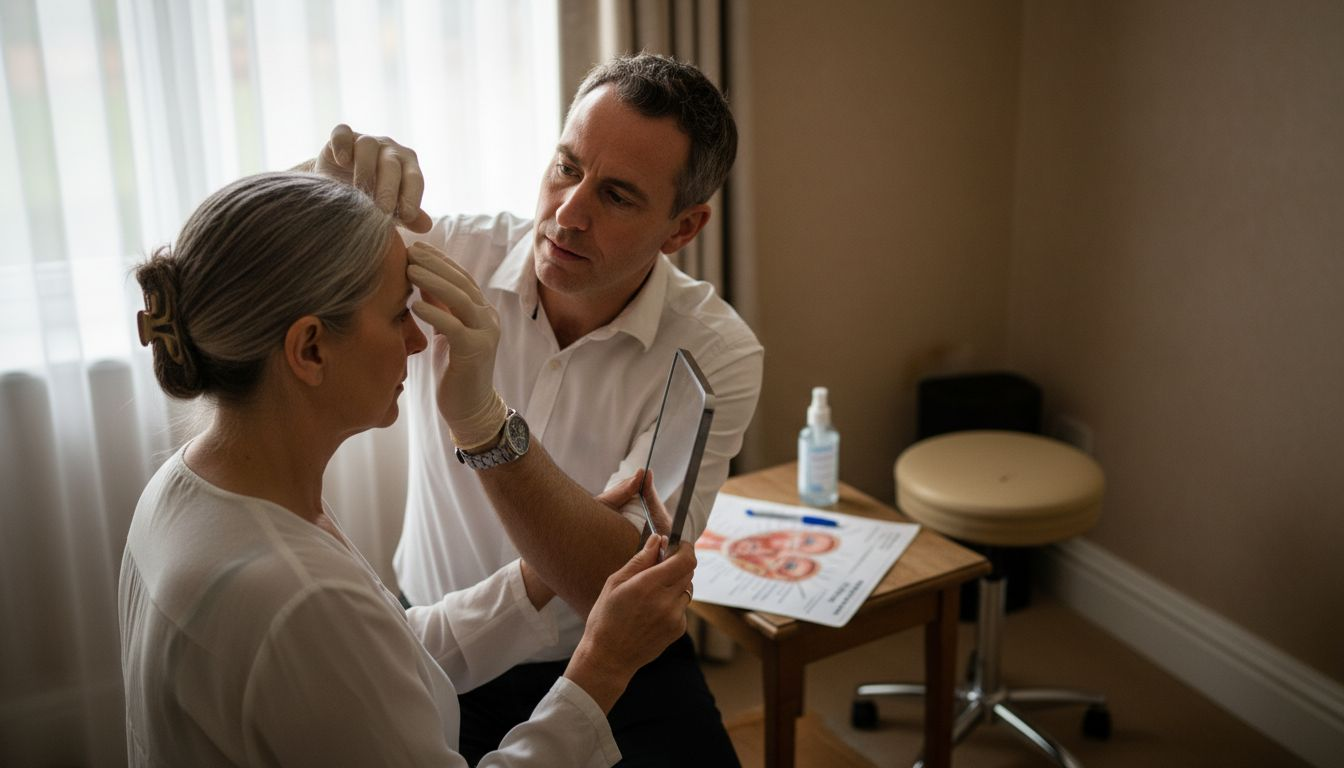
Ultrasound provides real-time internal anatomical views that traditional methods cannot match. You see exactly where vessels run, how deep fat layers sit, and where previous filler remains. This transparency eliminates guesswork and reduces reliance on assumptions about typical anatomy. Aesthetic treatment workflow optimisation benefits significantly from integrating imaging technology, streamlining both safety checks and treatment delivery.
| Aspect | Traditional methods | Ultrasound-guided approach |
|---|---|---|
| Anatomical visualisation | Surface observation and palpation only | Real-time imaging of internal structures |
| Vessel identification | Based on anatomical knowledge and landmarks | Direct visualisation of arteries and veins |
| Precision | Relies on practitioner experience and skill | Enhanced by visual confirmation during injection |
| Complication detection | Often reactive, after symptoms appear | Proactive, identifying issues immediately |
| Personalisation | Limited to external assessment | Tailored to individual internal anatomy |
| Cost | Generally lower procedure cost | Additional equipment and training costs |
Limitations exist for both approaches. Traditional methods require no special equipment and proceed quickly, making them cost-effective for straightforward treatments. However, they offer no insight into hidden anatomical variations. Ultrasound requires investment in equipment and clinician training, potentially increasing treatment costs. Some practitioners may lack sufficient ultrasound skills, limiting its effectiveness. Despite these considerations, the safety and precision benefits typically outweigh the added expense for discerning clients.
Pro Tip: Choose clinics that integrate ultrasound as standard practice rather than an optional add-on. This signals that safety and personalisation form core values, not afterthoughts.
Using ultrasound for complication management and personalised aesthetic care
Complications in aesthetic treatments, while rare, demand swift identification and intervention. Ultrasound excels at detecting issues like vascular occlusions, product migration, or tissue inflammation before they cause permanent damage. Ultrasound identifies and helps treat complications by revealing blockages or misplaced filler that might otherwise go unnoticed until symptoms worsen. Early detection allows practitioners to dissolve problem filler, restore blood flow, or adjust treatment plans immediately.
Personalised care extends beyond just avoiding complications. Ultrasound enables truly bespoke treatment planning by mapping your unique facial architecture. Fat pad thickness, muscle attachment points, and vessel pathways differ dramatically between individuals. Imaging these structures allows practitioners to customise injection techniques, product selection, and volume calculations specifically for you. This individualised approach delivers results that enhance your natural features rather than imposing generic aesthetic standards.
The process typically follows these steps:
- Initial ultrasound scan maps your facial anatomy, identifying vessels and tissue layers.
- Practitioner designs a treatment plan based on your specific structural characteristics.
- Real-time ultrasound guidance during injection confirms safe needle placement.
- Post-treatment imaging verifies product distribution and detects any immediate concerns.
- Follow-up scans at maintenance appointments track changes and inform future treatments.
Stepwise ultrasound monitoring builds confidence throughout your aesthetic journey. You see exactly what happens beneath your skin, understanding how treatments work and why certain approaches suit you better than others. This transparency strengthens the relationship between you and your clinician, fostering trust and informed decision-making. Better communication leads to more satisfying outcomes and realistic expectations.
Safer repeat procedures result from having detailed records of your previous treatments. Ultrasound images document where filler was placed, how much product remains, and how your tissues responded. Future sessions build on this knowledge, avoiding overfilling or placing new product too close to old deposits. Maintenance treatments become more efficient and predictable when guided by comprehensive imaging history.
For comprehensive information, explore dermal fillers overview to understand how ultrasound enhances these popular treatments.
The future of ultrasound in luxury aesthetic treatments in London
Demand for ultrasound-guided procedures continues rising across London’s premium aesthetic clinics. Discerning clients increasingly expect this technology as standard rather than optional, recognising its role in minimising risks and maximising results. The shift reflects broader trends toward evidence-based, medically rigorous approaches to cosmetic enhancement. Luxury no longer means just elegant surroundings and attentive service; it encompasses cutting-edge safety measures and personalised clinical care.
Ultrasound aligns perfectly with client expectations for minimal risk and bespoke treatments. You want procedures that respect your individual anatomy, deliver natural results, and avoid complications. Imaging technology makes these goals achievable consistently. As awareness grows, clinics without ultrasound capabilities may struggle to compete in the high-end market where safety and precision matter most.
Emerging innovations promise even greater benefits:
- Higher resolution imaging for detecting smaller vessels and structures
- Portable ultrasound devices making technology more accessible
- Artificial intelligence integration to highlight critical anatomy automatically
- Three-dimensional imaging for comprehensive treatment planning
- Combination with other technologies like thermal imaging or optical coherence tomography
Clinicians gain new opportunities to innovate with hybrid and combination treatments. Ultrasound guidance enables safer layering of different products, mixing techniques, or treating previously challenging areas. You benefit from expanded treatment options delivered with confidence and precision. The technology empowers practitioners to push boundaries while maintaining rigorous safety standards.
Future aesthetic care will likely see ultrasound become ubiquitous in premium settings. Training programmes increasingly incorporate imaging skills, ensuring the next generation of practitioners masters this essential tool. Regulatory bodies may eventually require ultrasound for certain high-risk procedures, further cementing its importance. For you, this evolution means safer, more effective, and increasingly personalised aesthetic enhancements.
Learn more about choosing fillers in London and how technology shapes modern treatment selection.
Explore expert ultrasound-guided aesthetic treatments at The Aesthetics Room
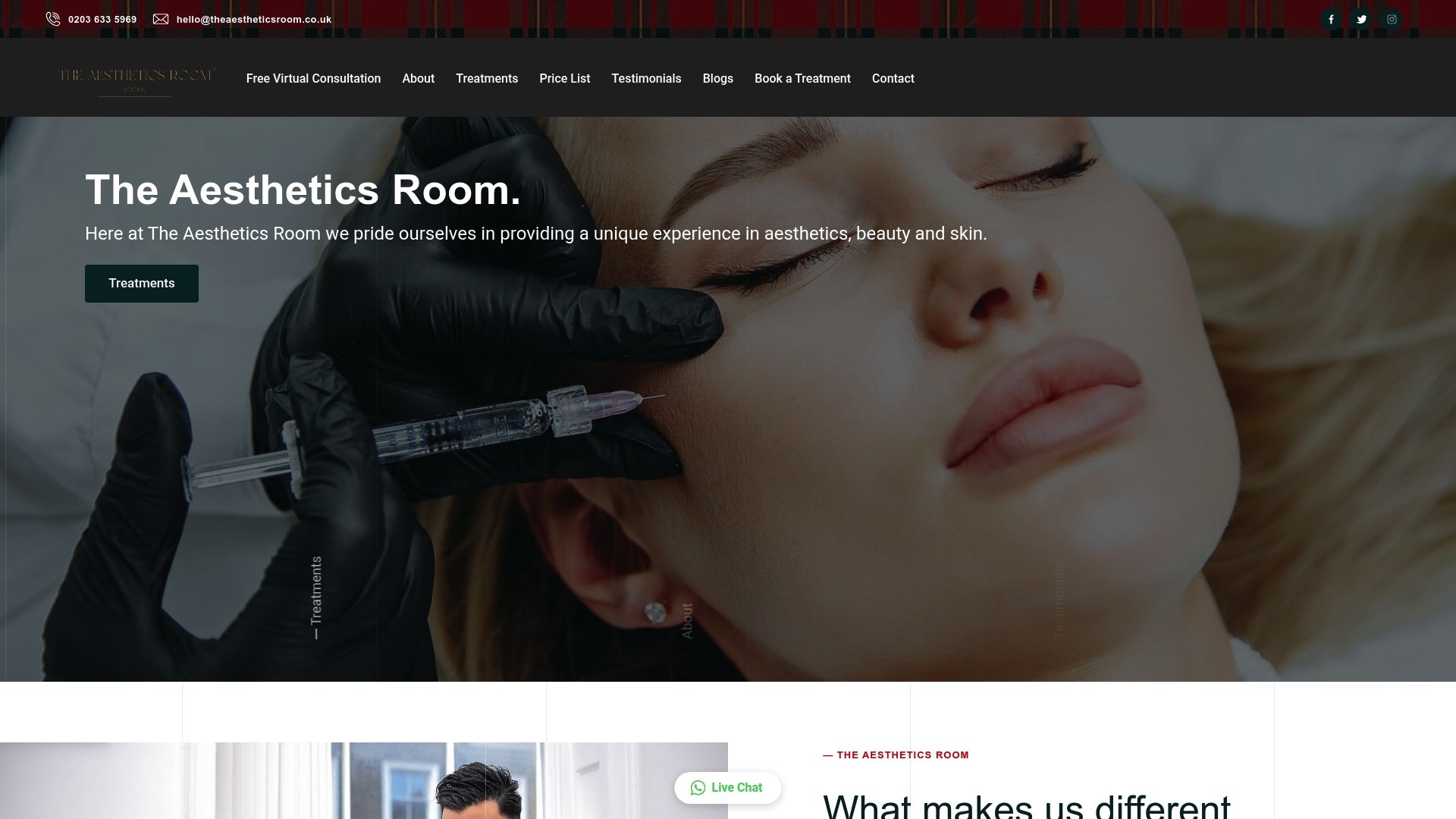
The Aesthetics Room integrates ultrasound technology throughout its treatment protocols, maximising safety and precision for every client. Located in prestigious Knightsbridge, the clinic offers comprehensive aesthetic solutions including botox treatments, dermal filler options, and advanced procedures tailored to your unique facial anatomy. Every consultation includes thorough assessment using state-of-the-art imaging to map your individual structure and design bespoke treatment plans.
Trusted by discerning Londoners seeking luxury, non-invasive enhancements, The Aesthetics Room combines medical expertise with personalised care. CQC accreditation and ACE Group membership underscore the clinic’s commitment to patient safety and professional standards. Whether you’re considering your first aesthetic treatment or seeking expert guidance for ongoing maintenance, ultrasound-guided care ensures optimal outcomes with minimal risk. Explore skin rejuvenation expert guide to discover how technology enhances every aspect of your aesthetic journey. Book your consultation today to experience the difference that ultrasound-guided precision makes.
Frequently asked questions
Is ultrasound painful during aesthetic treatments?
Ultrasound itself is completely painless and non-invasive. The practitioner applies a gel to your skin and moves a smooth probe over the treatment area, similar to pregnancy scans. You feel only gentle pressure as the device glides across your face. The imaging process adds no discomfort to your procedure, purely enhancing safety without affecting your experience.
Can ultrasound detect all complications early?
Ultrasound serves as a powerful tool for identifying common complications like vascular occlusions, product migration, or tissue reactions. Ultrasound helps detect complications promptly but may not catch every issue immediately. Some problems develop gradually or involve structures too small for current imaging resolution. Clinical assessment, patient feedback, and follow-up appointments remain crucial components of comprehensive complication management alongside ultrasound monitoring.
Is ultrasound-guided treatment suitable for all skin types?
Ultrasound works equally well across all skin types and tones because it images structures beneath the skin surface rather than relying on visual colour differences. Sound waves penetrate tissue regardless of melanin content, providing clear anatomical pictures for everyone. This universality makes ultrasound particularly valuable for personalising treatments, as it reveals individual anatomical variations that affect all clients regardless of ethnicity or skin characteristics.
Where can I find ultrasound-guided aesthetic treatments in London?
The Aesthetics Room London clinic specialises in ultrasound-enhanced aesthetic procedures, offering comprehensive imaging-guided treatments in Knightsbridge. Look for clinics with certified practitioners who have completed advanced training in aesthetic ultrasound techniques. Ask during your consultation about their imaging protocols, equipment quality, and how they integrate ultrasound into treatment planning. Premium clinics treating discerning clients typically invest in this technology as standard practice rather than an occasional add-on.
Recommended
- Aesthetics Trends in 2025 – Elevating Natural Beauty – The Aesthetics Room
- Aesthetics Dos and Don’ts 2026: 95% Safer Results – The Aesthetics Room
- Role of lasers in aesthetics: 50% wrinkle reduction proven – The Aesthetics Room
- Why peer review matters in aesthetic treatments 2026 – The Aesthetics Room