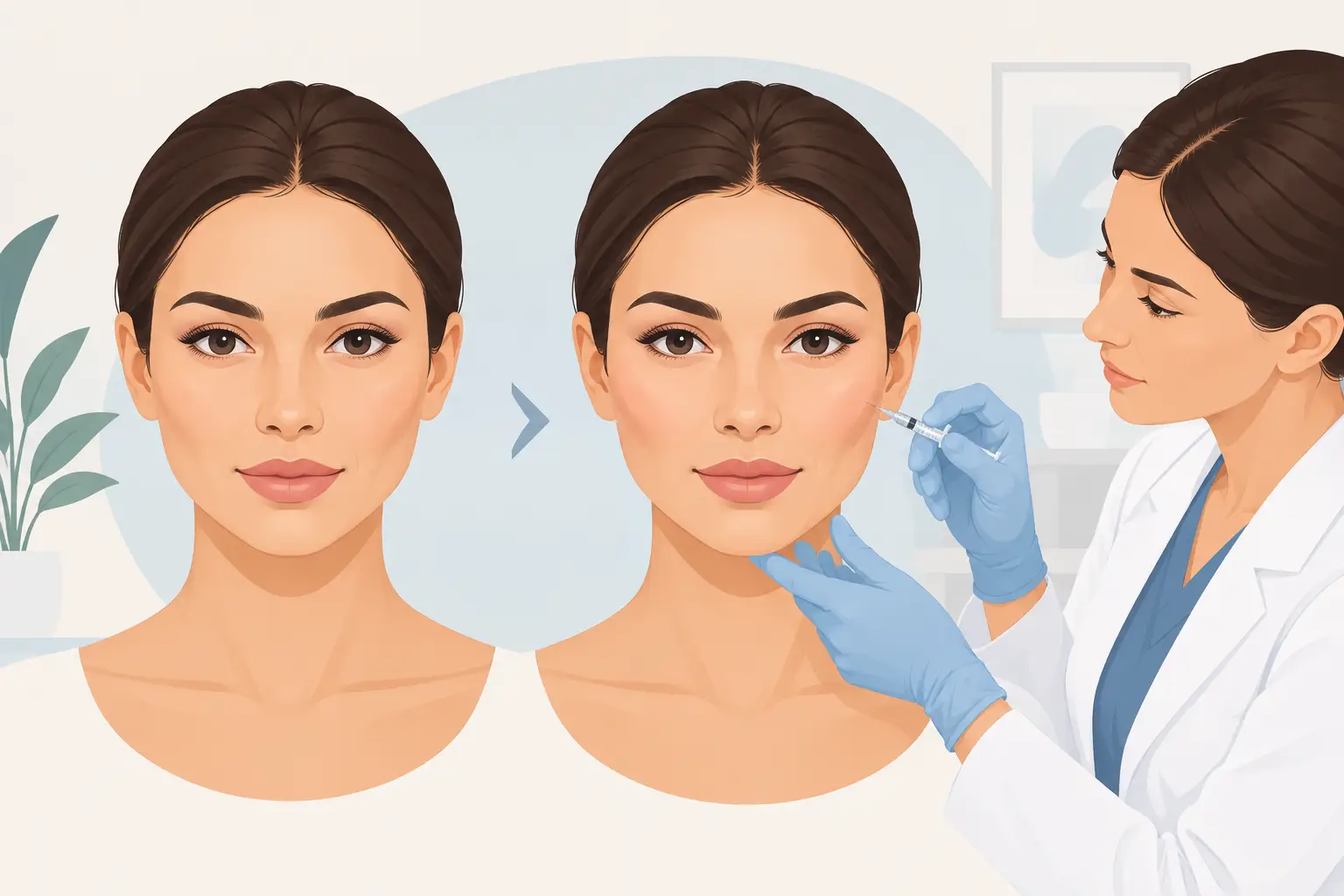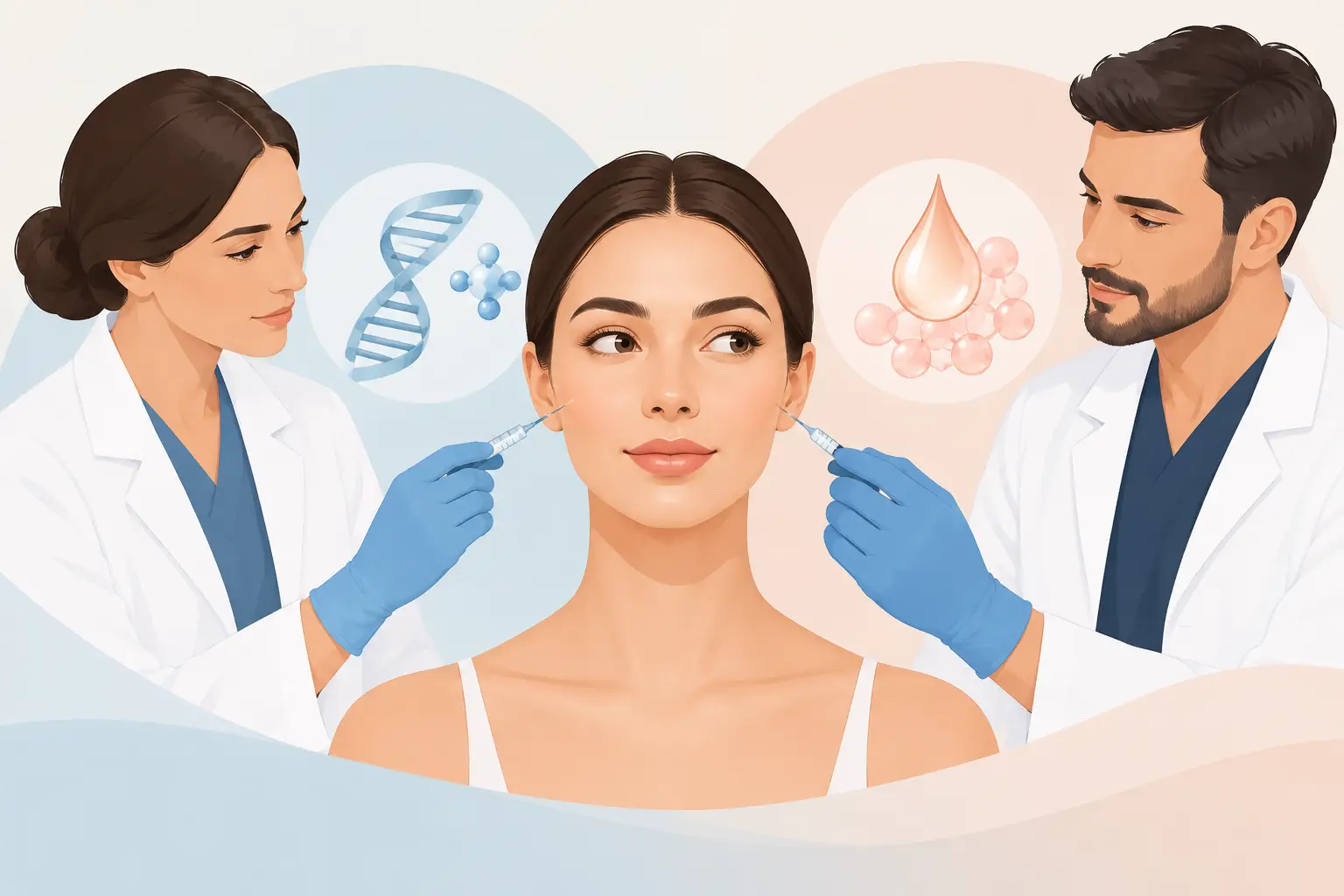


Nearly one in three British women now choose non-invasive treatments for subtle rejuvenation over traditional surgery. For those living in Knightsbridge, the desire to maintain a radiant, youthful look is matched only by the expectation of expert care and luxury. This guide reveals how cutting-edge aesthetic treatments are redefining personal confidence, blending British medical precision with refined elegance for discerning women who demand the very best.
Table of Contents
- Defining Aesthetic Treatments For Women
- Popular Non-Invasive Procedures In Knightsbridge
- The Treatment Journey And Customisation
- Safety Standards, Accreditation And Regulation
- Risks, Costs And Realistic Expectations
Key Takeaways
| Point | Details |
|---|---|
| Aesthetic Treatments Enhance Confidence | These medical interventions are designed to improve physical appearance, targeting specific aesthetic concerns scientifically. |
| Regulated Practice is Crucial | Aesthetic procedures in the UK are strictly regulated to ensure patient safety and practitioner competence; patients should verify credentials before treatment. |
| Consultation is Key | Comprehensive consultations allow for personalised treatment plans tailored to individual aesthetic goals, assessing concerns and medical history. |
| Understand Costs and Expectations | Aesthetic procedures can be costly, often requiring multiple sessions; it is essential to maintain realistic expectations regarding outcomes and potential side effects. |
Defining Aesthetic Treatments for Women
Aesthetic treatments represent sophisticated medical interventions designed to enhance physical appearance and personal confidence. These procedures, ranging from minimally invasive techniques to precision interventions, focus on addressing specific aesthetic concerns with scientific precision. Within the United Kingdom, aesthetic medicine involves carefully regulated cosmetic procedures performed by highly trained healthcare professionals.
Modern aesthetic treatments encompass a diverse range of interventions targeting facial rejuvenation, skin texture improvement, and body contouring. Typical procedures include dermal fillers, botulinum toxin injections, laser therapies, and medical needling. These treatments are not merely cosmetic enhancements but scientifically developed approaches that address physiological concerns such as skin aging, uneven pigmentation, scarring, and loss of youthful contours.
Understanding the regulatory landscape is crucial for women considering aesthetic treatments. Aesthetic practice in the UK is strictly regulated by professional bodies like the Nursing and Midwifery Council and the Joint Council for Cosmetic Practitioners. These organisations establish rigorous standards ensuring practitioner competence, patient safety, and ethical treatment delivery. Patients can expect comprehensive face-to-face consultations, detailed medical assessments, and personalised treatment plans tailored to individual aesthetic goals.
Top Tip: Always verify a practitioner’s professional credentials and request a comprehensive consultation before undertaking any aesthetic procedure.
Popular Non-Invasive Procedures in Knightsbridge
Knightsbridge stands at the forefront of advanced aesthetic treatments, offering a range of sophisticated non-invasive procedures that cater to discerning clients seeking subtle yet transformative enhancements. Non-invasive treatments in London clinics typically include precision techniques such as Botox injections, dermal fillers, laser skin treatments, and chemical peels. These procedures represent cutting-edge medical aesthetics, providing minimal downtime and targeted aesthetic improvements without extensive surgical interventions.
The most sought-after non-invasive procedures in Knightsbridge encompass several key treatments. Dermal fillers offer precise facial rejuvenation, strategically addressing volume loss and softening fine lines. Botulinum toxin injections provide muscle relaxation, reducing dynamic wrinkles and creating a smoother, more youthful appearance. Laser therapies target specific skin concerns like pigmentation, scarring, and uneven texture, while medical-grade chemical peels effectively resurface and revitalise skin at the cellular level.
Advanced non-invasive technologies continue to revolutionise aesthetic medicine, with innovative treatments expanding treatment possibilities. Microneedling and Intense Pulsed Light (IPL) therapies represent sophisticated options for skin regeneration and targeted concern resolution. These procedures leverage scientific principles to stimulate collagen production, improve skin elasticity, and address complex aesthetic challenges with remarkable precision and minimal invasiveness.
Pro Tip: Always schedule a comprehensive consultation to determine the most suitable non-invasive procedure tailored to your specific skin concerns and aesthetic goals.
The following table summarises common non-invasive aesthetic procedures and their main benefits:
| Procedure | Main Purpose | Typical Duration |
|---|---|---|
| Botulinum toxin (Botox) | Reduces dynamic facial wrinkles | 10–20 minutes |
| Dermal fillers | Restores volume, smooths lines | 20–30 minutes |
| Laser therapies | Treats pigmentation, scars | 30–60 minutes |
| Chemical peels | Improves skin texture, renews | 20–30 minutes |
| Microneedling | Stimulates collagen production | 30–45 minutes |
| IPL therapy | Targets redness, uneven tone | 30–60 minutes |
The Treatment Journey and Customisation
The aesthetic treatment journey begins with a meticulous and personalised approach, designed to address individual concerns and aesthetic aspirations. Patient consultation involves comprehensive medical assessment that explores medical history, current skin condition, and specific treatment objectives. This initial consultation serves as a critical foundation, enabling practitioners to develop a nuanced understanding of each client’s unique requirements and develop a tailored treatment strategy.
Customisation is the cornerstone of modern aesthetic medicine, with practitioners employing sophisticated techniques to create bespoke treatment plans. Detailed skin analysis, advanced diagnostic tools, and in-depth discussions allow professionals to craft interventions that precisely target individual concerns. The approach goes beyond standard protocols, considering factors such as skin type, age, lifestyle, and personal aesthetic goals to design treatments that deliver optimal, natural-looking results.

The treatment journey extends far beyond the initial procedure, encompassing comprehensive pre-treatment preparation, meticulous intervention, and structured post-treatment care. Aesthetic medicine training emphasises patient-specific risk assessment and personalised management strategies. Follow-up consultations enable continuous monitoring, subtle adjustments, and ongoing skin health management, ensuring that each client’s aesthetic objectives are systematically and safely achieved.
Pro Tip: Request a detailed treatment plan that outlines expected outcomes, potential risks, and a comprehensive follow-up schedule to ensure the best possible aesthetic results.
Safety Standards, Accreditation and Regulation
Aesthetic medicine practitioners in the United Kingdom operate under rigorous regulatory frameworks designed to protect patient safety and maintain the highest professional standards. These comprehensive guidelines ensure that clinicians are appropriately qualified, clinics maintain exceptional standards, and treatments are performed with utmost precision and care. Professional bodies such as the General Medical Council, Nursing and Midwifery Council, and the Joint Council for Cosmetic Practitioners play pivotal roles in establishing and enforcing these critical standards.
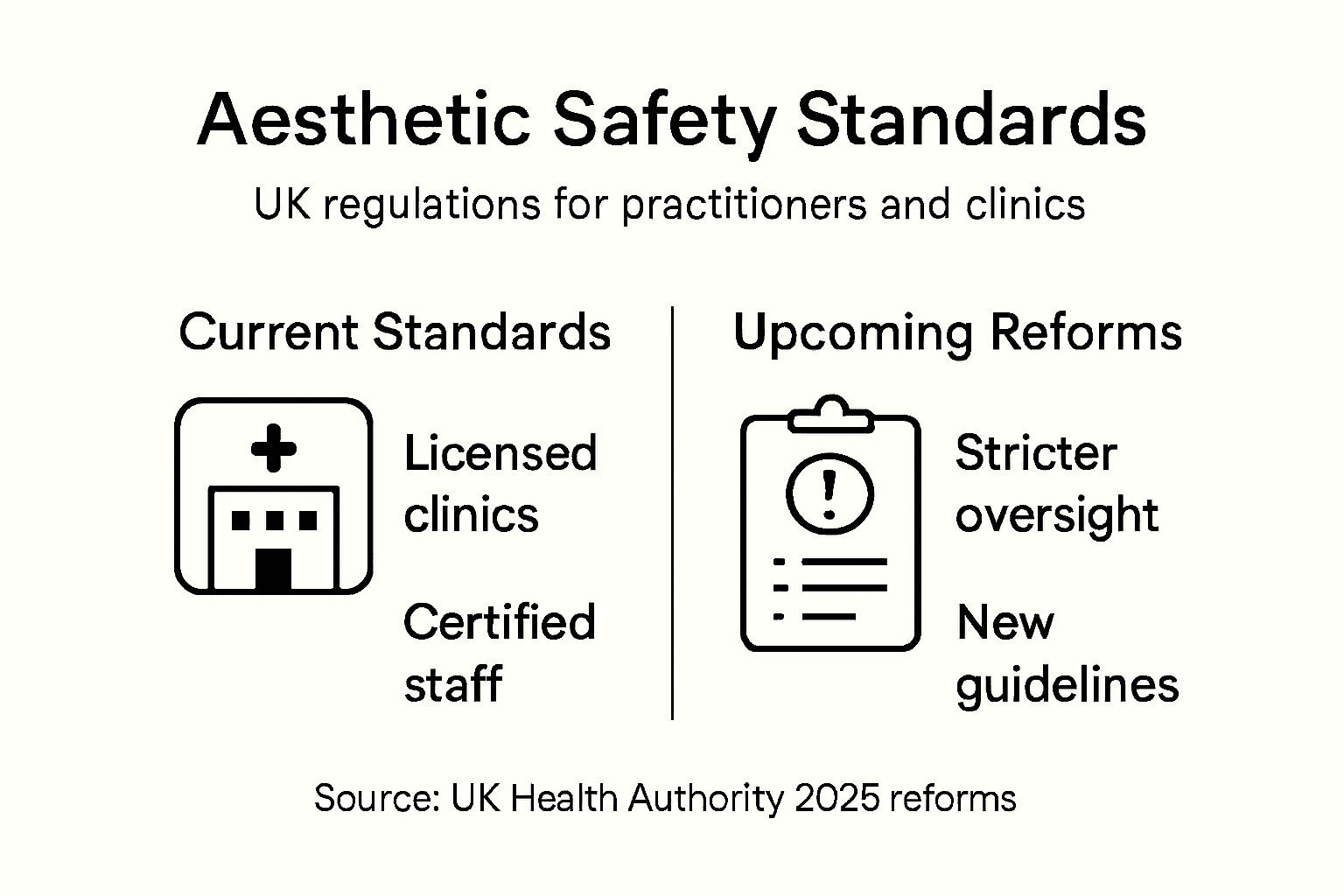
The regulatory landscape for aesthetic treatments encompasses multiple layers of protection. Practitioners must be professionally registered, demonstrating verified qualifications and ongoing professional development. Clinical premises undergo regular inspections to ensure compliance with safety protocols, sterilisation standards, and patient care requirements. Advanced training programmes mandated by professional bodies ensure practitioners understand complex medical considerations, potential risks, and the most up-to-date techniques for delivering safe, effective aesthetic interventions.
New regulatory guidelines effective from June 2025 introduce more stringent requirements for aesthetic practitioners. These regulations mandate face-to-face consultations before prescribing treatments, restrict remote prescribing practices, and emphasise the importance of practitioners working strictly within their professional scope. The changes reflect a commitment to patient safety, ensuring that every aesthetic procedure is conducted with the highest level of medical oversight and professional accountability.
Pro Tip: Always request to see a practitioner’s current professional registration and clinic certification before proceeding with any aesthetic treatment.
Here is a comparison of key regulatory requirements for aesthetic practitioners in the UK:
| Regulatory Aspect | Current Expectations | June 2025 Reforms |
|---|---|---|
| Practitioner briefing | Must be registered and trained | Still required |
| Prescribing oversight | Some remote prescriptions | Only face-to-face allowed |
| Training and upskilling | Ongoing mandatory CPD | More stringent enforced |
| Pre-treatment process | Assessment varies | Standardised requirements |
Risks, Costs and Realistic Expectations
Cosmetic treatments involve complex medical considerations that extend far beyond simple aesthetic enhancements. Potential patients must understand that aesthetic interventions are sophisticated medical procedures with inherent risks, varying outcomes, and individual response patterns. Each treatment requires careful medical assessment, particularly for individuals with pre-existing health conditions such as diabetes or thyroid disorders, which can significantly impact treatment effectiveness and potential complications.
Cost considerations in aesthetic medicine are multifaceted, reflecting the specialised nature of these treatments. Professional aesthetic procedures typically range from £200 to £1,500, depending on the complexity of the intervention, practitioner expertise, and specific treatment goals. Treatment costs encompass multiple factors, including initial consultation, the procedure itself, potential follow-up sessions, and aftercare requirements. Patients should anticipate that achieving optimal results often requires multiple treatment sessions, each representing a significant financial investment.
Realistic expectations are paramount in aesthetic medicine. Side effects can include bruising, swelling, temporary muscle weakness, and rare instances of more significant complications. Chronic medical conditions may increase procedure risks, making comprehensive pre-treatment medical screening essential. The outcome of aesthetic treatments varies individually, influenced by factors such as age, skin condition, lifestyle, and overall health. Professional practitioners emphasise the importance of understanding that results are subtle and progressive, rather than dramatic and instantaneous.
Pro Tip: Budget for potentially multiple treatment sessions and maintain open communication with your practitioner about expected outcomes and individual health considerations.
Elevate Your Confidence with Expert Aesthetic Treatments in Knightsbridge
For women seeking personalised, safe, and scientifically advanced aesthetic enhancements, The Aesthetics Room offers a premium selection of non-invasive procedures designed to address concerns like dynamic wrinkles, volume loss, and skin rejuvenation. Understanding the importance of strict regulation and tailored treatment plans highlighted in the article, our expert team delivers bespoke solutions with a focus on patient safety and natural-looking results. Explore our specialised options such as Anti Wrinkle treatments for smoothing dynamic lines and Dermal Fillers to restore youthful contours, all provided within our luxurious Knightsbridge clinic.
Do not wait to enhance your confidence through safe, effective, and carefully customised aesthetic treatments. Book your consultation today at The Aesthetics Room to begin your individual journey towards refined beauty and wellbeing. Take the step that many women in Knightsbridge trust for high-quality cosmetic care delivered by trained specialists.
Frequently Asked Questions
What are the common non-invasive aesthetic treatments available?
Common non-invasive aesthetic treatments include Botox injections, dermal fillers, laser therapies, chemical peels, microneedling, and Intense Pulsed Light (IPL) therapies, each targeting different skin concerns and offering minimal downtime.
How is the safety of aesthetic treatments ensured?
The safety of aesthetic treatments is ensured through rigorous regulatory frameworks where practitioners must be professionally registered, clinics are inspected for compliance, and continuous professional development is mandated to keep skills current and safe.
What should I expect during the treatment journey for aesthetic procedures?
The treatment journey involves a thorough initial consultation to assess medical history and aesthetic goals, followed by a personalised treatment plan, the procedure itself, and structured post-treatment care to monitor results and make necessary adjustments.
What are the typical costs associated with aesthetic treatments?
Costs for aesthetic treatments vary widely, ranging from £200 to £1,500, depending on factors such as the complexity of the procedure, the practitioner’s expertise, and the need for multiple sessions to achieve the desired results.
Recommended
- 7 Key Steps for a Successful Aesthetic Consultation Checklist – The Aesthetics Room
- What Is Medical Aesthetics? Enhancing Confidence Safely – The Aesthetics Room
- Role of Consultation in Aesthetics: Enhancing Safety and Results – The Aesthetics Room
- 7 Expert Professional Skin Treatment Tips for Radiant Results – The Aesthetics Room