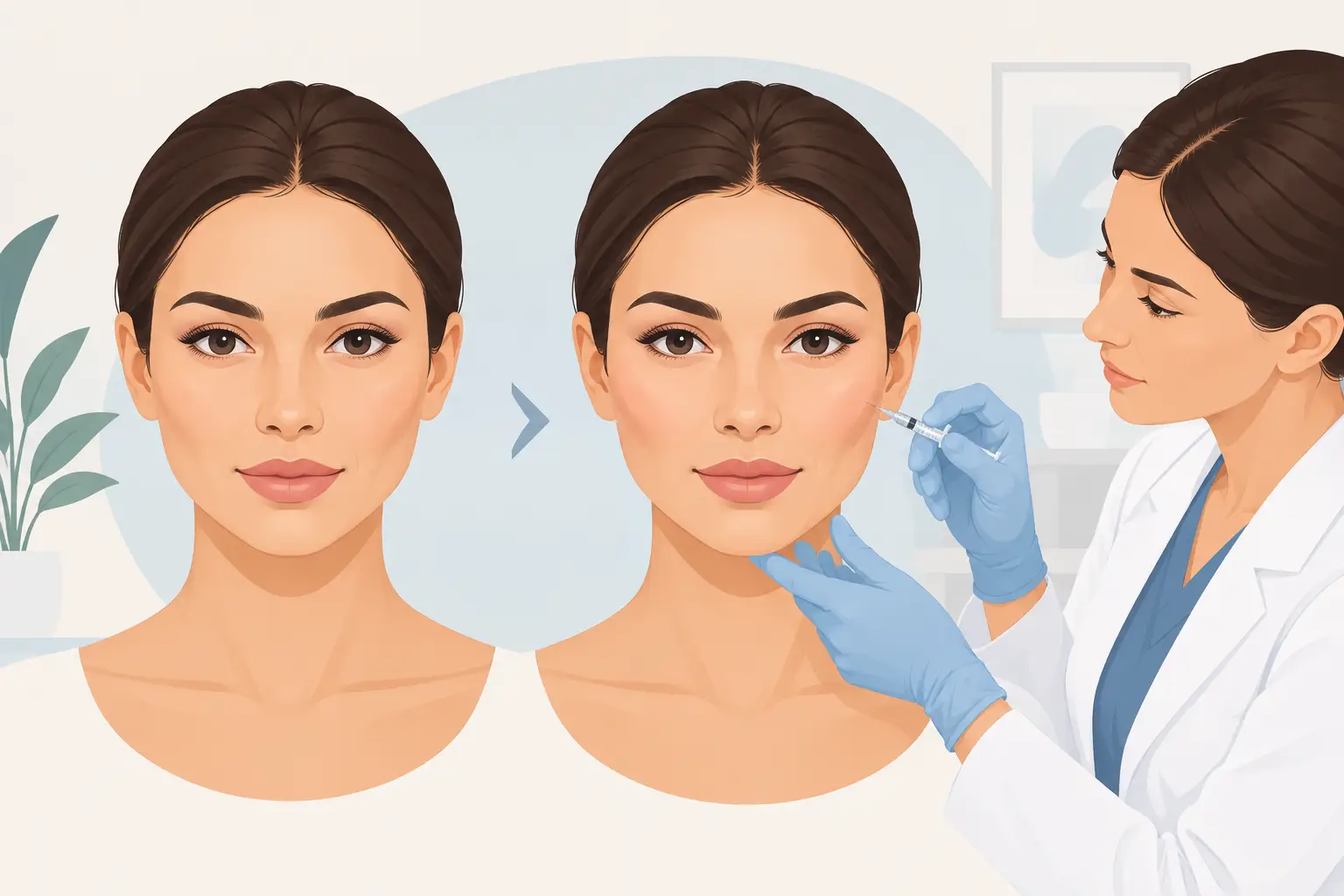

A lot of patients ask the same question, usually a little apologetically – am I too young to be thinking about preventative anti wrinkle treatment? The honest answer is that age is only one part of the picture. The better question is whether your face is starting to form lines through repeated expression, whether your skin is losing resilience, and whether you want to preserve a fresher look before static wrinkles become harder to soften.
For some people, that conversation starts in their late twenties. For others, it may not be relevant until their late thirties or beyond. Good preventative care is never about chasing youth or treating a face that does not need treatment. It is about reading the early signs properly, understanding the pace at which your skin is ageing, and creating a tailored plan that supports natural movement while helping to delay deeper lines.
What preventative anti wrinkle treatment really means
Preventative anti wrinkle treatment is not a single procedure, and it should not be treated as a trend. In clinical practice, prevention means reducing the factors that cause expression lines to become etched into the skin over time. That may include anti-wrinkle injections for areas of strong muscle movement, but it can also involve improving skin quality, hydration, collagen support and everyday skincare habits.
The goal is not to make someone look frozen or obviously treated. In fact, the best preventative work is often the least noticeable. You still look like yourself – just slightly fresher, more rested and less likely to develop lines that linger when your face is at rest.
This is where a consultation matters. Two patients of the same age can have completely different needs. One may have early forehead lines driven by strong muscle movement, while another may have smooth skin but signs of dehydration, pigmentation or poor barrier function that are ageing the face more than wrinkles themselves.
When is the right time to start?
There is no universal age at which preventative treatment becomes appropriate. Genetics, sun exposure, stress, sleep, lifestyle and skin quality all affect how quickly wrinkles begin to show. Some people naturally have more expressive faces and will notice frown lines or crow’s feet earlier. Others have stronger collagen support and can wait much longer before considering injectable treatment.
As a general guide, preventative treatment tends to be most relevant when dynamic lines start lingering after expression. If you frown and the line disappears immediately, active treatment may not be necessary yet. If the line remains visible for a while after your face relaxes, that can be a sign that repeated movement is beginning to leave a more permanent mark.
That said, it depends on your priorities. Some patients prefer to wait until there is a visible concern to address. Others want to be more proactive and maintain a polished, rested appearance with subtle intervention. Neither approach is wrong. What matters is that treatment is led by assessment rather than social media pressure.
Preventative anti wrinkle treatment is not just for your twenties
One of the biggest misconceptions is that prevention only applies to younger patients. In reality, preventative anti wrinkle treatment can still be useful in your thirties, forties and beyond. Prevention at that stage may mean slowing further deepening, improving balance in facial movement and combining injectables with skin-focused treatments to maintain better long-term quality.
This is especially important for patients who have spent years in high-stress careers, frequent travel, central heating, air conditioning or significant sun exposure. The skin often reflects cumulative lifestyle factors, not simply age. A medically led plan should take those into account.
The areas most commonly treated early
The forehead, frown area and crow’s feet are typically the first places patients consider. These are high-movement areas where repeated expressions can create lines over time. Early treatment here can reduce the intensity of those movements and help prevent deeper creasing.
However, not every area should be treated preventatively. Good aesthetic medicine requires restraint. If an area is not showing signs of strain, or if treatment would risk an unnatural effect, it may be better left alone. A premium result often comes from knowing what not to treat.
That is why a bespoke assessment is so important. The face should be viewed as a whole, not as isolated wrinkles to chase one by one.
Why skin quality matters as much as muscle movement
Wrinkles do not form for one reason alone. Muscle action plays a role, but so do collagen loss, dehydration, inflammation and UV damage. If the skin is thin, dry or poorly supported, lines will become more visible even with conservative injectable treatment.
This is where a broader optimisation approach often delivers better results than injections alone. Medical-grade skincare, appropriate in-clinic skin treatments, SPF use and lifestyle guidance can all support a smoother, healthier surface. For many patients, especially those seeking discreet refinement, the most effective plan is a combination of subtle anti-wrinkle treatment and active skin maintenance.
At The Aesthetics Room, that wider view is central to treatment planning. A face that looks healthy, rested and balanced usually reflects more than one intervention done well.
What natural-looking prevention should look like
Patients are often interested in prevention but wary of looking overdone. That concern is entirely valid. Preventative treatment should preserve expression, not erase personality. You should still look animated, approachable and like yourself.
Achieving that comes down to dosage, placement and clinical judgement. Smaller, precisely chosen treatments often work better than aggressive correction. In the right patient, this can soften repetitive movement enough to slow line formation while maintaining a natural result.
There is also a difference between occasional treatment and a plan built around regular review. Faces change. Muscle strength changes. Skin quality changes. What suited you at 29 may not be what suits you at 37. The best outcomes come from reviewing as you go, rather than repeating the same treatment pattern indefinitely.
Who is a good candidate?
The ideal candidate for preventative care is not simply someone young. It is someone with early signs of repetitive line formation, realistic expectations and a genuine interest in long-term skin and facial maintenance. They also need to understand that prevention is nuanced. If your skin is in excellent condition and there are no meaningful early lines, treatment may not be necessary.
Likewise, if you already have established static lines, prevention may still form part of your plan, but it will probably not be the whole answer. In that situation, you may need a more comprehensive strategy that addresses muscle movement, skin quality and sometimes volume changes as well.
A consultation should also screen for safety, medical suitability and whether your expectations are appropriate. A luxury clinic experience is not just about comfort – it is about careful assessment, honest advice and knowing when a treatment is, or is not, right for you.
The value of starting with a bespoke consultation
For patients in London seeking a more refined approach, the real value lies in expert guidance rather than rushed treatment. Preventative work is highly individual. One patient may benefit from very light anti-wrinkle injections once or twice a year. Another may be better served by focusing first on skin health, SPF discipline and collagen-supporting treatments.
This is where medically led care makes a visible difference. A practitioner should assess your facial anatomy, movement patterns, skin condition and wider goals before recommending anything. They should also explain the trade-offs. Starting early may help reduce future line formation, but it still requires maintenance, cost and thoughtful review. Waiting longer may suit some patients perfectly well.
That balance is exactly why one-size-fits-all advice does not belong in aesthetics.
A smarter way to think about ageing well
Preventative anti wrinkle treatment is best viewed as one part of ageing well, not a race to start as young as possible. The most elegant results usually come from measured decisions made at the right time, with the right practitioner, and for the right reasons.
If you are noticing the first signs of lines that linger, or you simply want a professional opinion on how to maintain a fresher appearance without looking treated, a tailored consultation is the right place to begin. Ageing gracefully does not mean doing everything. It means doing what suits your face, your skin and your standards, with care.