
TL;DR:
- Laser resurfacing is a nonsurgical skin improvement procedure that uses focused light to remove damaged skin layers and stimulate collagen production for better texture and tone. It includes ablative and non-ablative options, with fractional lasers offering faster healing and effective results, all requiring careful pre- and post-treatment care. Proper laser selection, thorough assessment, and disciplined aftercare ensure safe, long-lasting skin rejuvenation outcomes.
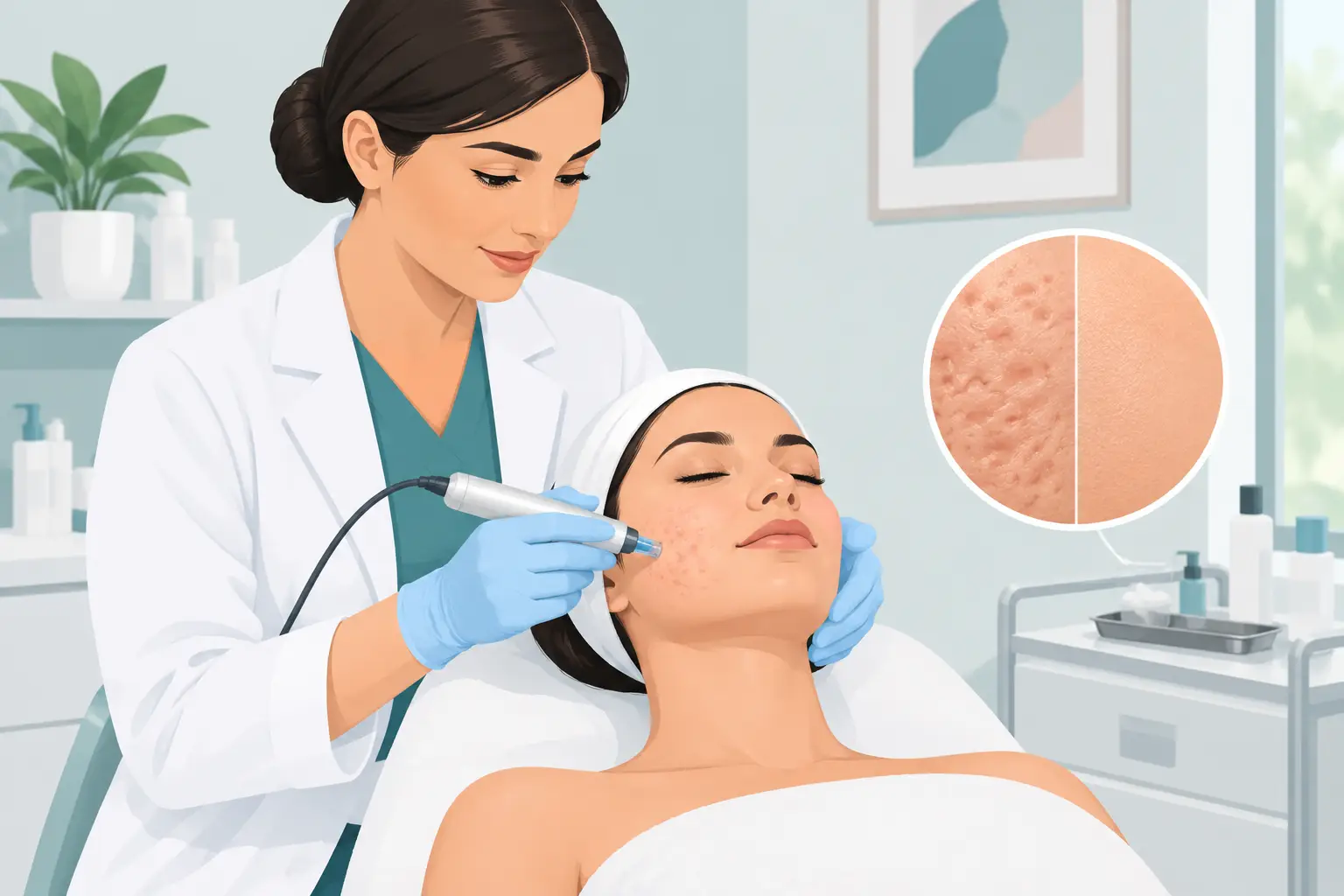
Laser resurfacing is defined as a nonsurgical skin improvement procedure that uses concentrated light pulses to remove damaged skin layers and stimulate collagen production, improving texture, tone, and firmness. Clinically known as laser skin resurfacing, it addresses sun damage, fine lines, acne scars, pigmentation irregularities, and uneven texture without the recovery demands of surgical intervention. The two most widely used systems are CO2 lasers and fractional lasers, each offering different depths of treatment and healing timescales. Understanding what laser resurfacing involves, from the science behind it to realistic recovery expectations, allows you to make a genuinely informed decision about whether it suits your skin and lifestyle.
How does laser resurfacing work to improve skin?
Laser resurfacing works by delivering precise energy to the skin, either removing the outer layers entirely or heating the deeper dermis to trigger the body’s natural repair response. The distinction between ablative and non-ablative lasers is the most clinically significant choice in treatment planning.
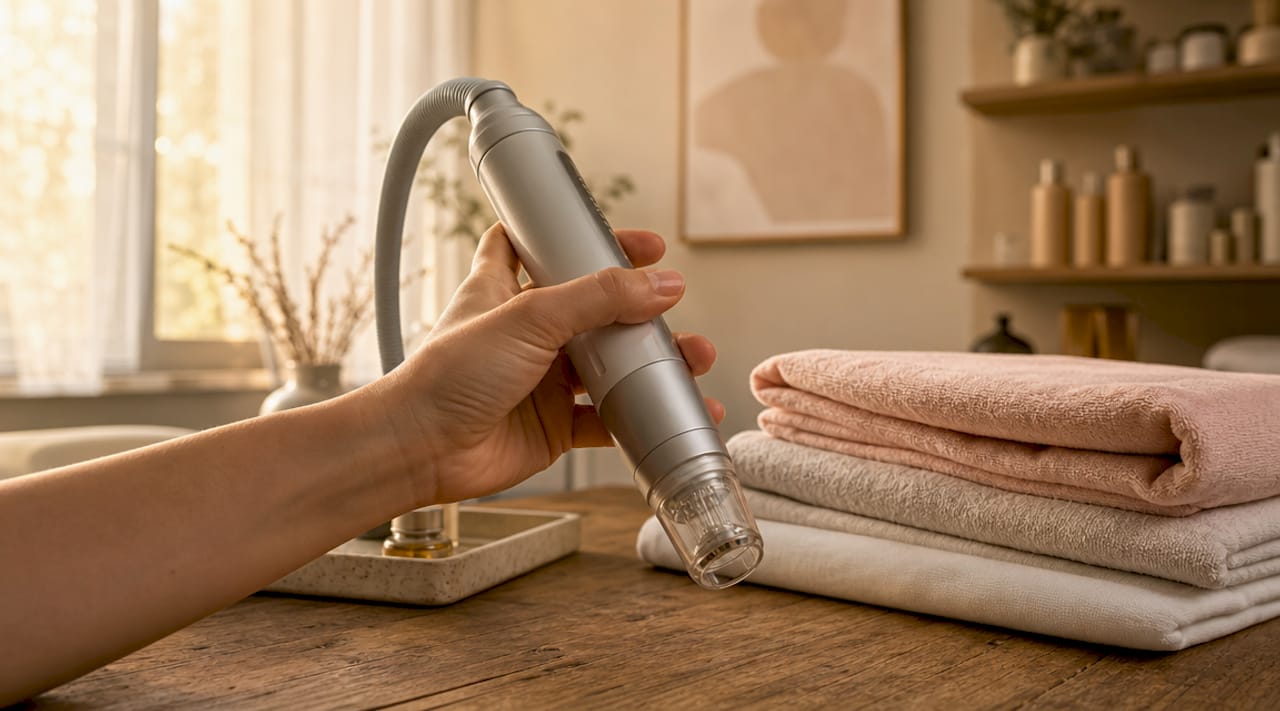
Ablative lasers vaporise the top skin layers for renewal, while non-ablative lasers heat skin without removing it. This difference directly affects downtime. Ablative treatments produce more dramatic results but require a longer healing period. Non-ablative options are less invasive and better suited to patients with busy schedules, though they typically require multiple sessions to achieve comparable outcomes.
Fractional lasers represent a significant advancement in this area. Rather than treating the entire skin surface, fractionated lasers target skin in microscopic zones, combining efficacy with faster healing. This approach preserves surrounding tissue, which accelerates recovery and reduces the risk of prolonged side effects. Fractional CO2 laser is now one of the most requested treatments in medical aesthetics clinics across London and beyond.
The collagen stimulation process is gradual rather than immediate. Skin gradually tightens and smooths through collagen stimulation over several weeks and months, not overnight. Patients often notice continued improvement for up to six months after a single session as new collagen fibres mature and reorganise beneath the surface.
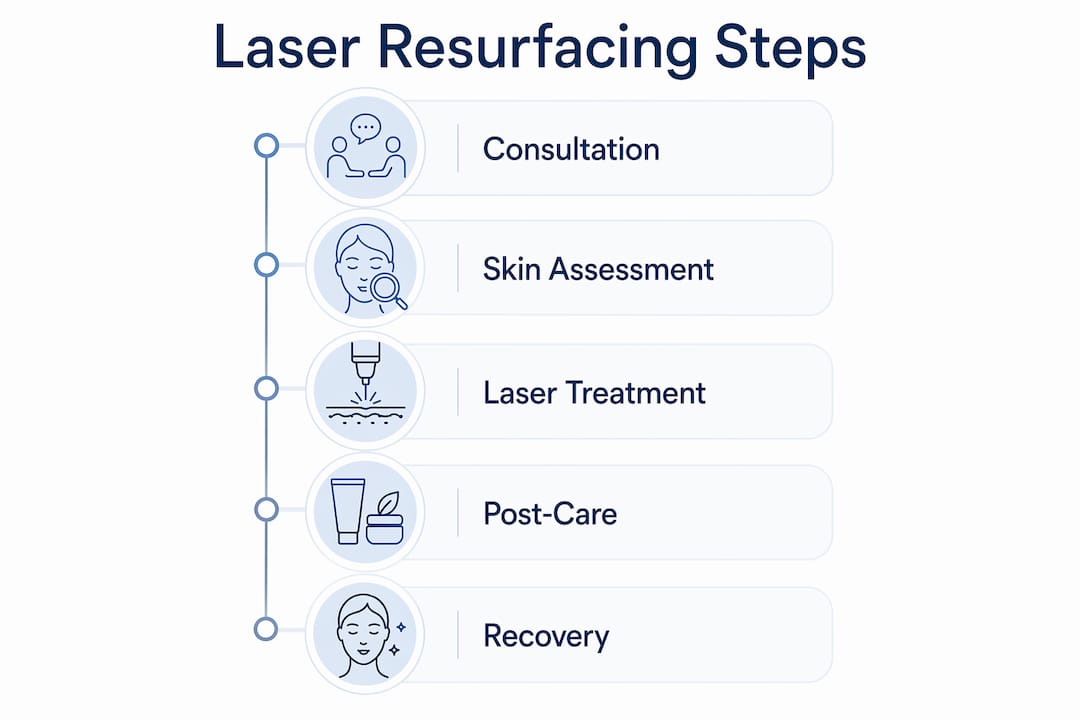
Here is what a typical treatment session involves:
- The skin is cleansed and a topical or local anaesthetic is applied, depending on the depth of treatment planned.
- The practitioner calibrates the laser settings to your specific skin type, concern, and Fitzpatrick scale classification.
- The laser handpiece is passed over the treatment area in controlled passes, with cooling applied between passes if needed.
- The session concludes with soothing post-treatment products and detailed aftercare instructions.
Most laser resurfacing treatments are outpatient procedures using local anaesthetic, with full-face sessions ranging from 30 minutes to 2 hours depending on the laser type and area covered.
Pro Tip: Ask your practitioner specifically which laser system they are using and why it suits your skin type. The right technology choice matters as much as the treatment itself.
What are the benefits of laser resurfacing?
The benefits of laser resurfacing extend well beyond surface-level smoothing. When performed correctly on the right candidate, the results are both visible and long-lasting. Explore the role of lasers in wrinkle reduction to understand the clinical evidence behind these outcomes.
The primary benefits include:
- Fine line and wrinkle reduction. Collagen stimulation plumps the skin from within, softening perioral lines, crow’s feet, and forehead creases without injectable treatments.
- Scar improvement. Laser treatment for scars, including acne scarring and surgical scars, remodels the fibrous tissue beneath the skin surface, producing a smoother, more even appearance over time.
- Pigmentation correction. Sun spots, melasma, and post-inflammatory hyperpigmentation respond well to targeted laser energy, which breaks down excess melanin deposits.
- Skin tightening. Thermal energy contracts existing collagen fibres while stimulating new growth, producing a firmer, more lifted appearance particularly around the jawline and under the eyes.
- Texture refinement. Enlarged pores, rough patches, and uneven skin surface are visibly improved as the skin renews itself through the healing process.
- Long-lasting rejuvenation. Unlike topical treatments that require daily application, a single ablative session can deliver results that last several years with appropriate sun protection and skincare maintenance.
The combination of these outcomes makes laser skin treatment one of the most versatile procedures available in medical aesthetics today. You can also explore antioxidant facial treatments as a complementary approach to maintaining results between sessions.
What are the risks and side effects of laser resurfacing?
Laser resurfacing is a medical procedure, and understanding its risks is as important as appreciating its benefits. Side effects range from predictable and temporary to more complex outcomes that require careful management.
Common side effects following ablative treatment include redness, swelling, crusting, and sensitivity. Redness and swelling can persist for up to 4 months following ablative laser procedures, which is a significant consideration for anyone with limited downtime. This is not a complication. It is a normal part of the healing process, but it must be factored into your planning.
Hyperpigmentation is the most frequently underestimated risk, particularly for patients with darker skin tones. 45.5% of Fitzpatrick III to V patients experienced transient hyperpigmentation, with 90% of those cases resolving within three months. This statistic underscores why Fitzpatrick scale assessment before treatment is non-negotiable, not optional.
Fractional CO2 laser carries its own specific risk profile. Fractional ablative CO2 laser can cause hypopigmentation in 57% of cases, alongside contact dermatitis and skin barrier disruption. These outcomes are manageable with proper aftercare but must be disclosed during consultation.
| Risk | Who is most affected | Management |
|---|---|---|
| Prolonged redness | All skin types, especially ablative | Barrier support, photoprotection |
| Post-inflammatory hyperpigmentation | Fitzpatrick III to V | Pre-treatment priming, SPF, follow-up |
| Hypopigmentation | Deeper ablative treatments | Gradual laser settings, monitoring |
| Herpes simplex reactivation | Patients with HSV history | Antiviral prophylaxis before treatment |
| Infection | Compromised skin barrier | Antibacterial aftercare, follow-up |
Proper pretreatment screening avoids complications. Contraindications include recent oral retinoid therapy, pregnancy, immunosuppression, and active skin disease. Patients with a history of herpes simplex should receive antiviral prophylaxis before any ablative procedure to prevent reactivation triggered by the thermal stimulus.
Pro Tip: Always disclose your full medication history, including any retinoids, during your consultation. Recent retinoid use is a contraindication that many patients forget to mention.
How to prepare for laser resurfacing and what to expect
Preparation for laser resurfacing is a structured process, not a single pre-appointment checklist. The quality of your preparation directly influences both your safety and your results. Review medical aesthetics safety guidance before your first consultation to understand what responsible pre-treatment care involves.
Follow these preparation steps in the weeks leading up to your session:
- Book a thorough consultation. Your practitioner should review your full medical history, current medications, skin type, and treatment goals before recommending any laser system.
- Stop retinoids and exfoliating acids. Discontinue retinol, tretinoin, and AHA or BHA products at least two weeks before treatment to reduce skin sensitivity and barrier disruption risk.
- Protect your skin from sun exposure. Avoid tanning and apply SPF 50 daily for at least four weeks prior. Sun-damaged or recently tanned skin increases the risk of pigmentation complications.
- Discuss anaesthesia options. Topical numbing cream is standard for most fractional treatments. Deeper ablative sessions may require local anaesthetic injections, and full-face ablative CO2 procedures occasionally use sedation.
- Arrange post-treatment support. Plan for at least 24 to 48 hours of rest following ablative treatment. Arrange for someone to drive you home if sedation or strong local anaesthetic is used.
Customising laser parameters according to skin type and medical history reduces risk and improves results. A practitioner who skips this step is not following the clinical standard of care.
Post-treatment care and recovery after laser resurfacing
Recovery from laser resurfacing follows a predictable timeline, but the quality of your aftercare determines how well and how quickly your skin heals. Post-procedure barrier disruption leads to risks of prolonged redness and dryness, making aftercare as clinically significant as the procedure itself.
Here is what to expect and how to respond at each stage:
- Days 1 to 3. Redness, swelling, and a sensation similar to sunburn are normal. Keep the skin clean, apply prescribed barrier ointments, and avoid touching the face unnecessarily.
- Days 4 to 7. Peeling and crusting begin as the outer skin sheds. Do not pick or pull at flaking skin. Allow it to shed naturally to avoid scarring or pigmentation disruption.
- Week 2. New skin is visible but remains pink and sensitive. Introduce a gentle, fragrance-free moisturiser and begin applying SPF 50 every morning without exception.
- Weeks 3 to 6. Redness fades progressively. Resume normal skincare gradually, reintroducing active ingredients only with practitioner approval.
- Months 2 to 6. Collagen remodelling continues beneath the surface. This is when the most visible tightening and smoothing effects become apparent.
Photoprotection is not optional during recovery. Barrier function support and photoprotection are vital for recovery and directly influence whether pigmentation complications develop. A face care routine built around gentle hydration and daily SPF is the single most effective tool for protecting your results. Follow-up appointments at two weeks and six weeks allow your practitioner to monitor healing and address any pigment changes early.
Key takeaways
Laser resurfacing delivers lasting skin improvement through collagen stimulation, but its safety and success depend entirely on correct laser selection, thorough pre-treatment screening, and disciplined aftercare.
| Point | Details |
|---|---|
| Laser types matter | Ablative lasers offer deeper results; non-ablative and fractional options suit those with limited downtime. |
| Skin type assessment is non-negotiable | Fitzpatrick scale evaluation before treatment reduces hyperpigmentation risk, especially in darker skin tones. |
| Results are gradual | Collagen remodelling continues for up to six months post-treatment, not days. |
| Aftercare drives outcomes | Photoprotection and barrier support post-treatment are as important as the procedure itself. |
| Contraindications must be disclosed | Recent retinoids, pregnancy, and immunosuppression require treatment deferral to avoid serious complications. |
What I have learned from watching patients choose laser resurfacing
The most common mistake I see is patients choosing a laser treatment based on a single before-and-after photograph rather than a thorough clinical consultation. A result that transformed someone else’s skin may be entirely wrong for yours, particularly if your Fitzpatrick type, scar depth, or pigmentation history differs significantly.
Provider skill and technology choice dramatically influence safety and satisfaction. The laser system is only as effective as the practitioner calibrating it. I have seen excellent results from mid-range technology in expert hands, and poor outcomes from premium devices used without proper patient assessment. The consultation is where you should be evaluating the practitioner, not just the treatment menu.
Realistic expectations about downtime are also consistently underestimated. Patients often plan a long weekend for recovery from ablative CO2 treatment and are surprised to find they need two weeks before they feel comfortable in public. That is not a complication. It is the normal healing process. Going in with accurate expectations makes recovery far easier to manage.
Finally, the aftercare phase is where most patients lose their results prematurely. Skipping SPF, returning to retinoids too soon, or using fragranced products on newly resurfaced skin can undo weeks of healing. Treat the recovery period with the same seriousness as the treatment itself, and your results will reflect that commitment.
— Vishul
Discover personalised laser resurfacing at Theaestheticsroom
At Theaestheticsroom, we offer expert-led laser skin treatments from our clinics in Knightsbridge, Harley Street, and Mayfair. Every treatment begins with a detailed consultation to assess your skin type, medical history, and aesthetic goals, so your laser settings are calibrated specifically for you. Our practitioners are trained to the highest clinical standards and work within a CQC-accredited environment as members of the ACE Group, dedicated to patient safety.
Whether you are exploring laser resurfacing for the first time or considering combining it with Botox treatments or dermal fillers for a complete rejuvenation plan, we are here to guide you. Book your consultation today and take the first step towards skin that looks and feels genuinely restored.
FAQ
What is laser resurfacing used to treat?
Laser resurfacing treats fine lines, wrinkles, acne scars, surgical scars, sun damage, uneven pigmentation, and rough skin texture. It is a nonsurgical procedure suitable for a range of skin concerns depending on the laser type selected.
How long does recovery from laser resurfacing take?
Recovery varies by laser type. Non-ablative treatments require minimal downtime, while ablative CO2 procedures typically involve one to two weeks of visible healing and redness that can persist for up to four months.
Is laser resurfacing safe for darker skin tones?
Laser resurfacing can be performed safely on darker skin tones, but requires careful Fitzpatrick scale assessment and adjusted laser parameters. Without proper screening, the risk of post-inflammatory hyperpigmentation increases significantly.
How many sessions of laser resurfacing are needed?
Ablative laser treatments often produce significant results from a single session. Non-ablative and fractional treatments typically require a course of three to six sessions to achieve comparable outcomes.
What is the difference between laser resurfacing and a chemical peel?
Laser resurfacing uses targeted light energy to remove or heat skin layers with precise depth control, while a chemical peel uses acid solutions to exfoliate the surface. Lasers generally offer more controlled results and are better suited to treating deeper concerns such as scars and significant wrinkle depth.
Recommended
- Skin rejuvenation benefits: expert guide for Londoners – The Aesthetics Room
- A Guide to Non Surgical Facial Rejuvenation – The Aesthetics Room
- Laser hair removal: A safe, effective step-by-step guide – The Aesthetics Room
- Discover the real impact of lasers in skincare for radiant results – The Aesthetics Room