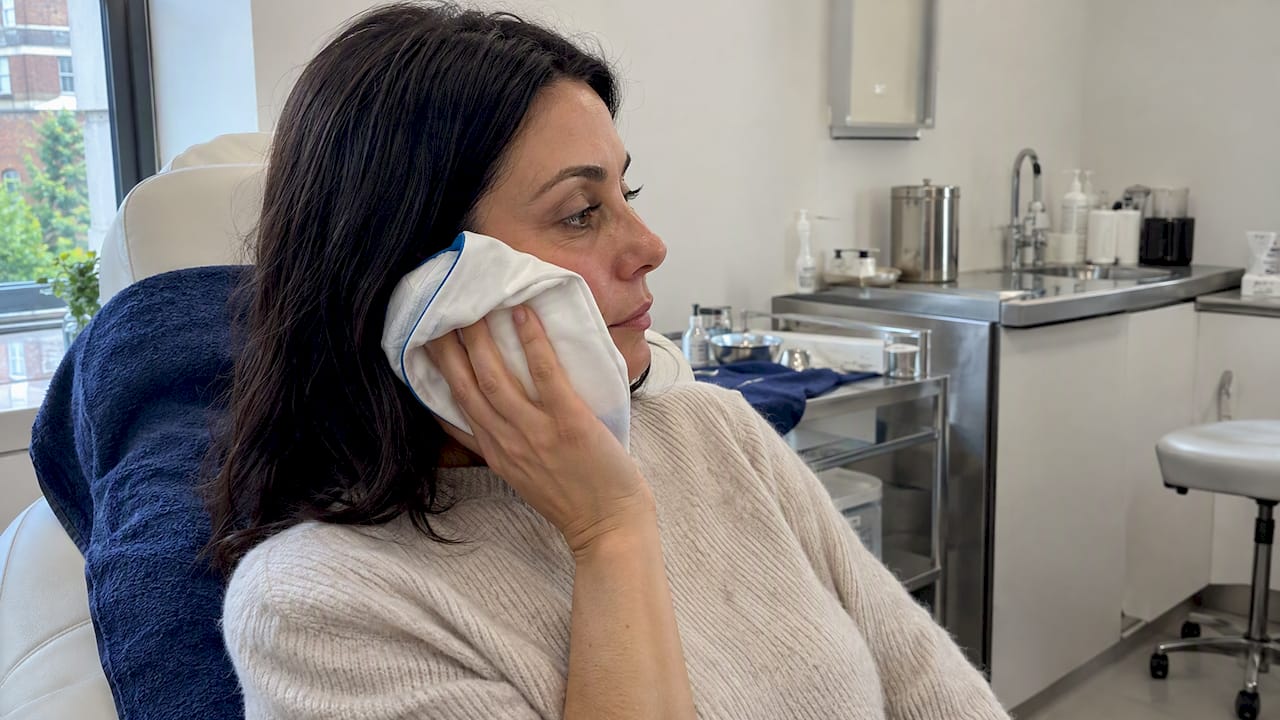


A patient loves their lips immediately after treatment, then a few weeks later notices a soft shelf above the border or a fullness that was not part of the original plan. That is usually the moment they ask what causes filler migration. It is a fair question, and one that deserves a careful answer, because migration is not usually down to one simple mistake. It tends to happen when product choice, placement, anatomy and aftercare do not align as well as they should.
Filler migration describes dermal filler sitting outside the area where it was intended to remain. In practice, this can show up as blurred lip borders, puffiness above or below the lips, cheek filler sitting lower than expected, or under-eye filler creating fullness in the wrong place. Not every change after filler is migration, though. Swelling, fluid retention and normal settling can look similar in the early stages, which is why proper assessment matters.
What causes filler migration in the first place?
The short answer is pressure, product behaviour and anatomy. Filler is a gel, not a fixed implant. Once placed, it integrates with tissue to a degree, but it is still influenced by movement, facial expression, gravity and the physical characteristics of the product itself. If too much filler is placed into a small area, the tissue can only accommodate so much before the product starts to spread beyond the ideal boundary.
Technique also plays a major role. Filler placed too superficially, too close to a border, or in a plane that does not suit the area is more likely to become visible or shift. The lips are a good example. They move constantly when you speak, eat, smile and drink. If filler is repeatedly layered into the lips without enough time between sessions, or if a product with the wrong density is used, migration becomes more likely.
Then there is individual anatomy. Some patients have stronger tissue support than others. Some naturally have thinner skin, weaker retaining ligaments, more fluid retention or previous filler already in place. These details affect how predictably a filler will behave. It is one reason experienced medical practitioners do not approach treatment as one size fits all.
The most common reasons filler moves
Overfilling is one of the biggest factors. Patients sometimes assume that if a little filler creates subtle enhancement, more will simply create a better version of that result. In reality, there is a threshold where the tissue becomes crowded. Once that happens, the product may spread into nearby spaces and create a look that appears puffy rather than refined.
Repeated treatment on top of existing filler can do the same thing. A patient may believe their previous filler has fully dissolved because the initial fullness has reduced, but hyaluronic acid filler can persist for longer than expected. Adding more without checking what is still present can lead to accumulation rather than elegant structure.
Product selection matters too. Different fillers behave differently. Some are designed to provide lift and structure, while others are softer and more flexible. Using a product that is too soft in an area requiring definition, or too heavy in a delicate area, can affect both longevity and placement. Under the eyes, for example, even a small amount of the wrong filler can attract water and create an unhealthy-looking fullness.
Poor injection technique is another recognised cause. That does not only mean obvious inexperience. It can also mean incorrect depth, excessive volume in one session, or failing to respect the natural boundaries of the face. Good filler work is not just about adding volume. It is about understanding tissue layers, support structures and how the face moves over time.
Why lip filler migration is so common
When people ask what causes filler migration, they are often really asking about lips. Lip filler migration is talked about more because it is easier to spot. The lips are central to the face, and even slight changes around the border can alter the overall appearance.
The lips are also a high-movement area with limited space. If too much product is placed too quickly, or if a patient keeps topping up before the filler has properly settled, the product can extend beyond the vermilion border. This may create the familiar “filler moustache” effect above the upper lip. In some cases, what appears to be migration is a combination of residual swelling, natural anatomy and previous product buildup. In others, it is clear displacement of filler beyond the intended lip body.
This is where a consultation-led approach is essential. Sometimes the right answer is not more filler. It may be allowing more time between appointments, adjusting the treatment plan, or dissolving old product before starting again.
Can aftercare cause migration?
Aftercare is relevant, but it is rarely the main cause on its own. Pressing, massaging or heavily manipulating the area too soon after treatment may influence where filler settles, especially in the first few days. Intense facial massage, pressure from certain sleeping positions, or returning to strenuous exercise too quickly can be unhelpful in some cases.
That said, aftercare usually magnifies an underlying issue rather than creating migration from nowhere. A well-placed, appropriately selected filler in the right amount is less likely to move simply because someone smiled, slept on their side once, or had a warm shower. Patients should follow advice carefully, but they should not be left thinking migration is automatically their fault.
What filler migration can look like
Migration does not always present dramatically. Sometimes it is subtle. The lips may lose crisp definition. The under-eye area may look fuller months later rather than fresher. Cheeks may seem heavier or less lifted than expected. In some patients, there is a persistent puffiness that never quite settles into the polished result they were promised.
Timing matters. Immediately after treatment, swelling can mimic migration. True migration is more often suspected when fullness remains in the wrong place after healing, or develops gradually as repeated treatments accumulate. This is why proper review appointments are valuable. They allow the practitioner to distinguish between normal post-treatment changes and a result that needs intervention.
How to reduce the risk of filler migration
The best protection is choosing an experienced medical practitioner who treats filler as a tailored procedure rather than a quick appointment. A thorough consultation should assess your anatomy, previous filler history, skin quality, treatment goals and whether filler is even the right option.
A conservative plan is often the safest and most elegant route. Smaller amounts, placed precisely and reviewed properly, tend to create more natural outcomes than aggressive volume in a single session. This is especially true in the lips and tear troughs, where subtlety matters.
It is also sensible to be honest about previous treatments, even if they were done years ago or elsewhere. Old filler can remain for longer than many patients realise. Knowing what may still be present helps guide whether to add, wait or dissolve.
Finally, follow aftercare properly and attend review appointments if advised. If something looks unusual, seek assessment early rather than trying to massage it away or booking more filler to “balance” it.
When correction is needed
If migration is confirmed, treatment depends on the area, the product and the severity. Sometimes a practitioner may advise watchful waiting if swelling is still resolving. In other cases, dissolving with hyaluronidase is the most appropriate option for hyaluronic acid fillers. This can be particularly useful when there is significant product buildup, distortion or an unnatural outline.
Correction should be approached carefully. Dissolving is a medical treatment, not a beauty add-on, and it should be planned properly with a full discussion of benefits, limitations and possible side effects. In many cases, the most successful outcomes come from resetting the area and rebuilding conservatively once the tissue has settled.
For patients who have lost confidence after a poor experience elsewhere, this stage is often as much about trust as technique. A skilled clinic will not rush to retreat. It will assess, explain and create a bespoke plan designed around safety and natural-looking improvement.
Why expertise matters more than trends
Filler migration has become a social media talking point, but the real issue is not filler itself. It is inappropriate treatment planning, poor technique and the idea that more product automatically means better results. Good aesthetic medicine should respect your anatomy, not fight against it.
At a premium clinic, the goal is not simply to fill. It is to enhance in a way that still looks like you – balanced, refined and medically considered. That may mean advising less treatment, spacing appointments further apart, or recommending an alternative approach entirely.
If you are worried about migration, the most useful next step is not guesswork. It is an expert assessment that looks at the full picture, including what has been done before, how your tissues are responding and what result will genuinely serve you best. The right treatment plan should leave you looking fresher and more confident, never as though your filler has arrived before you do.