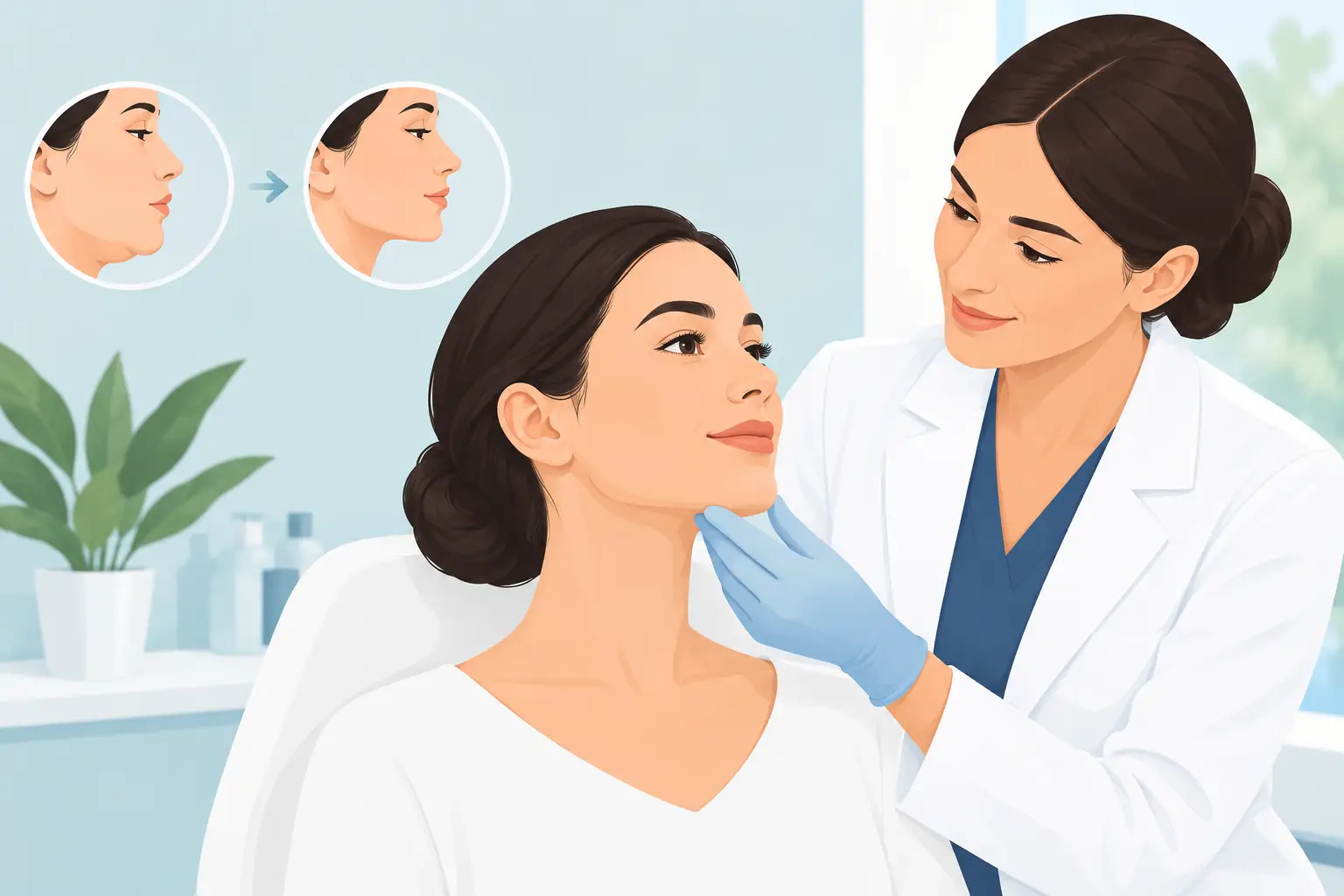


The lips are often one of the first areas patients notice when balance starts to change. Sometimes it is age-related volume loss, sometimes naturally uneven shape, and sometimes a previous treatment that feels too obvious. Whatever brings you to the clinic, most people asking about natural looking lip filler results want the same thing – lips that look fresher, softer and better proportioned, without looking as though they have been “done”.
That distinction matters. Lip filler can be beautifully subtle, but it can also look artificial when the wrong product, technique or treatment plan is used. Natural results are rarely about simply adding more volume. They come from understanding facial harmony, lip anatomy, movement, skin quality and the patient’s own features.
What natural looking lip filler results really mean
Natural looking lip filler results are not about copying a trend, a celebrity image or a single ideal lip shape. They are about creating an outcome that suits your face at rest and in motion. Well-treated lips should fit the proportions of the lower face, support the surrounding area and preserve expression.
For one patient, that may mean restoring definition lost with age. For another, it may mean correcting asymmetry or gently improving hydration and structure without a noticeable size change. In many cases, the most elegant result is the one other people cannot quite identify – you simply look more polished and refreshed.
This is why a consultation-led approach matters. A medically trained practitioner should assess the lips in context, not in isolation. Chin projection, dental profile, the philtrum, cupid’s bow, skin elasticity and the balance between top and bottom lip all influence what will look believable.
Why some lip filler looks unnatural
Unnatural outcomes usually happen when treatment is planned around volume alone. If the aim is simply to make lips bigger, rather than better balanced, the result can overwhelm the face. This is particularly common when patients are overtreated too quickly or when filler is placed without respecting the natural borders and movement of the lips.
Product choice also plays a part. Different fillers have different textures, flexibility and lifting capacity. A product that is too firm or too heavy for delicate lip tissue can create stiffness, visible edges or an exaggerated shape. Technique matters just as much. Poor placement may flatten the lip, blur the border or create fullness in the wrong area.
There is also the question of anatomy and starting point. A naturally thin lip can be enhanced, but there is a limit to how much volume can be added in one sitting before the result starts to look strained. Good practitioners understand when to build gradually and when to advise against a certain look.
How practitioners achieve natural looking lip filler results
The best outcomes are usually built through precision, restraint and a clear plan. That often starts with asking the right question. Not “How much filler do you want?” but “What bothers you about your lips, and what would a good result look like to you?”
Assessment before injection
A proper assessment should look at facial proportions as a whole. Lip shape is only one part of the picture. The practitioner should examine symmetry, lip length, degree of show at rest, existing volume, hydration, dynamic movement and any signs of migration from previous filler.
Medical history is equally important. Previous aesthetic treatment, allergies, healing tendencies and general health all affect suitability and planning. In a premium clinical setting, this stage should never feel rushed.
Product selection and placement
Soft, flexible hyaluronic acid fillers are commonly used for the lips because they integrate well with delicate tissue and can be tailored to subtle enhancement. The product should suit your anatomy and treatment goal rather than being selected as a one-size-fits-all option.
Placement may focus on the border, body of the lip, cupid’s bow or support points depending on what is missing. Some patients need structure more than volume. Others benefit from balancing one side, improving lip hydration or supporting a downturned corner. This is where experience shows. Two patients may receive the same quantity of filler and look completely different because the artistry lies in where and how it is placed.
Less, then review
One of the most reliable ways to keep lips looking elegant is to treat conservatively. Small amounts can make a meaningful difference, particularly in patients new to filler. It is usually better to undercorrect slightly and review than to overfill in a single appointment.
This gradual approach allows the tissue to settle, swelling to resolve and the final shape to become clear before deciding whether more is genuinely needed. It is often the difference between refined and obvious.
The role of age, anatomy and proportion
Not every natural lip looks youthful in the same way. A patient in their late twenties may want more definition and balance. A patient in their forties or fifties may be more concerned with lost volume, vertical lip lines or support around the mouth. The treatment goal changes with the face.
Ageing affects the lips in several ways. The lips can flatten, the border may soften, corners can turn down and the area around the mouth may lose structural support. In these cases, chasing a plumper look can actually appear less natural. A more sophisticated result may come from modest lip enhancement combined with treatment elsewhere, such as peri-oral lines, chin support or broader facial balancing.
Proportion is another essential factor. A naturally elegant result respects the relationship between the upper and lower lip and the surrounding features. If the lips become the dominant feature of the lower face, subtlety is lost. Beautiful work should look in keeping with the patient, not separate from them.
What to ask for at your consultation
Patients often struggle to describe what they want because “natural” means different things to different people. It helps to explain what you do not want as well as what you do. You may prefer softer definition, restoration of volume lost over time, correction of asymmetry or a more hydrated appearance without a dramatic increase in size.
Reference photos can be useful if they reflect your own face at a younger age or show the level of subtlety you like. They are less helpful when they represent somebody with completely different anatomy. An experienced practitioner should translate your preference into a realistic treatment plan rather than simply agreeing to replicate an image.
You should also feel comfortable asking about the product, expected longevity, risks, aftercare and what happens if the result needs reviewing. Safe, bespoke aesthetic care is built on informed decision-making.
Signs your provider is focused on natural results
A practitioner committed to natural lip filler will not start with a syringe size as the main selling point. They will start with assessment, suitability and proportion. They should discuss what is achievable, where caution is needed and whether your goals fit your anatomy.
In a medically led clinic, safety standards should be clear. You want an environment where hygiene, emergency protocols, complication management and clinical judgement are taken seriously. This matters in any injectable treatment, but especially in an area as vascular and visible as the lips.
The consultation should also feel collaborative. Good practitioners listen carefully, but they are also prepared to advise against overtreatment. For many patients in Central London seeking discreet enhancement, that level of honesty is exactly what builds trust.
Aftercare and the settling period
Even the most beautifully performed treatment can look temporarily less refined in the first few days. Swelling, tenderness and minor bruising are common, and lips nearly always look more pronounced immediately after treatment than they will once settled.
This is why it is wise not to judge the final result too early. Most patients need a little patience before shape and softness become clear. Following aftercare advice helps minimise unnecessary irritation and supports a smoother recovery.
If you have had filler before, the settling process may also reveal whether older product has affected the shape. In some cases, dissolving and restarting with a more tailored plan is the best route to achieving a natural finish.
When natural looking lip filler results may need more than lips alone
Sometimes the lips are not the whole story. If the chin is recessed, the profile imbalanced or the skin around the mouth significantly aged, treating the lips in isolation can only do so much. This is where a bespoke plan becomes more valuable than a single treatment request.
At The Aesthetics Room, this broader view reflects how premium aesthetic care should work. The aim is not to chase volume, but to create harmony, safety and confidence through considered treatment planning.
The most successful lip filler is rarely the most noticeable. It is the treatment that respects your features, restores balance and leaves you looking like yourself on your very best day. If that is your goal, choose a practitioner who sees lips as part of the whole face, not a stand-alone trend.