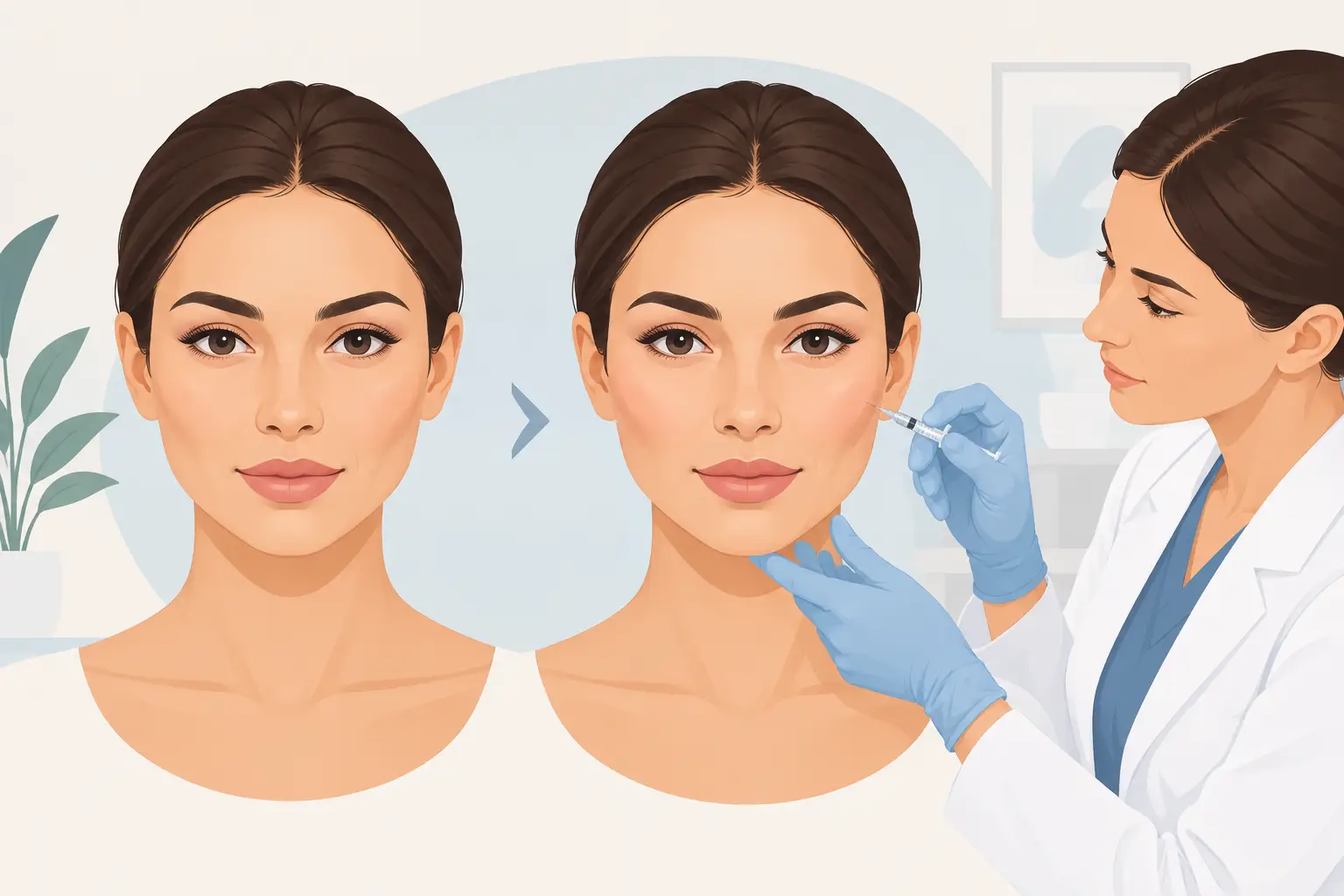


Tired under-eyes rarely come down to one issue. A patient may describe dark circles, but the real concern could be hollowing, crepey skin, puffiness, pigmentation, or a combination of all four. That is why under eye rejuvenation options should never be treated as a one-size-fits-all menu. The best results come from understanding what is creating the tired appearance in the first place, then building a plan around that.
For some people, the change is subtle and preventative. For others, it is the moment they notice they still look exhausted after a good night’s sleep, polished makeup, and a healthy routine. The under-eye area is delicate, expressive, and quick to show age, stress, dehydration, and genetics. It also responds very differently to treatment than other parts of the face, which makes expert assessment especially important.
Why the under-eye area changes so easily
The skin beneath the eyes is thinner than much of the rest of the face, and it sits over complex anatomy. There is movement from smiling and squinting, natural fat pads, blood vessels that can show through thin skin, and structural support from the mid-face and cheek. As collagen declines and facial volume shifts with age, the transition between the lower eyelid and cheek can start to look deeper. This is often what patients refer to as hollowness or a tear trough.
At the same time, skin quality can change. Fine lines may become more visible, especially when concealer settles or the area starts to look dry by midday. Some patients also develop under-eye bags or puffiness, which can make the area look heavier rather than hollow. These concerns may appear together, but they are not treated in the same way.
Under eye rejuvenation options depend on the cause
A good consultation should separate under-eye concerns into categories rather than bundling them together. If darkness is caused by pigmentation, adding volume will not solve it. If puffiness is caused by a protruding fat pad, skin boosters alone may not create the improvement a patient expects. If the issue is loss of support through the cheek, treating only the tear trough may be too narrow an approach.
This is where bespoke planning matters. In a medically led clinic, the goal is not simply to offer a treatment. It is to decide whether a treatment is suitable, whether it should be combined with another approach, or whether a patient would be better advised not to treat the area directly at all.
Tear trough filler for hollowing
When the under-eye looks sunken or shadowed, tear trough filler is often the treatment patients ask about first. In the right patient, it can soften the hollow between the lower eyelid and cheek, making the face look fresher and more rested without changing expression.
That said, this is one of the most technique-sensitive injectable treatments in aesthetics. The under-eye area can swell, hold product, or look uneven if the wrong filler is used, too much is placed, or the patient is not an ideal candidate. Patients with significant puffiness, poor skin elasticity, or lymphatic congestion may not be well suited to under-eye filler, even if they feel the area looks hollow.
A careful practitioner may also recommend treating the mid-face first. Sometimes the under-eye appears tired because the cheek has lost support. Restoring structure there can improve the area naturally and may reduce the amount of direct under-eye treatment needed.
Skin boosters and regenerative treatments for crepey skin
If the main issue is texture, dehydration, or fine creasing, skin quality treatments can be a better fit than filler. Skin boosters and other regenerative approaches are used to improve hydration, elasticity, and overall skin quality rather than create volume.
These treatments can work well for patients who dislike the papery look of the under-eye area or feel makeup catches in fine lines. Results are typically subtler than filler and often develop gradually over a course of sessions. That appeals to many patients who want refinement rather than a dramatic shift.
The trade-off is that they do not replace missing structural support. If hollowness is the dominant concern, skin boosters alone may leave a patient underwhelmed. They can, however, be an excellent part of a wider plan.
Anti-wrinkle treatment for dynamic lines
Some under-eye concerns are linked to muscle movement. Fine lines that deepen when smiling may respond to carefully placed anti-wrinkle treatment in selected cases. This is not suitable for everyone, and the area needs a conservative approach. Too much relaxation can affect natural expression or alter the way the lower eyelid sits.
For that reason, this is usually considered only after a detailed facial assessment. The aim should always be softening, not freezing. Natural-looking results matter even more around the eyes because this is where expression, warmth, and identity are most visible.
Chemical peels, polynucleotides and collagen-focused treatments
For pigmentation, dullness, and general skin ageing, some patients benefit from treatments that encourage renewal and support collagen production. Depending on the concern, this may include carefully selected peels or injectable regenerative treatments designed to improve skin condition over time.
These approaches tend to suit patients who want improvement in skin quality and brightness, especially when the issue is not mainly volume loss. They can also be useful for younger patients who are not ready for filler but want to address early signs of fatigue around the eyes.
Again, expectations matter. If genetic dark circles are caused by anatomy or visible blood vessels beneath thin skin, no single treatment will erase them completely. Improvement is realistic. Perfection usually is not.
When under-eye filler is not the answer
One of the most reassuring signs of a quality consultation is being told no when no is appropriate. Not every patient is a candidate for tear trough filler, and not every tired under-eye can be corrected non-surgically.
Prominent eye bags, significant skin laxity, or chronic swelling may point towards a different solution altogether. In some cases, the most responsible advice is to avoid filler because it may worsen the appearance. In others, a combination of skin treatment, lifestyle advice, and treatment elsewhere on the face offers a better result than focusing on the under-eye alone.
This can be disappointing in the moment, but it is exactly the kind of judgement patients should look for. Safety and outcome go hand in hand.
The role of lifestyle and wider facial assessment
Patients often assume under-eye ageing starts and ends beneath the lower lid, but the face works as a whole. Sleep, stress, hydration, allergies, sun exposure, and weight fluctuation can all affect how the area looks. So can the position of the brow, temple hollowing, and mid-face volume loss.
That does not mean the answer is always extensive treatment. It means the best aesthetic planning is broad enough to see the full picture. A refined result often comes from small, well-judged adjustments rather than chasing a single feature in isolation.
For patients in central London seeking discreet, polished improvement, this is often the difference between looking treated and simply looking better. The most successful outcomes do not draw attention to the under-eye. They make the whole face appear more rested, balanced, and confident.
How to choose safely among under eye rejuvenation options
The under-eye is not an area to treat impulsively. Credentials, clinical judgement, and anatomical knowledge matter enormously here. Patients should feel comfortable asking who will assess them, whether the plan is tailored, what product or treatment is being used, what the limitations are, and what happens if a treatment is not suitable.
It is also worth paying attention to how a clinic discusses results. Responsible providers talk about suitability, subtlety, review appointments, and risk management. They do not promise a universally perfect fix. Under-eye rejuvenation is often highly effective, but it is nuanced, and honest guidance is part of good care.
At a clinic such as The Aesthetics Room, where consultation-led treatment planning sits at the centre of care, this level of detail is exactly what helps patients make confident decisions. A bespoke plan should reflect not just the anatomy of the under-eye, but the patient’s wider facial balance, comfort with downtime, and preference for gradual or more immediate change.
If your under-eye area is starting to bother you, the most useful first step is not choosing a treatment. It is choosing an assessment that looks properly at why the area has changed, because the right plan should make you look less tired, not more treated.