
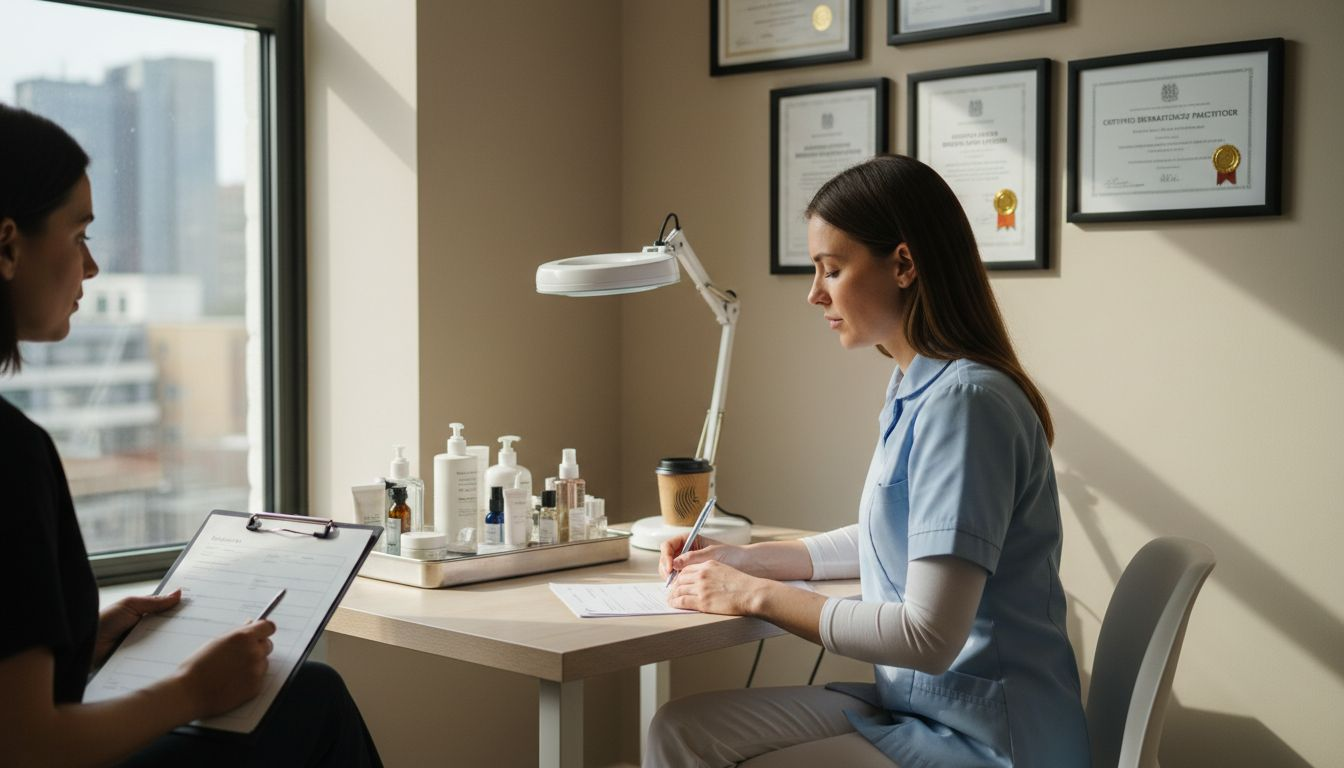

Nearly 85 percent of british adults now prefer non-invasive cosmetic treatments over surgery, seeking luxury results without compromising on safety. In a city like London where discerning clients demand only the highest standards, choosing the right clinic makes all the difference. This guide reveals how to secure superb aesthetic outcomes while prioritizing personal care, clinical expertise, and the trusted credentials that define exceptional british aesthetic medicine.
Table of Contents
- 1. Choose Accredited Clinics For Safety And Results
- 2. Book Bespoke Consultations With Qualified Practitioners
- 3. Understand Your Skin Type Before Any Procedure
- 4. Prioritise Non-Invasive Treatments For Gentle Rejuvenation
- 5. Follow Aftercare Advice For Lasting Benefits
- 6. Schedule Regular Maintenance Appointments
- 7. Integrate Holistic Wellbeing Into Your Skin Regimen
Quick Summary
| Takeaway | Explanation |
|---|---|
| 1. Choose Accredited Clinics | Selecting clinics registered with the CQC ensures compliance with safety and professional standards. The JCCP register verifies practitioner qualifications. |
| 2. Book Bespoke Consultations | A personalised consultation assesses your unique skin needs and allows for tailored treatment plans from qualified practitioners. |
| 3. Understand Your Skin Type | Identifying your skin type is essential for selecting appropriate treatments and developing an effective skincare strategy. |
| 4. Prioritise Non-Invasive Treatments | Non-invasive treatments like laser therapy offer effective rejuvenation with minimal downtime and natural-looking results. |
| 5. Follow Aftercare Advice | Implementing specific aftercare recommendations can optimise healing and enhance the longevity of your aesthetic treatments. |
1. Choose Accredited Clinics for Safety and Results
When seeking professional skin treatments, your safety should always be the paramount consideration. Selecting an accredited clinic is not merely a recommendation but a critical step in protecting your health and ensuring exceptional results.
Navigating the world of aesthetic treatments requires careful research and discernment. The Care Quality Commission (CQC) provides an essential benchmark for evaluating clinics. By choosing a CQC-registered healthcare provider, you guarantee that the clinic meets stringent standards of professional practice, hygiene, and practitioner qualification.
Moreover, the Joint Council for Cosmetic Practitioners (JCCP) offers another layer of verification. Their accredited register allows patients to confirm that practitioners adhere to the highest standards of education, ethical conduct, and professional competence. Checking the JCCP register provides an additional safeguard, ensuring you receive treatment from genuinely qualified professionals.
Key factors to investigate include the clinic’s regulatory compliance, practitioner credentials, years of experience, and patient testimonials. Request to see professional certifications, ask about their training background, and review before-and-after photographs of previous treatments.
Experts Tip: Request a comprehensive consultation before any treatment. During this session, verify the practitioner’s credentials, discuss your specific skin concerns, and assess their professional approach and communication style.
2. Book Bespoke Consultations with Qualified Practitioners
A personalised consultation serves as the critical foundation for any successful skin treatment journey. Understanding your unique skin characteristics, concerns, and aesthetic goals requires a comprehensive and tailored approach.
Qualified practitioners bring expertise that transcends generic treatment protocols. During a bespoke consultation, they conduct a thorough assessment of your skin type, medical history, lifestyle factors, and specific aesthetic objectives. This detailed evaluation allows them to design a treatment plan precisely calibrated to your individual needs.
The consultation process involves more than simply recommending treatments. Expert practitioners will examine your skin’s texture, hydration levels, pigmentation, underlying structural characteristics, and potential sensitivity. They will discuss realistic expectations, potential outcomes, recovery timelines, and any potential risks associated with proposed treatments.
Your initial consultation represents an opportunity to establish trust, ask comprehensive questions, and gain insights into professional skincare strategies. Prepare a list of specific concerns, bring photographs documenting skin changes, and be prepared to discuss your skincare routine, diet, stress levels, and overall health.
Experts Tip: Schedule consultations during times when you are not rushed and can engage in a detailed conversation. Bring recent photographs of your skin, wear minimal makeup, and be prepared to discuss your complete medical history for the most accurate assessment.
3. Understand Your Skin Type Before Any Procedure
Every individual’s skin is unique, presenting a complex landscape of characteristics that demands personalised understanding. Identifying your precise skin type is fundamental to selecting appropriate treatments and developing an effective skincare strategy.
Skin types are not static entities but dynamic systems that evolve with age, environment, and lifestyle factors. Understanding the nuanced differences between skin conditions can transform your approach to skincare and aesthetic treatments.
Generally, skin types fall into five primary categories: normal, oily, dry, combination, and sensitive. Each type requires a tailored approach for optimal care. Oily skin typically appears shiny and is prone to enlarged pores and potential breakouts. Dry skin feels tight, may appear flaky, and often requires intensive hydration. Combination skin presents multiple characteristics across different facial zones, while sensitive skin reacts quickly to environmental triggers and skincare products.
Professional practitioners use sophisticated diagnostic techniques to assess skin type, examining factors like sebum production, hydration levels, elasticity, and potential sensitivities. This comprehensive evaluation goes beyond surface level observations, considering genetic predispositions, hormonal influences, and lifestyle impacts that contribute to skin health.
Experts Tip: Conduct a 24 hour skin observation before your consultation. Cleanse your face, avoid applying products, and monitor how your skin behaves naturally to provide your practitioner with valuable insights into your unique skin characteristics.
4. Prioritise Non-Invasive Treatments for Gentle Rejuvenation
The world of aesthetic medicine has evolved dramatically, offering sophisticated alternatives to traditional surgical interventions. Non-invasive treatments represent a revolutionary approach to skin rejuvenation, providing remarkable results with minimal discomfort and downtime.
Modern technology has transformed skin treatments, enabling practitioners to deliver impressive results through non-surgical face lift options that are both gentle and highly effective. Innovative techniques such as laser therapy, intense pulsed light, ultrasound, and radiofrequency treatments can address multiple skin concerns simultaneously without significant recovery periods.
These advanced treatments work by stimulating the body’s natural regenerative processes. Laser technologies can target specific skin layers, promoting collagen production and reducing fine lines. Radiofrequency treatments gently heat deeper skin tissues, encouraging cellular renewal and improving skin elasticity. Ultrasound therapies can lift and tighten skin without surgical intervention, offering a nuanced approach to facial rejuvenation.
Key advantages of non-invasive treatments include minimal risk, reduced recovery time, and natural looking results. Patients can typically return to daily activities immediately after treatment, with progressive improvements becoming visible over subsequent weeks. The precision of these techniques allows for targeted interventions that address specific skin concerns without widespread trauma.
Experts Tip: Request a comprehensive skin assessment before any treatment to ensure the selected non-invasive procedure matches your specific skin type and aesthetic goals.
5. Follow Aftercare Advice for Lasting Benefits
Successful skin treatments extend far beyond the initial procedure, with comprehensive aftercare playing a critical role in achieving optimal results. Professional practitioners invest significant expertise in developing personalised recovery protocols tailored to individual skin responses and treatment specifics.
The dermal filler aftercare guidelines represent a prime example of how precise post treatment management can dramatically influence outcomes. Understanding and implementing these recommendations can accelerate healing, minimise potential complications, and enhance the longevity of your aesthetic enhancements.
Key aftercare considerations include managing potential inflammation, protecting treated areas from direct sunlight, avoiding strenuous physical activities, and maintaining appropriate skincare hygiene. Each treatment modality presents unique recovery requirements some demanding minimal intervention while others necessitate more comprehensive management strategies.
Professional clinics typically provide detailed written instructions covering medication interactions, recommended topical treatments, signs of potential complications, and specific lifestyle modifications during the recovery period. These guidelines are meticulously developed based on clinical research and practitioner experience to support optimal healing and aesthetic results.
Experts Tip: Document your recovery progress with photographs and maintain open communication with your practitioner, reporting any unexpected symptoms or concerns promptly to ensure comprehensive post treatment support.
6. Schedule Regular Maintenance Appointments
Skin health is an ongoing journey, not a singular destination. Regular maintenance appointments serve as strategic checkpoints that allow professional practitioners to monitor your skin’s evolving condition, adjust treatment strategies, and proactively address emerging concerns.
Consistent professional assessments create a comprehensive understanding of your skin’s unique characteristics and response patterns. These periodic evaluations enable practitioners to track subtle changes, recommend personalised interventions, and design adaptive treatment plans that evolve alongside your skin’s natural progression.
Maintenance appointments typically involve detailed skin analysis, performance reviews of previous treatments, and recalibration of skincare strategies. During these sessions, practitioners can assess treatment efficacy, discuss potential adjustments, and recommend targeted interventions that address emerging signs of ageing, environmental damage, or specific skin health challenges.
The frequency of maintenance appointments varies depending on individual skin characteristics, treatment history, age, lifestyle factors, and specific aesthetic goals. Some individuals might benefit from quarterly consultations, while others may require more or less frequent professional assessments. Your practitioner can develop a personalised maintenance schedule tailored to your unique skin profile.
Experts Tip: Create a dedicated digital or physical folder documenting your skin treatment history, including photographs, treatment details, and practitioner recommendations. This comprehensive record will provide invaluable insights during future maintenance appointments.
7. Integrate Holistic Wellbeing Into Your Skin Regimen
True skin health transcends surface treatments and topical interventions. A comprehensive approach recognises the intricate connections between physical wellbeing, emotional balance, and skin vitality.
Research demonstrates that specialised skin treatments integrate multiple lifestyle factors beyond traditional cosmetic interventions. Nutrition, sleep quality, stress management, and physical activity profoundly influence skin appearance, regeneration, and long term health.
Nutritional choices play a critical role in skin maintenance. Consuming antioxidant rich foods, maintaining adequate hydration, and incorporating omega 3 fatty acids can support skin elasticity, reduce inflammation, and promote cellular repair. Similarly, consistent sleep patterns allow the body to conduct essential regenerative processes that directly impact skin cell renewal and collagen production.
Stress management represents another fundamental component of holistic skin wellness. Chronic stress triggers hormonal responses that can accelerate ageing, compromise immune function, and disrupt natural skin repair mechanisms. Implementing mindfulness practices, regular exercise, and establishing healthy emotional boundaries can mitigate these negative physiological impacts.
Experts Tip: Create a weekly wellness journal tracking nutrition, sleep patterns, stress levels, and skin condition. This systematic approach will help you identify correlations and optimise your holistic skincare strategy.
Below is a comprehensive table summarising the primary considerations and strategies discussed in the article related to professional skin treatments and holistic skincare approaches.
| Aspect | Details | Benefits |
|---|---|---|
| Accredited Clinics | Ensure the clinic is registered with CQC, emphasising practitioner qualifications and hygiene standards. | Assures safety and optimal treatment outcomes. |
| Personalised Consultations | Schedule bespoke consultations to assess individual skin type, health, and aesthetic goals. | Facilitates customised treatment plans tailored to specific concerns. |
| Skin Type Analysis | Identify unique skin characteristics, considering factors affecting conditions dynamically. | Basis for selecting effective treatments and skincare strategies. |
| Non-Invasive Treatments | Opt for modern, technology-driven methods like laser therapy or ultrasound for rejuvenation. | Offers targeted results with minimal downtime and diminished risks. |
| Post-Treatment Aftercare | Follow professional guidelines for managing recovery and optimising results. | Enhances treatment longevity and minimises recovery complications. |
| Regular Maintenance | Maintain scheduled skin evaluations and adaptable care plans with your practitioner. | Monitors changes and sustains overall skin health. |
| Holistic Wellbeing | Integrate balanced nutrition, stress management, and good sleep practices into skincare routines. | Supports comprehensive skin vitality and long-term aesthetic goals. |
Unlock Radiant Skin with Expert Care at The Aesthetics Room
Achieving radiant and healthy skin means addressing your unique skin type with personalised, professional treatments tailored to your individual goals. If safety, expert advice, and lasting results are your priorities, then choosing a clinic accredited with the highest standards is essential. At The Aesthetics Room, we understand the importance of bespoke consultations and prioritising non-invasive options for gentle yet effective skin rejuvenation.
Explore our range of advanced Skin Treatments designed to suit all skin types and concerns. Whether you seek natural enhancements with expertly delivered Dermal Fillers or want to smooth dynamic lines through our Anti Wrinkle options, our accredited practitioners in London’s Knightsbridge deliver personalised care with proven expertise. Act now to book your consultation and step confidently on the path to glowing, youthful skin at The Aesthetics Room.
Frequently Asked Questions
What should I look for when choosing a skin treatment clinic?
Choose an accredited clinic that meets strict safety and hygiene standards, such as those registered with the Care Quality Commission (CQC). Research the clinic’s compliance, practitioner credentials, and patient testimonials to ensure you receive high-quality care.
How can I prepare for a personalised skin treatment consultation?
Prepare for your consultation by listing specific skin concerns, bringing recent photographs, and noting your skincare routine, diet, and overall health. This will help the practitioner assess your needs and design an effective treatment plan tailored to you.
What are the benefits of non-invasive skin treatments?
Non-invasive treatments offer impressive results with minimal discomfort and downtime compared to traditional surgery. These procedures stimulate the body’s natural healing processes, often allowing immediate return to daily activities.
How can I ensure optimal recovery after a skin treatment?
Follow the aftercare advice provided by your practitioner meticulously. This includes managing inflammation, protecting treated areas from sunlight, and maintaining proper skincare hygiene to enhance recovery and results.
Why is it important to schedule regular maintenance appointments for my skin?
Regular maintenance appointments allow your practitioner to monitor changes in your skin and adjust treatments as needed. Aim for evaluations every few months to keep your skincare strategy effective and aligned with your skin’s evolving needs.
How does holistic wellbeing influence my skin’s health?
Incorporating holistic wellbeing practices, such as proper nutrition, adequate sleep, and stress management, significantly impacts skin appearance and health. Track your wellness habits to identify what supports your skin best and adjust your routine accordingly.