
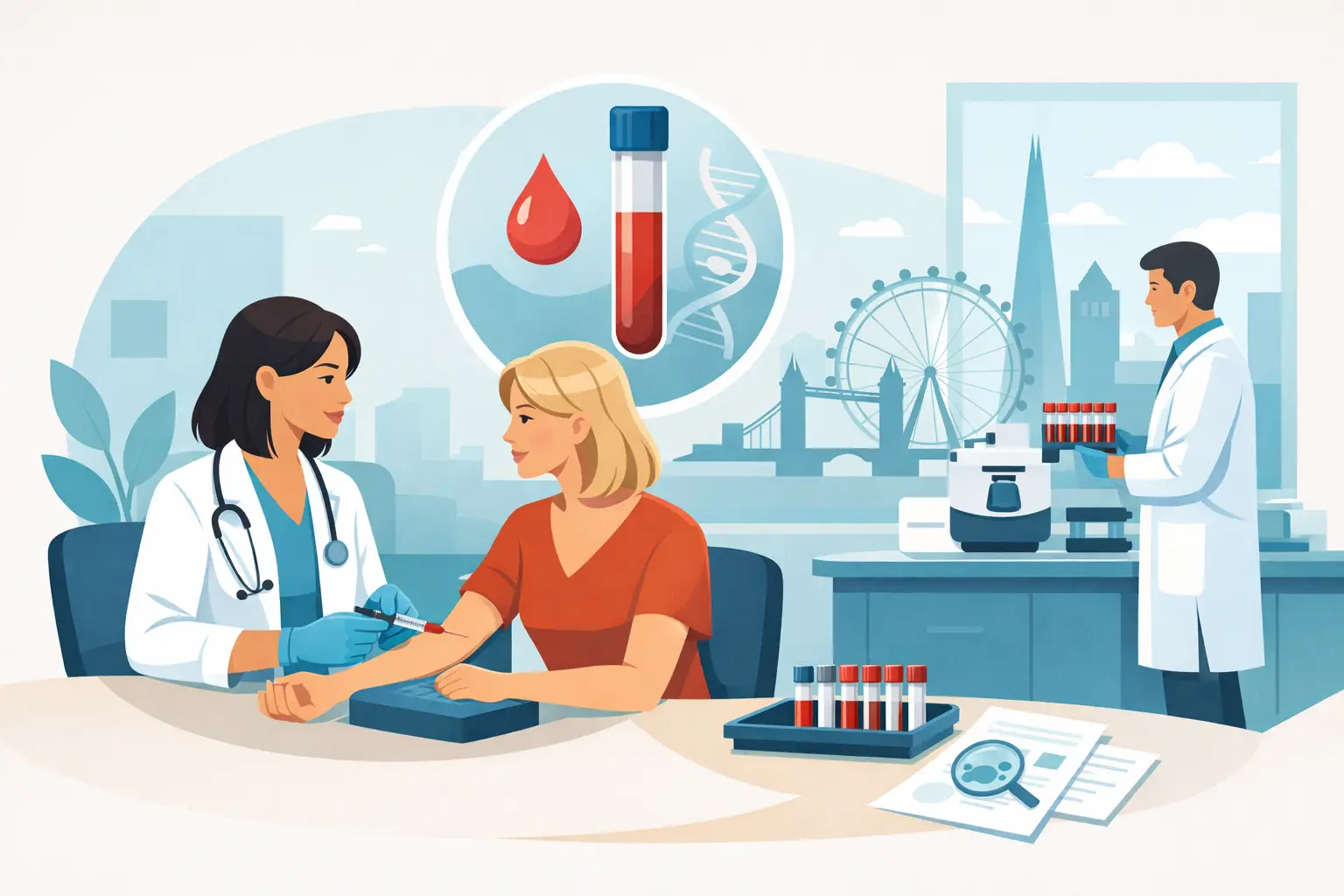

A persistent feeling of fatigue, changes in hair quality, low mood or a sense that you are simply not performing at your best can be difficult to explain away. Private blood tests London provide a discreet, efficient route to clearer health information, with results considered in the context of your symptoms, lifestyle and wider wellbeing goals.
For many people, the value is not just in receiving a report. It is in having a medically informed conversation about what the numbers may mean, whether anything needs further investigation and what practical next steps are appropriate. At a premium clinic, this process should feel considered, confidential and tailored to you.
Why people choose private blood tests in London
Life in London moves quickly, and it is easy to postpone health checks when there is no obvious reason to see a doctor. Private testing can suit people who want a proactive overview, have a particular concern they would like assessed, or prefer flexible appointments and a more personalised consultation experience.
Blood tests may be useful when you are experiencing ongoing tiredness, reduced concentration, hair shedding, changes in weight, disrupted sleep, low libido or a noticeable decline in skin vitality. They can also form part of a broader wellbeing plan before IV vitamin therapy, a hair-focused programme or an aesthetic treatment journey where overall health may influence how you look and feel.
There is an important distinction between testing for reassurance and testing with purpose. A broad panel can be helpful in the right circumstances, but more tests do not automatically deliver more useful answers. The most valuable approach starts with your history, symptoms, medication and goals, then selects relevant markers rather than treating blood testing as a generic checklist.
What can private blood tests assess?
The right test depends on what you would like to understand. A clinician may recommend a general health profile for a wider snapshot, or a more focused panel where symptoms point towards a specific area.
Common areas of assessment include full blood count, iron and ferritin status, vitamin B12 and folate, vitamin D, thyroid function, cholesterol and blood glucose. Liver and kidney markers may also be included where clinically appropriate. For those with concerns around energy, body composition, menstrual changes, libido or hair loss, hormone-related testing may be discussed, although timing, medication and individual circumstances matter greatly when interpreting these results.
For example, low ferritin may be relevant for some people experiencing hair shedding or fatigue, but it is not the only possible explanation. Equally, a result that sits within a laboratory reference range does not always tell the whole story. Your symptoms, previous results, age, sex, medical history and current treatment all shape the clinical picture.
Blood tests for skin, hair and wellbeing
Skin and hair concerns are often treated as purely cosmetic, yet they can occasionally be influenced by nutritional status, thyroid function, iron stores, hormonal changes or stress. Testing cannot promise to identify a cause in every case, nor can it replace an examination or specialist assessment. It can, however, provide useful information before investing in a longer-term treatment plan.
For clients considering hair treatments, targeted blood work may help identify factors worth discussing with a GP or specialist. For those focused on skin quality and vitality, testing may support more informed conversations around nutrition, hydration, recovery and appropriate wellbeing treatments. This is where a consultation-led approach is more valuable than a one-size-fits-all package.
The private blood test process
A high-quality testing experience should begin before the blood draw. You may be asked about your symptoms, health conditions, supplements, prescribed medication and any recent illness. Be open about everything you take, including vitamins, biotin, weight-loss medication and hormonal contraception, as these can affect certain results or their interpretation.
Your clinician will explain which tests are being considered and why. Some tests require preparation, such as fasting for a specified period or attending at a particular time of day. Others may be affected by intense exercise, alcohol, dehydration or a recent course of supplements. Following these instructions helps make the results as reliable as possible.
The sample is usually taken with a straightforward venous blood draw. You may feel a brief scratch, followed by mild pressure. Small bruises can happen, particularly if you bruise easily or take medication that affects clotting, but they generally settle quickly. Results are often available within a few days, although specialist tests can take longer.
The follow-up matters as much as the test itself. Your results should be reviewed clearly, with an opportunity to ask questions rather than being left to interpret unfamiliar medical terminology alone. At The Aesthetics Room, this consultation-led standard supports a more thoughtful approach to wellbeing, particularly where blood testing sits alongside a bespoke aesthetic, skin or hair plan.
How to choose a provider for private blood tests London
Convenience is helpful, but it should not be the sole deciding factor. Look for a clinic that treats blood testing as a clinical service rather than an add-on. You should understand who is taking the sample, how results are reviewed, what follow-up is available and whether the provider will advise when GP or specialist care is more suitable.
Medical standards, hygiene and confidentiality are essential. In a setting that offers injectable and wellbeing treatments, professional oversight is particularly important, as blood-test findings may need to be considered alongside your broader medical history and treatment suitability.
It is also sensible to ask about the scope of the panel before booking. A low headline price can sometimes cover only a small number of markers, while a large panel may include measurements that are unlikely to be relevant to you. The right choice is the one that answers a genuine clinical question and comes with meaningful interpretation.
Understanding results without jumping to conclusions
Blood results are rarely a simple pass or fail. Laboratory ranges are based on population data, and a result outside the stated range does not always indicate serious illness. Conversely, a result within range may still need discussion when symptoms are significant or persistent.
Avoid making major changes to medication, supplements or diet based solely on a result received by email. A clinician can help distinguish between a finding that can be monitored, one that calls for a lifestyle adjustment and one that needs prompt onward assessment. If a result indicates a potential concern, responsible providers should be clear about the next step rather than overpromising what an aesthetic or wellbeing clinic can resolve.
Private testing also does not replace routine NHS care, emergency services or specialist investigation. Seek urgent medical help for symptoms such as chest pain, severe shortness of breath, sudden weakness, fainting, significant bleeding or thoughts of self-harm. For persistent or worrying symptoms, your GP remains an important part of your care.
Is fasting always required?
No. Fasting depends on the tests ordered. Some glucose and lipid assessments may require it, while many routine markers do not. Your clinician should give clear instructions in advance, including whether water is permitted.
Can supplements affect blood test results?
Yes. Biotin, iron, vitamin B12, vitamin D and other supplements can influence certain readings. Do not stop prescribed medication without medical advice, but tell your clinician exactly what you are taking and when you last took it.
Are private blood tests right for everyone?
They can be useful for many adults, but they are not always the best first step. If you have acute symptoms, complex medical conditions, are pregnant, or need ongoing monitoring for a diagnosed illness, your GP or treating specialist may be better placed to advise.
The most reassuring blood test is one that leads to sensible, personalised action. Whether your goal is to understand persistent symptoms, support your skin and hair journey or take a more proactive view of wellbeing, choose care that puts clinical judgement and your long-term health first.