

A face can look tired, dehydrated or less firm long before it needs added volume. That is where the question of polynucleotides versus boosters becomes particularly relevant. Both injectable treatments are chosen to improve skin quality rather than reshape facial features, yet they work in different ways and suit different concerns. The right choice is not about following the latest treatment trend. It is about understanding what your skin is showing you, what it needs, and how to support it safely.
What are skin boosters?
Skin boosters are injectable treatments designed primarily to improve hydration, texture and radiance. Most commonly, they contain hyaluronic acid, a substance that naturally occurs in the skin and helps it retain moisture. Unlike dermal filler, a skin booster is not placed to create contour, lift cheeks or define the jawline. It is administered more superficially across an area to enhance overall skin quality.
For the right patient, this can mean skin that looks fresher, smoother and more luminous. Fine dehydration lines may appear softened, make-up may sit more evenly, and the skin can have a healthier, less crepey appearance. Common treatment areas include the face, neck, décolletage and hands.
The word “booster” can be used rather broadly in aesthetics, so it is worth asking exactly what is being recommended. Some formulations focus on hyaluronic acid hydration, while others may include ingredients intended to support collagen production or skin vitality. A medical consultation should clarify the product, treatment protocol and realistic outcome rather than treating all boosters as interchangeable.
What are polynucleotides?
Polynucleotides are regenerative injectable treatments used to support skin repair and improve tissue quality. They are highly purified DNA fragments, typically derived from fish sources, that are biocompatible and used in carefully selected aesthetic protocols. Rather than acting mainly as a moisture reservoir, polynucleotides are intended to create a more favourable environment for the skin’s natural restorative processes.
They are often selected when the concern extends beyond surface-level dehydration. Patients may be considering polynucleotides for delicate, compromised or lacklustre skin, fine lines around the eyes, loss of elasticity, post-inflammatory skin concerns or an overall reduction in skin resilience. They can also be particularly useful in areas where filler would not be the appropriate answer, such as the under-eye region.
Results are gradual. Polynucleotides are not designed to give an instant filled effect, and that is part of their appeal for patients seeking discreet, natural-looking improvement. Treatment is usually planned as a course, with changes developing over the following weeks as the skin becomes better supported.
Polynucleotides versus boosters: the key difference
The simplest distinction is that skin boosters are generally chosen to replenish hydration, while polynucleotides are selected to support repair, tissue quality and longer-term skin function. In practice, the decision is more nuanced.
If your skin feels dry, looks dull and has fine lines that are more visible after travel, stress or central heating, a hyaluronic acid skin booster may be an excellent option. It can improve moisture levels and give the complexion a more rested appearance without changing how you look.
If the skin appears thin, fragile, crepey or slow to recover, or if you are noticing a broader decline in firmness and quality, polynucleotides may be better aligned with the concern. They are particularly popular with patients who want to prioritise skin health and prevention, rather than rely on treatments that focus solely on immediate cosmetic correction.
Neither treatment should be presented as universally better. A booster may be exactly right for a dehydrated complexion, while polynucleotides may be more appropriate for someone seeking regenerative support around the eyes or across more delicate skin. For some patients, a staged plan involving both treatments at different times can be the most considered approach.
Which treatment is best for common concerns?
Dullness and dehydration
Skin boosters are often the first consideration when dullness is linked to dehydration. They can help improve light reflection from the skin, which is one reason a well-hydrated complexion tends to look brighter and smoother. Patients who want a polished result before an event may appreciate this focus, although treatment should still be scheduled with enough time for any expected settling period.
Fine lines and crepey texture
Both options may have a role here. A skin booster can soften the appearance of fine dehydration lines, particularly across the cheeks and lower face. Polynucleotides may be considered when fine lines are accompanied by fragile texture or declining elasticity, especially in more challenging areas such as around the eyes.
Under-eye concerns
The under-eye area needs a cautious, individual assessment. Shadows, puffiness, hollowing, pigmentation and thin skin can all create the appearance of tiredness, but they do not respond to the same treatment. Polynucleotides may be suitable for improving skin quality in this delicate area. However, they are not a substitute for volume correction where true hollowing is the main issue, and no injectable treatment is appropriate for every form of under-eye puffiness.
Preventative skin maintenance
For patients in their twenties and thirties, the goal is often maintaining good skin quality rather than correcting significant change. Skin boosters can be a useful part of a hydration-led maintenance plan. Polynucleotides may appeal to those who want a more regenerative strategy, particularly if their skin has been affected by stress, sun exposure, smoking history or repeated inflammation.
Mature skin and loss of resilience
As skin becomes thinner and less elastic, one treatment alone may not address every concern. Polynucleotides can be a valuable part of a wider plan for skin quality, while boosters may help restore hydration and luminosity. Where volume loss or structural change is present, other carefully selected treatments may also be discussed. A refined result comes from treating the cause of the concern, not repeatedly treating the visible symptom.
What does treatment involve?
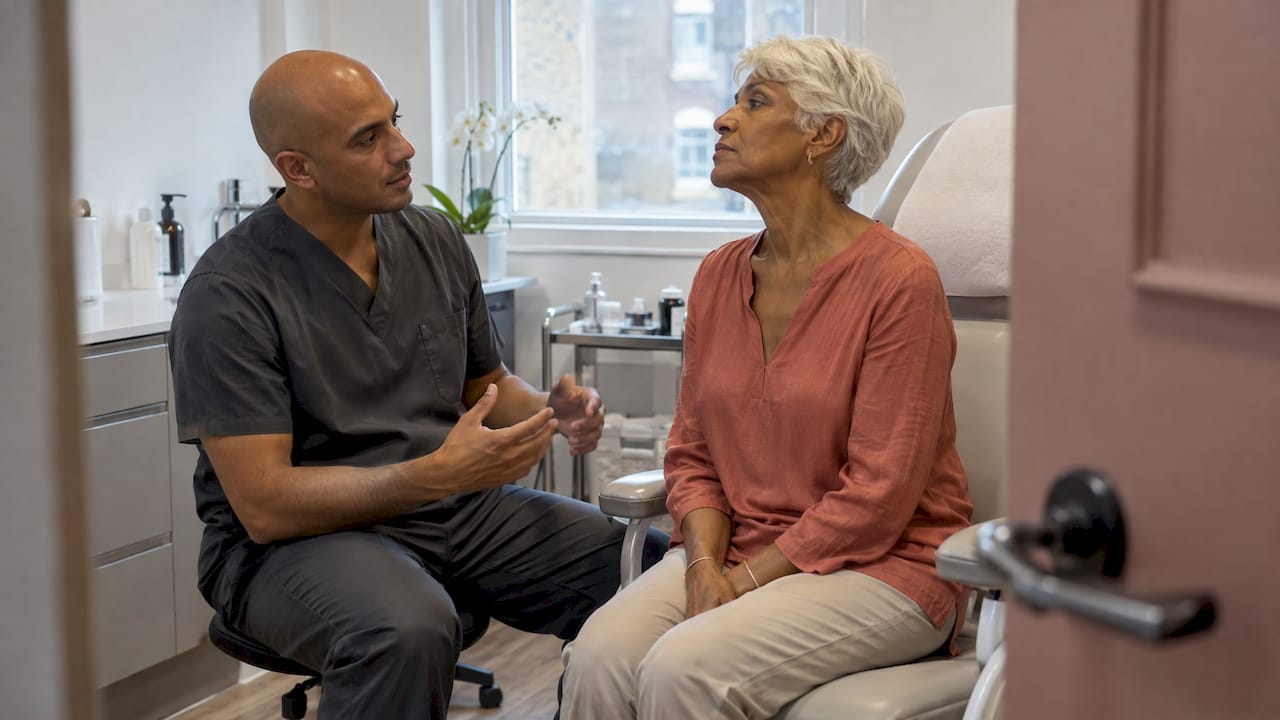
Both treatments begin with a proper medical consultation. Your practitioner should review your concerns, medical history, current skincare, previous injectable treatments and expectations. They should also assess skin quality in person, including hydration, texture, laxity, pigmentation and facial movement.
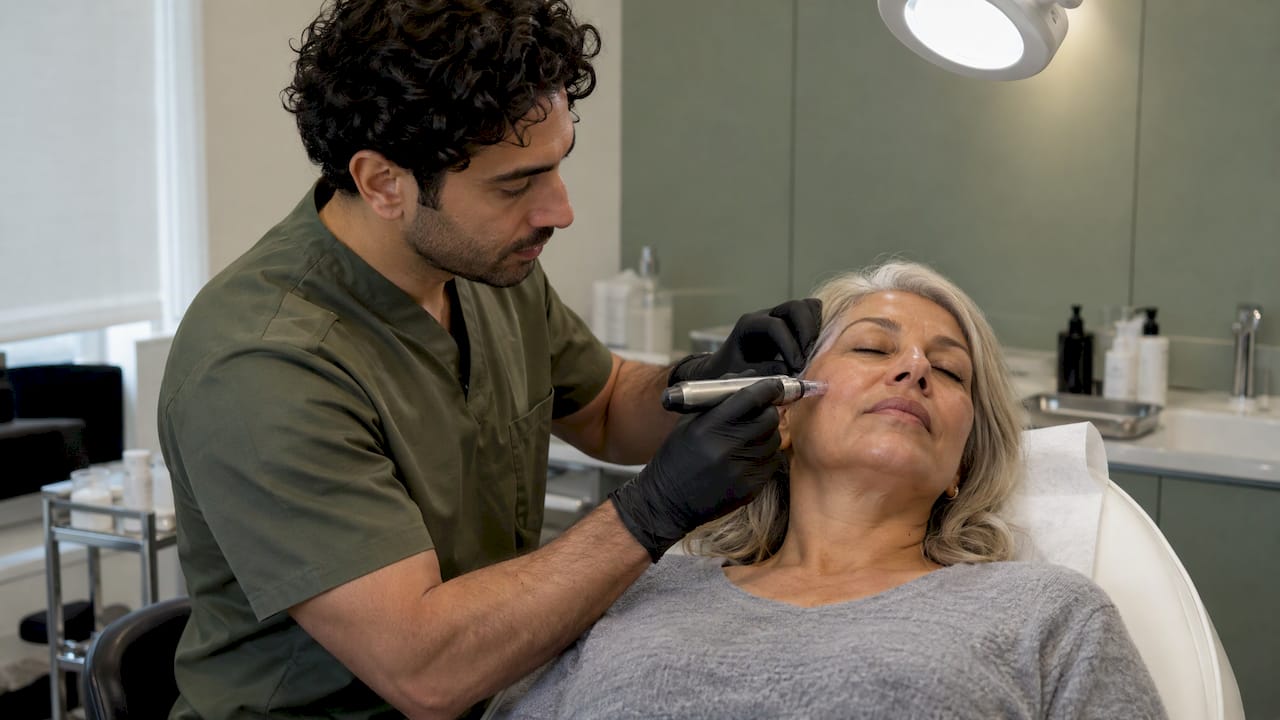
Treatment itself is usually relatively quick. Depending on the product and area, it may be delivered through a series of small injections or with a cannula technique. Mild redness, swelling, tenderness or small raised injection points can occur afterwards. These effects are usually temporary, but downtime varies by product, area and individual response.
A course is commonly recommended for both polynucleotides and skin boosters, followed by maintenance tailored to your skin and lifestyle. It is sensible to avoid planning treatment immediately before an important event, particularly if you are new to injectables or prone to bruising.
Safety and suitability come first
Injectable skin treatments should never be chosen from a menu alone. The skill of the practitioner, product quality, hygiene standards and aftercare all matter. At a medically led clinic, suitability is assessed before treatment, and patients should feel able to ask why a particular product has been recommended over another.
Polynucleotides may not be suitable for everyone, including those with relevant allergies, certain medical conditions, active skin infection or specific contraindications. The same is true of skin boosters. Pregnancy and breastfeeding should always be discussed, and treatment may need to be postponed. A responsible practitioner will be clear where treatment is not in your best interests.
At The Aesthetics Room, recommendations are guided by a bespoke assessment rather than a one-size-fits-all protocol. This is especially valuable when skin concerns overlap, as they often do.
Choosing a treatment plan that makes sense
The most satisfying results rarely come from chasing one dramatic change. They come from a plan that respects the condition of your skin, your facial anatomy and the level of improvement you want to see. A hydration-led booster may be the right starting point. Polynucleotides may be the more suitable choice where repair and resilience are the priority. Sometimes, the best answer is to address one concern first and reassess before adding anything else.
A thoughtful consultation gives you room to make that decision with clarity. When your treatment is selected for your skin rather than for a trend, the result should look less like you have had something done and more like you are consistently well.