
If you are searching for a polynucleotide treatment review London patients can actually use, the real question is not whether the treatment is fashionable. It is whether it suits your skin, your goals and your appetite for subtle, progressive change. Polynucleotides have earned attention because they sit in a useful space between classic injectables and more intensive regenerative treatments – but they are not a miracle fix, and they are not right for everyone.
What polynucleotide treatment is really designed to do
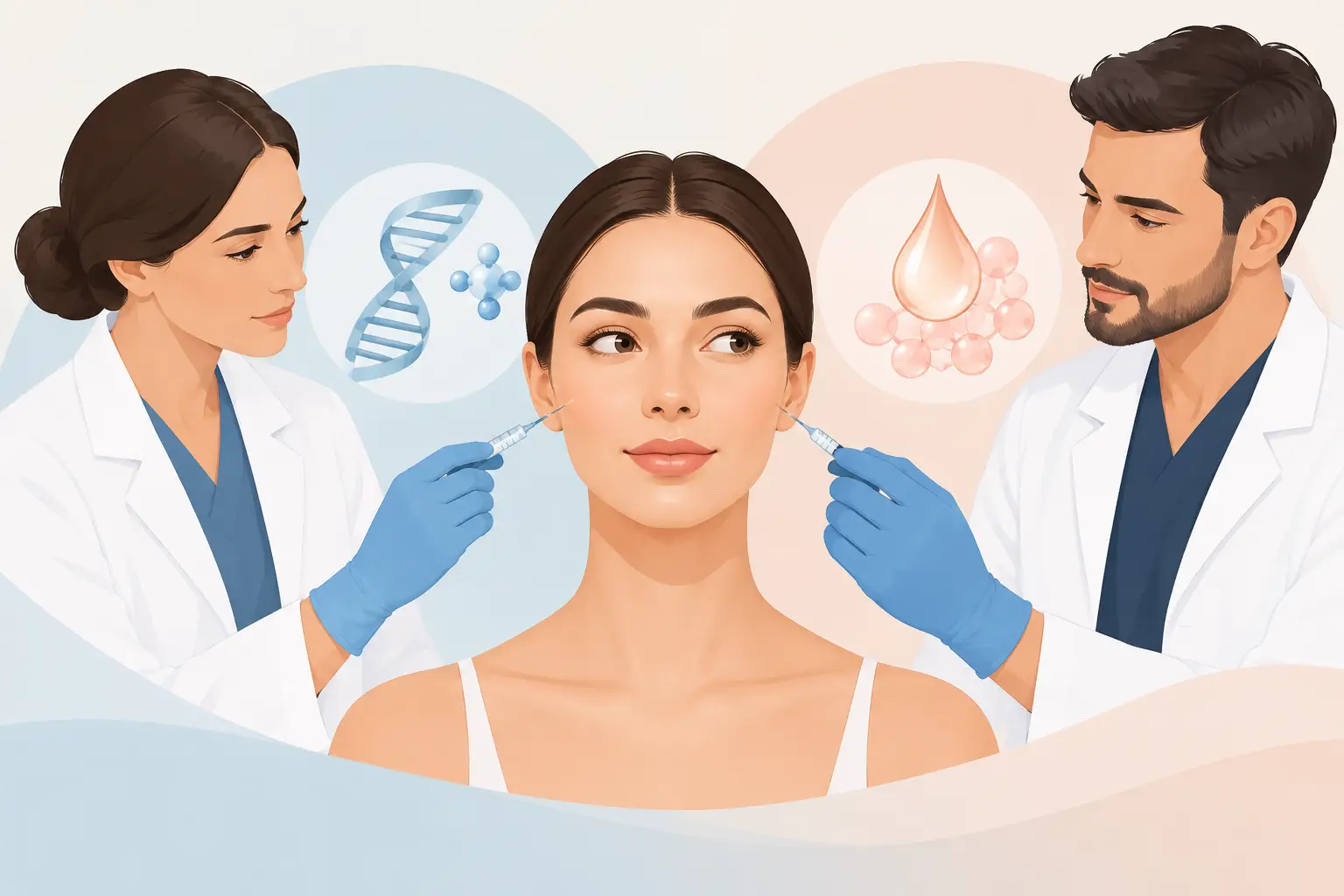
Polynucleotides are injectable biostimulators used to support skin quality rather than create volume in the way dermal filler does. In simple terms, they are used to encourage repair, hydration and improved skin function. That makes them particularly appealing for patients who want fresher, stronger, healthier-looking skin without looking treated.
In clinic, they are often discussed for concerns such as crepey skin, dullness, dehydration, fine lines and delicate areas that can be hard to manage well with heavier products. The under-eye area is one of the most talked-about examples, but the face, neck, décolletage and even scalp may also be considered depending on the product and the treatment plan.
This is where many reviews become unhelpful. Patients sometimes expect the immediate visible change of filler or anti-wrinkle injections. Polynucleotides work differently. They are usually valued for skin quality improvement over time, which means expectations need to be managed properly from the outset.
Polynucleotide treatment review London – the honest version
A balanced polynucleotide treatment review London readers will find useful should start with the treatment experience itself. Most patients tolerate it well, especially with appropriate skin preparation and careful technique, but it is still an injectable treatment. You can expect some pinpricks, mild swelling and small raised bumps immediately afterwards depending on the area treated. These usually settle, but social downtime matters if you have meetings, events or travel planned.
The second point is results. Polynucleotides are often praised because the outcome can look refined and natural. Skin may appear more hydrated, smoother and better supported, rather than obviously altered. For the right patient, that is precisely the appeal. For the wrong patient, it can feel underwhelming, particularly if they wanted dramatic lifting, major pigment correction or instant smoothing.
The third point is patience. One session is rarely the whole story. Most patients require a course of treatment, followed by maintenance depending on skin condition, age, lifestyle and treatment area. If you want a single appointment with a big visible shift, there may be more suitable options.
Who tends to be happiest with polynucleotides
The best candidates are usually patients who are interested in prevention, refinement and long-term skin health. They often want to look less tired, improve texture or support fragile skin without adding bulk. This includes younger patients who are taking a preventative approach as well as more mature patients who want to improve skin quality as part of a wider plan.
It can also suit those who have become cautious about overfilled or overdone aesthetics. In a premium medical clinic setting, that matters. Many London patients are not looking for obvious intervention. They want skin to look better in daylight, on video calls and without heavy make-up – not just in filtered photographs.
That said, suitability depends on assessment. If laxity is significant, if volume loss is the real issue, or if vascular under-eye shadowing is the main concern, polynucleotides alone may not deliver enough improvement. A good practitioner should be comfortable saying that.
Where polynucleotides can disappoint
This is the part some reviews skip. Polynucleotides can disappoint when they are sold too broadly or used without a proper treatment strategy. If a patient expects them to replace filler, laser, medical-grade skincare or anti-wrinkle treatment in every scenario, results may fall short.
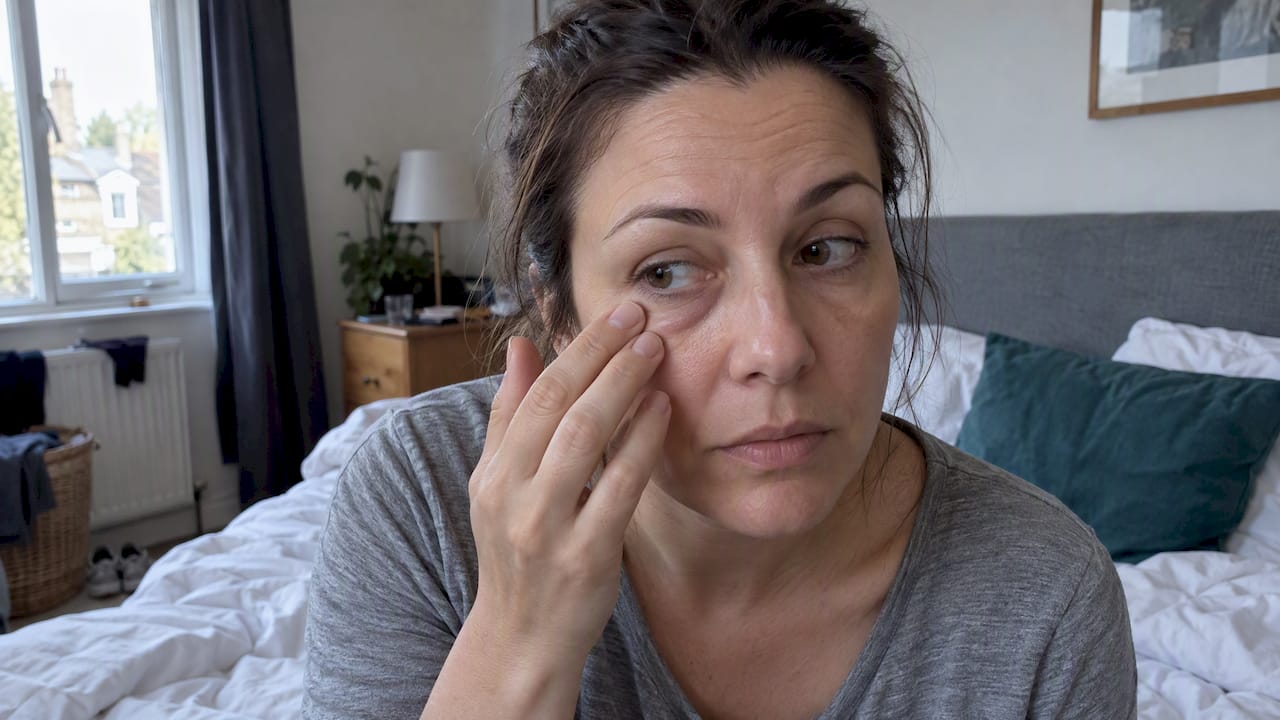
The under-eye area is the clearest example. It is one of the most requested indications, but not every under-eye concern is the same. Hollowing, pigmentation, skin laxity, puffiness and anatomical shadowing all need different thinking. Polynucleotides may help improve thin, crepey skin, but they will not solve every cause of a tired eye appearance.
They can also disappoint patients who are not willing to commit to a course. Regenerative treatments tend to reward consistency. A single session followed by no maintenance, poor sleep, dehydration and no skincare support is rarely the recipe for the best outcome.
Why practitioner choice matters in London
London offers no shortage of aesthetic providers, but standards vary widely. For a treatment like this, technique and judgement matter just as much as the product itself. Delicate areas require anatomical knowledge, careful dosing and a realistic understanding of what can be achieved safely.
A medically led consultation should cover your skin quality, medical history, previous treatments, healing response and whether polynucleotides make sense as a standalone option or as part of a broader plan. That broader view is often where better results come from. At The Aesthetics Room, for example, consultation-led care and tailored planning matter because skin does not respond well to one-size-fits-all treatment menus.
Patients in central London are often balancing busy schedules and high expectations. They want discretion, safety and visible improvement that still looks like them. That makes a clinic’s standards, aftercare and willingness to personalise especially important.
What the recovery period is actually like
Downtime is usually manageable, but it is not always non-existent. Immediately after treatment, you may have redness, swelling, tenderness or small bumps at injection points. In some areas, bruising can occur. For many patients this settles quickly, but if you are planning treatment before an important social or professional engagement, it is worth leaving a sensible buffer.
Skin can feel a little unsettled for a short period before the benefits become apparent. This catches some patients off guard because they expect glow straight away. A polished consultation should explain that regenerative treatments can be gradual, and that subtle early changes often build across a treatment course.
Following aftercare matters. Gentle skincare, sensible exercise timing, avoiding unnecessary heat exposure for a short period and listening to clinic advice all support a smoother recovery.
Cost versus value
One of the most common questions in any polynucleotide treatment review London readers search for is cost. Pricing varies by product, treatment area, practitioner expertise and clinic setting. In a reputable medical clinic, the fee is not just for the syringe. You are paying for assessment, safe prescribing where relevant, injection skill, product quality, hygiene standards and aftercare support.
The more useful question is whether it offers value for your specific concern. If it improves crepey lower eyelid skin or enhances overall skin quality in a way that aligns with your goals, many patients consider it worthwhile. If you hoped it would replace several different treatment categories at once, it may feel expensive for a more modest result.
This is why honest treatment planning matters. Sometimes the best investment is not repeating a fashionable injectable, but combining the right treatments in the right order.
How it fits into a bigger skin strategy
Polynucleotides tend to perform best when they are part of a thoughtful skin plan rather than a standalone quick fix. Medical-grade skincare, collagen-supporting treatments, sun protection and lifestyle factors all influence how well your skin responds and how long improvements remain visible.
For some patients, they are a useful first step into injectable skin rejuvenation. For others, they complement anti-wrinkle treatment, energy-based devices or a wider skin optimisation programme. The key is personalisation. Skin age, tissue quality, inflammation levels and treatment history all change the answer.
That is also why online reviews can only take you so far. A glowing review from someone with mild dehydration and early fine lines may not apply to someone with deeper structural ageing or post-inflammatory concerns.
Final verdict
So, what is the real verdict in a polynucleotide treatment review London patients should trust? It is a strong treatment for the right indication, in the right hands, with the right expectations. It is elegant rather than dramatic, progressive rather than instant, and best suited to patients who value skin quality, natural results and a medically considered approach.
If that sounds like your priorities, it is worth exploring with a clinic that takes consultation seriously. The most satisfying aesthetic results rarely come from chasing trends. They come from choosing treatments that genuinely fit your face, your skin and the way you want to feel when you look in the mirror.