

TL;DR:
- Minimally invasive treatments improve appearance through small incisions or injections with less recovery time and risk than surgery.
- Choosing a qualified practitioner is essential, as experience determines safe, effective results more than the technology used.
Minimally invasive treatments are cosmetic procedures performed through small incisions or injections that enhance appearance with significantly less recovery time and lower risk than traditional surgery. Using specialised tools and advanced technologies such as lasers, fine needles, and endoscopes, these procedures cause minimal tissue damage while delivering visible results. The industry term for this category is “minimally invasive aesthetics,” covering everything from Botox and dermal fillers to laser resurfacing and fat-dissolving injections. Theaestheticsroom, accredited by the Care Quality Commission and based in Knightsbridge, London, offers a full range of these procedures with a strong focus on patient safety and personalised care.
1. What are the most popular minimally invasive treatments?
The top non-surgical treatments available today span several categories, each targeting a different aesthetic concern. Understanding your options is the first step to making a confident, informed decision.
- Botox (botulinum toxin injections): Botox relaxes the muscles responsible for expression lines, smoothing forehead creases, crow’s feet, and frown lines. Results typically last 3–4 months, and the procedure takes under 30 minutes with no downtime.
- Dermal fillers: Hyaluronic acid and calcium hydroxyapatite fillers restore lost volume, define facial contours, and plump lips. They work immediately and results can last 6–18 months depending on the product and area treated.
- Laser skin resurfacing: Fractional lasers stimulate collagen production and resurface the skin to reduce pigmentation, fine lines, and acne scarring. Studies show laser treatments can reduce wrinkles by up to 50%, making them one of the most evidence-backed options available.
- Fat-dissolving injections: Compounds such as deoxycholic acid break down localised fat deposits under the chin and along the jawline. Results develop gradually over several weeks and are long-lasting once the fat cells are destroyed.
- Non-surgical skin tightening: Radiofrequency and ultrasound technologies heat the deeper layers of skin to stimulate collagen and elastin production, firming lax skin without any incisions.
- Chemical peels: Controlled application of acids such as glycolic or salicylic acid removes the outer skin layer, revealing brighter, smoother skin beneath. Peels range from superficial to medium depth depending on the concern.
- Microneedling: Fine needles create controlled micro-injuries in the skin, triggering the body’s natural repair process and boosting collagen. It is particularly effective for scarring, enlarged pores, and skin texture.
Pro Tip: Book a consultation before committing to any procedure. A qualified clinician will assess your skin type, medical history, and goals to recommend the most suitable treatment from the minimally invasive procedures list.
2. How do these treatments work?
Minimally invasive techniques achieve results by accessing the target tissue through the smallest possible entry point. Specialised tools including endoscopes, lasers, and robotics allow practitioners to work with precision while leaving surrounding tissue largely undisturbed. This is what separates them from open surgery and why recovery is so much faster.
The mechanisms vary by treatment type:
- Neurotoxin injection (Botox): Botulinum toxin blocks the nerve signal to a targeted muscle, preventing it from contracting. The muscle relaxes, and the overlying skin smooths out within 5–14 days.
- Filler injection: Hyaluronic acid attracts and binds water molecules beneath the skin surface, physically restoring volume and stimulating fibroblast activity to support collagen production.
- Fractional laser resurfacing: A laser beam is split into thousands of microscopic columns that penetrate the dermis. The surrounding untreated skin accelerates healing, reducing downtime compared to ablative lasers.
- Fat dissolution: Deoxycholic acid disrupts the membrane of fat cells, causing them to break down. The body then clears the debris through its lymphatic system over several weeks.
- Radiofrequency tightening: Controlled heat energy delivered to the dermis denatures collagen fibres, triggering the body to produce new, tighter collagen over the following months.
“Advanced technology is an extension of the surgeon, not an autonomous system. The practitioner’s skill, training, and experience remain the single most important factor in achieving safe, consistent results.” — Guide to minimally invasive surgery benefits and recovery, 2026
The learning curve for minimally invasive devices is real and directly affects outcomes. This is why choosing a practitioner with documented training and clinical experience matters as much as choosing the right technology.
3. What outcomes and recovery can you expect?
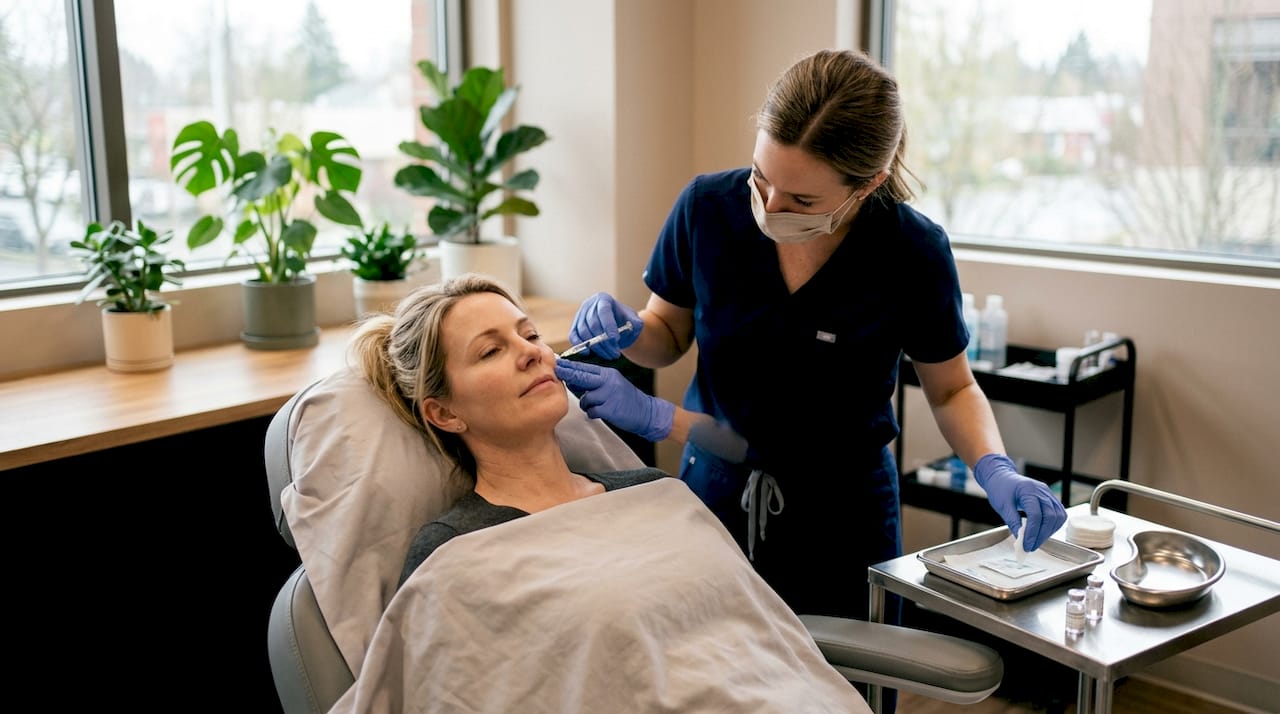
Recovery from minimally invasive aesthetic procedures is significantly shorter than from traditional surgery. Hospital stays drop from 5–7 days to under 24 hours with minimally invasive approaches, and most aesthetic treatments require no hospital stay at all. That speed of recovery is one of the primary reasons adults choose these procedures over surgical alternatives.
| Treatment | Typical downtime | Results visible | Longevity |
|---|---|---|---|
| Botox | None to 24 hours | 5–14 days | 3–4 months |
| Dermal fillers | 24–48 hours (mild swelling) | Immediate | 6–18 months |
| Laser resurfacing | 3–7 days | 2–4 weeks | 12+ months |
| Fat-dissolving injections | 2–5 days (swelling) | 4–8 weeks | Long-term |
| Radiofrequency tightening | None to minimal | 2–3 months | 12–18 months |
One recovery aspect that surprises many people is post-procedure fatigue. Patients may feel tired for 24–48 hours after even minor procedures involving local anaesthetic. This is a normal physiological response and not a sign that something has gone wrong. Planning a light schedule for the day after treatment is sensible.
Risks exist with every procedure, and technical complexity increases when restricted visualisation and limited tactile feedback are involved. For aesthetic treatments, the most common risks include bruising, swelling, asymmetry, and, in rare cases, vascular complications with fillers. These risks reduce significantly when treatment is performed by a qualified medical practitioner.
Pro Tip: Photograph your face before treatment and again at four weeks post-procedure. Comparing images gives you an objective measure of improvement and helps you communicate clearly with your clinician at follow-up.
4. How to choose the right minimally invasive option for your goals
Choosing the right procedure starts with an honest assessment of what you want to change and what you are willing to commit to in terms of cost and recovery. The benefits of minimally invasive approaches are clear, but not every treatment suits every person or concern.
Key factors to consider:
- Your primary concern: Volume loss responds best to fillers. Dynamic wrinkles respond to Botox. Skin texture and pigmentation respond to lasers or chemical peels. Localised fat responds to fat-dissolving injections. Matching the treatment to the concern is the most important decision you will make.
- Your skin type: Darker skin tones require specific laser wavelengths and settings to avoid post-inflammatory hyperpigmentation. Always confirm your clinician has experience treating your skin type.
- Your health history: Certain conditions and medications affect suitability. Anticoagulants increase bruising risk with injectables. Autoimmune conditions may affect healing. A thorough consultation will surface these factors.
- Cost versus downtime trade-off: Advanced equipment including robotics and navigation tools increases upfront fees, but reduced recovery time often offsets the cost in practical terms. A laser session costs more than a peel but delivers results that last significantly longer.
- Practitioner credentials: Look for clinicians registered with the General Medical Council or Nursing and Midwifery Council. Theaestheticsroom’s practitioners are medically trained and operate under CQC accreditation, which provides an additional layer of clinical governance. Medical practitioners in aesthetics bring diagnostic skills that non-medical providers simply do not have.
- Realistic expectations: No minimally invasive procedure replicates the results of a surgical facelift. These treatments maintain and refresh your appearance rather than dramatically restructuring it. Clients who understand this distinction consistently report higher satisfaction.
The current shift towards minimally invasive medicine reflects a clear patient preference for quicker recovery and less disruption to daily life. That preference is well-founded, provided the treatment is chosen carefully and delivered by a skilled clinician.
Key takeaways
Minimally invasive aesthetic treatments deliver visible, lasting results with significantly less downtime than surgery, provided they are matched to the right concern and performed by a qualified medical practitioner.
| Point | Details |
|---|---|
| Match treatment to concern | Volume loss needs fillers; dynamic lines need Botox; texture needs lasers or peels. |
| Recovery is fast but not instant | Most procedures allow return to normal activity within 24–48 hours; fatigue is common. |
| Practitioner skill is the key variable | Technology extends expertise but does not replace it; always verify clinical credentials. |
| Cost reflects complexity | Advanced equipment raises fees, but longer-lasting results often justify the investment. |
| Consultation is non-negotiable | A qualified clinician must assess skin type, health history, and goals before any treatment. |
What I have learned from years in aesthetic medicine
The single biggest mistake I see people make is choosing a treatment based on what a friend had rather than what their own skin actually needs. Botox is extraordinary for dynamic wrinkles. It does nothing for volume loss. Fillers restore structure beautifully. They will not smooth a textured surface. Matching the tool to the problem is the foundation of good outcomes, and that matching requires clinical assessment, not a social media recommendation.
The second thing I would tell anyone researching minimally invasive options is this: the technology is the least important part of the equation. I have seen outstanding results from straightforward injectable techniques and poor results from expensive laser platforms in the wrong hands. Practitioner experience and training determine outcomes far more than the brand of device used. Ask your clinician how many times they have performed the specific procedure you are considering. A confident, experienced practitioner will answer that question without hesitation.
Finally, manage your timeline honestly. Post-procedure fatigue is real, even after a 20-minute injectable appointment. Plan your diary accordingly. The results from well-chosen, well-delivered aesthetic treatments are genuinely confidence-building. They are worth doing properly.
— Vishul
Theaestheticsroom: expert aesthetic treatments in London
Theaestheticsroom offers a carefully curated range of cosmetic procedures at its Knightsbridge clinic, with additional locations on Harley Street and in Mayfair. Every treatment plan is built around your individual goals, skin type, and health profile.
Whether you are considering Botox for expression lines, dermal fillers for volume, or fat-dissolving injections for stubborn deposits, the team at Theaestheticsroom brings full medical training and CQC accreditation to every appointment. Consultations are available in person or virtually, giving you a clear, honest picture of what each procedure can realistically achieve before you commit. Book your consultation today and take the first step towards results you can feel confident about.
FAQ
What are minimally invasive treatments in aesthetics?
Minimally invasive treatments are cosmetic procedures performed through small injections or micro-incisions using specialised tools such as fine needles and lasers. They enhance appearance with less tissue damage, faster recovery, and lower risk than traditional surgery.
How long does recovery take after minimally invasive aesthetic procedures?
Most aesthetic procedures require little to no downtime, with patients returning to normal activity within 24–48 hours. Post-procedure fatigue for 24–48 hours is common even after minor treatments and should be factored into your schedule.
Are minimally invasive aesthetic treatments safe?
These procedures are safe when performed by qualified medical practitioners with appropriate training and credentials. Risks such as bruising, swelling, and asymmetry exist but are significantly reduced by choosing a CQC-accredited clinic like Theaestheticsroom.
How do I know which treatment is right for me?
A consultation with a qualified clinician is the only reliable way to identify the right procedure for your concern, skin type, and health history. Self-selecting treatments based on trends or peer recommendations without clinical assessment increases the risk of poor outcomes.
Do minimally invasive treatments produce permanent results?
Results are long-lasting but not permanent for most aesthetic procedures. Botox lasts 3–4 months, fillers last 6–18 months, and laser resurfacing results can persist for 12 months or more, depending on the treatment and individual skin response.