
TL;DR:
- Menopausal skin changes mainly result from oestrogen decline, leading to collagen loss and dryness. Effective skincare includes barrier repair, daily SPF, gradual retinoids, and lifestyle adjustments. Clinical support and consistent routines are essential for restoring skin health during menopause.
Menopause skin care tips centre on protecting and restoring skin health through hydration, gentle cleansing, sun protection, and targeted active ingredients. The decline in oestrogen during menopause is the primary driver of visible skin changes, and women lose approximately 30% of skin collagen within the first five years after menopause. That loss accelerates dryness, thinning, and fine lines at a pace that standard skincare routines simply cannot address. The good news is that evidence-based adjustments to your routine, combined with lifestyle changes and, where appropriate, clinical support from specialists like Theaestheticsroom, can meaningfully restore skin health and confidence.
1. What are the key menopause skin changes?
Oestrogen decline is the root cause of most menopausal skin changes. It reduces the skin’s ability to produce collagen, retain moisture, and repair itself efficiently. Understanding these changes helps you choose the right products and treatments rather than guessing.
The most common changes include:
- Dryness and tightness caused by reduced sebum production and a weakened moisture barrier
- Thinning skin as collagen and elastin fibres break down faster than they are replaced
- Increased sensitivity and redness, including flushing linked to hormonal fluctuations
- Adult acne triggered by the relative rise in androgens as oestrogen falls
- Slower wound healing due to reduced cell turnover and impaired barrier function
Stress compounds these changes significantly. Elevated cortisol accelerates skin thinning and inflammation in a way that closely mirrors oestrogen decline. The skin acts as an endocrine organ responsive to cortisol, oestrogens, and androgens, which means lifestyle factors are not secondary concerns. They are central to skin health during menopause.
Dermatologists now view menopausal skin changes as indicators of broader systemic health, not just cosmetic concerns. This perspective encourages women to seek interdisciplinary support rather than relying solely on topical products.
2. Choose gentle, non-stripping cleansers
Foaming cleansers and bar soaps strip the skin’s natural lipids. For menopausal skin, that barrier disruption is particularly damaging because the skin already struggles to replenish moisture. Switch to a cream, oil, or micellar cleanser that removes impurities without compromising the acid mantle.

Look for cleansers that are fragrance-free and pH-balanced. Fragrances are among the most common triggers for sensitivity and redness in mature skin. A simple, short ingredient list is often the most reliable indicator of a gentle formula.
3. Rebuild the skin barrier with ceramides and humectants
The skin barrier is the first line of defence against moisture loss and environmental damage. Menopausal skin loses ceramides, cholesterol, and fatty acids at an accelerated rate, making barrier-focused moisturisers non-negotiable. Choose products that contain ceramides, cholesterol, and hyaluronic acid together, as this combination most closely mirrors the skin’s natural lipid structure.
Humectants like hyaluronic acid and glycerin draw water into the skin. Occlusives like shea butter and squalane seal that moisture in. The most effective moisturisers for post-menopausal skin combine both. Apply your moisturiser to slightly damp skin to maximise absorption.
Pro Tip: Apply a facial oil rich in omega fatty acids, such as rosehip or sea buckthorn, over your moisturiser at night. These nourishing facial oils reinforce the lipid barrier and support skin mood overnight.
4. Use broad-spectrum SPF 30 or higher every day
Sun protection is the single most effective anti-ageing step for menopausal skin. Dermatological guidelines recommend daily SPF 30 minimum for menopausal women, as thinner skin is significantly more vulnerable to photoageing and UV-induced collagen breakdown. This applies on overcast days and indoors near windows.
Choose a broad-spectrum sunscreen that covers both UVA and UVB rays. Mineral formulas containing zinc oxide or titanium dioxide tend to be better tolerated by sensitive, reactive skin. Reapply every two hours when outdoors.
5. Introduce retinoids gradually for collagen support
Retinoids are the most evidence-backed topical active for stimulating collagen and improving skin texture in menopausal skin. The British Association of Dermatologists supports low-strength retinoids, such as retinaldehyde, used two to three times weekly to gently stimulate cell turnover without overwhelming a compromised barrier.
Start with the lowest available strength and use it no more than twice a week for the first month. Increase frequency only once your skin has fully adjusted. Applying a moisturiser before your retinoid, known as the “sandwich method,” reduces irritation without significantly reducing efficacy.
Pro Tip: If retinoids cause persistent redness or peeling, check whether they suit your skin before continuing. Peptides are a gentler alternative that still support collagen production.
6. Add niacinamide and azelaic acid for tone and redness
Niacinamide is one of the most versatile ingredients for menopausal skin. It reduces redness, strengthens the barrier, minimises pores, and improves uneven tone. Concentrations of 5–10% are well-tolerated even by sensitive skin and can be used morning and evening.
Azelaic acid addresses adult acne and post-inflammatory pigmentation, both of which are common during hormonal transitions. It is anti-inflammatory and suitable for daily use at concentrations of 10–20%. Unlike many actives, it does not increase photosensitivity, making it safe to use in the morning.
Avoid layering niacinamide with high-strength vitamin C (L-ascorbic acid) in the same routine step. Use vitamin C in the morning and niacinamide in the evening to get the full benefit of both without potential interaction.
7. Address lifestyle factors that affect skin health
Lifestyle choices have a direct and measurable impact on menopausal skin. Stress, alcohol, and smoking all accelerate collagen breakdown, compounding the effects of oestrogen decline. Managing these factors is not optional if you want your skincare routine to work.
Practical lifestyle adjustments that support skin health:
- Limit hot showers to five minutes or fewer. Hot water strips the skin’s natural oils and worsens dryness.
- Eat omega-3 rich foods such as oily fish, walnuts, and flaxseed. These support the skin’s lipid barrier from within.
- Prioritise sleep. Skin regenerates during deep sleep, and poor sleep elevates cortisol, which accelerates ageing.
- Stay hydrated. Drinking adequate water supports skin plumpness and cell function, though it does not replace topical moisturisers.
- Reduce alcohol intake. Alcohol dehydrates the skin and depletes vitamin A, which is needed for cell turnover.
Pro Tip: Mindfulness practices like yoga or breathwork lower cortisol measurably. Lower cortisol means less inflammation and slower collagen degradation. The benefit to your skin is real.
8. Keep your routine simple and consistent
A simplified routine with fewer steps and gentle actives improves menopausal skin barrier recovery more effectively than aggressive layering. Barrier damage in perimenopausal skin takes weeks to repair, so overloading it with multiple strong actives sets you back rather than forward.
A practical daily structure:
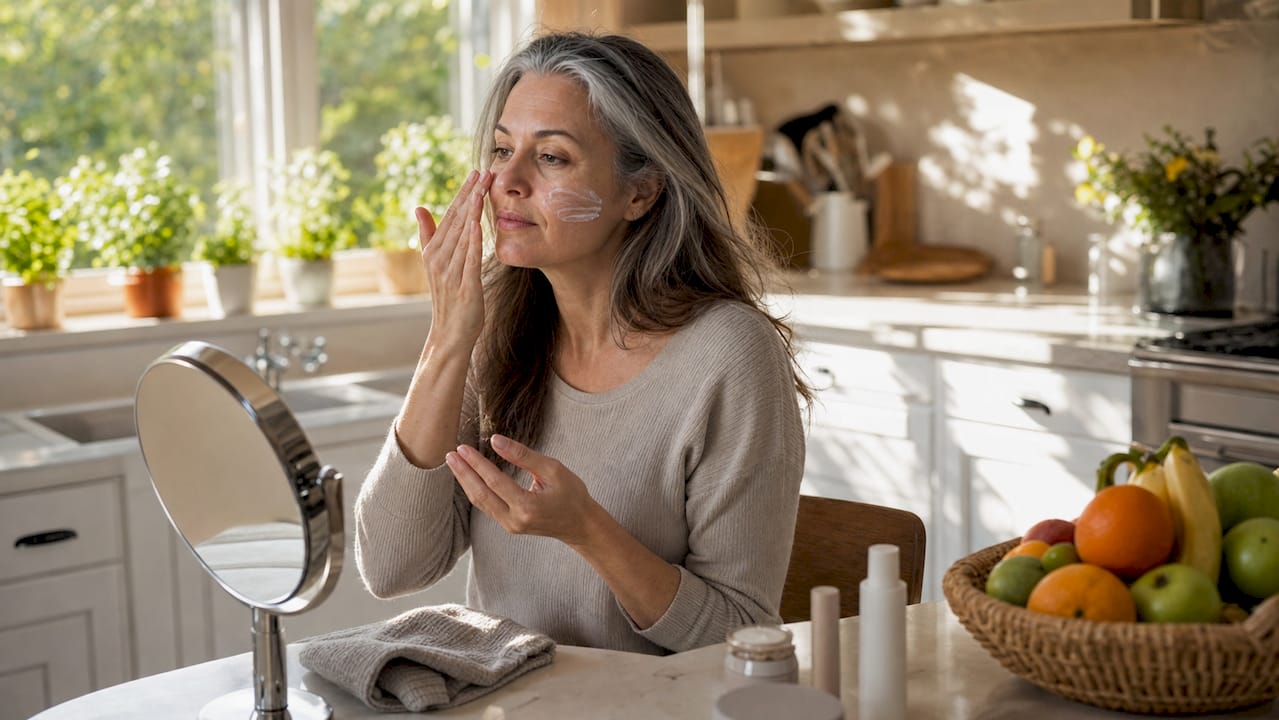
Morning: Gentle cleanser → niacinamide serum → rich moisturiser → SPF 30+
Evening: Gentle cleanser → retinoid or peptide serum (alternating nights) → barrier-restoring moisturiser → facial oil (optional)
Review your routine with the seasons. Skin tends to need heavier moisturisers in winter and lighter textures in summer. Adjust rather than overhaul. You can also use a skincare routine checklist to track your steps and stay consistent.
Consistency is a stronger predictor of results than any single ingredient. Commit to a routine for at least eight weeks before assessing whether it is working.
9. Understand what clinical treatments can offer
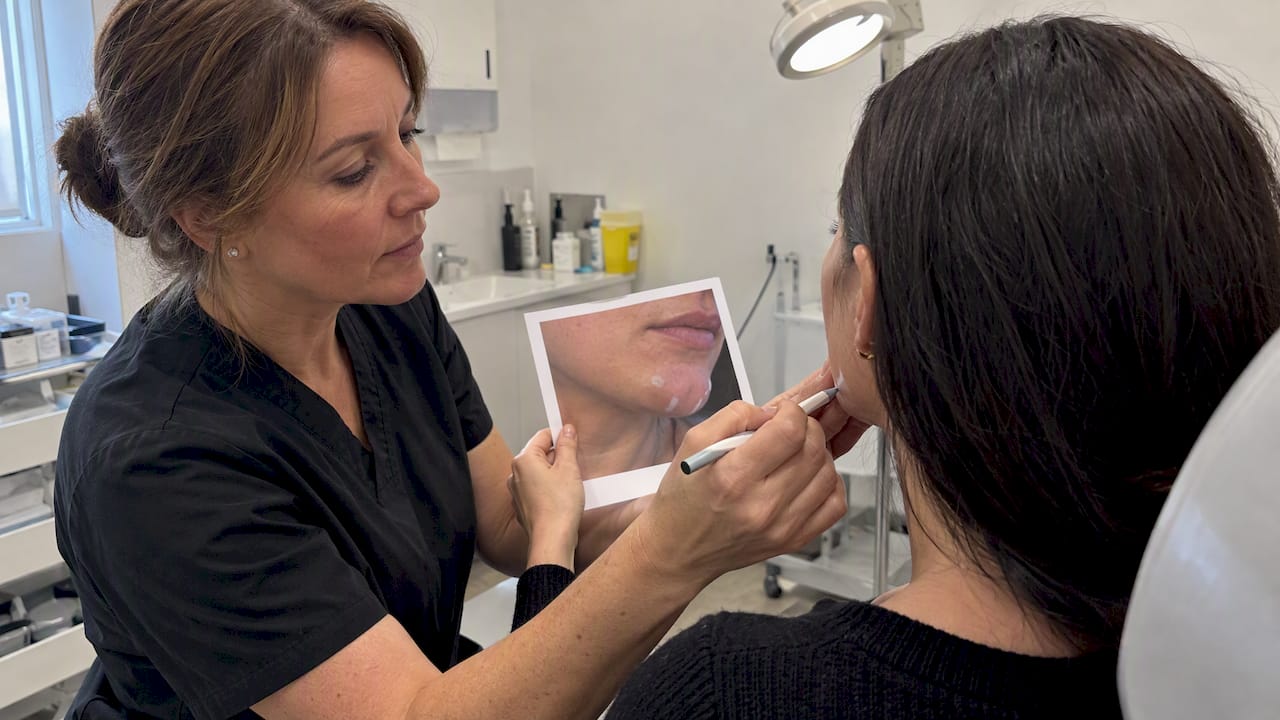
Topical skincare addresses the surface. Clinical treatments work at a deeper level to stimulate collagen, restore volume, and improve skin quality in ways that no cream can replicate. Menopausal hormone therapy (MHT) can improve skin hydration, elasticity, and thickness, but requires a physician’s assessment based on individual risk and health history.
For women who are not candidates for MHT, or who want to complement it, in-clinic options include:
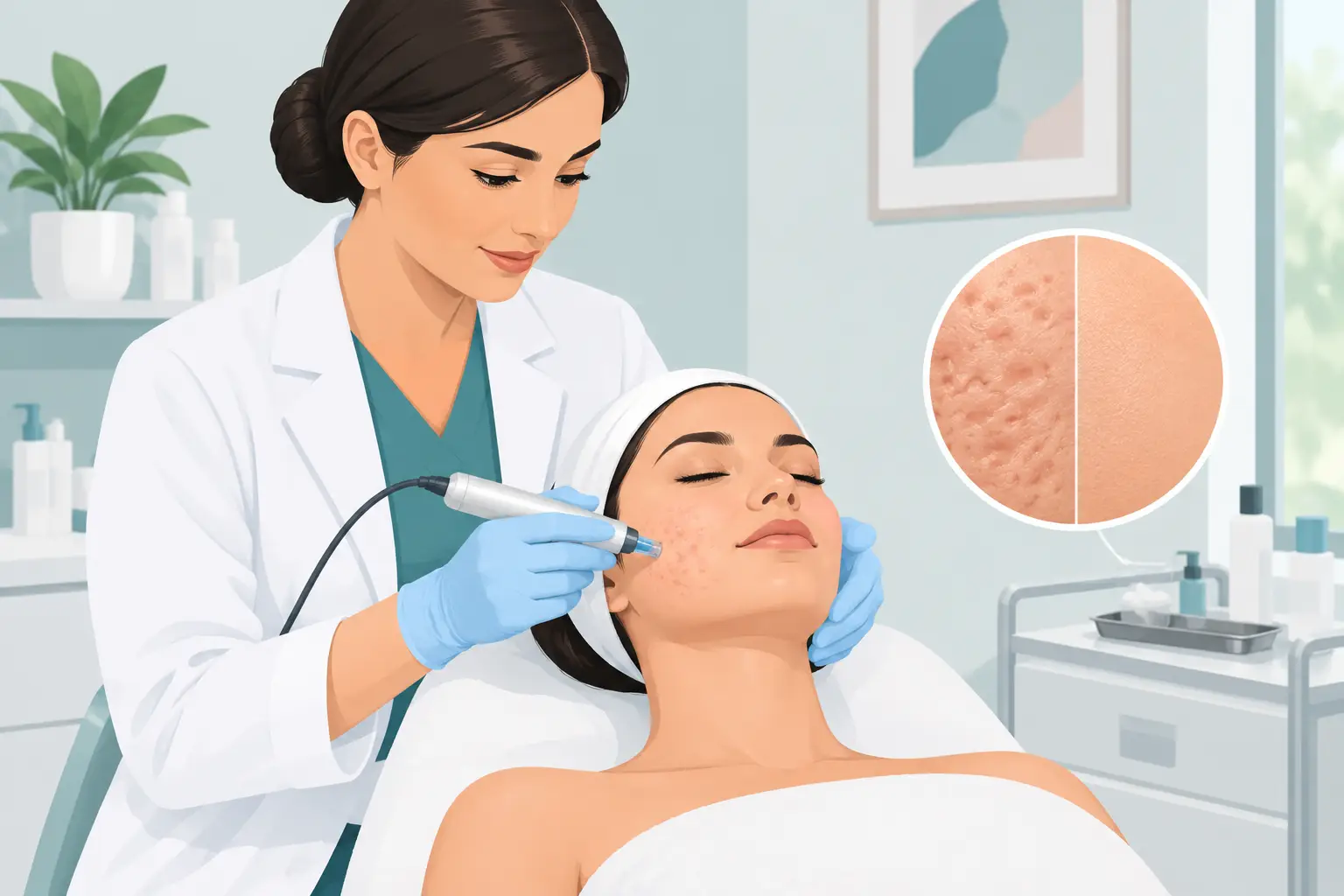
- Radiofrequency and microneedling for collagen stimulation and skin tightening
- Laser resurfacing to address pigmentation, texture, and fine lines
- Dermal fillers using hyaluronic acid or calcium hydroxyapatite to restore lost volume
- Botox to soften expression lines that deepen as skin thins
MHT is considered safe and beneficial for many women under 60 within ten years of menopause when tailored by age, type, and health history. The decision requires a personalised risk-benefit discussion with a qualified medical professional. Skincare products do not replace the systemic effects of hormonal support, and clinical treatments work best as part of a broader plan. Explore specialised skin treatments designed for mature and menopausal skin to understand what is available.
10. Avoid marketing-driven “menopause” products
There is no singular “menopause” ingredient, and products marketed specifically for menopause often rely on trend rather than clinical evidence. Unstandardised “oestrogen” facial creams, for example, lack established clinical benefit and are not regulated as medicines. The label on the packaging is not a substitute for proven actives.
Experts confirm that the menopause label on skincare products is often marketing-driven. Women benefit far more from understanding effective ingredients, such as ceramides, retinoids, niacinamide, and peptides, than from chasing branded trends. A well-formulated moisturiser with ceramides and a low-strength retinoid will outperform most “menopause-specific” ranges. Read ingredient lists, not marketing claims. You can also review common skincare myths to separate fact from fiction.
Key takeaways
The most effective approach to menopausal skin care combines barrier-restoring moisturisers, daily SPF 30+, gradual retinoid use, and consistent lifestyle habits to counter oestrogen-driven collagen loss.
| Point | Details |
|---|---|
| Collagen loss is significant | Women lose around 30% of skin collagen within five years of menopause; act early. |
| Barrier repair comes first | Use ceramide-rich moisturisers and gentle cleansers before introducing any actives. |
| SPF is non-negotiable | Apply broad-spectrum SPF 30 or higher every day to prevent photoageing on thinning skin. |
| Retinoids need a slow start | Begin with low-strength retinaldehyde two to three times weekly to avoid barrier damage. |
| Consistency beats complexity | A simple, sustained routine outperforms an aggressive one with multiple strong actives. |
What I have learned from years of working with menopausal skin
The women who see the best results are not the ones using the most expensive products. They are the ones who stopped chasing novelty and committed to a few well-chosen ingredients applied consistently. That observation holds up every time.
What I find most striking is how often menopausal skin is treated as a cosmetic problem when it is actually a physiological one. Oestrogen decline affects collagen synthesis, barrier function, and wound healing at a cellular level. Treating it with a single “anti-ageing” serum is like patching a structural crack with paint. The fix has to go deeper, and that means combining topical care with lifestyle adjustments and, where appropriate, clinical support.
I am also cautious about the wave of “menopause skincare” products flooding the market. The ingredient lists rarely justify the price. A well-formulated ceramide moisturiser from a pharmacy will do more for your barrier than a branded “menopause cream” at three times the cost. Spend your money on a consultation with a qualified professional instead. Understanding your specific skin concerns, whether that is sensitivity, pigmentation, or volume loss, is worth more than any single product.
The other thing I tell every patient: be patient with your skin. Collagen remodelling takes months, not weeks. If you switch products every four weeks because you are not seeing results, you will never give anything time to work. Pick a routine, stick with it for eight weeks, and assess honestly. That discipline is what separates real progress from perpetual frustration.
— Vishul
Skin care support for menopausal women at Theaestheticsroom
Menopausal skin changes are real, and they respond well to the right clinical support.

Theaestheticsroom, based in Knightsbridge and accredited by the CQC, offers personalised skin consultations tailored to the specific concerns of menopausal women. Treatments range from skin rejuvenation and laser therapy to dermal fillers that restore volume lost through collagen decline, and Botox to soften expression lines that deepen as skin thins. Every treatment plan is built around your skin type, health history, and goals, with safety and clinical evidence at the centre. Book a consultation to receive a thorough skin assessment and a clear, personalised plan.
FAQ
What causes skin to change so much during menopause?
Oestrogen decline reduces collagen production, skin hydration, and barrier function simultaneously. Women lose approximately 30% of skin collagen within the first five years after menopause, which drives dryness, thinning, and increased sensitivity.
Which ingredients are most effective for menopausal skin?
Ceramides, hyaluronic acid, low-strength retinoids, niacinamide, and peptides are the most evidence-backed ingredients. They address barrier repair, hydration, collagen stimulation, and redness without overwhelming sensitive skin.
Is menopausal hormone therapy good for skin?
MHT can improve skin hydration, elasticity, and thickness, and is considered safe for many women under 60 within ten years of menopause. It requires an individual risk-benefit assessment with a qualified medical professional.
How often should I use retinoids during menopause?
Start with a low-strength retinoid, such as retinaldehyde, two to three times weekly. Increase frequency gradually only once your skin has fully adjusted without signs of irritation or barrier disruption.
Are “menopause skincare” products worth buying?
Most are marketing-driven rather than clinically validated. Products focused on proven actives like ceramides, retinoids, and niacinamide deliver better results than branded “menopause” ranges that lack standardised clinical evidence.
Recommended
- Ageing and skin: understand the science and best treatments – The Aesthetics Room
- Rosacea management: your guide to clearer skin – The Aesthetics Room
- Top anti-aging tips for women: evidence-based and effective – The Aesthetics Room
- The ultimate anti-aging checklist for radiant, youthful skin – The Aesthetics Room