
A face can look tired long before it feels tired. It may be the gradual flattening through the cheeks, make-up sitting differently around the eyes, a persistent redness, or simply skin that no longer reflects how well you look after yourself. When people search for medical facial treatments London, they are rarely looking for a dramatic new appearance. More often, they want a discreet, expertly planned way to look fresher, more rested and more like themselves.
The difference lies in treating the face as a whole, rather than chasing one line or feature. At a premium medical aesthetics clinic, the starting point should be a thoughtful consultation: understanding your anatomy, skin quality, lifestyle, medical history and the result you would genuinely feel comfortable seeing in the mirror.
What makes a facial treatment medical?
Medical facial treatments are delivered by appropriately trained practitioners using clinically considered techniques and regulated products or devices where applicable. They go beyond a salon facial because treatment decisions are informed by facial anatomy, skin health and suitability, with patient safety at the centre of every recommendation.
This does not mean every appointment needs to be invasive, nor that the best answer is always an injectable. A carefully selected skin treatment may be the right first step for dehydration, congestion, uneven tone or dullness. For another person, strategic wrinkle-relaxing treatment or subtle volume restoration may be appropriate. The best plan depends on what is causing the concern, not simply what is most popular.
A medical approach also means knowing when to pause, refer, or advise against treatment. That professional judgement matters as much as technical skill. Natural-looking results are not created by adding more. They come from careful assessment, proportion and restraint.
Medical facial treatments London clients often choose
There is no universal treatment menu for a face. However, several categories are frequently combined within bespoke plans to address ageing, skin quality and facial balance.
Anti-wrinkle injections
Anti-wrinkle injections can soften the appearance of expression lines, commonly across the forehead, between the brows and around the eyes. When placed with precision, they can maintain natural movement while reducing the look of lines that make someone appear tense, tired or cross.
The trade-off is that more treatment does not necessarily create a better result. A very smooth forehead may not suit someone who values expressive movement, while under-treating may be preferable for a first appointment. Your practitioner should discuss the degree of softening you are hoping for and assess how your muscles move before recommending a dose or approach.
Dermal fillers and facial balancing
Over time, changes in bone structure, fat pads and collagen can alter facial contours. Dermal filler may be used to restore considered support in areas such as the cheeks, temples, chin, jawline or lips. The goal is not to inflate features, but to improve harmony and soften the signs of volume loss.
Facial balancing is particularly valuable when a concern is not confined to one area. For example, a tired under-eye appearance may be related to mid-face volume loss, and a weak chin can affect the profile and perceived shape of the jaw. Treating the visible symptom alone can be less effective than addressing the structure around it.
Filler is not suitable for every concern or every area. It requires a detailed consultation, a clear understanding of risks and an experienced injector who prioritises anatomy and conservative placement. If filler is advised, you should know why it is being suggested, what it can realistically achieve and what aftercare involves.
Skin treatments for quality, clarity and glow
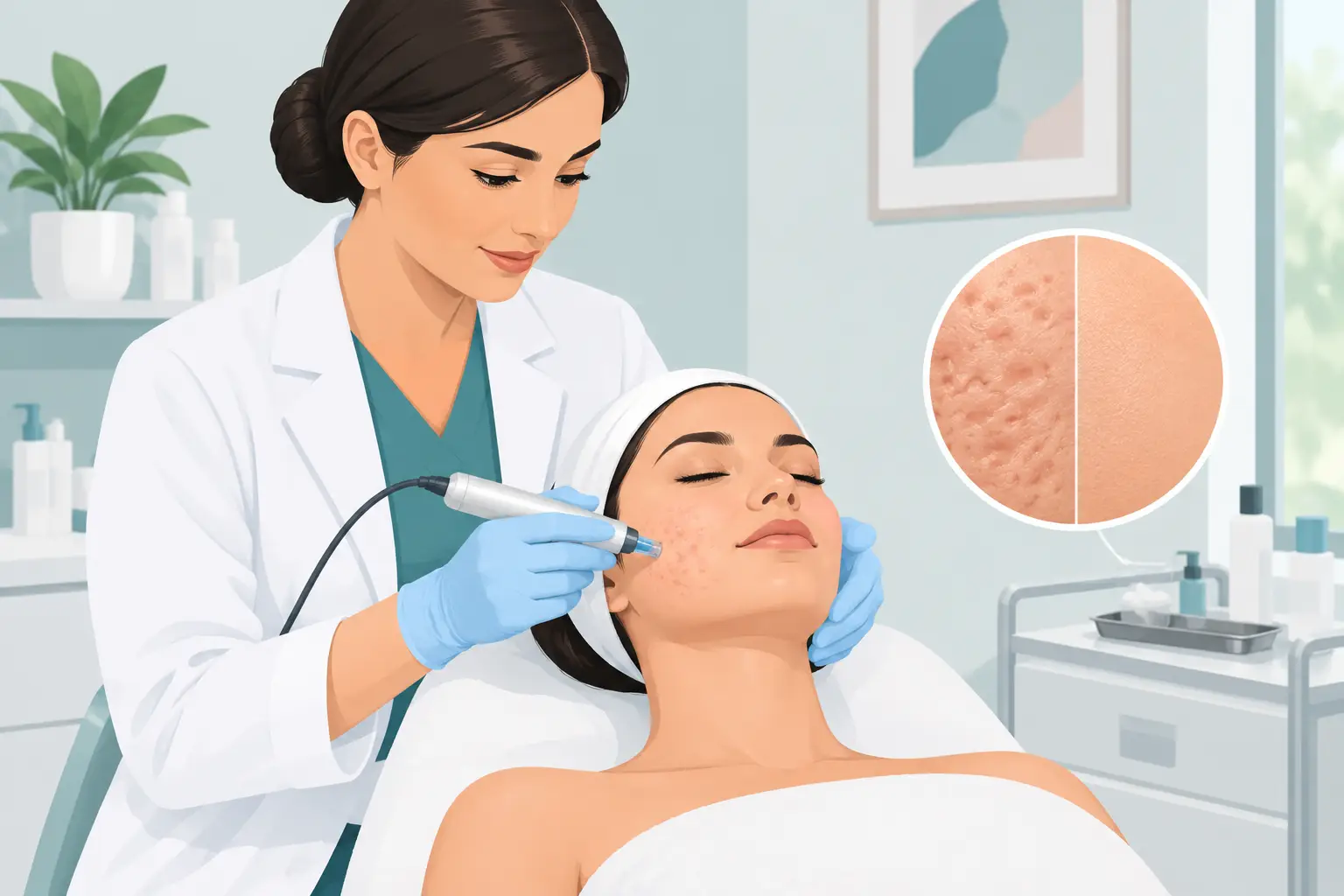
Skin quality often determines whether a face looks well, regardless of how balanced its proportions are. Professional skin treatments may focus on hydration, texture, pigmentation, congestion, redness or signs of collagen depletion. Depending on your needs, this could include medical-grade skincare guidance, regenerative approaches, skin-boosting injectables or treatments designed to encourage renewal.
Results from skin-focused treatment tend to build gradually and respond well to consistency. This is a worthwhile consideration for clients who want their improvement to be difficult to pinpoint. Better skin can make make-up sit more smoothly, give the complexion greater luminosity and support the results of other aesthetic treatments without changing facial character.
Why a bespoke plan matters
A well-designed treatment plan is not a sales tool. It is a clinical roadmap that sets priorities, timings and realistic expectations. It may begin with skin health and homecare, followed by a review after several weeks. Or it may focus on one structural concern first, then allow time for swelling to settle before considering any refinement.
At The Aesthetics Room, the 7 Pillar Skin Optimisation Protocol reflects this broader view of facial aesthetics. Skin is influenced by more than a single appointment. Barrier function, hydration, inflammation, pigmentation, collagen, lifestyle and long-term maintenance all play a part. Looking at these factors together helps avoid the cycle of treating surface symptoms without addressing what may be driving them.
This approach is especially useful if you have had disappointing treatment elsewhere. Perhaps a previous result looked overdone, wore off sooner than expected, or failed to address the concern you raised. A fresh assessment should not assume the old plan was right. It should start with listening.
What to expect from a high-quality consultation
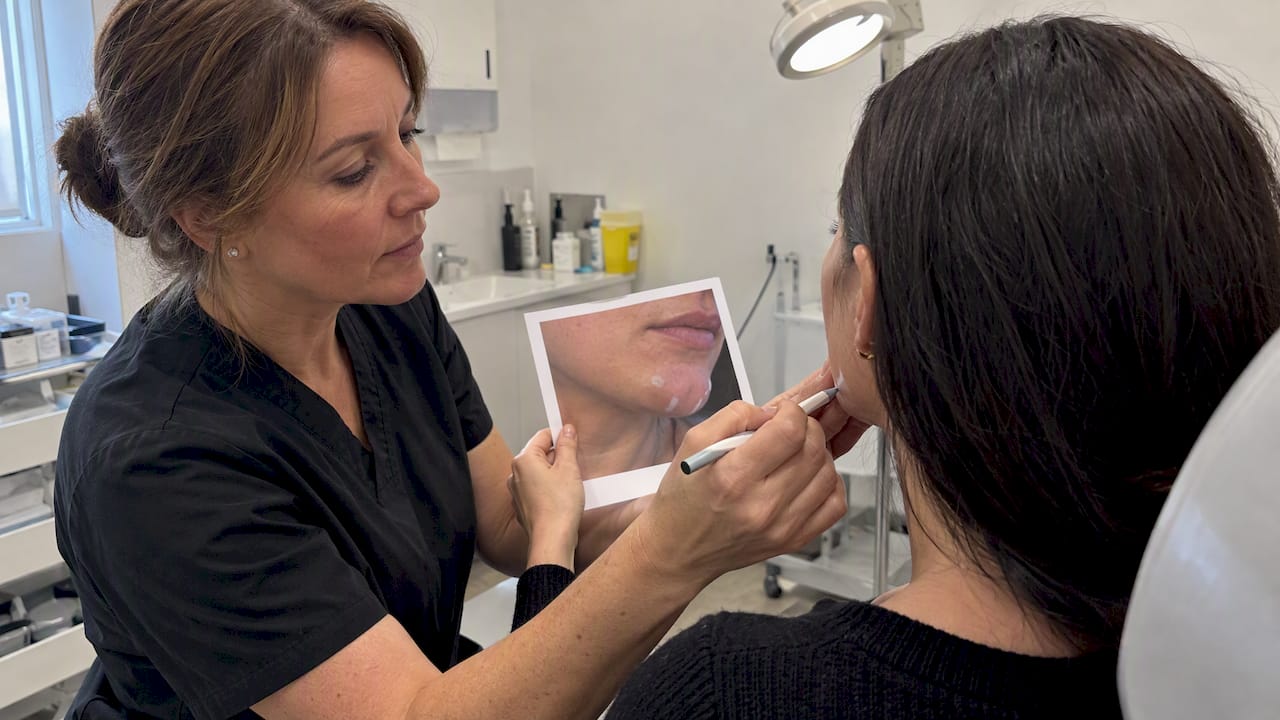
The consultation should feel unhurried and specific to you. Your practitioner will discuss your goals, medical history, allergies, current medication, previous treatments and any upcoming events. They should assess your face at rest and in motion, as well as your skin condition and facial proportions.
You should also expect an honest conversation about limitations. Non-surgical treatments can create meaningful refinements, but they cannot replicate every outcome of surgery or erase years of structural change in one session. If a result would require multiple appointments, ongoing maintenance or a different treatment altogether, that should be explained clearly.
Questions are encouraged. Ask who will perform the treatment, how suitability is assessed, what side effects are possible, what the recovery period looks like and how complications are managed. In a medical setting, you should never feel rushed into a decision or pressured to treat more areas than you had planned.
For London clients with demanding diaries, timing is another practical consideration. Some treatments have minimal visible downtime, while others can involve temporary redness, swelling or bruising. Booking around an important presentation, wedding or holiday requires care. The safest choice is to allow more recovery time than you think you will need, particularly if you are trying a treatment for the first time.
Choosing a clinic with safety and standards in mind
Prestige should never replace professional standards. A refined setting and excellent service are valuable, but they should sit alongside qualified practitioners, thorough consent, clear aftercare and appropriate clinical governance. Look for a clinic that takes medical history seriously, explains risk in straightforward language and has a clear process for follow-up support.
CQC registration and professional affiliations can offer further reassurance, but they are only part of the picture. The quality of the consultation, the practitioner’s judgement and the clinic’s willingness to say not yet are often the clearest signs of patient-centred care.
Before committing, consider whether the proposed plan sounds like you. If it promises to transform every concern immediately, it may not be sufficiently measured. The most elegant results usually develop through considered decisions, sensible treatment intervals and a willingness to protect what already suits your face.
Your face does not need to follow a trend to look its best. A good consultation gives you the space to make an informed choice, with a plan that respects your features, your wellbeing and the confidence you want to carry every day.