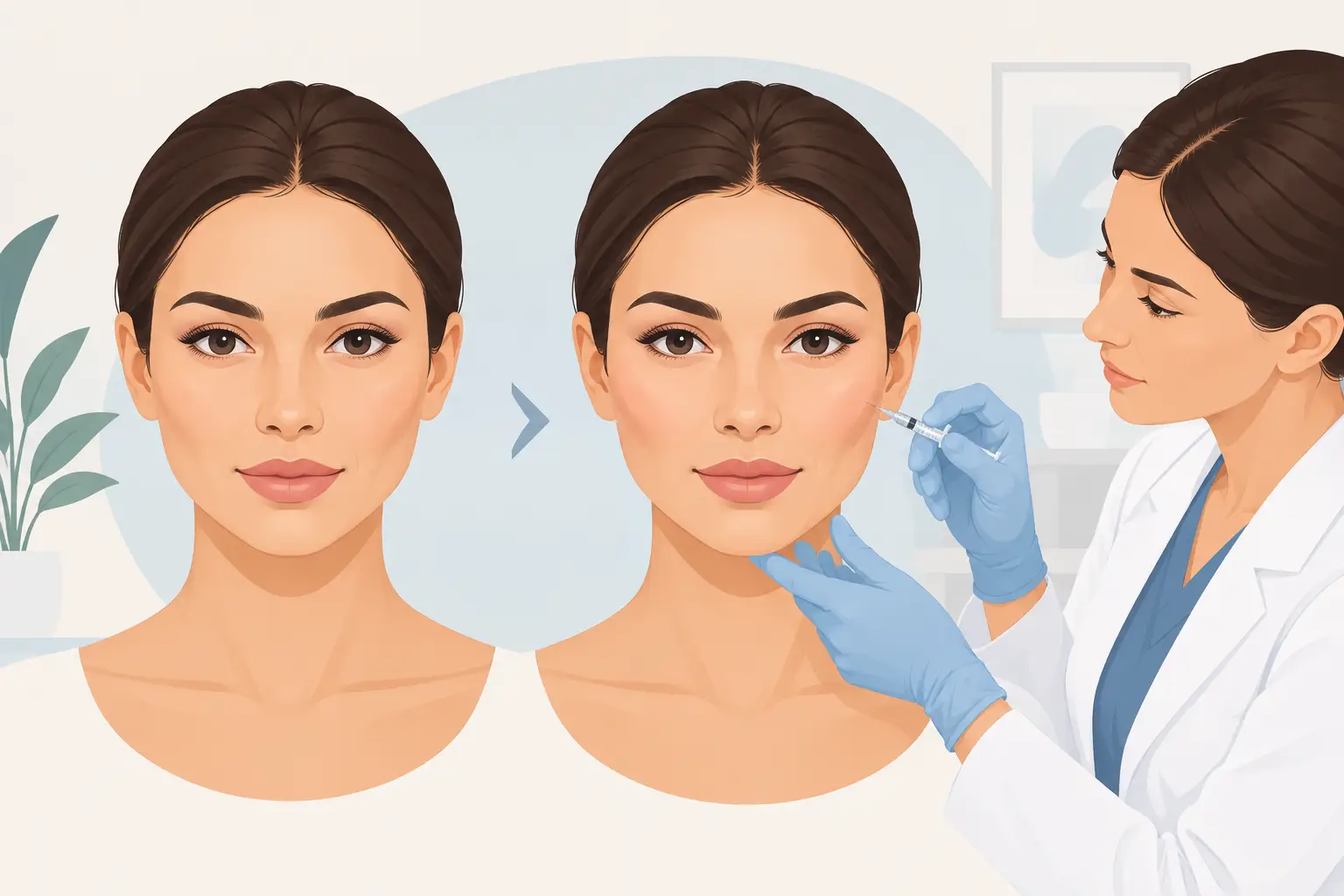
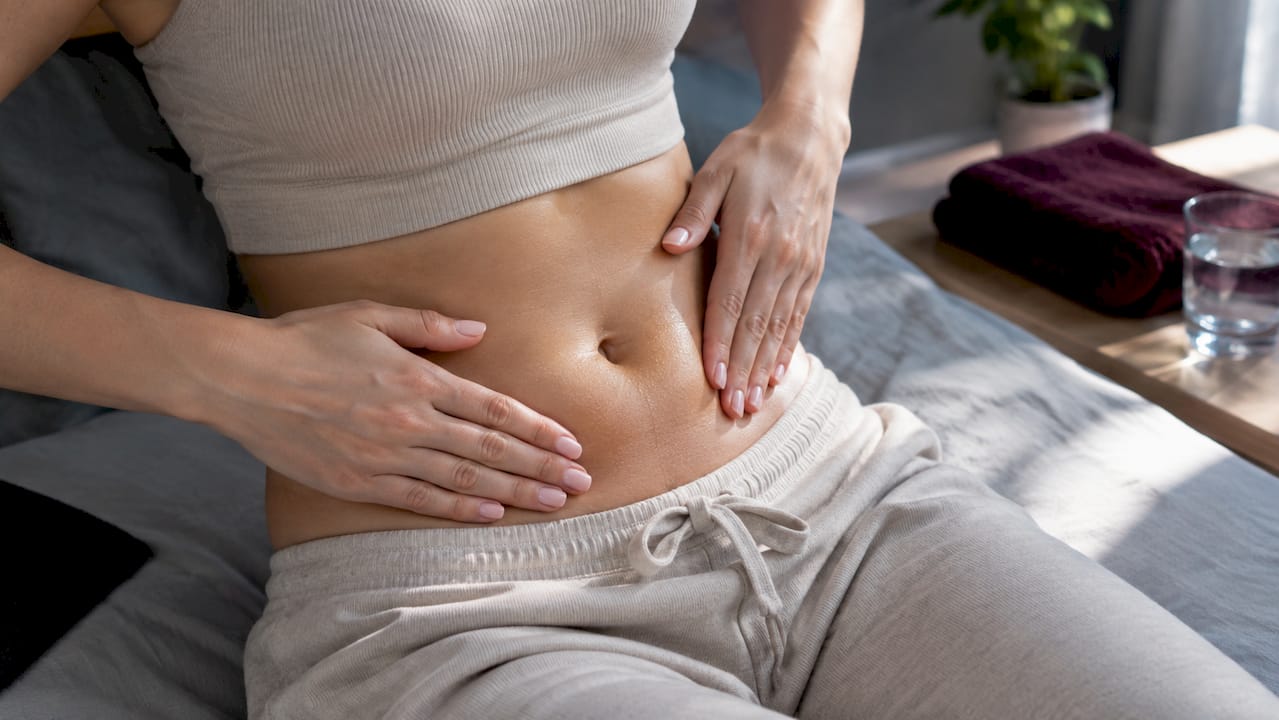

Lymphatic drainage can ease short-term, fluid-related bloating for some people, particularly puffiness that builds up after salty meals, travel or hormonal shifts. It will not reliably fix bloating caused by trapped gas or constipation, which need separate approaches. You can try gentle self-massage at home or book professional manual lymphatic drainage, but persistent, severe or unexplained bloating always warrants a GP check first.
TL;DR:
- Self-massage routines can temporarily reduce bloating caused by fluid retention but are ineffective against issues like trapped gas or constipation.
- Gentle lymphatic strokes should be light enough to move the skin without pressing deeply into muscle, and consistent hydration supports drainage efforts.
- Professional manual lymphatic drainage is suitable for persistent swelling, but it should be delivered by trained practitioners within an integrated treatment plan.
- You should see a doctor if bloating lasts beyond a few days, is accompanied by blood in stool, unexplained weight loss, or severe abdominal pain.
- Changes such as a feeling of lightness and increased bowel movements may indicate effective lymphatic drainage, but persistent swelling warrants medical review.
Table of Contents
- At-home lymphatic techniques to try for a bloated tummy
- How lymphatic drainage eases bloating: the science in plain language
- Professional manual lymphatic drainage versus self-massage: when to choose which
- Safety, contraindications and when to see a GP
- What to expect during and after a session: timing and realistic results
- Clinic perspective and evidence from practice
- Author’s perspective and recommended next steps
- How The Aesthetics Room can help with lymphatic drainage
- Sources
- FAQ
At-home lymphatic techniques to try for a bloated tummy
Simple lymphatic drainage (SLD) is a gentle, taught self-care routine, distinct from deep tissue massage, that encourages fluid to move towards your lymph nodes rather than pooling in your tissues. You can practise a simplified version at home in around 10 to 20 minutes.
- Start at your collarbone and gently pump the skin there for 10 to 15 seconds to open the drainage pathway.
- Work down to your abdomen, using flat hands to stroke lightly from right to left, following the natural direction of your colon.
- Add gentle kneading over the lower abdomen, moving clockwise, with just enough pressure to move the skin rather than press deeply into muscle.
- Breathe slowly and deeply throughout, since diaphragmatic breathing helps draw lymph fluid through the chest’s deeper vessels.
- Finish with light movement, such as a short walk or a few minutes of gentle stretching, to keep fluid circulating.
Staying hydrated and eating smaller, regular meals with steady fibre intake supports the same drainage process rather than working against it. If a stroke or area feels tender, sore or produces sharp pain, stop and reassess rather than pushing through it.
Pro Tip: Keep every stroke light enough that the skin moves but the muscle underneath does not; lymphatic vessels sit close to the surface and respond better to gentle pressure than to firm massage.
How lymphatic drainage eases bloating: the science in plain language
Your lymphatic system is a network of vessels and nodes that drains excess fluid, waste and immune cells from your tissues back into your bloodstream. Unlike your circulatory system, it has no central pump, so it relies on muscle movement, breathing and gentle external pressure to keep fluid moving. That is why light, rhythmic strokes and deep breathing can have a genuine physiological effect rather than just a relaxing one.
- Gentle skin stroking creates a mild “milking” action that nudges fluid along superficial lymph vessels.
- Movement and muscle contraction (walking, stretching) support drainage between sessions.
- Clinical guidance from the Royal Marsden describes very gentle, directional hand movements alongside breathing exercises as the basis of both professional and self-taught drainage.
Small trials suggest that abdominal massage can improve bowel frequency and constipation scores when used within a wider bowel management plan, which matters because constipation is a common driver of bloating that lymphatic work alone will not resolve.
Professional manual lymphatic drainage versus self-massage: when to choose which
Manual lymphatic drainage (MLD) is a specialised technique that should be delivered by a trained practitioner, distinct from the SLD routine you can safely do yourself at home. The NHS guidance on lymphoedema treatment describes MLD as one part of an integrated approach that also includes compression and exercise, not a standalone fix.
- Choose SLD for occasional, mild bloating linked to diet, travel or your monthly cycle.
- Consider professional MLD after aesthetic procedures, for diagnosed lymphoedema, or when fluid retention persists despite consistent self-care.
- Ask any clinic about practitioner training, and check for CQC registration and ACE Group membership before booking.
- Expect therapists to eventually teach you an SLD routine for maintenance between sessions, mirroring the therapist-to-self-care handover recommended in NHS lymphoedema care.
Most people who try self-massage first will know within a couple of weeks whether it is making a noticeable difference.
Safety, contraindications and when to see a GP
Bloating is usually harmless, but some patterns need medical review before you reach for any massage technique.
- See a GP if bloating is persistent, does not settle, or comes with blood in your stool, unexplained weight loss or severe abdominal pain, as flagged in NHS bloating guidance.
- Avoid lymphatic massage over an active infection, unexplained swelling, or if you have certain cardiac conditions, and get clinical sign-off before resuming it after surgery.
- For constipation-led bloating, follow NHS advice on hydration, fibre and activity, and speak to a pharmacist or GP if laxatives seem necessary.
- Before any session, self-check for fever, unexplained lumps, or skin changes, and postpone if you notice any of these.
What to expect during and after a session: timing and realistic results
Most people feel lighter and less puffy within minutes of gentle abdominal work, and some notice a short-term increase in bowel movements as their digestive system responds to the stimulation. Facial and body lymphatic drainage delivered in a clinic setting is often described in practice materials as producing effects lasting around 4 to 6 hours, though individual response varies.
- Drink water afterwards and keep movement light rather than intense for the rest of the day.
- Repeat sessions, whether self-massage or professional, tend to compound the effect rather than one session solving persistent puffiness.
- Track how your body responds over a week or two before deciding whether to continue or book a clinic visit.
- At a consultation, ask about timing relative to any recent aesthetic treatment, contraindications specific to you, and the practitioner’s own training.
Pro Tip: Note the time of day, meal and hydration level before and after each session; patterns often reveal whether your bloating is fluid-related or digestive.
Clinic perspective and evidence from practice
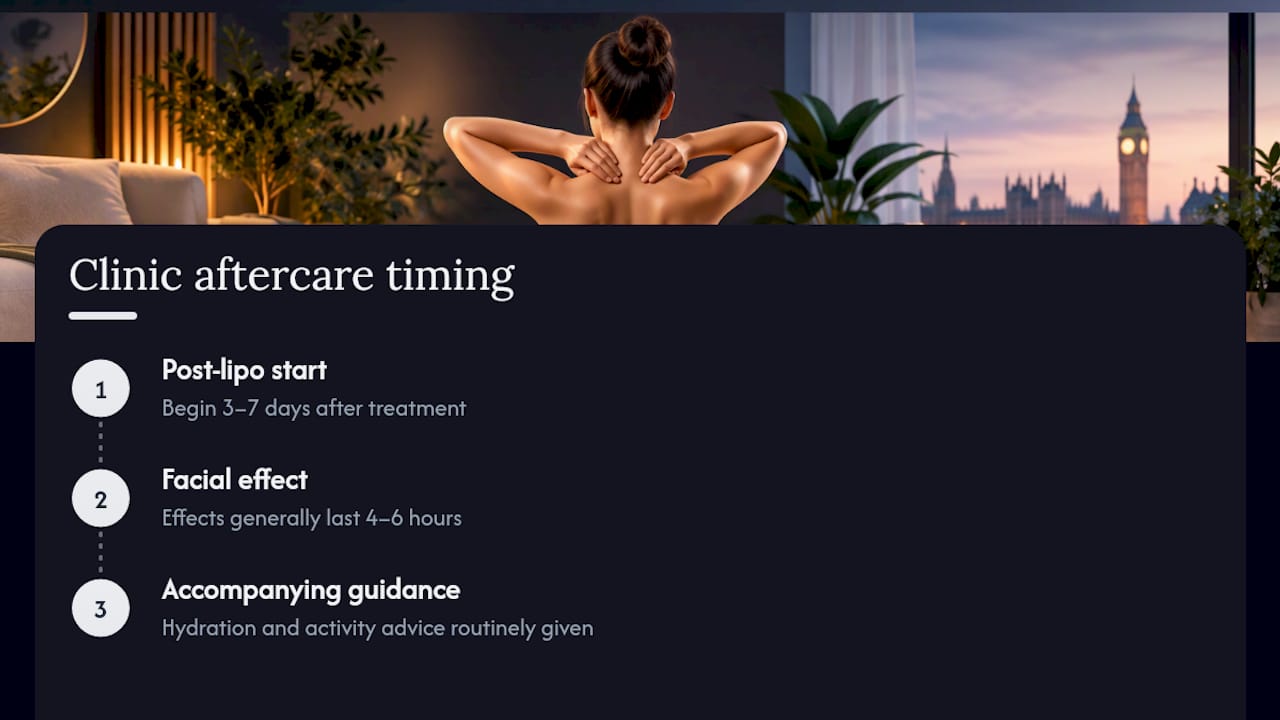
At The Aesthetics Room, lymphatic drainage is offered as part of aftercare protocols following aesthetic treatments, with timing guidance for post-lipo drainage typically beginning within 3 to 7 days. Sessions are delivered by trained practitioners within a CQC-registered, ACE Group member clinic, with facial drainage effects generally observed to last 4 to 6 hours in clinic materials, and drainage is routinely paired with hydration and activity guidance for consistent aftercare.
Author’s perspective and recommended next steps
For occasional, mild bloating, gentle home techniques are worth a fair trial first: give SLD or abdominal massage a week or two and note how your body responds. Book a clinic consultation if fluid retention persists, if you have had recent aesthetic work, or if you simply want a trained pair of hands checking for contraindications first.
— Vishul
How The Aesthetics Room can help with lymphatic drainage
If your bloating persists after a GP has ruled out anything more serious, or you want professional aftercare following an aesthetic treatment, The Aesthetics Room offers manual lymphatic drainage delivered by trained practitioners within a CQC-registered clinic.

- Suited to persistent fluid retention after medical review, or aftercare following aesthetic treatments.
- Delivered by trained specialists within a CQC-registered clinic and ACE Group member practice.
- Sessions can be combined with a wider aftercare plan covering hydration and activity.
You can check current pricing and availability on the treatment price list to book a consultation.
This article is general information, not a substitute for advice from a qualified doctor. Consult a qualified healthcare professional about your own circumstances before acting on anything here.
Sources
- Lymphoedema – Treatment – NHS
- Lymphatic drainage for lymphoedema – Royal Marsden
- Pilot study: abdominal massage for constipation (Glasgow Caledonian University repository)
FAQ
How do you drain lymphatic fluid from the belly?
Gentle, flat-handed strokes moving right to left across the abdomen, following the direction of your colon, encourage lymph fluid to move rather than pool. Pair this with slow, deep breathing and light movement such as walking, since muscle contraction and breathing both help push lymph fluid along.
How can you debloat your tummy quickly?
There is no instant fix, but gentle abdominal massage, hydration and a short walk can ease fluid-related puffiness within minutes to hours for some people. If bloating is caused by gas or constipation, NHS advice on fibre, fluid and activity is more likely to help than massage alone.
What are signs your lymphatic system is draining well?
Reduced puffiness, a lighter feeling in the treated area and, for some people, a short-term increase in bowel movements are common signs that drainage techniques are having an effect. Persistent swelling that does not respond to gentle self-care is a reason to seek professional assessment rather than a sign of poor technique.
Do you poop more after lymphatic drainage?
Some people notice increased bowel activity after abdominal lymphatic massage, likely linked to the stimulation of nearby digestive structures alongside lymph vessels. This effect varies between individuals and is not something every session will produce.