

Every discerning Londoner knows that achieving a refreshed, youthful look should never come at the expense of safety or sophistication. The surge in non-surgical cosmetic injectables has transformed how men and women approach facial enhancement, making natural-looking results both accessible and bespoke. By understanding what sets premium injectables apart, you gain the insight to choose treatments that deliver refined improvements while prioritising your wellbeing and confidence.
Table of Contents
- What Are Injectables In Aesthetics?
- Key Types: Fillers, Toxins, And Biostimulators
- How Injectable Aesthetic Treatments Work
- Regulation And Safety Standards In The UK
- Risks, Aftercare, And How To Choose A Clinic
- Emerging Trends In Injectable Aesthetics For 2026
Key Takeaways
| Point | Details |
|---|---|
| Understanding Injectables | Aesthetic injectables, such as dermal fillers and botulinum toxin, offer non-surgical options for facial enhancement and rejuvenation. |
| Categories of Injectables | The main types include dermal fillers for volume and contour, muscle-relaxing toxins for wrinkles, and biostimulators for collagen production. |
| Importance of Regulation | New regulations in the UK will enforce mandatory licensing for practitioners to enhance safety and professional standards. |
| Selecting a Clinic | Choosing a qualified aesthetic clinic is crucial; ensure practitioners have verified credentials and offer comprehensive consultations. |
What Are Injectables in Aesthetics?
Injectables in aesthetics represent a sophisticated category of non-surgical cosmetic treatments designed to subtly enhance and rejuvenate one’s appearance. These minimally invasive procedures involve precise injections of specialised substances beneath the skin to address aesthetic concerns with remarkable precision. Non-surgical cosmetic procedures have transformed the landscape of personal aesthetic enhancement, offering individuals nuanced approaches to maintaining a refreshed and youthful look.
The primary categories of aesthetic injectables include botulinum toxin (commonly known as Botox) and dermal fillers. Botulinum toxin works by temporarily relaxing specific facial muscles to smooth dynamic wrinkles, while dermal fillers add volume, restore contours, and minimise the appearance of lines and folds. These treatments target areas such as forehead lines, crow’s feet, nasolabial folds, and lip volume, providing tailored solutions for individual aesthetic goals.
Understanding the science behind injectables reveals their sophisticated nature. Cosmetic injection procedures involve carefully administered substances that interact with the skin’s underlying structures. Hyaluronic acid-based fillers, for instance, attract moisture and stimulate collagen production, creating a natural, plump appearance. Botulinum toxin interrupts nerve signals to specific muscles, preventing repetitive movements that cause wrinkle formation. These precise interventions allow practitioners to achieve subtle, refined enhancements that look completely natural.
Pro tip: Always schedule a comprehensive consultation with a qualified aesthetic practitioner to understand which injectable treatments best suit your unique facial anatomy and aesthetic objectives.
Key Types: Fillers, Toxins, and Biostimulators
Aesthetic injectables represent a sophisticated trio of treatments designed to address various skin concerns and aesthetic goals. Aesthetic medicine treatments comprise three primary categories: dermal fillers, muscle-relaxing toxins, and biostimulators. Each category offers unique mechanisms of action, targeting different aspects of facial rejuvenation and enhancement with remarkable precision and scientific sophistication.
Dermal fillers are injectable substances typically composed of hyaluronic acid that restore volume, smooth wrinkles, and enhance facial contours. They work by literally filling spaces beneath the skin, plumping areas that have lost natural volume due to ageing or creating more defined features like fuller lips or enhanced cheekbones. Muscle-relaxing toxins, most commonly botulinum toxin, function differently by temporarily blocking nerve signals to specific facial muscles, preventing repetitive movements that cause dynamic wrinkles such as forehead lines and crow’s feet.
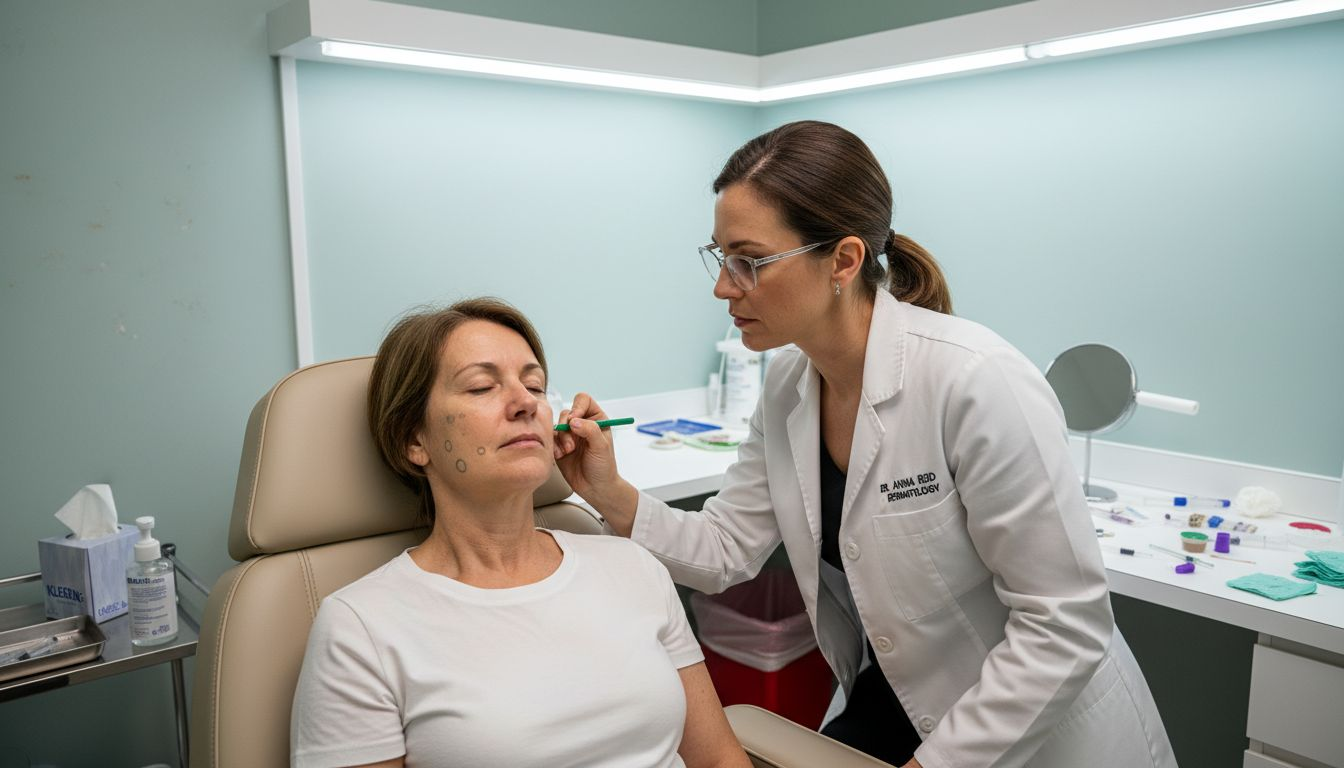
Biostimulators represent the most advanced injectable category, working at a cellular level to stimulate the body’s natural collagen production. These treatments, such as poly-L-lactic acid or calcium hydroxylapatite, gradually improve skin texture, firmness, and overall quality by encouraging the body’s regenerative processes. Unlike traditional fillers that provide immediate volume, biostimulators create subtle, progressive improvements that develop over several months, offering a more natural and long-lasting approach to skin rejuvenation.
Pro tip: Consult a qualified aesthetic practitioner to determine which injectable type best matches your specific skin concerns and desired aesthetic outcomes.
Here is a concise comparison of the main injectable types and their primary effects:
| Injectable Type | Main Ingredient | Targeted Concern | Typical Longevity |
|---|---|---|---|
| Dermal Fillers | Hyaluronic acid | Volume loss, contour | 6-18 months |
| Muscle-Relaxing Toxins | Botulinum toxin | Dynamic wrinkles | 3-6 months |
| Biostimulators | Poly-L-lactic acid, CaHA | Collagen loss, texture | 12-24 months |
How Injectable Aesthetic Treatments Work
Aesthetic injectable treatments represent a precise and scientifically advanced approach to facial rejuvenation, working at a cellular and muscular level to create subtle yet transformative enhancements. Injectable aesthetic procedures function through sophisticated mechanisms that interact directly with the skin’s underlying structures, delivering targeted improvements with minimal invasiveness. These treatments leverage advanced biochemical interactions to modify facial appearance without surgical intervention.
The mechanism of action varies significantly between different injectable types. Muscle-relaxing toxins like botulinum toxin work by temporarily interrupting nerve signals to specific facial muscles, preventing repetitive contractions that cause dynamic wrinkles. This process essentially ‘switches off’ targeted muscle groups, allowing the skin to smooth and relax. In contrast, dermal fillers operate through physical volumisation, using substances like hyaluronic acid to literally fill and plump designated areas, restoring lost volume and creating more defined facial contours.
Biostimulators represent the most nuanced injectable category, functioning by stimulating the body’s natural regenerative processes. These advanced treatments trigger collagen production at a cellular level, gradually improving skin texture, elasticity, and overall quality. Unlike immediate-effect treatments, biostimulators create progressive improvements that develop over months, offering a more natural and long-lasting approach to aesthetic enhancement. The injectable is strategically placed to encourage the body’s own healing and rebuilding mechanisms, resulting in subtle yet significant skin transformation.
Pro tip: Always request a comprehensive facial assessment to determine the most appropriate injectable approach for your unique skin characteristics and aesthetic goals.
Regulation and Safety Standards in the UK
The aesthetic injectable industry in the United Kingdom has undergone significant regulatory transformation, prioritising patient safety and professional standards. Licensing of cosmetic procedures represents a critical milestone in ensuring comprehensive protection for individuals seeking aesthetic treatments. The new regulatory framework aims to establish stringent guidelines that protect consumers from unqualified practitioners and potentially dangerous procedures.
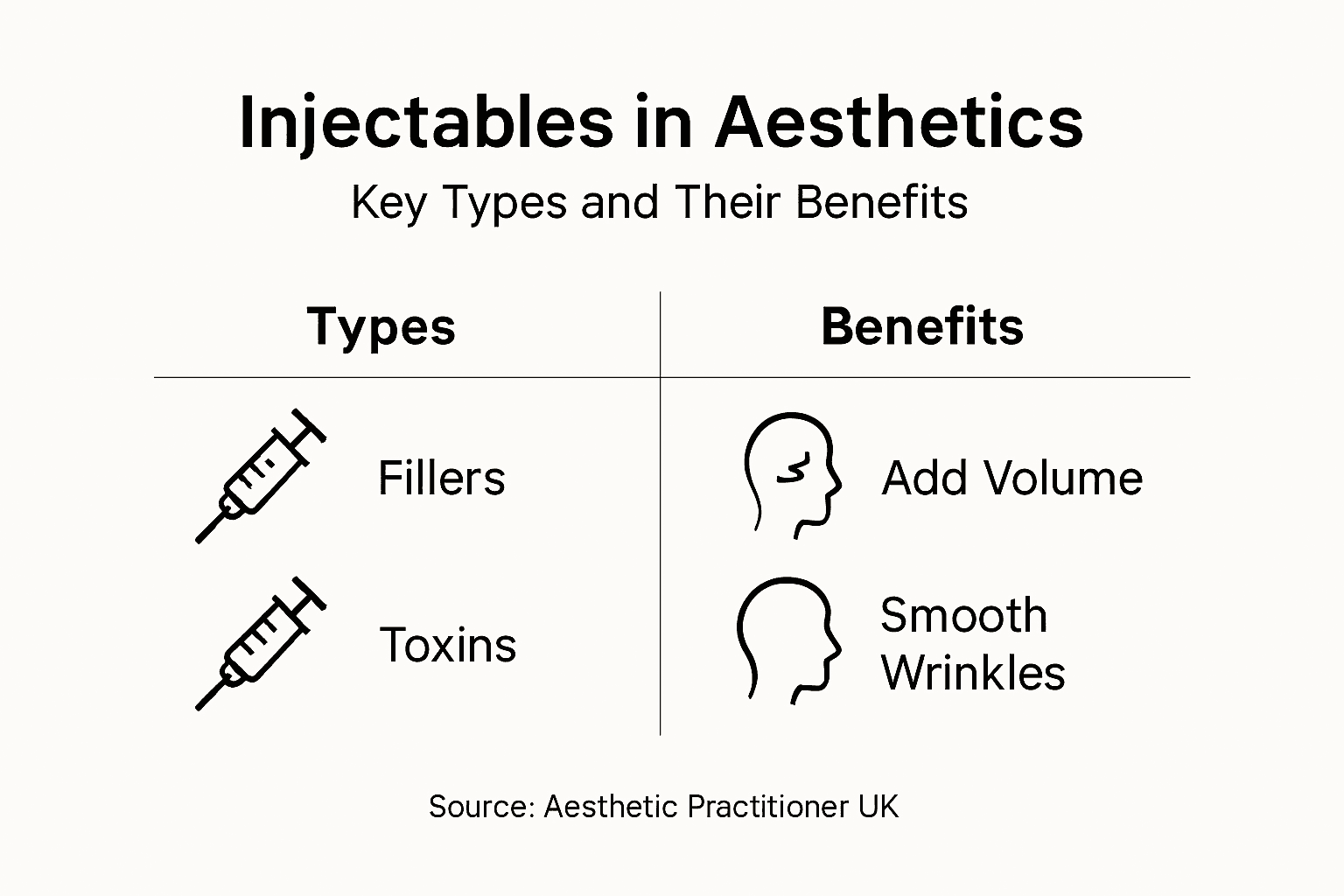
Starting from 2025, the UK government will implement a comprehensive licensing regime that mandates specific requirements for injectable aesthetic practitioners. Mandatory qualifications will include verified professional training, appropriate insurance coverage, and adherence to strict safety protocols. Healthcare professionals must demonstrate expertise through accredited certifications, and clinics will be subject to regular inspections to ensure compliance with emerging safety standards. This approach categorises injectable treatments by risk level, with high-risk procedures requiring more extensive qualifications and oversight.
The regulatory landscape focuses on multiple dimensions of safety, including practitioner competence, treatment environment, and product standards. Non-surgical cosmetic regulations now emphasise comprehensive assessments of practitioner skills, premises hygiene, equipment maintenance, and informed patient consent. The Health and Care Act 2022 has been instrumental in empowering licensing bodies to enforce these standards, creating a more transparent and accountable aesthetic medicine environment. These regulations aim to mitigate risks associated with injectable treatments and provide consumers with confidence in the quality and safety of aesthetic interventions.
Pro tip: Always verify a practitioner’s professional credentials and current licensing status before proceeding with any injectable aesthetic treatment.
This table summarises essential UK regulation changes for injectable procedures:
| Regulation Aspect | Implementation Year | Impact on Clinics | Patient Benefit |
|---|---|---|---|
| Mandatory practitioner licensing | 2025 | Requires accredited training | Increased safety |
| Regular clinic inspections | 2025 | Ongoing compliance monitoring | Reliable standards |
| Categorisation by risk level | 2025 | Enhanced oversight for high-risk | Additional protection |
Risks, Aftercare, and How to Choose a Clinic
Injectable cosmetic procedures involve inherent risks that potential patients must comprehensively understand before pursuing treatment. Potential complications include infection, allergic reactions, vascular occlusion, nerve damage, and potential scarring. These risks are significantly amplified when treatments are administered by unqualified practitioners, underscoring the critical importance of selecting a highly professional and licensed aesthetic clinic.
Choosing the right clinic demands meticulous research and careful evaluation. Key selection criteria include verifying practitioner qualifications, confirming current professional licensing, reviewing insurance coverage, and ensuring compliance with current safety standards. Patients should seek clinics where practitioners conduct thorough face-to-face consultations, use only licensed products, and demonstrate transparent communication about potential risks and expected outcomes. Medical oversight and clear complication management protocols are essential indicators of a reputable aesthetic provider.
Proper aftercare represents a crucial component of successful injectable treatments. Patients must follow specific post-procedure instructions, which typically involve avoiding extreme temperatures, minimising physical activity, preventing direct sunlight exposure, and refraining from touching the treated areas. Monitoring for potential adverse reactions and maintaining open communication with the practitioner are paramount. Some treatments require multiple follow-up appointments to assess healing, adjust results, and ensure optimal aesthetic outcomes. Understanding these nuanced aftercare requirements can significantly mitigate potential complications and enhance treatment effectiveness.
Pro tip: Request a comprehensive medical history review and patch test prior to any injectable treatment to minimise potential adverse reactions.
Emerging Trends in Injectable Aesthetics for 2026
Cosmetic industry regulations are dramatically reshaping the injectable aesthetics landscape, with 2026 poised to introduce unprecedented sophistication in treatment approaches. The emerging trends reflect a profound shift towards more holistic, scientifically rigorous, and patient-centred aesthetic interventions. Practitioners are moving beyond traditional volume enhancement towards comprehensive skin health and personalised treatment strategies.
The most significant developments centre on advanced biostimulatory technologies that go beyond conventional fillers and toxins. These innovative treatments focus on cellular regeneration, leveraging peptides, polynucleotides, and growth factors to stimulate natural collagen production and skin restructuring. Unlike traditional injectables that merely address surface-level concerns, these cutting-edge solutions work at a fundamental biological level, promoting genuine skin renewal and long-term aesthetic improvements.
Psychological screening and ethical considerations are becoming integral to aesthetic practice. Clinics are increasingly adopting comprehensive patient assessment protocols that evaluate not just physical suitability for treatments, but also psychological readiness and motivations. This nuanced approach ensures that injectable treatments align with patients’ emotional wellbeing, moving away from purely cosmetic interventions towards a more holistic understanding of aesthetic enhancement as part of overall personal wellness and self-perception.
Pro tip: Research practitioners who demonstrate a comprehensive, evidence-based approach to aesthetic treatments, prioritising your overall health and individualised care.
Discover Subtle Enhancement with Advanced Injectables at The Aesthetics Room
Struggling to achieve natural-looking, refined facial rejuvenation without surgery The precision of advanced injectables can address your concerns such as dynamic wrinkles, volume loss, and skin texture with scientifically backed treatments tailored specifically for you At The Aesthetics Room, we specialise in a sophisticated range of injectable solutions including Botox and dermal fillers that gently restore your youthful contours while prioritising safety and professional care Explore our Advanced Injectables category to find bespoke treatment options expertly designed for subtle, lasting results

Take control of your aesthetic journey today by booking a personalised consultation with one of our highly trained specialists Discover how tailored injectable treatments can make a confident, natural difference to your appearance and wellbeing Visit our website The Aesthetics Room to learn more about our comprehensive treatments or browse our options in Skin Treatments for complete rejuvenation Care, expertise, and remarkable results await you in the heart of London Don’t wait to feel your best — start your transformation now
Frequently Asked Questions
What are injectables in aesthetics?
Injectables in aesthetics are non-surgical cosmetic treatments that enhance and rejuvenate appearance through precise injections of specialised substances beneath the skin. They primarily include botulinum toxin (Botox) and dermal fillers.
How do dermal fillers and muscle-relaxing toxins work?
Dermal fillers add volume and restore contours by filling spaces beneath the skin, while muscle-relaxing toxins like botulinum toxin temporarily block nerve signals to facial muscles, reducing the appearance of dynamic wrinkles.
What are biostimulators, and how do they differ from traditional injectables?
Biostimulators are advanced injectables that stimulate the body’s natural collagen production, gradually improving skin texture and quality, unlike traditional fillers that provide immediate volume.
How can I ensure the safety of my injectable treatment?
To ensure safety, confirm that your practitioner has the required qualifications and licensing, use licensed products, and follow proper aftercare instructions. A thorough consultation and open communication about potential risks are also essential.
Recommended
- Why Choose Fillers for Facial Enhancement? – The Aesthetics Room
- Polynucleotides Vs Fillers – The Aesthetics Room
- 7 Key Advantages of Dermal Fillers for Confident Enhancement – The Aesthetics Room
- Botox Tutorial For Men | Botox Injection Patterns | Forehead, Corrugators & Crows Feet – The Aesthetics Room