
A well-planned filler appointment should feel considered, not rushed. Knowing how to prepare for filler treatment can reduce avoidable swelling and bruising, support a smoother recovery, and give your practitioner the information needed to create results that look balanced, refined and recognisably you.
Dermal filler is not a one-size-fits-all beauty treatment. The right product, placement and amount depend on your facial anatomy, skin quality, medical history and the outcome you would genuinely feel confident with. Preparation begins well before the treatment chair, with an open conversation about your priorities and a commitment to safety over trends.
Start with a thorough, consultation-led plan
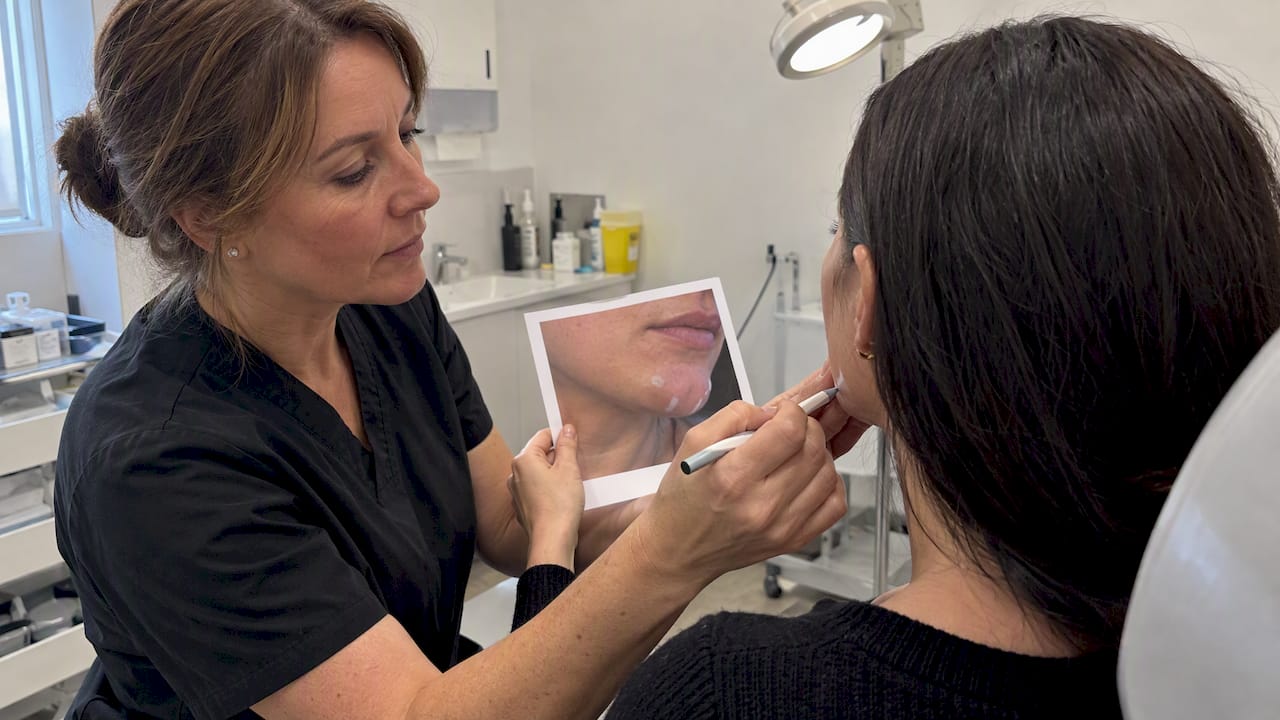
Your consultation is where a bespoke treatment plan takes shape. Rather than arriving with a fixed request for a certain number of millilitres or a copy of someone else’s lips, focus on the concern behind it. You may wish to restore subtle cheek support, soften lines around the mouth, improve lip definition or address a profile imbalance. These goals can often be approached in more than one way.
A trained practitioner should assess your face at rest and in movement, consider proportion from different angles, and explain what filler can realistically achieve. They should also discuss likely longevity, costs, the possibility of staged treatment and relevant risks. Natural-looking results frequently come from restraint. Sometimes the best plan is to treat one area first, allow swelling to settle, then reassess rather than attempting every change in a single appointment.
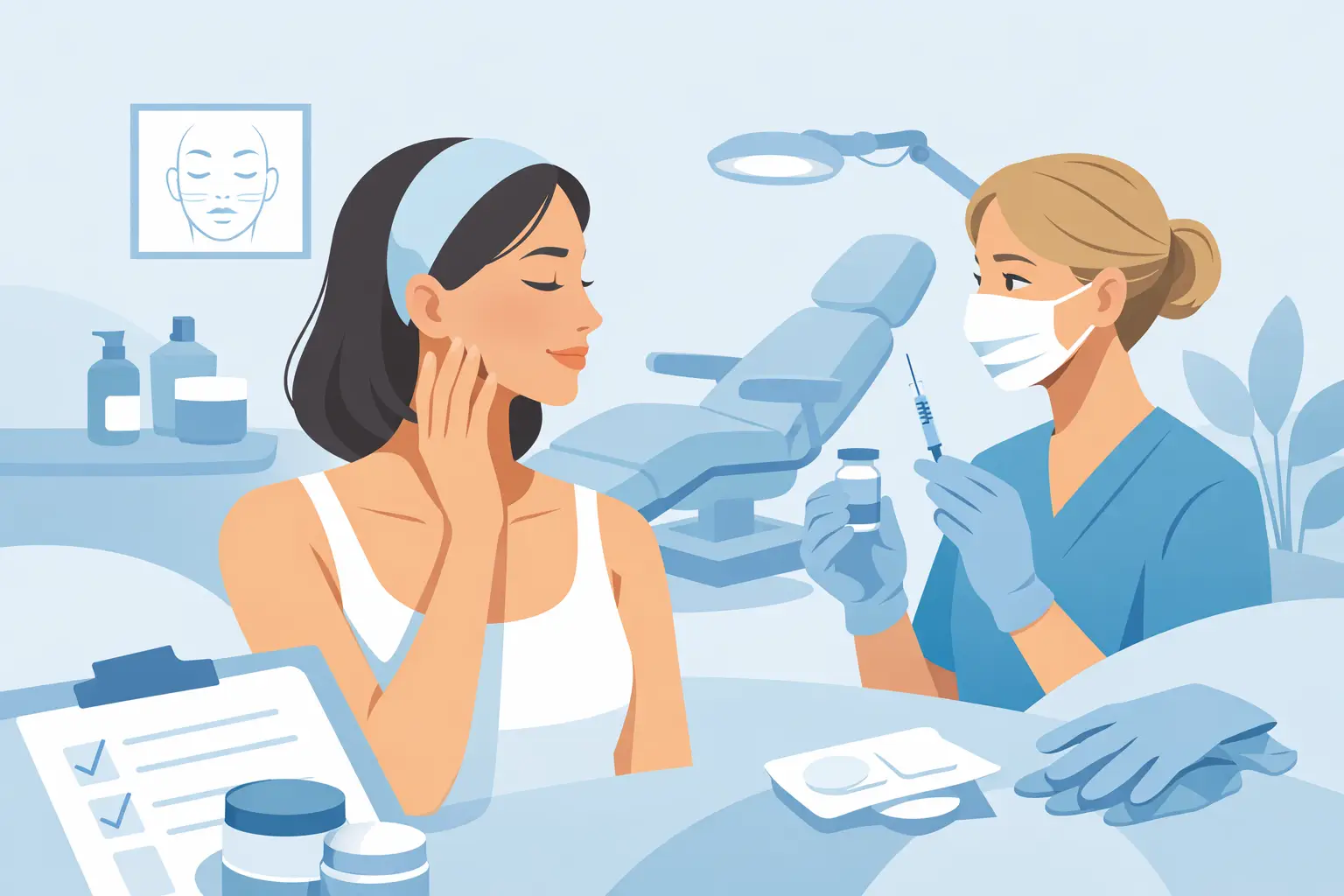
Be ready to share your full medical history. This includes allergies, previous aesthetic treatments, cold sores, autoimmune conditions, bleeding disorders, skin conditions, current illness and any history of complications with injectables. If you have had filler elsewhere, tell your practitioner what was used, where it was placed and when, if you know. This information matters when planning safely around existing product.
How to prepare for filler treatment in the week before
The aim is not to follow a complicated regime. It is to arrive with calm, healthy skin and minimise factors that can increase bruising or compromise your comfort.
Avoid booking dermal filler immediately before a wedding, holiday, important presentation or professional photographs. Even when treatment is beautifully performed, temporary redness, tenderness and swelling are normal. Bruising is possible, particularly in mobile or vascular areas such as the lips and under-eye region. Give yourself at least two weeks before an event where you want to look fully settled. Some people need less time; others need more.
If you are prone to cold sores and are considering lip or peri-oral filler, mention this during your consultation. Needle treatment around the mouth can trigger a recurrence in susceptible patients. Your practitioner may advise preventative antiviral medication where appropriate.
Keep your skincare routine gentle in the days leading up to treatment. Avoid introducing a new active product, aggressive exfoliation, chemical peels, waxing, threading or facial treatments close to your appointment. Irritated, broken or inflamed skin may mean treatment needs to be postponed. If you have an active spot, rash, cold sore or infection near the intended treatment area, contact the clinic before attending.
Alcohol can increase the likelihood of bruising and swelling, so it is sensible to avoid it for 24 to 48 hours beforehand. Staying well hydrated, eating normally and arriving rested can make the appointment more comfortable. There is no need to fast unless you have been given specific medical advice to do so.
Medicines and supplements: ask before stopping anything
Some medicines and supplements may increase bruising. These can include aspirin, ibuprofen, naproxen, anticoagulants, certain herbal remedies, fish oil, vitamin E and high-dose turmeric supplements. However, you should never stop prescribed medication, particularly blood-thinning medication, without explicit advice from the clinician who prescribes it.
Instead, provide an accurate list of everything you take, including non-prescription remedies and supplements. Your aesthetic practitioner can then advise what is appropriate for your circumstances and whether treatment should proceed, be adjusted or be delayed. Safety is always more valuable than forcing an appointment into a particular date.
On the day of your appointment
Arrive with clean skin where possible. Light make-up is not usually a problem, but the treatment area will need to be cleansed thoroughly. Avoid applying numbing cream unless your practitioner has specifically recommended it, as unsuitable products or excessive use can affect the skin and complicate assessment.
Eat a light meal and drink water beforehand. Feeling faint during injections is more common when someone has skipped breakfast, is dehydrated or is anxious. If needles make you nervous, say so from the outset. A considered practitioner will talk through the process, allow time for breaks and help you feel in control throughout.
Bring any details requested following your consultation, particularly information about previous filler. It can also be helpful to take a few clear, make-up-free photographs before treatment for your own records. These should not be treated as a guarantee of a particular outcome, but they can make subtle, considered improvement easier to appreciate after swelling has resolved.
Pregnancy and breastfeeding should also be discussed. Dermal fillers are generally deferred during pregnancy and breastfeeding because there is insufficient safety data, not because a known risk has been established. A reputable clinic will take a cautious, patient-first approach.
Plan your recovery before you leave home
Most clients return to normal daily activity quickly, but fillers deserve a little breathing room. If your diary allows, choose a quiet evening after your appointment and avoid arranging anything that makes you feel pressured to look immediately camera-ready.
For the first 24 to 48 hours, your practitioner may advise you to avoid strenuous exercise, alcohol, excessive heat, saunas, steam rooms and sunbeds, as these can worsen swelling and redness. Do not massage, press or manipulate the treated area unless you have been specifically instructed to do so. The advice can vary according to the area treated and the technique used, so your own aftercare guidance should always take priority.
A cool compress can be comforting for swelling, but use it gently and avoid direct pressure. Sleep with your head slightly elevated on the first night if practical, especially after lip or cheek filler. Avoid facials, dental work and other treatments that place pressure on the face for the period recommended by your practitioner. In many cases, this is around two weeks, although the right timing depends on the treatment.
It is also worth understanding the difference between normal settling and a concern that needs urgent help. Mild swelling, tenderness, tiny injection marks and occasional bruising are common. Severe or increasing pain, unusual blanching or mottled discolouration of the skin, a cold area of skin, visual disturbance or feeling unwell requires immediate contact with your clinic or urgent medical attention. A medically led provider should give you clear emergency contact information and take any concern seriously.
Leave room for the result to settle
The temptation to judge filler too soon is understandable, especially in the lips, where swelling can make the result appear fuller or less even at first. Give the area time. Many results settle over one to two weeks, though this varies by treatment area and individual healing response.
A review appointment can be useful when it is part of the original plan, particularly for clients seeking subtle refinement. It is not about continually adding product. It is an opportunity to assess balance once the tissue has settled and decide, together, whether any adjustment is genuinely needed.
At The Aesthetics Room, preparation is part of personalised care, not a checklist to rush through. Choosing an experienced practitioner, disclosing your medical history honestly and giving yourself proper time to recover helps protect both your wellbeing and the quality of your result. The most satisfying filler treatment is often the one that leaves people noticing you look rested, confident and entirely yourself.