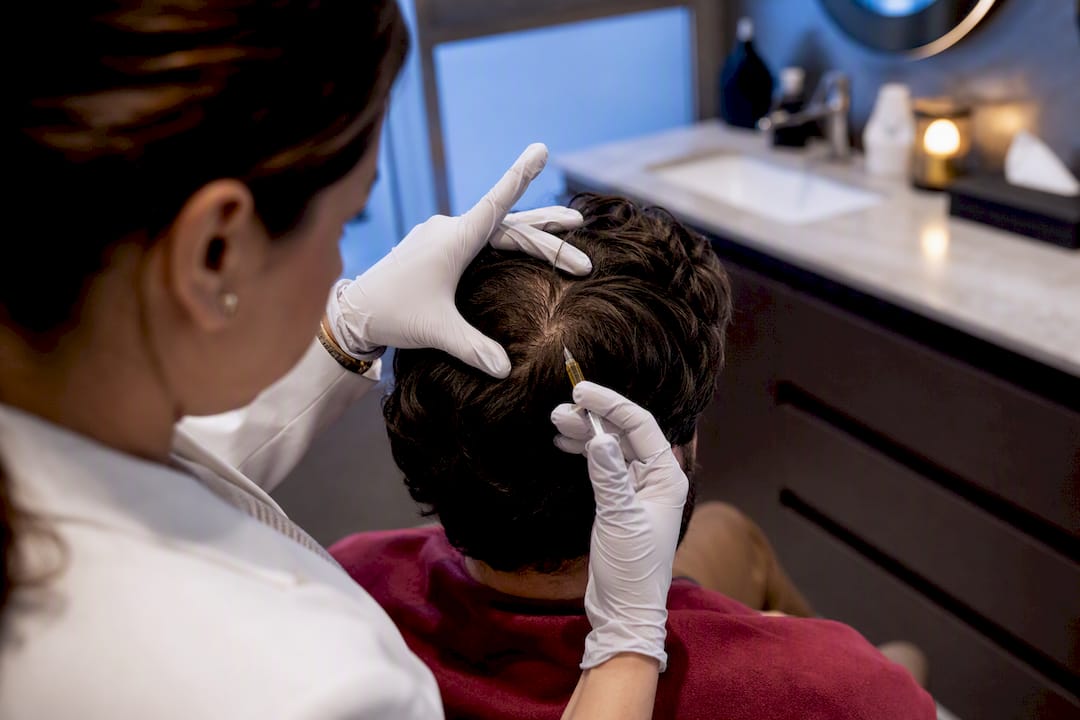


Your appointment may take only a few minutes, but the way you treat your skin afterwards can support a more comfortable recovery and a polished result. This guide to anti wrinkle aftercare explains the sensible steps to take after injectable treatment, from the first few hours to your follow-up review.
Anti-wrinkle injections are a precise medical aesthetic treatment. They work by temporarily relaxing selected muscles that create expression lines, allowing the skin above them to appear smoother. Your practitioner’s injection technique, product choice and treatment plan matter most, but careful aftercare helps protect the treated area while it settles.
Your Guide to Anti-Wrinkle Aftercare
Your personalised instructions should always take priority. They account for the areas treated, your medical history, whether you are prone to bruising and any other procedures planned around your appointment. The guidance below is a reliable general framework, not a replacement for advice from your treating practitioner.
For most people, there is little to no downtime. You may notice tiny raised points, mild redness or a little tenderness at the injection sites. These usually settle quickly, often within an hour or two. A small bruise can occasionally develop and may take longer to fade, particularly around delicate areas such as the eyes.
The first four hours
Remain upright for around four hours after treatment where possible. Avoid lying flat, bending for prolonged periods or pressing your face into a pillow during that initial window. The aim is simply to give the product time to settle in the intended treatment area.
Do not rub, massage or repeatedly touch the injected areas. This includes using facial tools, applying firm pressure while cleansing, or booking a facial immediately afterwards. If you need to cleanse your skin or apply make-up, use a light touch and avoid vigorous rubbing.
There is no need to repeatedly move your facial muscles unless your practitioner has advised it. Normal expressions are entirely fine. Overworking the area will not make results appear sooner.
What to Avoid for the First 24 Hours
For the rest of the day, keep your routine calm. Avoid strenuous exercise, hot yoga, saunas, steam rooms and very hot baths. Increased circulation and heat can make temporary redness, swelling or bruising more noticeable. A gentle walk is usually fine if you feel well.
It is also sensible to avoid alcohol for 24 hours, particularly if you are prone to bruising. Alcohol can dilate blood vessels and may increase the chance of visible bruising in some patients. Staying hydrated, eating normally and allowing yourself a quieter evening are better choices after an injectable appointment.
Try not to wear anything that applies sustained pressure to the treatment area. Depending on the areas injected, this may include a tight hat, helmet, goggles or a heavy eye mask. Your practitioner can advise on this in more detail if you have had treatment in the forehead, frown lines or around the eyes.
If you develop a small bruise, do not panic. Avoid applying ice directly to your skin or pressing firmly on the area. A wrapped cool compress, used gently and briefly, may feel soothing if your practitioner has confirmed it is suitable for you.
Exercise, skincare and make-up
Many patients can return to a usual skincare routine the following day. However, it is wise to postpone exfoliating acids, retinoids, facial massage and active treatments if the skin still feels tender or looks irritated. Gentle cleansing, moisturiser and daily SPF are normally the best approach while the injection points settle.
Make-up can often be applied later on the day of treatment with clean brushes and minimal pressure, although some patients prefer to leave their skin bare until the following morning. If you have had several injections or are experiencing redness, giving the skin a little more time can be the more comfortable option.
The Next 48 Hours and Two Weeks
Anti-wrinkle treatment is not an instant result. Many people begin to notice a change within three to five days, with the full effect commonly developing over 10 to 14 days. It is normal for one side of the face to appear to respond a little earlier than the other during this period. Avoid judging the final result too soon.
For 24 to 48 hours, continue to avoid intense heat and any treatment that involves substantial pressure or manipulation of the face. This includes facials, gua sha, facial massage and some beauty devices. The exact timing can vary, especially if you are combining treatments, so check your bespoke plan before arranging another appointment.
It is also best to discuss the timing of dental work, laser procedures, microneedling, chemical peels or other injectables with your practitioner. A considered treatment schedule protects your comfort and makes it easier to assess each result properly. At The Aesthetics Room, this is one reason treatment planning begins with a detailed consultation rather than a one-size-fits-all appointment.
What Is Normal After Treatment?
Minor, short-lived side effects are common with any injectable treatment. Small bumps at the injection sites, redness, mild swelling, tenderness, a light headache or a small bruise can occur. These effects should be temporary and generally improve without intervention.
A slight headache can usually be managed with rest, hydration and the pain relief your practitioner has said is appropriate for you. Do not stop or alter prescribed medicines without medical advice. If you take anticoagulants, supplements or regular medication, this should already have been discussed at consultation, but contact your clinic if you have questions after treatment.
You may notice that your forehead or frown feels different as the treatment begins to take effect. This is expected. The purpose is not to remove every expression, but to soften selected movement in a way that complements your features and the natural result agreed during your consultation.
When to Contact Your Practitioner
Contact your practitioner promptly if redness, swelling, pain or bruising is worsening rather than settling, or if you have concerns about an unexpected change in the treated area. A review may be appropriate if you notice significant asymmetry once the full two-week settling period has passed.
Certain symptoms need urgent medical attention. Seek immediate help if you experience difficulty breathing, swallowing or speaking, widespread weakness, a severe allergic reaction, or any symptom that feels serious or rapidly progressive. These reactions are rare, but clear aftercare includes knowing when not to wait.
Do not attempt to correct a result yourself with massage, heat, additional injectables or advice from social media. A qualified medical aesthetic practitioner can assess what is happening, explain whether it is part of the normal settling process and recommend the safest next step.
Protecting Your Result Over Time
Anti-wrinkle injections soften dynamic lines, but they do not replace thoughtful skin health. Daily broad-spectrum SPF, a well-chosen homecare routine, sleep, hydration and avoiding smoking all support skin quality between appointments. For concerns such as dehydration, pigmentation, texture or static lines at rest, your practitioner may recommend a broader plan rather than simply increasing the amount of injectable treatment.
Results vary between patients and treatment areas, but often last around three to four months. The right time for a review depends on how your facial movement returns, your goals and the look you want to maintain. Chasing treatment too early can compromise a refined, natural-looking outcome, while leaving too long between appointments may mean movement has fully returned. Your review plan should be tailored, not automatic.
Take clear photographs in natural light before treatment and again at the two-week point if you would like to track your progress. This gives you and your practitioner a more useful reference than checking the mirror repeatedly in the first few days.
The most reassuring aftercare plan is a simple one: be gentle with your skin, give the treatment time to settle and contact your practitioner rather than second-guessing a concern. Confidence comes from knowing that your treatment and recovery are being managed with the same care.