
TL;DR:
- Consistent skincare, proper nutrition, and sun protection are essential for achieving glowing, healthy skin. Limiting exfoliation to once weekly and using barrier-supporting ingredients maintain radiance and prevent damage. Natural remedies can help but should complement a routine rather than replace it, with patience to see results.
Glowing skin is defined as hydrated, even-toned, and smooth skin with a natural luminosity that reflects a healthy, intact skin barrier. Achieving it depends on a consistent combination of skincare, nutrition, and lifestyle habits rather than any single product or quick fix. At Theaestheticsroom, we see this every day: the people with the most reliably radiant complexions are those who follow simple, science-backed routines with patience. Dermatological guidance consistently points to hydration, gentle exfoliation, and sun protection as the three non-negotiable pillars of lasting radiance. These glowing skin tips cover every layer of that approach, from your morning routine to what you eat for dinner.
1. What are the most effective skincare routine steps for glowing skin?
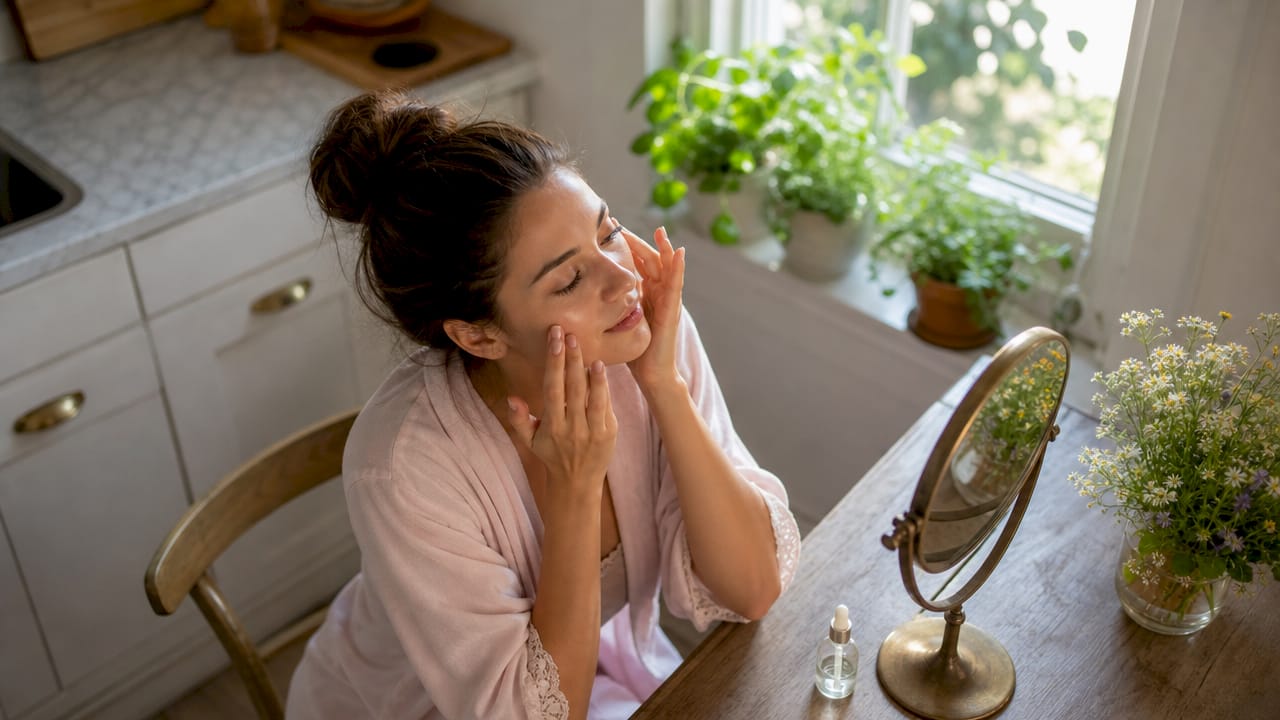
A consistent morning routine forms the foundation of any glow-focused approach. The core sequence is cleanser, serum, moisturiser, and broad-spectrum SPF. In the evening, repeat the cleanse, then apply a hydrating or brightening serum followed by moisturiser.
Gentle cleansing matters more than most people realise. Harsh cleansers strip the skin’s natural lipids, disrupting the barrier and causing the dullness they were meant to fix. A mild, pH-balanced cleanser preserves the protective layer that keeps skin looking plump and even.
Exfoliation limited to once weekly is the expert standard for maintaining steady cell turnover without triggering inflammation. Over-exfoliating is one of the fastest ways to lose your glow, not gain it. Stick to mild agents such as lactic acid or polyhydroxy acids rather than aggressive physical scrubs.
Barrier-supporting ingredients are the workhorses of any radiance routine. Glycerin, ceramides, and hyaluronic acid each draw and retain moisture at different skin depths. Oil serums improve light reflection and hydration without the greasiness or occlusion of traditional facial oils.
- Cleanser: gentle, pH-balanced, morning and evening
- Serum: vitamin C or niacinamide in the morning; hydrating or brightening serum at night
- Moisturiser: ceramide or hyaluronic acid formula, both AM and PM
- SPF: broad-spectrum SPF 30 or higher, every morning without exception
- Exfoliant: mild acid once weekly, never more
Pro Tip: Patch test every new product on your inner arm for 24 hours before applying it to your face. Layering too many actives at once is the most common reason routines fail.
2. How can natural remedies support glowing skin?
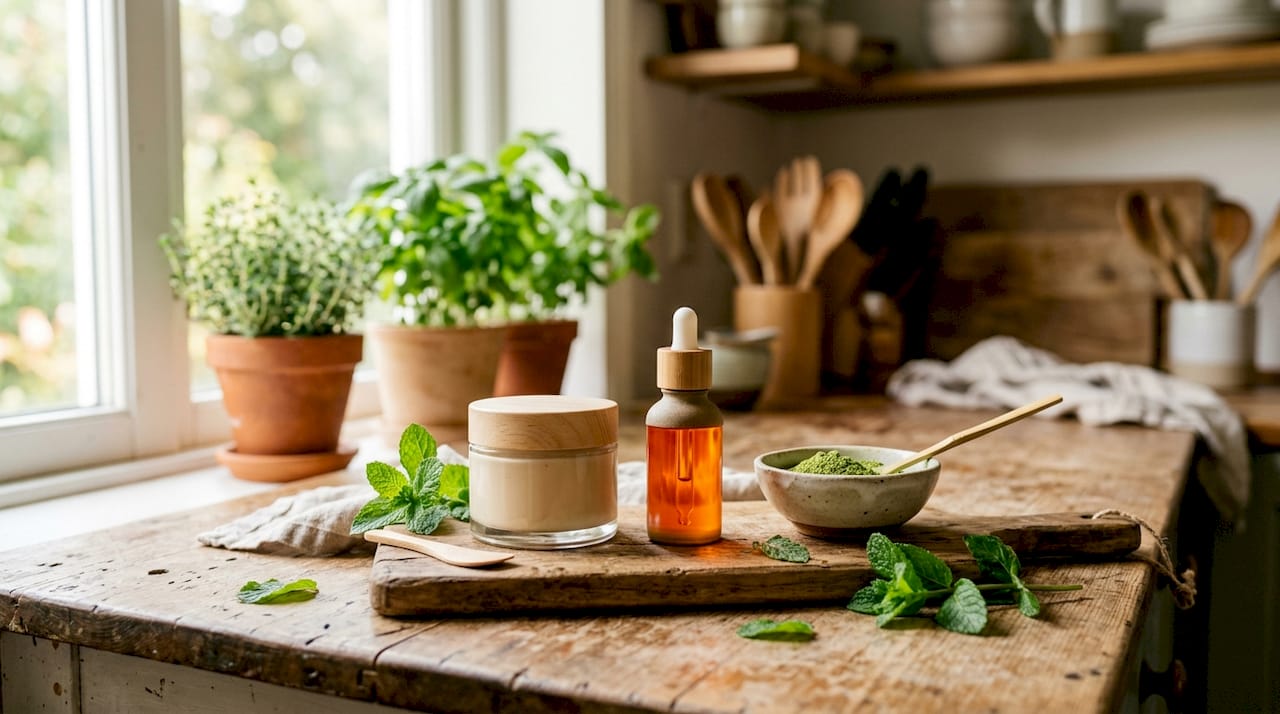
Natural remedies work because of their active compounds, not because they are natural. Turmeric contains curcumin, a potent anti-inflammatory. Aloe vera delivers polysaccharides that calm redness and support moisture retention. Vitamin C-rich extracts from tomato and lemon inhibit melanin production to brighten uneven tone over time.
Turmeric and aloe vera reduce chronic low-grade inflammation, with visible calming effects within 20–30 minutes of application. That short-term benefit is real, but the longer-term gains in texture and tone take consistent use over weeks. Shorter, more regular applications beat infrequent long treatments every time.
Timing matters significantly. Apply natural remedies at night to avoid photosensitivity from acidic ingredients like lemon juice. Night-time application also aligns with the skin’s natural repair cycle, which peaks during sleep. Acidic ingredients left on skin for more than 10–15 minutes risk chemical irritation, particularly on sensitive skin. Always patch test for 24 hours before a full application.
| Remedy | Key benefit | Caution |
|---|---|---|
| Turmeric | Anti-inflammatory, brightening | Can stain; limit contact to 10 minutes |
| Aloe vera | Soothing, hydrating | Patch test for latex sensitivity |
| Honey | Antimicrobial, moisturising | Avoid on broken skin |
| Lemon juice | Vitamin C, brightening | Highly acidic; dilute and apply at night only |
| Besan (gram flour) | Oil control, gentle exfoliation | Not suitable for dry or sensitive skin |
Different skin types need different remedies. Besan suits oily skin by absorbing excess sebum. Honey works well for dry skin, delivering moisture and antimicrobial protection. Soothing compresses with cooled chamomile tea calm sensitive or reactive skin without any risk of irritation.
Pro Tip: Always follow a natural remedy session with a fragrance-free moisturiser. Natural ingredients can temporarily disrupt the skin barrier, and sealing it with a ceramide-rich cream restores integrity immediately.
3. Which lifestyle habits support your skin’s natural glow?
Diet is one of the most underestimated factors in skin radiance. Consuming 1–2 portions of omega-3-rich oily fish weekly supports barrier integrity and reduces inflammation, directly improving hydration levels. Salmon, mackerel, and sardines are the most accessible sources. For those who prefer plant-based options, skin care supplements containing omega-3 from algae offer a comparable benefit.
Vitamin C and carotenoid-rich foods are equally important. Bell peppers, citrus fruits, sweet potato, and leafy greens support collagen synthesis and improve skin tone from within. Hydration from water and water-rich fruits like cucumber and watermelon keeps cells plump and reduces the sunken, dull appearance that dehydration causes.
Sleep is a non-negotiable part of any glow routine. The skin’s repair processes, including collagen production and barrier restoration, peak during deep sleep. Consistently poor sleep raises cortisol, which breaks down collagen and triggers inflammation. Seven to nine hours of quality sleep is not a luxury for skin health. It is a requirement.
- Hydration: aim for at least 1.5–2 litres of water daily, plus hydrating foods
- Omega-3s: oily fish twice weekly or a quality supplement
- Vitamin C foods: citrus, peppers, and kiwi to support collagen
- Sleep: 7–9 hours to allow barrier repair and reduce cortisol
- Exercise: regular physical activity improves circulation, delivering oxygen and nutrients to skin cells
- Stress management: yoga and meditation reduce cortisol-driven dullness and breakouts
- Avoid: excessive sugar, which accelerates collagen breakdown through glycation; very hot showers, which strip natural oils
4. What common mistakes reduce skin glow?
Over-exfoliating damages the skin barrier and causes inflammation, which is the fastest route to dull, irritated skin. The “more is better” logic feels intuitive but works against skin biology. The barrier needs time to rebuild between treatments, and disrupting that cycle reverses any progress made.
Heavy facial oils are another common pitfall. Traditional oils can be too occlusive for daily use, trapping heat and contributing to congestion and breakouts. Lighter oil serums deliver hydration and light-reflection benefits without blocking pores. If you want the glow that oils promise, choose a formulation designed to absorb rather than sit on the surface.
Inconsistency is the most widespread mistake of all. Skin biology operates on cycles of roughly 28 days. Applying a routine for a week, abandoning it, and restarting disrupts those cycles and prevents any ingredient from completing its work. Visible texture and tone improvements from consistent natural remedy use take 2–4 weeks to appear, with brightening effects taking 4–8 weeks. Patience is not optional.
Skipping sun protection undoes everything else. Broad-spectrum SPF 30+ prevents photoageing, collagen breakdown, and pigmentation unevenness. No serum or remedy can outperform the damage that daily unprotected UV exposure causes over months and years. SPF is the single highest-return step in any routine.
Pro Tip: Build a simple, consistent routine with three to five quality products before adding anything new. Chasing trends and rotating products constantly keeps your skin in a permanent state of adjustment, never in a state of repair.
5. Which expert-recommended ingredients enhance your glow?
Vitamin C is the most evidence-backed brightening ingredient available without a prescription. It inhibits the tyrosinase enzyme that controls melanin production, gradually evening skin tone with regular use over 4–8 weeks. A stable L-ascorbic acid serum at 10–20% concentration, applied in the morning under SPF, is the standard approach.
Polyhydroxy acids, including gluconolactone and lactobionic acid, offer gentle exfoliation suitable for sensitive skin. Unlike alpha-hydroxy acids, PHAs have a larger molecular structure that limits penetration depth, reducing the risk of irritation. Used once weekly, they support cell turnover without compromising the barrier. Lactic acid sits between the two in terms of strength and is a reliable choice for most skin types.
| Ingredient | Primary effect | Recommended use |
|---|---|---|
| Vitamin C (L-ascorbic acid) | Brightening, antioxidant protection | Morning serum, daily |
| Hyaluronic acid | Deep hydration, plumping | Morning and evening moisturiser |
| Ceramides | Barrier repair and protection | Morning and evening moisturiser |
| Lactic acid | Gentle exfoliation, tone improvement | Once weekly, evening |
| Gluconolactone (PHA) | Mild exfoliation, antioxidant | Once weekly, suitable for sensitive skin |
| Broad-spectrum SPF 30+ | UV protection, anti-ageing | Every morning, final step |
Ceramides and hyaluronic acid work as a pair. Hyaluronic acid draws moisture into the skin, and ceramides lock it in by reinforcing the lipid matrix of the barrier. Using both in the same routine produces noticeably better hydration than either ingredient alone. For a full breakdown of how these steps fit together, the expert skin treatment guide from Theaestheticsroom covers the clinical rationale in detail.
For those exploring must-have beauty products to build or refresh a routine, prioritising these core ingredient categories over trend-driven formulations consistently delivers better results.
Key takeaways
Glowing skin results from consistent hydration, a simple barrier-supporting routine, targeted nutrition, and daily sun protection applied with patience over weeks, not days.
| Point | Details |
|---|---|
| Consistency beats complexity | A simple 4-step routine used daily outperforms a 10-step routine used occasionally. |
| SPF is non-negotiable | Broad-spectrum SPF 30+ prevents photoageing and preserves every other glow-focused effort. |
| Natural remedies need time | Texture improvements take 2–4 weeks; brightening effects from vitamin C take 4–8 weeks. |
| Over-exfoliation causes dullness | Limit exfoliation to once weekly to protect the barrier and maintain steady cell turnover. |
| Diet and sleep are skincare | Omega-3s, vitamin C-rich foods, and 7–9 hours of sleep directly support skin repair and radiance. |
What I have learned about achieving a genuine glow
People often arrive at Theaestheticsroom convinced they need a new treatment when what they actually need is a better routine. The glow they are chasing is a biological state of hydrated, intact skin with steady cell turnover. It is not something you apply. It is something you maintain.
The most common mistake I see is complexity. Someone reads about six different actives, layers them all at once, and wonders why their skin looks worse after two weeks. The barrier has a restoration window. Disrupt it repeatedly and you get dull, inflamed skin regardless of how expensive your products are.
My honest advice is this: pick three to five products with proven ingredients, use them every day for eight weeks, and resist the urge to change anything. The at-home skincare workflow that works is almost always simpler than the one people think they need.
Natural remedies have genuine value, but they complement a routine rather than replace it. Turmeric and aloe vera calm inflammation and support brightness. They do not substitute for SPF, ceramides, or consistent hydration. Use them intelligently as additions, not foundations.
Patience is the skill nobody talks about. Skin biology runs on a 28-day cycle. If you are not seeing results after two weeks, that is not failure. That is normal. Give your routine the full cycle before making any judgement.
— Vishul
Skin treatments that go beyond your daily routine
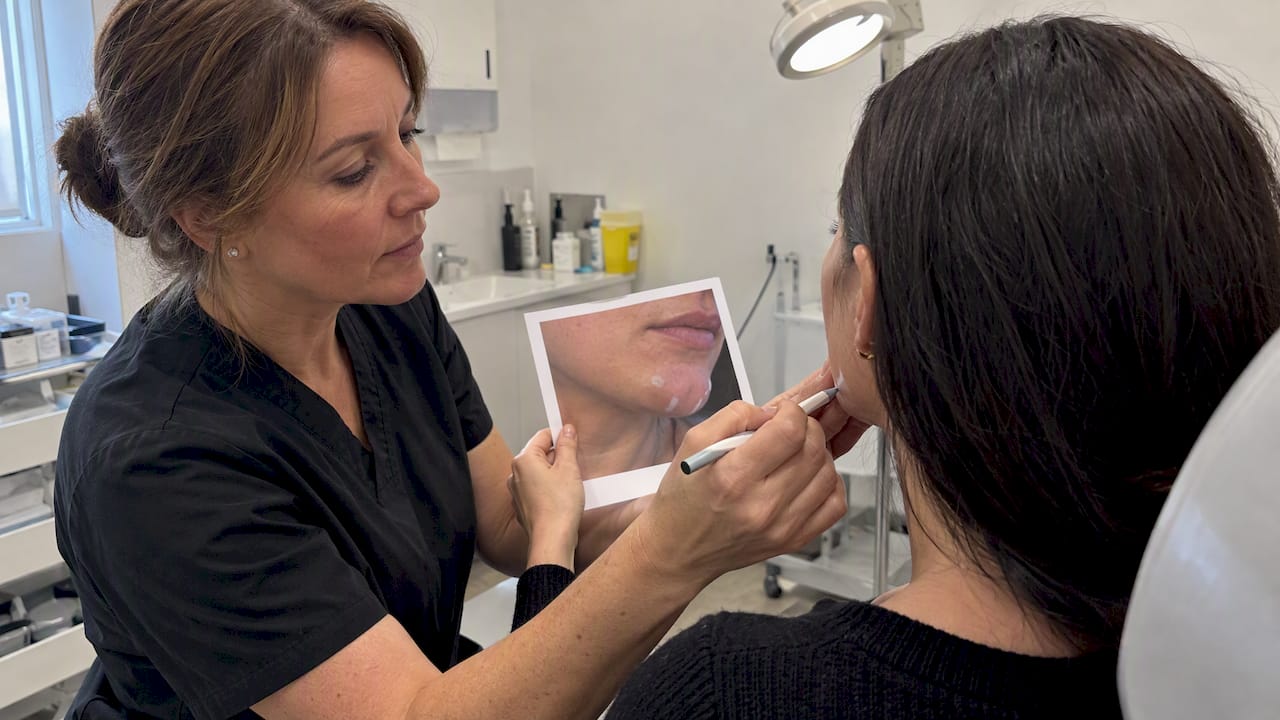
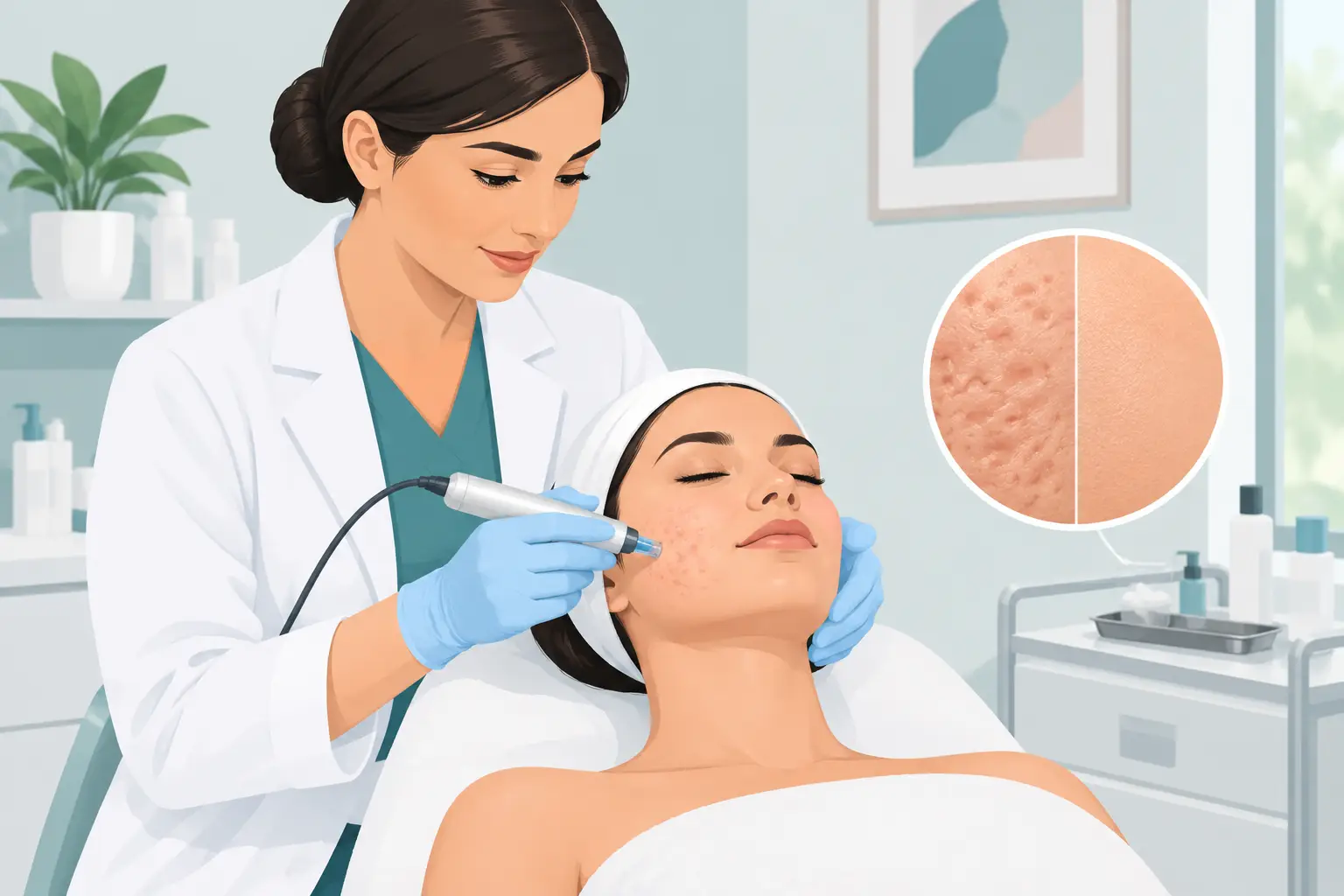
A well-built home routine is the starting point for radiant skin, not the ceiling. For those whose skin concerns go deeper than hydration and tone, professional treatments offer results that topical products cannot replicate.

At Theaestheticsroom, our Knightsbridge clinic offers a range of medical aesthetic treatments designed to complement and enhance what your daily routine achieves. From skin rejuvenation treatments to Botox and dermal fillers, each plan is tailored to your skin type and goals by CQC-accredited practitioners. Book a consultation to find out which treatments align with your skin health objectives and get a personalised plan built around your complexion.
FAQ
What gives skin a natural glow?
Glowing skin reflects a hydrated, intact skin barrier with steady cell turnover. It is a biological state achieved through consistent skincare, nutrition, and sleep rather than shimmer-based products.
How long does it take to see results from glowing skin tips?
Visible texture and tone improvements typically appear within 2–4 weeks of consistent care. Brightening effects from vitamin C-rich ingredients take 4–8 weeks of regular use.
Can natural remedies replace a skincare routine?
Natural remedies support a routine but do not replace it. Ingredients like turmeric and aloe vera reduce inflammation and brighten tone, but they cannot substitute for SPF, ceramides, or daily moisturisation.
How often should I exfoliate for glowing skin?
Exfoliation limited to once per week is the expert-recommended frequency. More frequent exfoliation damages the skin barrier and causes the inflammation and dullness it is meant to prevent.
Which foods support radiant skin from within?
Omega-3-rich oily fish consumed 1–2 times weekly supports barrier integrity and reduces inflammation. Vitamin C-rich foods such as citrus, bell peppers, and kiwi support collagen synthesis and improve skin tone.
Recommended
- Unlock radiant skin: how nutrition transforms your complexion – The Aesthetics Room
- 7 Expert Professional Skin Treatment Tips for Radiant Results – The Aesthetics Room
- Glowing skin guide: achieve radiance with expert treatments – The Aesthetics Room
- Best Skin Treatments for Glowing Skin – The Aesthetics Room