

TL;DR:
- London’s cosmetic injectables offer a range of treatments focusing on safety, natural results, and personalization.
- Safe procedures are performed by GMC-registered doctors in CQC-registered clinics, emphasizing subtle enhancement.
- Combining Botox, hyaluronic acid fillers, and biostimulators can achieve lasting, natural-looking rejuvenation.
London’s cosmetic injectables market is one of the most sophisticated in the world, yet its sheer breadth of options can leave even the most discerning client feeling uncertain. From Botox and hyaluronic acid fillers to advanced biostimulators, each treatment promises rejuvenation, but not all deliver the same standard of care or results. For those who value safety, subtlety, and a truly personalised experience, navigating this landscape requires more than a quick search. This guide cuts through the noise, comparing the leading injectable options available at London’s luxury clinics, so you can make a confident, informed choice that genuinely serves your skin and your goals.
Table of Contents
- What are cosmetic injectables and how do they work?
- Key injectable options in London’s luxury clinics
- Comparing results, longevity, and safety: What to expect
- Choosing the right clinic and personalising your injectable plan
- Why subtlety trumps speed: A London expert’s take
- Explore luxury injectables safely with The Aesthetics Room
- Frequently asked questions
Key Takeaways
| Point | Details |
|---|---|
| Understand injectable types | Botox and hyaluronic acid fillers offer different results and durations for facial enhancement. |
| Prioritise safety and expertise | Always choose CQC-registered, medical-led clinics for the best outcomes. |
| Personalised plans matter | A bespoke treatment guide ensures your cosmetic goals look natural and suit your features. |
| Reversibility for beginners | HA fillers can be safely reversed—a reassurance for first-time clients. |
What are cosmetic injectables and how do they work?
Cosmetic injectables are minimally invasive treatments delivered by fine needle or cannula directly into the skin or underlying tissue. They work in fundamentally different ways depending on their active ingredient, which is why understanding the basics matters before you book anything.
The two staples of the injectable world are botulinum toxin (commonly known as Botox) and hyaluronic acid (HA) fillers. As injectable soft tissue fillers research confirms, these two categories have distinct onset timelines and durations that directly affect treatment planning.
Botulinum toxin works by temporarily blocking the nerve signals that cause specific muscles to contract. This relaxes the overlying skin, softening dynamic lines such as forehead creases, frown lines, and crow’s feet. Results typically appear within three to seven days and last between three and four months, after which a top-up is needed to maintain the effect.
Hyaluronic acid fillers take a different approach entirely. HA is a naturally occurring substance in the body that attracts and retains moisture. When injected, it physically adds volume and structure to targeted areas, with results visible almost immediately. Depending on the product and the area treated, HA fillers can last anywhere from six to eighteen months.
Beyond these two staples, a growing category of biostimulators is gaining traction in London’s premium clinics. These include:
- Profhilo: An ultra-pure HA booster that remodels skin quality rather than adding volume, ideal for overall skin laxity
- Radiesse (calcium hydroxyapatite or CaHA): Stimulates collagen production while providing immediate structural lift
- Polynucleotide boosters (such as Plinest or Nucleofill): Repair and regenerate at a cellular level, improving skin texture and hydration over time
These biostimulators are not traditional fillers. They work with the body’s own regenerative processes, making them particularly appealing for clients seeking long-term skin health improvements rather than a quick volumising fix.
One compelling data point worth noting: over 90% satisfaction has been reported with combination injectable treatments at the 90 to 180-day mark, underscoring the value of a thoughtfully layered approach. You can explore the full scope of injectables benefits and safety to understand why a combined strategy often outperforms single-treatment plans.
Key injectable options in London’s luxury clinics
With a basic understanding in place, let’s explore the top options these clinics use and what makes each one suited to high-end, subtle enhancement.
London’s leading aesthetic practices typically work with a curated selection of proven injectables. Here is a breakdown of the most commonly used options, their primary applications, and who they suit best:
- Botox (botulinum toxin type A): Best for forehead lines, frown lines, brow lifting, and jaw slimming. Suits clients looking for a refreshed, rested appearance without any added volume
- Juvederm (HA filler range): Excellent for lip enhancement, cheek augmentation, and nasolabial folds. The Voluma and Volift variants offer varying degrees of lift and definition
- Restylane (HA filler range): Versatile across the face; particularly well-regarded for under-eye hollows and fine lip definition. A reliable choice for first-time filler patients
- Profhilo: Administered in five specific facial points, this treatment improves skin firmness and hydration across the entire face. Ideal for clients in their late thirties and beyond who notice skin laxity rather than volume loss
- Radiesse: Suited to clients wanting structural definition in the cheeks, jawline, or hands. Its collagen-stimulating properties mean results can extend well beyond the initial filler effect
- Polynucleotide boosters: Best for skin quality concerns including dullness, fine lines, and post-sun damage. Popular among clients who want regenerative results without visible change to facial contours
As HA reversibility research confirms, hyaluronic acid is considered the safest starting point for beginners precisely because it can be dissolved if needed.
Pro Tip: If you are new to injectables, start with an HA filler. It is reversible with an enzyme called hyaluronidase, giving you a genuine safety net while you assess your results.
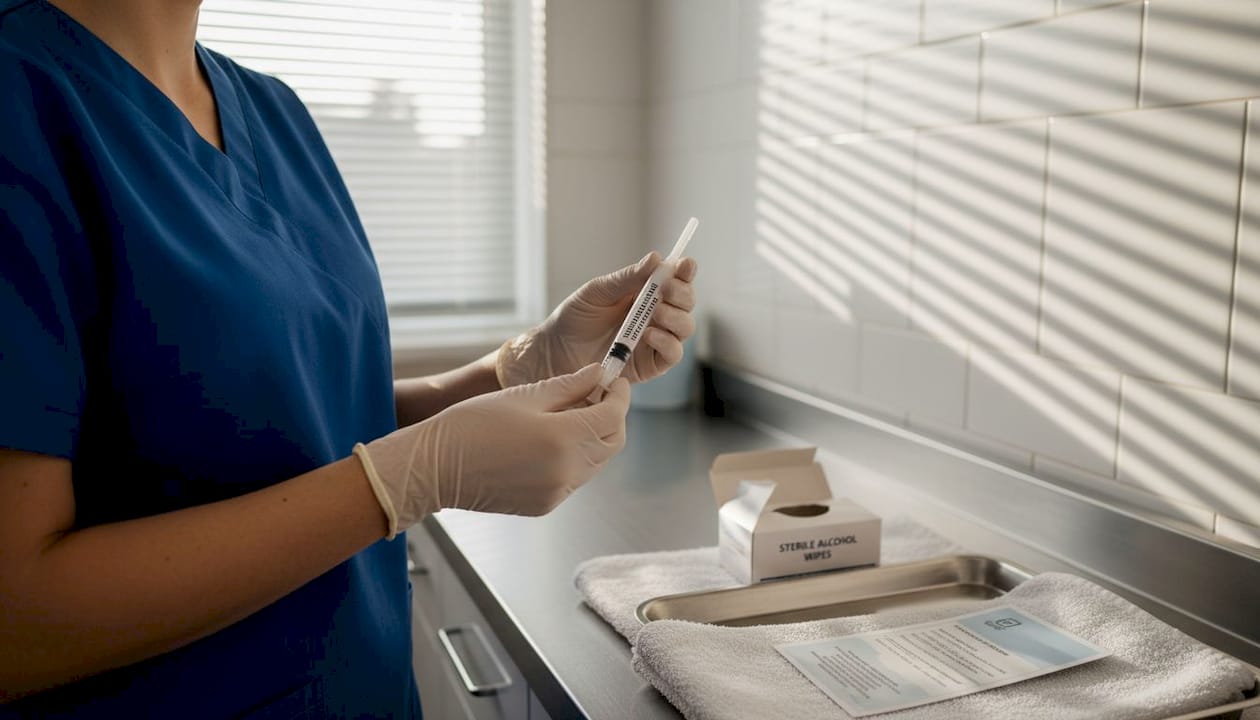
Here is a quick reference table to help you compare the key options:
| Injectable | Active ingredient | Best use | Onset | Duration | Reversible |
|---|---|---|---|---|---|
| Botox | Botulinum toxin A | Lines, brow lift, jaw | 3-7 days | 3-4 months | No |
| Juvederm | Hyaluronic acid | Lips, cheeks, folds | Immediate | 9-18 months | Yes |
| Restylane | Hyaluronic acid | Under-eyes, lips | Immediate | 6-12 months | Yes |
| Profhilo | Ultra-pure HA | Skin laxity, hydration | 4-8 weeks | 6 months | Yes |
| Radiesse | Calcium hydroxyapatite | Cheeks, jaw, hands | Immediate | 12-18 months | No |
| Polynucleotides | DNA fragments | Skin texture, repair | 4-6 weeks | 6-12 months | No |
For a more thorough breakdown, our detailed injectables comparison covers each product in greater depth.
Comparing results, longevity, and safety: What to expect
Once you know the options, being able to compare their outcomes becomes essential. Not all injectables deliver the same kind of result, and understanding what each one actually does to your face over time is critical to making a sound decision.
Here is a numbered overview of what to consider when comparing injectable outcomes:
- Nature of the result: Botox produces a softening effect by relaxing muscles, so lines appear smoother but facial volume remains unchanged. HA fillers physically restore or add volume, which can create a more sculpted or youthful contour. Biostimulators improve the quality and resilience of the skin itself over weeks to months.
- Longevity in real-world conditions: Botox results genuinely last three to four months for most patients. HA fillers in high-movement areas such as the lips tend to break down faster than those placed in the cheeks or jawline. Radiesse and polynucleotides often provide benefits that outlast the product itself due to collagen stimulation.
- Safety hierarchy: HA fillers carry the lowest risk profile because they are reversible. Botox is exceptionally well-studied with a strong safety record when administered correctly. Permanent fillers should be avoided entirely; reputable London clinics do not use them.
- Vascular occlusion risk: This rare but serious complication occurs when filler is inadvertently injected into or near a blood vessel. It is why practitioner skill and anatomical knowledge are non-negotiable, not optional extras.
A multicentre clinical trial found that combination therapies using both Botox and HA fillers produced superior facial rejuvenation outcomes with sustained satisfaction over several months compared to either treatment alone. This supports the bespoke, layered approach favoured by London’s top practitioners.
“London’s most sought-after aesthetic results are the ones nobody can quite put their finger on. The goal is never to look ‘done’ but to look like the best version of yourself.”
For broader context on non-surgical face lift options and how injectables fit within a wider treatment strategy, it is worth reviewing what clinical evidence says about combined approaches. You can also explore safer skin rejuvenation pathways that integrate injectables with complementary skin treatments for a more complete result.
| Injectable | Primary effect | Longevity | Reversible | Safety tier |
|---|---|---|---|---|
| Botox | Muscle relaxation | 3-4 months | No | High |
| HA fillers | Volume restoration | 6-18 months | Yes | Highest |
| Radiesse | Structural lift + collagen | 12-18 months | No | Moderate |
| Profhilo | Skin remodelling | 6 months | Yes | High |
| Polynucleotides | Cellular regeneration | 6-12 months | No | High |
Choosing the right clinic and personalising your injectable plan
Comparison is only half the story. Making the right choice depends on the right clinic and a plan built specifically for you.
In London’s luxury market, the quality of the clinic and practitioner matters as much as the product used. Here is a checklist of non-negotiable criteria when selecting a clinic:
- CQC registration: The Care Quality Commission regulates medical facilities in England. Any clinic administering prescription-only medicines such as Botox must be CQC-registered
- GMC-registered doctors: Your practitioner should be a qualified medical professional, not a beautician or unregulated injector
- Proven natural results: Ask to see before-and-after portfolios. Results should look refreshed and natural, not overdone
- Bespoke treatment planning: A reputable clinic will never offer a one-size-fits-all approach. Your facial anatomy, skin condition, and personal goals should all inform the plan
- Luxurious, clinical environment: A premium setting is not vanity. It reflects investment in hygiene standards, equipment quality, and patient experience
As London’s top clinic guide notes, the most reputable practices are CQC-registered, medically led, and committed to subtle, natural outcomes. Clinics such as those on Harley Street, alongside names like Cadogan Clinic and Clinicbe, have built their reputations on exactly this foundation.
Pro Tip: Never book with a clinic that skips a personal consultation. A thorough assessment of your facial structure, skin health, and medical history is the foundation of any safe injectable plan. If a clinic offers treatment without it, walk away.
At your consultation, expect a full facial assessment, a review of your medical history, a discussion of realistic outcomes, and a clear explanation of any risks. This is also your opportunity to ask questions, voice concerns, and establish whether the practitioner’s aesthetic sensibility aligns with yours. For guidance on what to look for, our resource on choosing a premium clinic walks you through every consideration in detail.
Why subtlety trumps speed: A London expert’s take
After years of working with London’s most discerning clients, one truth consistently stands out: the best injectable results are the ones that go unnoticed by everyone except the person wearing them.
There is a tendency, particularly among first-time patients, to want visible change quickly. It is understandable. But experienced practitioners know that stacking multiple treatments in a single session, or chasing dramatic volume too soon, rarely serves the client well. Overfilled cheeks, frozen foreheads, and lips that no longer suit the face are almost always the result of impatience rather than poor products.
The clients who achieve the most satisfying long-term outcomes are those who commit to gradual, well-spaced top-ups. They allow each treatment to settle, assess the result honestly, and build from there. This approach also protects against cumulative product build-up, which can distort facial proportions over time.
The privilege of a medically led, bespoke environment is that you have a practitioner who will tell you when to stop, not just when to continue. That restraint is, in our view, the defining quality of truly excellent injectable care. Explore more about injectables benefits and why a measured, personalised strategy consistently outperforms the quick-fix approach.
Explore luxury injectables safely with The Aesthetics Room
If you are ready to explore cosmetic injectables in confidence, here is what makes The Aesthetics Room the right partner for your journey.
At The Aesthetics Room, every treatment begins with a thorough, personalised consultation delivered by GMC-registered medical professionals in our CQC-accredited clinic. Based in Knightsbridge with additional locations on Harley Street and Mayfair, we specialise in bespoke injectable plans designed to enhance your natural features without compromise. Whether you are considering London dermal fillers for the first time or looking to refine an existing treatment plan, our team will guide you with clinical precision and a genuine commitment to your safety. Discover our full range of trusted Botox treatments and book your consultation today.
Frequently asked questions
Are cosmetic injectables safe if done in London clinics?
Injectables are considered safe when administered by GMC-registered medical professionals in CQC-registered clinics, which is the standard upheld by London’s leading aesthetic practices.
How long do Botox and fillers last in practice?
Botox typically lasts three to four months, while hyaluronic acid fillers can last between six and eighteen months depending on the product used and the area treated.
Can results from injectables look natural?
Yes. Experienced practitioners at London luxury clinics prioritise subtle, undetectable enhancements, with natural results that preserve individual facial harmony rather than alter it.
Is it possible to reverse a filler if I don’t like the result?
HA fillers are reversible using an enzyme called hyaluronidase, which dissolves the product quickly and safely, making them the preferred choice for first-time patients.
Recommended
- Why choose injectables? Benefits, safety and results – The Aesthetics Room
- Top 7 Aesthetic Injectables Comparison in 2026 for Affluent Londoners Needing Expert Insight on Cosmetic Enhancements – The Aesthetics Room
- Top non-surgical treatments in London: enhance your look – The Aesthetics Room
- Safe Cosmetic Procedures London 2026: 95% Satisfaction – The Aesthetics Room
- #Face #Serum #AntiAging #FirmingSerum #ForeverYoung #Glow #Antioxidant #Rejuvenation #Beauty #HealthyLookingSkin #NaturalSkincare Αρχεία – Eneleo – Natural Skin Care