
TL;DR:
- A consultation script guide helps patients ask essential questions to ensure safety and understanding during aesthetic appointments. Preparing and practicing this script allows patients to verify practitioner credentials, treatment details, and product safety, reducing risks. It empowers patients to recognize red flags like pressure tactics or vague answers, leading to more confident and informed decisions.
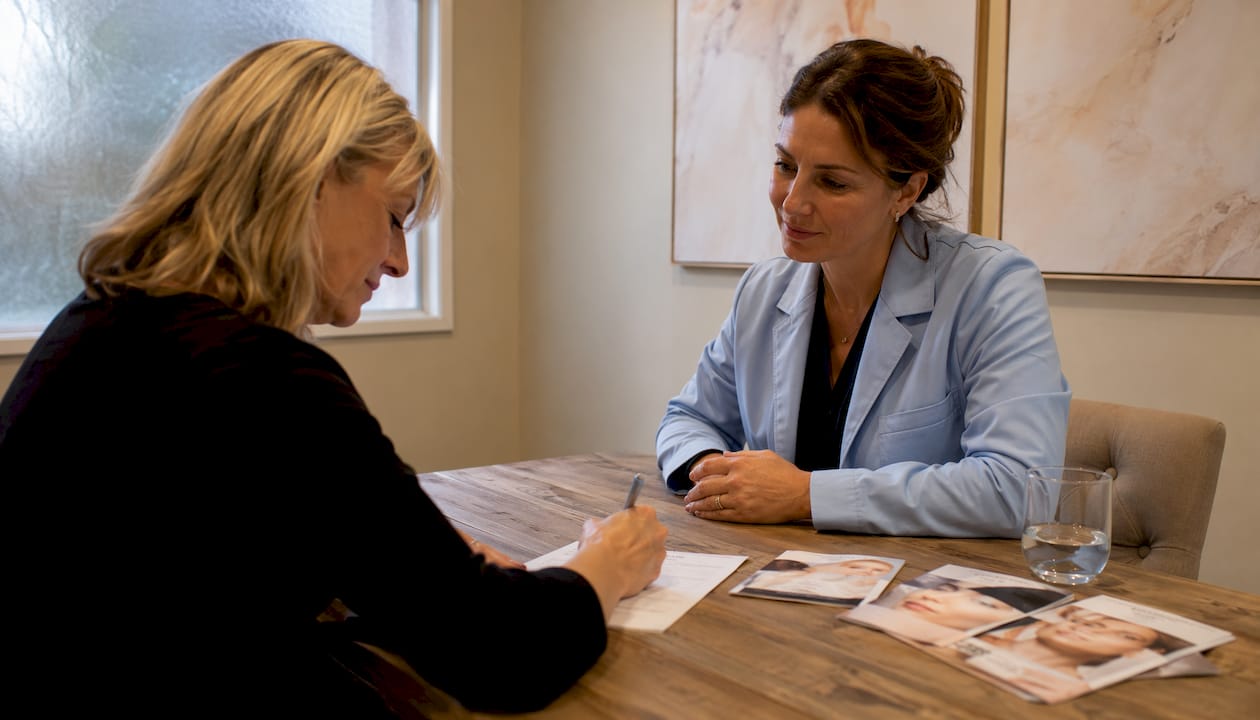
A consultation script guide is a structured set of questions and prompts you prepare before an aesthetic appointment to ensure clear, safe, and informed communication with your practitioner. Without one, it is easy to forget key questions under pressure, agree to treatments you are unsure about, or leave without understanding the risks. Bodies such as the Joint Council for Cosmetic Practitioners (JCCP), the British College of Aesthetic Medicine (BCAM), and the General Medical Council (GMC) all emphasise that patients should feel unhurried and fully informed before consenting to any procedure. Theaestheticsroom, a CQC-accredited clinic in Knightsbridge, builds every consultation around this principle. A well-prepared script puts you in control from the moment you walk through the door.
What are the essential components of an effective consultation script?
An effective consultation script covers six distinct areas: practitioner credentials, treatment details, product safety, risk disclosure, aftercare, and follow-up. Skipping any one of these leaves a gap that could affect your safety or satisfaction.
Opening and setting expectations
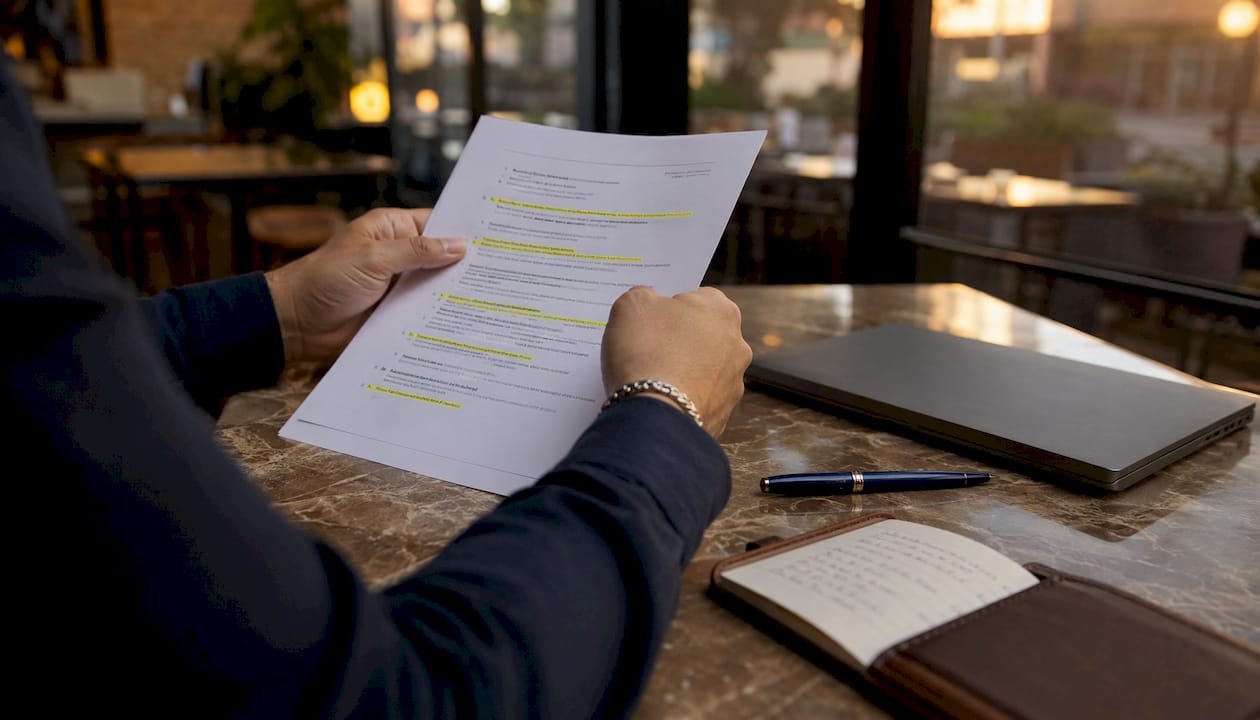
Start by confirming who you are speaking with and what their role is. Ask whether the person conducting the consultation is also the person who will perform the treatment. NHS guidelines recommend meeting the actual injector before proceeding. This single question eliminates a common source of confusion and sets a professional tone for the rest of the dialogue.
Core questions to include
Your script should cover the following areas in order:
- Practitioner qualifications: “Are you registered with the GMC, NMC, or GDC? Can I verify this?”
- Treatment specifics: “What exactly does this procedure involve, and how long will it take?”
- Products used: “What brand and formulation will you use? Can you share the batch number?”
- Risk and complication management: “What are the most common side effects, and how do you handle serious complications?”
- Aftercare: “What should I do and avoid in the 48 hours after treatment?”
- Follow-up: “Is a review appointment included, and who do I contact if something goes wrong?”
These six areas align directly with the core safety questions recommended for aesthetic consultations in the UK.
Structuring the dialogue
Write your questions in a logical order that mirrors a natural conversation. Begin with introductions, move to treatment goals, then cover safety and aftercare. This flow prevents the consultation from feeling like an interrogation and keeps the practitioner engaged.
Pro Tip: Use BCAM’s ‘Vet It Before You Get It’ pre-consultation questionnaire before your appointment. It covers credentials, protocols, and emergency handling, and removes the awkwardness of raising safety topics for the first time face to face.
How to prepare your own consultation script template
Preparation before the appointment is what separates a confident consultation from a rushed, regretted one. A personalised consultation script template gives you a framework you can adapt for any treatment.
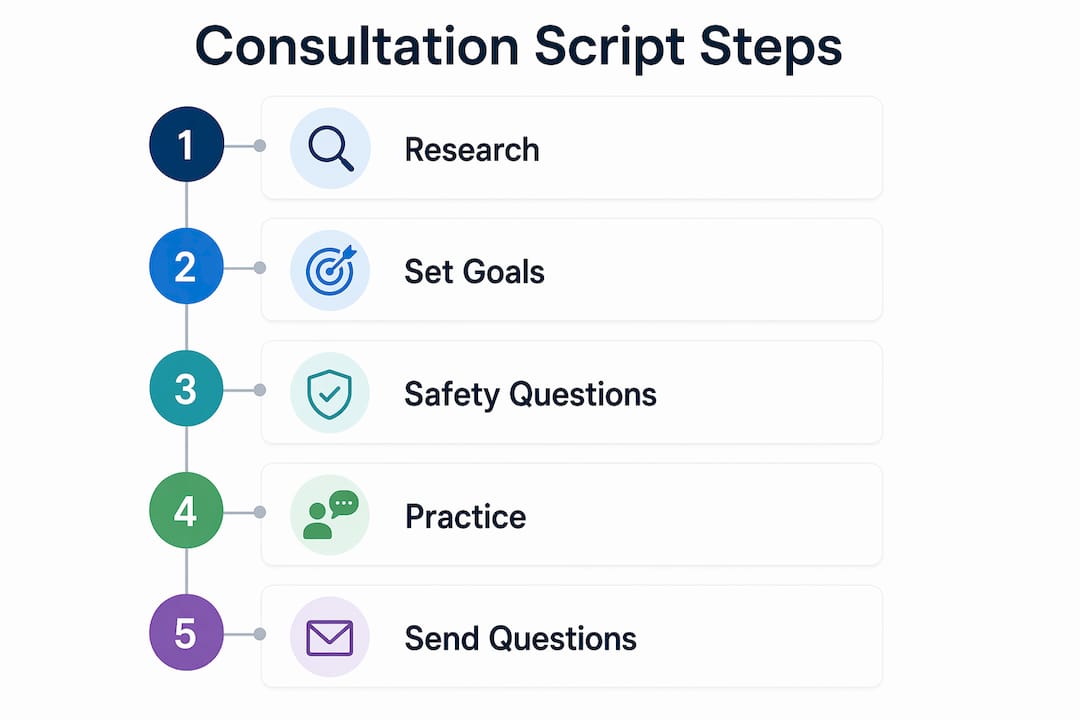
Step 1: Research the treatment and the clinic
Read the clinic’s website, check the practitioner’s registration on the GMC or NMC register, and review before-and-after images. Note any terms you do not understand so you can ask for clarification during the appointment.
Step 2: List your personal goals and concerns
Write down what you want to achieve and any specific worries you have. This keeps the conversation focused on your needs rather than drifting into a general sales discussion.
Step 3: Build your safety question bank
Add must-ask questions that cover qualifications, emergency protocols, and product licensing. UK consent standards require the practitioner performing the procedure to lead the risk discussion personally. Your script should prompt you to confirm this is happening.
Step 4: Practise out loud
Read your questions aloud at least twice before the appointment. This reduces hesitation and helps you sound confident rather than scripted.
| Preparation tool | Purpose |
|---|---|
| GMC/NMC online register | Verify practitioner registration before attending |
| BCAM ‘Vet It Before You Get It’ | Pre-screen the clinic on safety and credentials |
| Clinic website and testimonials | Assess treatment range and patient outcomes |
| Personal goals list | Keep the consultation focused on your specific needs |
| Written question bank | Prevent forgetting key safety questions under pressure |
Pro Tip: Send your key questions to the clinic by email before the appointment. A reputable clinic will welcome this. A clinic that discourages questions before you arrive is itself a red flag.
What are the critical questions to ask during an aesthetic consultation?
The questions you ask directly determine the quality of information you receive. Vague questions produce vague answers. Specific, direct questions produce the detail you need to make a safe decision.
The six core safety questions
TreatCompare and BCAM both identify six core areas every patient should cover: qualifications, registration, complication management, licensed products, follow-up care, and evidence of previous results. These are not optional extras. They are the minimum standard for a safe consultation.
Ask the practitioner directly:
- “What are your qualifications, and which regulatory body are you registered with?”
- “Who will perform the treatment, and can I meet them before I decide?”
- “What licensed products do you use, and can you confirm the batch number on the day?”
- “How do you manage complications, and do you carry emergency reversal agents?”
- “What does your aftercare package include, and who is my point of contact post-treatment?”
- “Can you show me examples of your previous work in this treatment area?”
Asking about products and licensing
Clear communication of product names and batch numbers is a mark of a compliant, safety-focused clinic. If a practitioner cannot or will not confirm what product they are using, that is a serious concern. Licensed products such as hyaluronic acid fillers or botulinum toxin formulations should always be traceable.
Do’s and don’ts for asking questions
- Do write questions down and refer to your notes during the appointment.
- Do ask for clarification if an answer is unclear or uses unfamiliar terms.
- Do request written information about risks and aftercare to take away.
- Don’t accept vague reassurances like “it’ll be fine” as a substitute for a proper answer.
- Don’t feel obligated to book on the day if you are not fully satisfied with the answers.
- Don’t skip the complication management question, even if the treatment seems minor.
Pro Tip: Ask specifically whether the clinic holds a licence to prescribe prescription-only medicines such as botulinum toxin. This is a legal requirement in the UK and a non-negotiable safety standard.
How to handle common challenges during your consultation dialogue
Even with a well-prepared script, consultations can go off track. Knowing how to respond to pressure, vague answers, or rushed appointments keeps you in control.
Recognising and responding to pressure tactics
Heavy discounting and immediate booking pressure are red flags in aesthetic consultations. A clinic offering significant discounts contingent on booking the same day is prioritising revenue over your safety. The correct response is simple: thank the practitioner, say you need time to consider, and leave.
What to do when answers are vague
If a practitioner gives an unclear answer, ask the question again using different words. “Can you explain that in more detail?” is a perfectly reasonable follow-up. Informed consent requires a genuine clinical discussion, not a form signature. If the practitioner deflects or rushes past your question, note it as a concern.
Using cooling-off periods
A two-stage consent process is best practice in UK aesthetics. This means receiving written information at the first appointment and returning for treatment at a later date. Any clinic that insists on treating you at the same appointment as the initial consultation is not following best practice.
Troubleshooting tips
- If you feel rushed, say: “I’d like to take a moment to go through my notes.”
- If a question is dismissed, say: “This is important to me. Could we come back to it?”
- If you are uncomfortable, you are entitled to end the appointment and seek a second opinion.
- Pre-consultation questionnaires reduce social pressure by allowing you to raise safety topics before you are in the room.
- Never sign a consent form without a personal discussion with the practitioner who will treat you.
Key takeaways
A well-prepared consultation script is the single most effective tool for ensuring safety and informed decision-making in aesthetic appointments.
| Point | Details |
|---|---|
| Prepare a written script | List questions covering credentials, products, risks, aftercare, and follow-up before attending. |
| Verify practitioner registration | Check the GMC, NMC, or GDC register before your appointment, not during it. |
| Ask about products and batch numbers | Licensed, traceable products are a non-negotiable standard at any reputable clinic. |
| Use cooling-off periods | Best practice requires written information at the first visit and treatment at a separate appointment. |
| Recognise red flags | Pressure to book immediately or vague answers to safety questions are grounds to walk away. |
Why I think most people underestimate the consultation
Patients often treat the consultation as a formality. They arrive, listen, nod, and book. The script gets forgotten the moment a confident practitioner starts talking. I have seen this pattern repeatedly, and it concerns me.
The consultation is the most important part of any aesthetic treatment. It is where you establish trust, verify credentials, and decide whether this practitioner and this clinic deserve your confidence. A practitioner who welcomes your questions and answers them clearly is demonstrating exactly the standard you should expect. One who deflects or rushes you is showing you something important about how they operate.
The patients who have the best outcomes are not necessarily those who chose the most expensive clinic. They are the ones who arrived prepared, asked direct questions, and felt no pressure to decide on the spot. A beauty consultation done properly takes time. That time is not an inconvenience. It is the standard.
My advice is straightforward. Write your questions down. Practise them. Bring the list with you. If a clinic makes you feel that asking questions is awkward or unwelcome, that clinic has told you everything you need to know.
— Vishul
Confident consultations start with the right clinic
Theaestheticsroom is a CQC-accredited medical aesthetics clinic in Knightsbridge, with practitioners on Harley Street and in Mayfair. Every appointment begins with a thorough consultation led by the treating practitioner, covering treatment goals, risks, licensed products, and aftercare in full.
Whether you are considering Botox treatments or dermal fillers, Theaestheticsroom provides the structured, unhurried dialogue that best practice demands. Book a virtual or in-person consultation and arrive with your questions ready. The team is prepared to answer every one of them.
FAQ
What is a consultation script guide?
A consultation script guide is a structured set of questions and prompts prepared before an aesthetic appointment to support clear, safe communication with a practitioner. It covers credentials, treatment details, product safety, risks, and aftercare.
What questions should I ask at an aesthetic consultation?
Ask about the practitioner’s qualifications and registration, the specific products and batch numbers to be used, how complications are managed, what aftercare is included, and whether you can see examples of previous results.
Is it normal to feel pressured to book at a consultation?
No. JCCP guidance states that patients should feel unhurried and well-informed before consenting to any treatment. Pressure to book immediately is a recognised red flag.
Can I sign a consent form without speaking to the practitioner?
No. UK consent standards require a genuine clinical discussion led by the practitioner performing the procedure. Signing a form without that discussion is non-compliant and unsafe.
What is the ‘Vet It Before You Get It’ questionnaire?
It is a pre-consultation safety tool developed by BCAM that allows patients to vet clinics ahead of appointments by asking structured questions about credentials, protocols, and emergency handling before attending in person.
Recommended
- Step by step patient consultation: your complete guide – The Aesthetics Room
- Why medical consultation matters for cosmetic procedures – The Aesthetics Room
- 7 Key Steps for a Successful Aesthetic Consultation Checklist – The Aesthetics Room
- Beauty Consultation: Shaping Your Aesthetic Journey – The Aesthetics Room