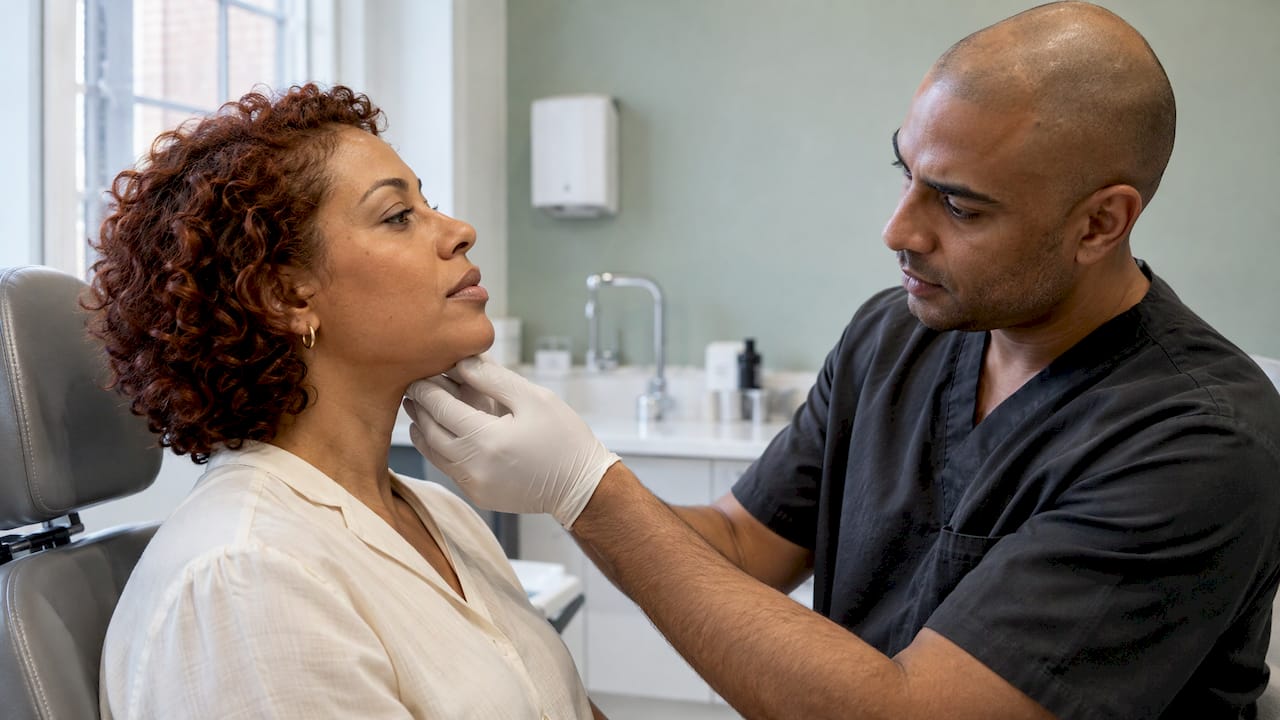

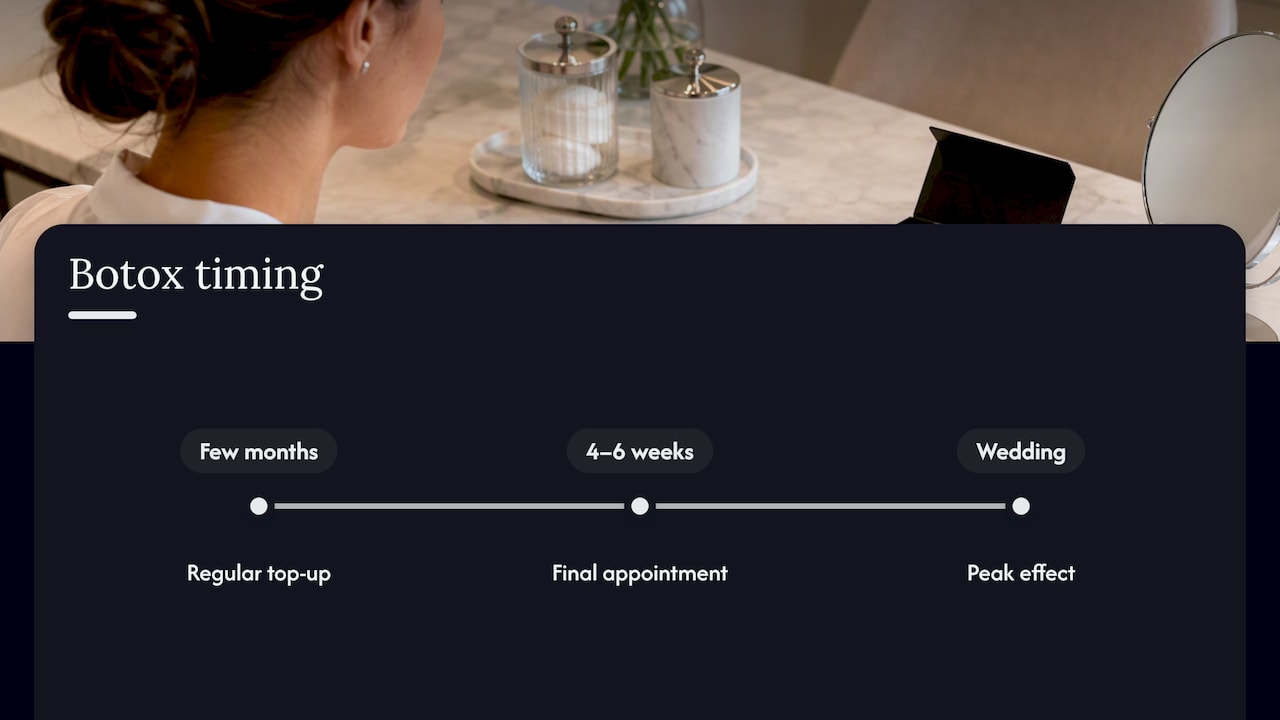
The best time to have Botox before your wedding depends on whether you have had it before. If this is your first time, book a trial treatment about six months ahead, then a repeat around four weeks before the day. If you are a regular client, a top-up four to six weeks before is usually enough. Either way, your final appointment should leave at least two weeks for the result to settle, because botulinum toxin takes several days to start working and up to two weeks to be fully effective (JCCP).
Below, we set out a realistic timeline, what to do if the wedding is close, the questions to ask at your consultation, and how to prepare on the day.
TL;DR
- First-timers: have a trial treatment around six months before the wedding, then repeat about four weeks before.
- Existing clients: book a top-up four to six weeks out, and no later than a month before if you can.
- Allow two weeks for full effect. Botox is not an appointment for the week of the wedding.
- Always have a face-to-face consultation with a registered prescriber and do not accept treatment on the same day.
- Check the product name, the practitioner’s registration and the aftercare plan before you agree to anything.
Table of Contents
- Why timing matters more than the treatment itself
- A wedding Botox timeline
- Can you have Botox two weeks before a wedding?
- What else to plan around Botox
- Questions to ask at your Botox consultation
- Aftercare in the days around your appointment
- What it costs at our clinic
- Our perspective
- Plan your wedding Botox with us
- FAQ
- Sources
Why timing matters more than the treatment itself
Botox is a prescription-only medicine. It works by relaxing the muscles that create lines such as frown lines, forehead lines and crow’s feet. It does not act immediately. The JCCP, the body that sets standards for non-surgical practitioners, says the effect begins after several days and takes up to two weeks to be fully effective (JCCP information sheet).
That gives you three things to plan around:
- The onset period. You will not see your result the next morning.
- The settling period. Mild bruising, redness or swelling can happen at injection sites, so you want those long gone by the day.
- The adjustment window. If a brow sits slightly heavier than you like, or one side responds differently, your practitioner needs time to review you and fine-tune.
A treatment planned around those three things looks natural in photographs. One squeezed in at the last minute leaves you with no room to correct anything.
A wedding Botox timeline
Use the table as a guide. Your practitioner will adjust it to your face, your muscle strength and how quickly you metabolise the treatment.
| Time before the wedding | First-timer | Existing client |
|---|---|---|
| 6 months | Consultation and trial treatment | Review of your current plan |
| 3 months | Check how long your first treatment lasted | Plan the final top-up date |
| 4 to 6 weeks | Repeat treatment, with any fine-tuning | Top-up appointment |
| 2 to 3 weeks | Review and small adjustments if needed | Review if needed |
| Final week | No new treatments | No new treatments |
One US wedding guide recommends testing neuromodulators six months before the wedding, then repeating the treatment about four weeks before (The Knot). That matches the approach we take in clinic: a trial first, a repeat once we know how you respond.
If you have never had Botox
The trial matters. Everyone responds differently, and you should find out how your face reacts long before you walk down the aisle. A first treatment lets you and your practitioner see how your expression changes, how long the effect lasts and whether you want a lighter or fuller result.
If you are reading this less than three months out, you can still go ahead, but the conversation changes. We would usually talk through a conservative first dose and a review appointment, rather than aim for a dramatic change.
If you already have Botox
If you already have regular treatments, the job is to time your last top-up so that it peaks at the wedding rather than wearing off. Most people top up every few months, and our Botox maintenance schedule explains how to work out your own rhythm. Count back from the wedding date and book your final appointment four to six weeks before.
Can you have Botox two weeks before a wedding?
It is possible, but it sits at the edge of what we would recommend. Because full effect can take up to two weeks, a treatment at the two-week mark leaves you with no margin. If the result is stronger or patchier than you expected, there is no time to review it.
If the wedding is close, here is how we would approach it:
- Existing clients with a stable routine can sometimes be treated with the same dose and areas as before, since their response is already known.
- First-timers are better to wait, or to choose a lighter approach and accept a softer result, than to try something new in the final fortnight.
- Anyone should avoid adding new treatments in the last week. If you want something extra, the quieter, lower-risk options are skin treatments given well in advance, which you can ask about at your consultation.
Whatever the date, the decision comes from your face-to-face assessment, not from a calendar.
What else to plan around Botox
Botox is rarely the only item on a bride’s or groom’s list. Sequence the rest so nothing clashes:
- Dermal fillers need their own time to settle and you should avoid combining several new treatments in the final weeks. Our filler breakdown timeline shows how fillers change over time.
- Skin treatments such as peels, micro-needling, Profhilo or Sunekos are best given weeks ahead, so the skin has recovered by the day.
- Makeup trials are worth booking after your treatments have settled. Our guide to makeup after Botox and fillers explains when it is safe to apply it again.
- Smile and teeth. If you are working back from the date for everything, this teeth whitening timeline before a wedding helps you slot the other appointments in around your injectables.
- Alcohol. Many couples celebrate before the day. If you are having fillers, read how long to wait for alcohol after fillers first.
Questions to ask at your Botox consultation
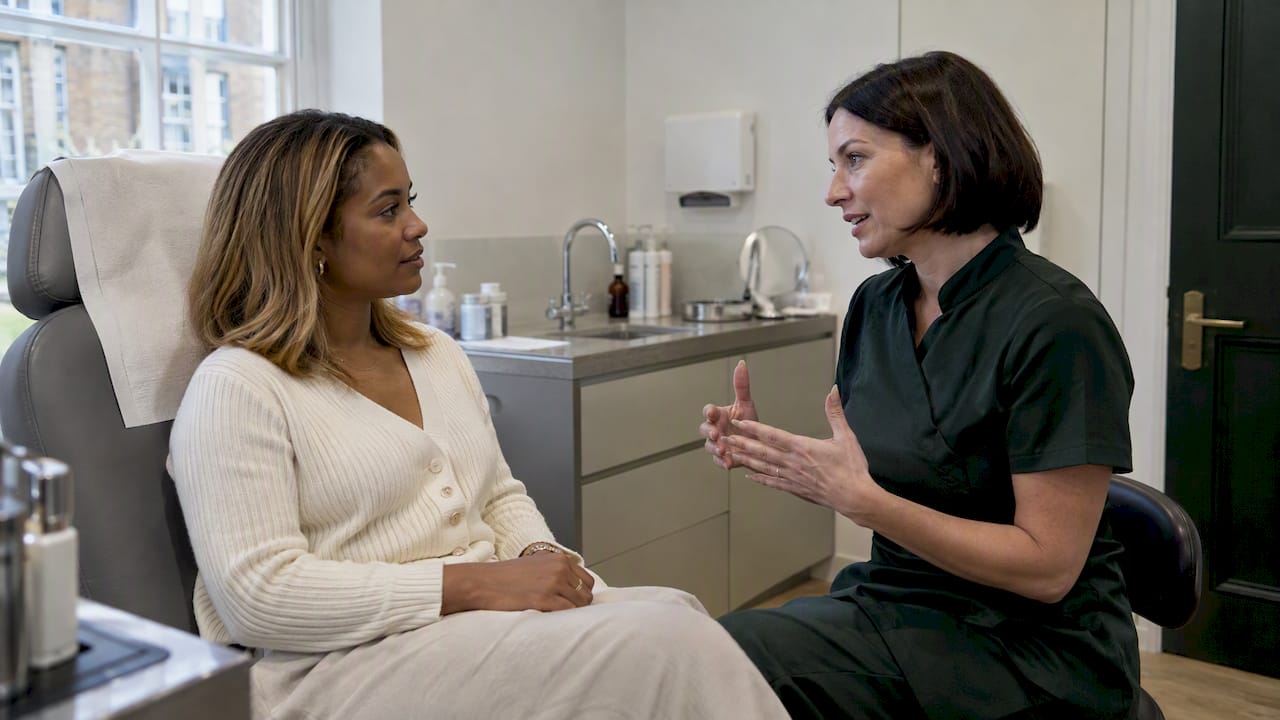
A good consultation is a conversation, not a sales pitch. The official guidance for England is clear that you should have a pre-consultation and should not accept treatment on the same day (Wolverhampton City Council). Take this list with you.
Who is treating me, and are they registered?
Only registered doctors, dentists, pharmacists or prescribing nurses can prescribe botulinum toxin in the UK. Ask for the practitioner’s registration (for example GMC, NMC or GDC) and check it yourself on the public register (Wolverhampton City Council). The prescriber must carry out the initial consultation and assessment face to face. Handing the injection to someone else does not remove their duty to make sure the treatment is safe and appropriate (JCCP).
At The Aesthetics Room, our clinic is CQC-registered and we are members of the ACE Group, which is dedicated to patient safety.
Which product will you use, and is it licensed?
Ask for the product name. Botulax, reNTox and Innotox are not authorised medicines for use in the UK, so a clinic offering them is a red flag (Wolverhampton City Council). The government also advises checking qualifications and insurance, and being wary of treatments that seem suspiciously cheap (GOV.UK).
What are the risks and side effects?
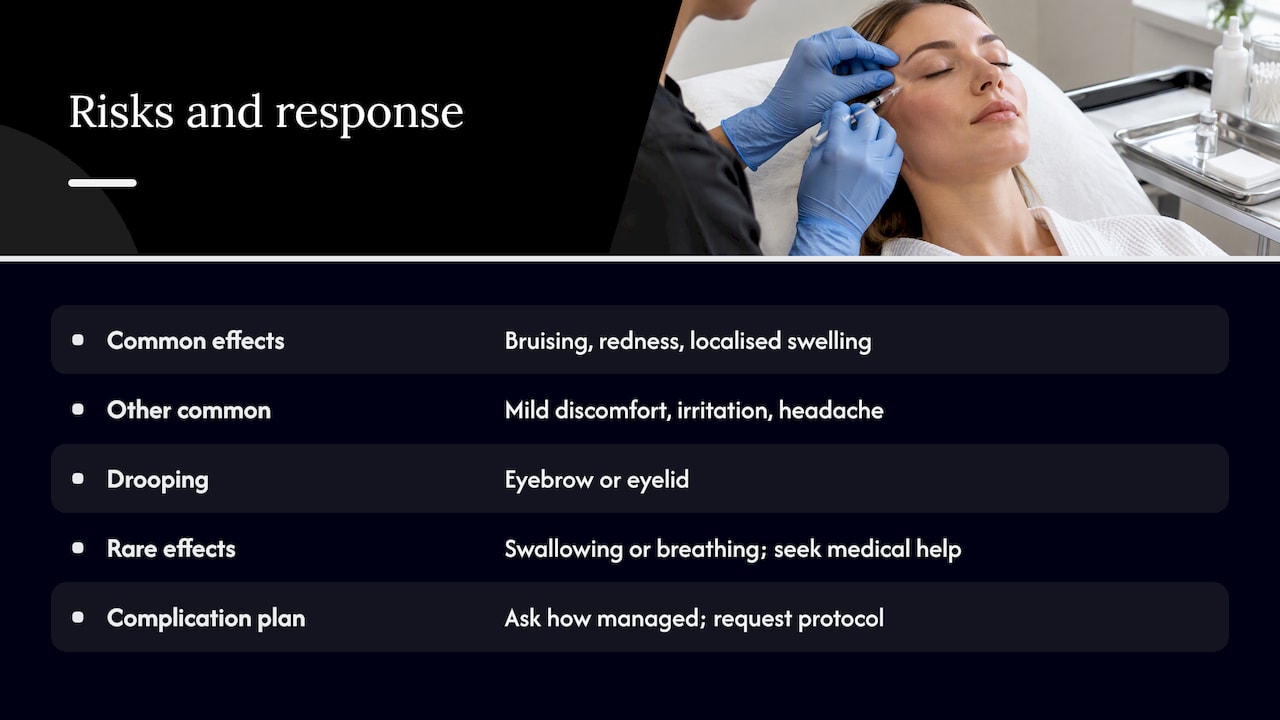
You should understand the process and possible complications well enough to give informed consent (Facial aesthetic injections in clinical practice). The common side effects are bruising, redness, localised swelling, mild discomfort or irritation, and headache. Drooping can affect the eyebrow or eyelid (JCCP). Rarely, treatment can affect the muscles of swallowing or breathing, which is more serious, and you should seek medical help straight away if that happens (Queen Victoria Hospital NHS).
Ask the practitioner how they would manage a complication, and to show you their protocol (JCCP).
What should I tell you about my health?
Be ready to share your medical history, medicines and any previous treatments. Expect written consent and pre-treatment photographs at each new treatment stage, which is standard practice (CPSA toxin standards). If you are pregnant, trying to conceive or breastfeeding, raise it first: it changes what your prescriber can advise.
What result should I expect, and what happens afterwards?
Ask to be shown realistic outcomes for your face, how many units are planned, when you will be reviewed and what a top-up would involve. Your practitioner should give aftercare instructions both verbally and in writing (Wolverhampton City Council). If you want a wider view of what to expect, our guide to London aesthetic consultations walks through the appointment, and our Botox myths page answers the common worries.
Aftercare in the days around your appointment
You may hear about the four-hour rule. In clinical guidance, patients can resume normal activities after four hours, and there is no need to avoid moving the treated muscles. Vigorous activity or hot environments should be avoided for at least three to four hours (Facial aesthetic injections in clinical practice). Always follow the specific instructions your own practitioner gives you, as they may differ for your treatment.
Practical points for a bridal schedule:
- Do not book your appointment immediately before a gym session, sauna or hot yoga class.
- Keep the day free of social commitments if you can, in case of redness or a small bump.
- If swelling does appear, our guide on reducing post-treatment swelling safely explains what is sensible to do.
What it costs at our clinic
Our published price for Anti Wrinkle treatment ranges from £200 to £358, as listed on our price list. Other treatments couples often ask about include Profhilo at £350, Sunekos at £450, Lip Filler from £215 to £300, a Mild Skin Peel at £120 and Micro-needling at £300. Your practitioner will confirm the plan and the exact price after your consultation.
Our perspective
We see the same pattern every wedding season: the people who are happiest on the day are the ones who started early and kept things simple. Botox is designed to soften lines, not change who you are, and the best results come from a plan built around your own face and your own expressions.
That is why we begin with a proper consultation and a medically led assessment, then build a bespoke plan. Our practitioners are medically trained, our clinic is CQC-registered and we are members of the ACE Group. For a bride or groom, that means a clear schedule, a treatment you have already tried and no surprises.
Our advice is simple. Book the conversation early, let us map the treatments back from your date, and leave the final fortnight free for the things that matter. A calm, well-timed plan is what helps you feel confident when the photographs are taken.
Vishul
Plan your wedding Botox with us
We offer in-person and virtual consultations, so you can start your plan wherever you are. We will review your skin, your timeline and your goals, and set out which treatments fit before the day. Our Anti Wrinkle treatments are listed on our price list, and you can book through The Aesthetics Room.

Our clinics are in Knightsbridge, Harley Street and Mayfair. Schedule your consultation today and give yourself the time to do this properly.
FAQ
How soon should you get Botox before a wedding?
For existing clients, four to six weeks before is a sound target, with a hard stop of around a month if possible. That leaves the two weeks the product needs to reach full effect, plus time for a review. First-timers should start around six months out.
Can I get Botox two weeks before an event?
It is possible for someone whose response is already known, but it leaves no margin to adjust. We would not suggest it for a first treatment. Your prescriber decides after a face-to-face assessment.
What is the four-hour rule after Botox?
It refers to the first few hours after treatment, when you should avoid vigorous activity and hot environments. Clinical guidance says normal activities can resume after four hours (Facial aesthetic injections in clinical practice). Follow your practitioner’s written aftercare.
What questions should I ask before Botox?
Ask who is prescribing and treating you, their registration, which licensed product they will use, the risks, how complications are handled and what aftercare you will get. You should also have a consultation first and not be treated on the same day.
Sources
- JCCP Information Sheet 2: Botulinum Toxins
- The Knot: Botox Before Your Wedding
- Wolverhampton City Council: Non-surgical aesthetic procedures
- GOV.UK: Crackdown on unsafe cosmetic procedures
- Facial aesthetic injections in clinical practice
- Queen Victoria Hospital NHS: Treatment with Botulinum Toxin Type A
- JCCP: The invisible risk behind unregulated botulinum toxin
- CPSA toxin standards
- Teeth whitening before a wedding timeline