

Feeling tired at 3pm, noticing changes in your skin or hair, struggling to shift weight, or simply wanting a clearer picture of your health can all prompt the same question: what is actually going on beneath the surface? A blood test wellness check London appointment offers a measured way to investigate selected health markers, with results considered in the context of your lifestyle, concerns and treatment goals.
For many people, a wellness blood test is not about searching for something to be wrong. It is about making more informed choices. If you invest in your skin, appearance, training or general wellbeing, objective information can be a useful starting point – particularly when you want advice that is more personal than generic supplements and online health trends.
What is a blood test wellness check?
A wellness blood test is a private assessment of blood markers that may be relevant to energy, nutrition, hormonal health, metabolic wellbeing and other aspects of general health. The right panel depends on why you are attending. Someone experiencing persistent fatigue may need a different assessment from someone concerned about hair shedding, skin quality, weight changes or optimising their wellbeing before a busy period.
At a medically led clinic, the value is not simply in receiving a page of numbers. It lies in choosing appropriate tests, taking a considered history, and ensuring the results are explained clearly. A result outside a laboratory reference range does not automatically establish a diagnosis, just as a result within range does not always explain every symptom. Clinical context matters.
A private wellness check should complement, rather than replace, routine NHS care or advice from your GP. If you have significant symptoms, a known medical condition, are pregnant, or receive ongoing treatment, you may need more urgent or specialist assessment. A responsible practitioner will recognise when referral or further medical investigation is appropriate.
Why blood results can matter for appearance and confidence
Skin, hair, mood, energy and body composition are influenced by many factors. Sleep, stress, nutrition, medication, genetics, exercise, alcohol intake and life stage can all play a part. Blood testing cannot reduce these complex concerns to one simple answer, but it can identify areas worth discussing.
For example, nutritional status can be relevant where a person has restricted their diet, experienced low energy or noticed changes in hair and nails. Metabolic markers may form part of a broader conversation around weight management and lifestyle. Hormonal testing can be useful in selected circumstances, although hormone levels fluctuate and should never be interpreted in isolation.
This is particularly valuable when your priorities overlap. Perhaps you want to improve your energy before committing to a fitness plan, understand whether a concern warrants medical follow-up, or take a more holistic approach to skin and hair health. The aim is not perfection on a laboratory report. It is a sensible, personalised plan that supports your wellbeing and confidence.
Which markers may be included?
There is no single panel that suits everybody. A bespoke blood test wellness check in London begins with the reason for testing, your health history and, where relevant, your aesthetic or wellbeing objectives. Depending on the consultation, testing may include markers related to:
- full blood count and general health indicators
- iron status and selected vitamins
- liver and kidney function
- blood glucose and longer-term glucose control
- cholesterol and lipid profile
- thyroid function
- selected hormone markers
- inflammation or other clinically appropriate markers
More testing is not always better. Broad panels can occasionally produce borderline or incidental findings that create uncertainty and require repeat testing. Conversely, overly limited testing may fail to address the reason you booked. The appropriate balance comes from thoughtful clinical selection, not a one-size-fits-all package.
Timing can change the picture
Certain results are affected by fasting, exercise, alcohol, supplements, hydration, illness and, for some tests, the time of day or point in the menstrual cycle. This is why preparation instructions matter. You may be advised to fast for a specified period, avoid strenuous exercise shortly before your appointment, or pause particular supplements only if it is clinically appropriate to do so.
Do not stop prescribed medication unless you have been specifically advised by the clinician responsible for your care. Be honest about everything you take, including vitamins, herbal products and performance supplements. Accurate information helps make results more meaningful.
What happens at your appointment?
A premium clinical experience should still feel straightforward. Your appointment usually starts with a consultation covering your reasons for testing, relevant symptoms, medical history, medication, lifestyle and desired outcomes. This is your opportunity to discuss concerns that may feel disconnected on the surface, such as tiredness alongside hair changes or fluctuating skin quality.
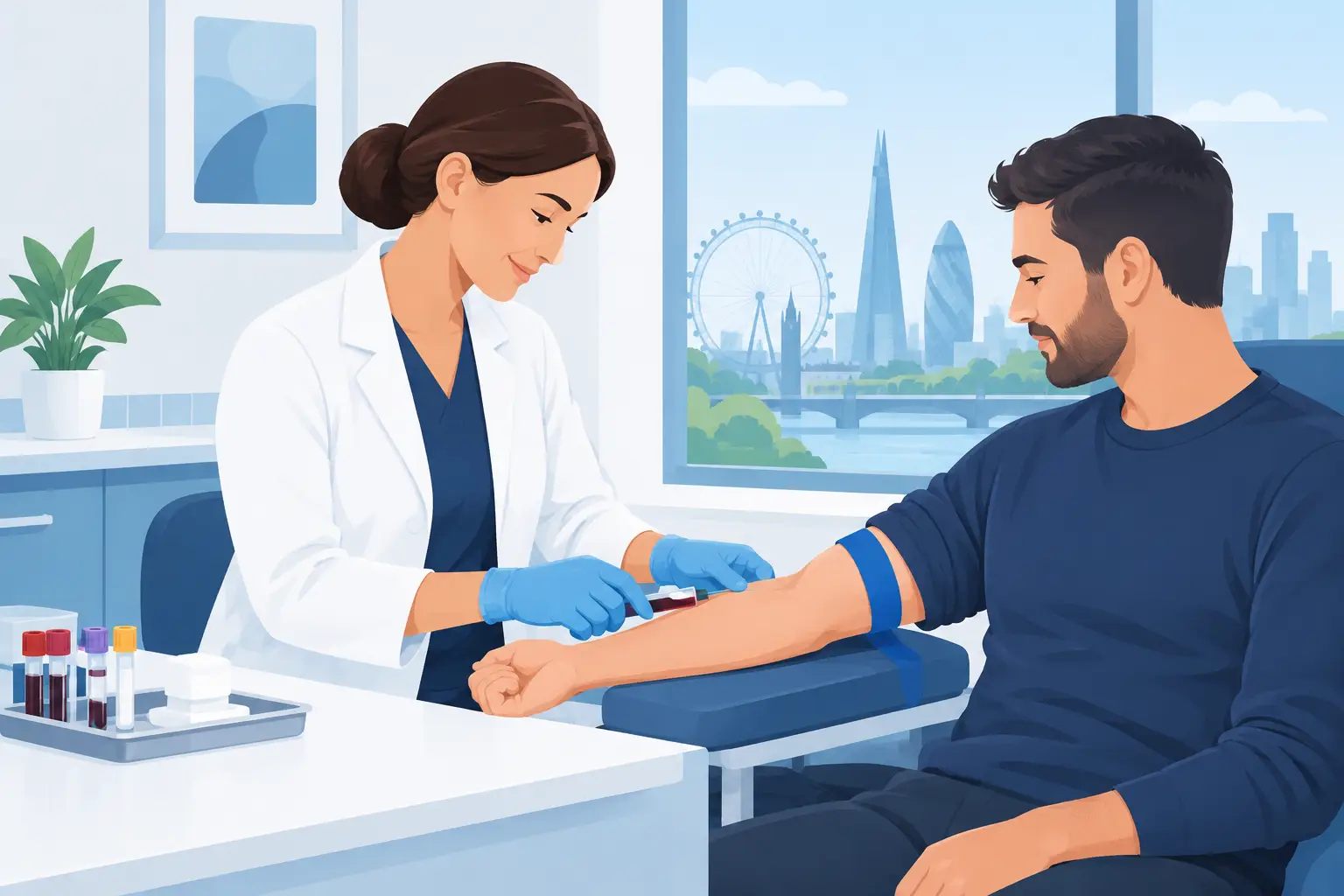
A trained practitioner then takes the blood sample using appropriate clinical procedures. The process is typically brief. If you are nervous around needles or have previously fainted during a blood draw, say so at the outset. Small adjustments, such as remaining reclined or allowing extra time, can make the experience more comfortable.
Results are reviewed once they are available. Some tests return more quickly than others, so the timing of feedback depends on the panel requested. A high-quality service should explain which findings are reassuring, which may deserve attention and what the next step should be. That might be lifestyle guidance, a repeat test, discussion with your GP, or a referral for further assessment.
How to read results without overreacting
It is tempting to focus on any number marked high or low. However, reference ranges are based on population data and can vary by laboratory. A mild variation may be temporary, clinically insignificant or linked to preparation. Equally, a result that sits within range may still need to be considered alongside symptoms and personal history.
The most useful questions are practical ones: Does this result fit with how I feel? Could anything have influenced it? Is repeat testing needed? Does this require medical follow-up? What changes are evidence-based and realistic for me?
Be cautious with dramatic conclusions drawn from a single result, particularly online. Blood testing is a valuable clinical tool, but it is not a shortcut to a diagnosis or a licence to self-prescribe high doses of vitamins. Excess supplementation can be unhelpful and, in some cases, unsafe.
Choosing a blood test wellness check in London
London offers plenty of private testing options, from quick home kits to extensive panels. Convenience has its place, but when results may influence your health decisions, clinical oversight is worth prioritising. Look for a provider that is transparent about what is being tested, why it is relevant and how results will be reviewed.
Safety and communication should be central. Ask whether the sample is taken by a trained professional, whether there is a consultation before and after testing, and what happens if an unexpected result is found. A provider should never promise that blood testing will solve every concern, nor use results to pressure you into treatments you do not need.
For clients considering aesthetic, hair or wellbeing treatments, an integrated approach can be especially helpful. At The Aesthetics Room, consultations are designed around the individual, recognising that visible concerns and general wellbeing often sit within the same wider conversation. Medical assessment, treatment suitability and natural-looking goals should always be approached with care.
When not to wait for a wellness test
A wellness appointment is appropriate for planned, non-urgent assessment. It is not the right route for sudden or severe symptoms. Seek urgent medical advice for chest pain, difficulty breathing, fainting, severe weakness, signs of a stroke, severe abdominal pain, heavy bleeding, or thoughts of harming yourself.
You should also contact your GP promptly for persistent unexplained symptoms, significant unintentional weight loss, prolonged fever, new lumps, or a marked change in your health. Private testing can provide useful information, but timely medical evaluation must always come first.
The best wellness check leaves you with more than a list of figures. It gives you a clearer basis for decisions, sensible next steps and the reassurance that your health, appearance and confidence are being considered with the individual attention they deserve.