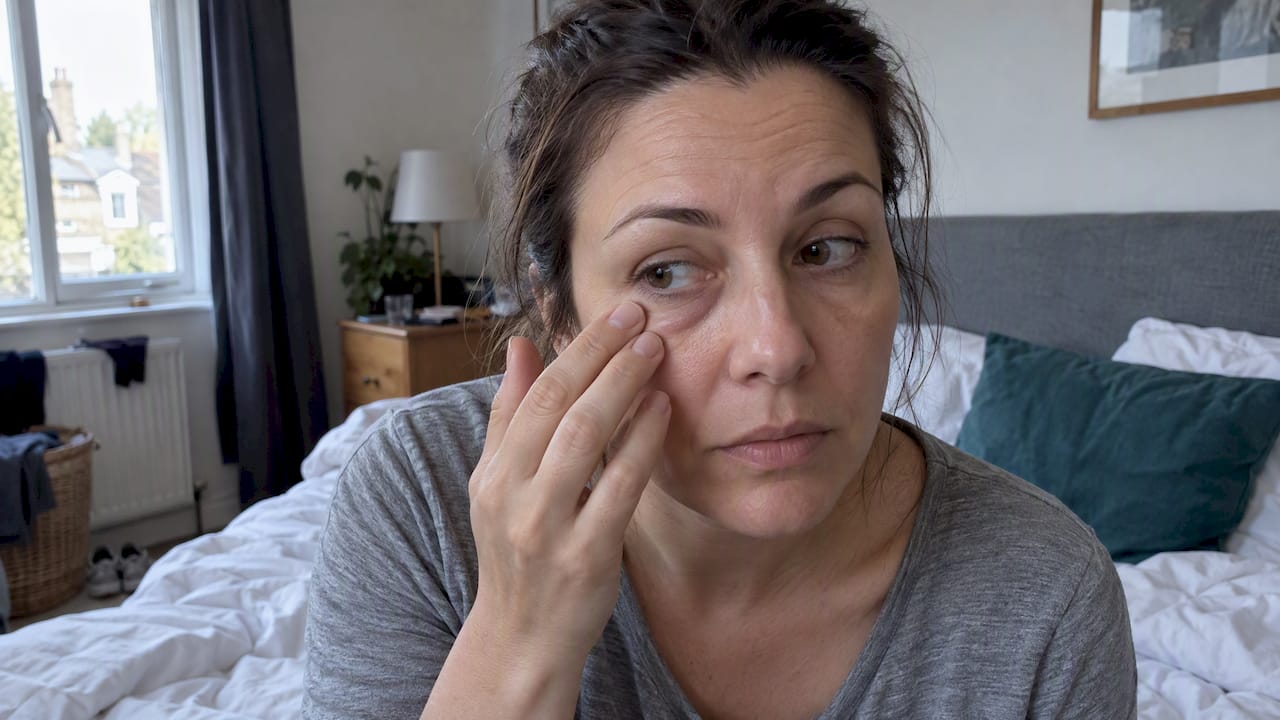


Marionette lines can make the lower face appear heavier, tired or unintentionally downturned, even when the rest of the complexion looks refreshed. The best options for marionette lines are rarely about simply filling a crease. A considered plan looks at the structure of the cheeks, jawline, chin and mouth area to soften shadows while protecting your natural expression.
These lines run from the corners of the mouth towards the chin. They tend to become more noticeable as facial volume shifts, collagen production slows and repeated movement places pressure on the lower face. Genetics, skin quality, weight changes and smoking can all influence how early and deeply they develop.
At a medically led consultation, the priority should be understanding why your marionette lines are visible, not applying the same treatment to every face. For some patients, carefully placed dermal filler offers the most effective improvement. For others, improving skin quality or restoring support higher in the face produces a more elegant result.
Best Options for Marionette Lines: A Bespoke Approach
Dermal filler for support and softening
Dermal filler is one of the most popular non-surgical treatments for marionette lines. Modern hyaluronic acid fillers can restore lost volume, provide structural support and soften the shadow created by the fold. However, the most refined results do not always come from placing filler directly into the line.
A skilled practitioner may first assess the cheeks, pre-jowl area, chin and jawline. When these areas lose support, the tissues around the mouth can descend and create a more pronounced downturn. Restoring balance in the right places can lift the appearance of the lower face and reduce the need for excessive product around the mouth.
Direct treatment of the marionette line may still be appropriate, particularly where there is a clear crease or volume deficit. The amount used should be conservative and tailored to your anatomy. Overfilling this mobile area can make the lower face look puffy or affect natural movement, which is why technique and product selection matter as much as the treatment itself.
Results are usually visible immediately, with the final appearance settling as any minor swelling resolves. Depending on the product used, your metabolism and the treatment plan, results commonly last between 6 and 18 months. Maintenance is often more subtle than the initial appointment.
Chin and jawline balancing
A recessed chin, early jowling or loss of definition along the jaw can exaggerate marionette lines. In these cases, strategic chin or jawline enhancement may offer a more harmonious result than treating the mouth area alone.
Chin filler can improve projection and support the lower-face profile, while careful treatment of the pre-jowl sulcus may smooth the transition between chin and jaw. This is not about creating a dramatically altered face. It is about restoring proportion so the mouth no longer appears to be pulled down by surrounding volume loss.
This option is particularly valuable for patients who have already had filler placed in marionette lines elsewhere but feel the result has not addressed the underlying concern. A full-face assessment can reveal whether the issue is structural rather than limited to one crease.
Anti-wrinkle injections for a downturned mouth
For some people, the corners of the mouth are pulled down by an overactive depressor anguli oris muscle. This can intensify the sad or stern expression associated with marionette lines. Small, precisely placed anti-wrinkle injections may relax this downward pull and create a subtly softer mouth position.
This treatment does not replace volume where volume is needed, and it will not erase deep folds on its own. It can, however, work beautifully alongside dermal filler where muscle movement contributes to the concern. Results develop gradually over around two weeks and typically last three to four months.
Careful assessment is essential. The lower face contains muscles involved in speech, eating and expression, so this area should only be treated by an appropriately trained medical practitioner with a detailed understanding of facial anatomy.
Skin Treatments That Support Marionette Line Results
When marionette lines are fine, etched or accompanied by crepey skin around the mouth, improving skin quality can be an important part of the plan. Injectable treatments restore support, while collagen-stimulating treatments can improve the skin’s firmness and texture over time.
Microneedling, radiofrequency microneedling and selected energy-based treatments may encourage collagen renewal in suitable candidates. These treatments tend to deliver gradual improvement rather than an immediate change, and a course may be recommended depending on the condition of the skin.
Skin boosters can also be useful where dehydration and reduced elasticity make lines more apparent. They are designed to improve hydration and skin quality rather than create volume or reshape the face. For that reason, they are often best viewed as a complement to structural treatment, not a substitute for it.
The right choice depends on the depth of the line. A superficial treatment may improve fine textural lines, but it cannot reliably correct significant tissue descent or a pronounced volume deficit. Equally, filler alone cannot recreate the quality of healthy, resilient skin. Combining treatments thoughtfully often creates the most natural-looking outcome.
Collagen-stimulating injectables
Some patients may be suitable for collagen-stimulating injectables, which are designed to prompt the body to build collagen gradually. These can be beneficial where there is widespread volume loss or reduced firmness through the mid and lower face.
Unlike hyaluronic acid filler, the result develops over time and is not immediately reversible in the same way. This makes consultation, product choice and a cautious treatment plan especially important. It may suit patients seeking gradual rejuvenation, but it is not the best option for everyone, particularly if a precise, immediate correction is the priority.
When Surgery May Be the Better Option
Non-surgical treatments can soften marionette lines and improve lower-face balance, but they have limits. Where there is substantial skin laxity, heavier jowling or advanced facial descent, a surgical facelift may offer a more meaningful and longer-lasting correction.
A reputable aesthetic practitioner should be open about this distinction. Trying to treat significant laxity with repeated volumes of filler can lead to an overfilled appearance without delivering the lift a patient wants. The most appropriate recommendation is the one that respects your anatomy, goals and appetite for downtime, whether that is non-surgical treatment, surgery or no treatment at all.
What a Safe Marionette Line Consultation Should Cover
Marionette line treatment should begin with a face-to-face assessment of your facial movement, skin quality, symmetry, volume distribution and medical history. Photographs may be used to plan treatment and monitor changes objectively over time.
Your practitioner should explain what treatment can realistically achieve, how long results may last and whether a staged approach would be preferable. You should also discuss potential side effects. With dermal fillers, these can include temporary swelling, bruising, tenderness and asymmetry. Rare but serious vascular complications are possible, which is why treatment should be carried out in an appropriate clinical setting by an experienced professional who can recognise and manage complications promptly.
You may be advised to avoid alcohol, strenuous exercise and excessive heat for a short period after injectable treatment, depending on the procedure. If you have active skin infection, are pregnant or breastfeeding, have certain medical conditions, or have had previous filler in the area, this must be discussed before proceeding.
At The Aesthetics Room, a bespoke consultation-led approach helps ensure treatment is based on your individual facial structure and confidence goals, rather than a standardised amount of product.
The most flattering treatment for marionette lines is often the one that is difficult for others to identify. A well-planned approach should leave you looking rested, balanced and recognisably yourself, with results that feel considered rather than conspicuous.