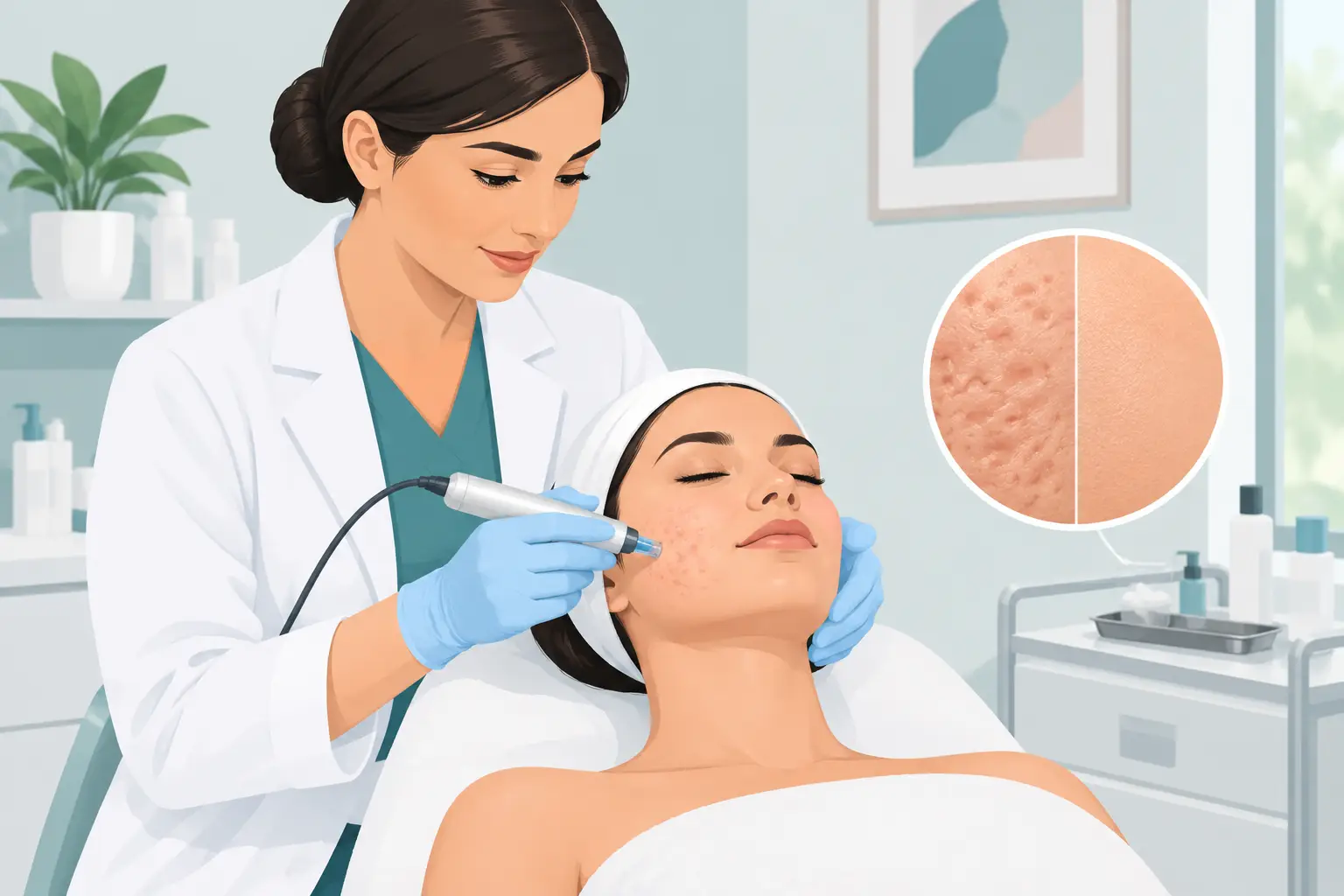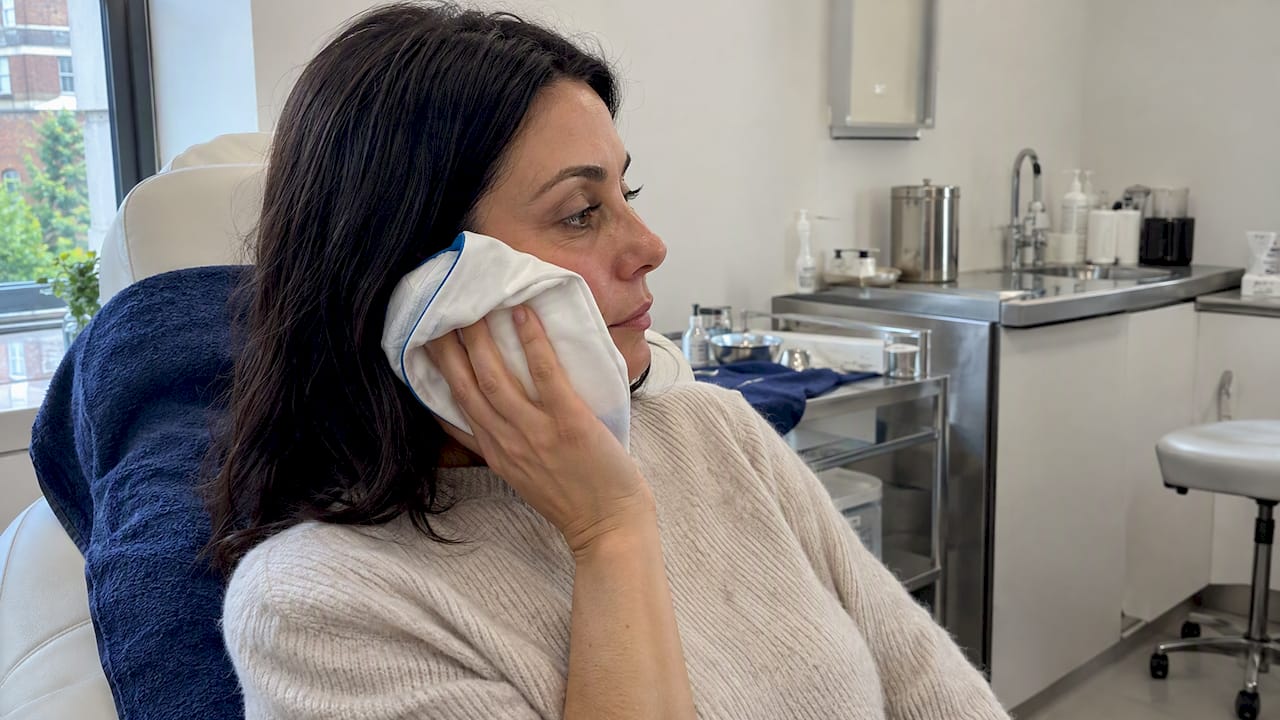


The most effective laser treatments available to UK patients in 2025 are Fractional CO2, Ablative Erbium YAG, Fractional non-ablative 1550nm, Picosecond lasers, Nd:YAG, and IPL. Each targets a different set of skin concerns, and choosing the right one depends on your skin type, downtime tolerance, and goals.
Quick shortlist:
- Fractional CO2 — best for deep wrinkles, severe sun damage, and significant textural concerns
- Ablative Erbium YAG — best for precise resurfacing of fine lines, acne scars, and pigmentation with controlled recovery
- Fractional non-ablative 1550nm — best for maintenance resurfacing, fine lines, and mild scarring with minimal downtime
- Picosecond lasers — best for stubborn pigmentation, solar lentigines, and tattoo removal
- Nd:YAG — best for vascular lesions, telangiectasia, and hair removal on darker skin tones
- IPL (Lumecca-style) — best for general skin rejuvenation, diffuse pigmentation, and redness
All laser and IPL treatments in England sit within a regulatory framework that may require CQC registration depending on clinical use. We always recommend booking a medical consultation before committing to any treatment, so a trained practitioner can assess your Fitzpatrick skin type, medical history, and realistic outcomes.
Table of Contents
- What are the best laser treatments in 2025? Fractional CO2 explained
- How does Ablative Erbium YAG differ, and who is it right for?
- Why fractional non-ablative 1550nm lasers suit patients who want less downtime
- What can picosecond lasers treat, and how many sessions will you need?
- Where do Nd:YAG vascular lasers fit in your skin rejuvenation plan?
- How does IPL compare with true lasers, and when should you choose it?
- Comparing downtime, sessions, and UK costs across all six treatments
- How do you choose the right laser treatment for your skin?
- What are the risks, and how do you protect your skin after treatment?
- Why Theaestheticsroom recommends Ablative Erbium YAG for selected patients
- Key takeaways
- What patients often underestimate about laser treatments
- Book your laser consultation at Theaestheticsroom
- Useful sources and further reading
What are the best laser treatments in 2025? Fractional CO2 explained
Fractional CO2 is widely regarded as the gold standard for deep skin resurfacing. It delivers a grid of microscopic ablative columns into the dermis, triggering significant collagen remodelling and removing damaged epidermal tissue. The result is a measurable improvement in deep wrinkles, textural irregularities, acne scarring, and severe sun damage that lighter modalities simply cannot match in a single course of treatment.
What it treats:
- Deep dynamic and static wrinkles
- Moderate to severe acne scarring
- Significant sun damage and dyschromia
- Coarse skin texture and enlarged pores
Effectiveness and sessions: Most patients see meaningful improvement after a single full-face session, though two sessions spaced several months apart may be recommended for more advanced concerns. Collagen remodelling continues for up to six months post-treatment, so final results are not visible immediately.
Downtime: Expect 7–14 days of active healing, with redness persisting for several weeks. This is the most significant downtime of any treatment on this list.
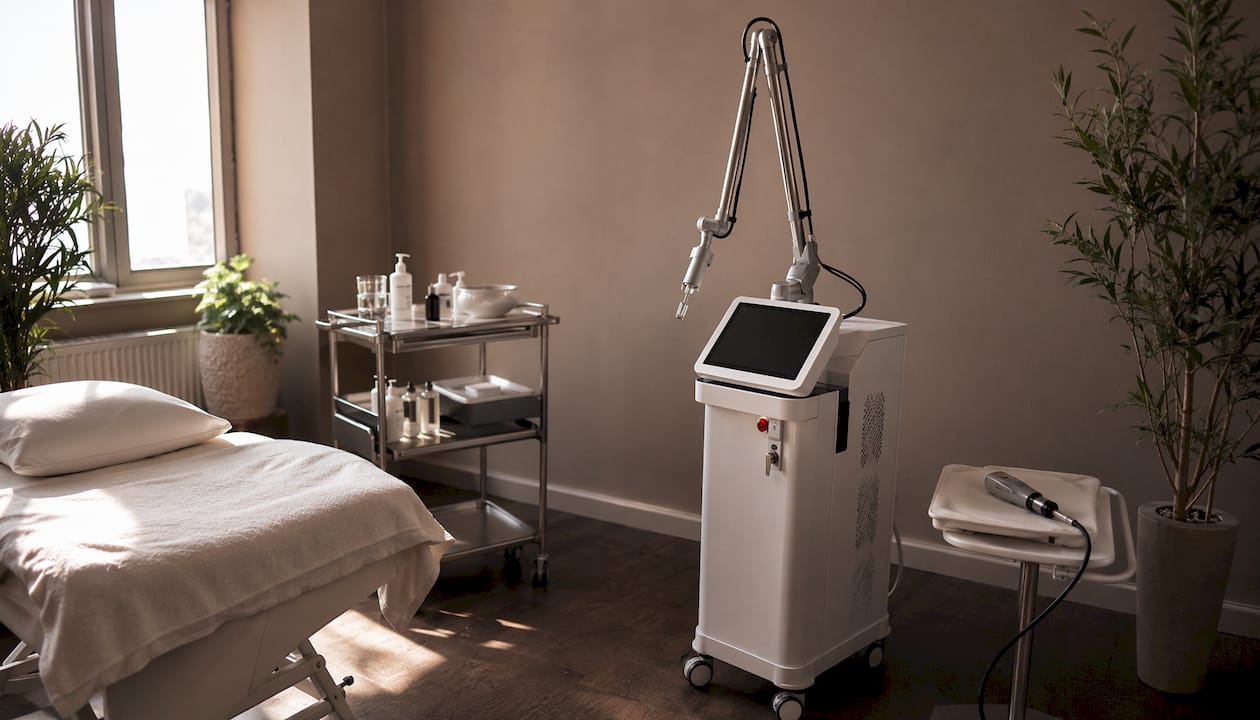
Typical UK cost range: £800–£2,500 per session, depending on the device used, the practitioner’s grade, and the clinic’s location. London clinics, particularly in Knightsbridge or Harley Street, typically sit at the upper end.
Skin type suitability: Best suited to Fitzpatrick types I–III. Types IV–VI carry a higher risk of post-inflammatory hyperpigmentation (PIH) and require conservative settings and careful pre-treatment preparation. Contraindications include active infection, isotretinoin use within the past 12 months, and certain autoimmune conditions.
Pro Tip: Pair Fractional CO2 with a medical-grade retinoid and broad-spectrum SPF 50 in the weeks before treatment. Pre-conditioning the skin accelerates healing and reduces PIH risk, particularly for Fitzpatrick types III and IV. Your practitioner should advise on a post-treatment skincare regimen to support collagen synthesis.
| Feature | Detail |
|---|---|
| Best for | Deep wrinkles, severe scarring, sun damage |
| Sessions to result | 1–2 sessions |
| Downtime | 7–14 days active healing |
| Typical UK cost | £800–£2,500 per session |
| Fitzpatrick suitability | Types I–III (caution with IV–VI) |
How does Ablative Erbium YAG differ, and who is it right for?
Ablative Erbium YAG is a precision resurfacing laser that vaporises damaged skin layers with less thermal spread than CO2 in many settings. That reduced collateral heat means shorter post-procedure erythema for selected patients, though operator technique and aftercare ultimately determine real-world outcomes. For patients who want strong resurfacing results but are concerned about prolonged redness, Erbium YAG is a compelling option.
What it treats:
- Fine lines and moderate wrinkles
- Acne scars and surgical scars
- Uneven pigmentation and sun damage
- Rough skin texture and dullness
Sessions typically run for an extended appointment duration, and most patients require a few sessions with periodic maintenance several months apart. Visible improvement in texture and tone appears within 1–2 weeks, with collagen remodelling continuing beneath the surface for months. You can read more about laser resurfacing outcomes and what to expect during recovery.
Comparative downtime: Expect a period of mild redness and skin shedding lasting several days, which is shorter compared with the longer downtime typical of Fractional CO2. For patients with professional commitments or limited recovery windows, this distinction matters.
Operator skill is non-negotiable. Erbium YAG procedures require a trained medical practitioner who understands depth control and tissue response. Clinics should be able to demonstrate documented protocols, a clear consent process, and a complication management pathway before you agree to treatment.
Ablative Erbium YAG is a gold-standard resurfacing choice for patients who want precise correction of fine lines, acne scars, and pigmentation, with a recovery profile that is more manageable than full CO2 resurfacing. The key is matching the treatment depth to the individual’s skin concern and Fitzpatrick type, not applying a one-size approach.
Ideal candidate: Adults with Fitzpatrick types I–IV presenting with fine-to-moderate wrinkles, acne scarring, or uneven pigmentation who want noticeable rejuvenation without surgery and can allow 3–7 days for recovery.
Why fractional non-ablative 1550nm lasers suit patients who want less downtime
Fractional non-ablative lasers, often referred to as Fraxel-style devices, work by creating microscopic thermal zones in the dermis without removing the epidermis. The skin surface remains largely intact, which is why recovery is far shorter than ablative options. The trade-off is that multiple sessions are needed to achieve comparable improvement.
Primary uses:
- Fine lines and early wrinkles
- Superficial acne scarring and textural irregularities
- Mild pigmentation and melasma maintenance
- General skin quality improvement between more intensive treatments
How it differs biologically: Ablative lasers remove tissue; non-ablative fractional lasers heat it. That thermal stimulus triggers dermal remodelling and new collagen production without the open-wound recovery phase. The epidermis heals within 24–48 hours, though mild swelling and a bronzed, flaking appearance can persist for 3–5 days.
Typical sessions timetable:
- Initial course: 3–5 sessions spaced 4–6 weeks apart
- Maintenance: one session every 6–12 months once the desired result is achieved
- Combination: often paired with injectables or regenerative boosters for enhanced collagen response
Safety and skin type suitability: Non-ablative fractional lasers are generally safer across a broader range of Fitzpatrick types than ablative options, though types V and VI still require careful parameter selection to minimise PIH risk. Contraindications are similar to ablative devices: active infection, photosensitising medications, and pregnancy.
Realistic results and cost: Improvement is gradual. Most patients notice a meaningful change in texture and fine lines after the third session. Typical UK pricing runs £300–£700 per session, making a full course of four sessions roughly £1,200–£2,800. Results are real but subtler than ablative resurfacing, which is the appropriate expectation to set before committing.
What can picosecond lasers treat, and how many sessions will you need?
Picosecond lasers deliver pulses measured in trillionths of a second, which is orders of magnitude shorter than traditional nanosecond devices. That ultra-short pulse duration shatters pigment particles and tattoo ink into finer fragments with reduced thermal damage to surrounding tissue. For patients whose primary concern is stubborn pigmentation or tattoo removal, picosecond technology is currently the most targeted option available.
What picosecond lasers treat best:
- Solar lentigines (age spots) and sun-induced pigmentation
- Melasma (with careful parameter selection)
- Multi-coloured tattoo ink, including resistant blues and greens
- Post-inflammatory hyperpigmentation in selected cases
Effectiveness and timelines: Pigmentation lesions often respond within 2–4 sessions. Tattoo removal is more variable: a small, single-colour tattoo may clear in 4–6 sessions, while a large multi-coloured piece can require 10 or more. Darker Fitzpatrick skin types (IV–VI) need conservative settings to avoid triggering new PIH, so progress may be slower.
Downtime and skin reactions: Expect mild redness, pinpoint bleeding, and frosting immediately after treatment. Most patients are socially presentable within 2–3 days, though treated pigment spots will darken before they shed over 7–14 days.
Suitability by skin type: Picosecond devices are versatile but not risk-free for darker skin tones. A patch test and a thorough Fitzpatrick assessment are standard practice before a full treatment.
Pro Tip: Colour complexity is the single biggest predictor of session count for tattoo removal. Black and dark blue ink responds fastest; yellow, white, and light green are the most resistant. Ask your practitioner to map the ink colours at consultation so you get a realistic session estimate before you start.
Where do Nd:YAG vascular lasers fit in your skin rejuvenation plan?
Nd:YAG lasers operate at a 1064nm wavelength, which penetrates deeply and targets oxyhaemoglobin in blood vessels without the same melanin absorption risk as shorter wavelengths. That makes them the preferred tool for vascular lesions and for hair removal on darker skin tones, where other laser types carry a higher risk of pigmentation side effects.
Primary indications:
- Telangiectasia (thread veins) on the face and legs
- Spider naevi and small haemangiomas
- Leg vein treatment (smaller vessels)
- Hair removal using long-pulse Nd:YAG, particularly for Fitzpatrick types IV–VI
- Rosacea-related vascular diffusion
How Nd:YAG differs from pigment-targeting systems: Pigment lasers (picosecond, Q-switched) target melanin; Nd:YAG targets haemoglobin. The distinction matters clinically because a patient with both vascular redness and pigmentation may need two different device types for complete correction. Combining Nd:YAG with a pigment-targeting session is a common approach in 2025 rejuvenation plans.
For patients considering hair removal, long-pulse Nd:YAG is the safest option for darker skin tones and is the standard of care for Fitzpatrick types V and VI.
Sessions and pain: Vascular treatments typically require 2–4 sessions for facial telangiectasia and 3–6 for leg veins. The sensation is often described as a sharp elastic-band snap; topical anaesthetic cream is used for larger treatment areas or lower pain thresholds.
Nd:YAG treatments carry a low risk of blistering, bruising, and temporary pigment changes. Cooling systems are standard on modern devices and significantly reduce discomfort and thermal injury risk.
Combining Nd:YAG vascular treatment with a resurfacing modality in the same treatment plan can address both redness and texture simultaneously, but the sequencing matters. Generally, vascular work is completed first to reduce background inflammation before resurfacing begins.
How does IPL compare with true lasers, and when should you choose it?
IPL (intense pulsed light) is not a laser. It emits a broad spectrum of light wavelengths rather than a single targeted wavelength, which means it can address multiple concerns in one pass but with less precision than a dedicated laser. Lumecca-style devices, for example, operate in the 500–600nm range and are commonly used for pigmentation and vascular lesions with relatively few sessions.
Best uses for IPL:
- Diffuse facial pigmentation and sun damage
- Generalised redness and mild rosacea
- Superficial vascular lesions
- Overall skin tone and radiance improvement
Where IPL performs less well: Deep wrinkles, significant scarring, and resistant pigmentation respond better to dedicated laser devices. IPL is a maintenance and rejuvenation tool, not a resurfacing treatment.
Regulatory and practitioner notes: In England, practitioners using IPL or class 3B/4 lasers may need to register with the Care Quality Commission, depending on whether the treatment is used to treat a disease, disorder, or injury. Cosmetic-only use does not always trigger CQC registration, but local councils may have their own requirements. Always verify your practitioner’s qualifications and the clinic’s governance framework regardless of registration status.
IPL is frequently oversold as equivalent to laser resurfacing. It is not. For patients with specific, defined concerns such as a single pigmented lesion or a cluster of thread veins, a targeted laser will almost always outperform a broad-spectrum IPL device. IPL earns its place as a general maintenance treatment and for patients who want a low-downtime option for diffuse skin tone improvement.
Skin type warnings: IPL carries a meaningful PIH risk for Fitzpatrick types IV and above. Darker skin tones should be assessed carefully, and many practitioners will decline IPL for types V–VI in favour of Nd:YAG or carefully calibrated laser alternatives.
Typical session counts and cost: A typical full course includes several sessions, with maintenance performed at intervals of several months. UK pricing per session varies.
Comparing downtime, sessions, and UK costs across all six treatments
The table below gives a side-by-side reference for the six main treatments. Prices reflect typical UK clinic ranges and will vary based on device manufacturer, practitioner grade, clinic location, and the size of the treatment area.
| Treatment | Best for | Anti-ageing effectiveness | Downtime | Sessions to result | Typical UK cost (per session) | Fitzpatrick suitability | Pain / anaesthesia | Common side effects |
|---|---|---|---|---|---|---|---|---|
| Fractional CO2 | Deep wrinkles, scarring, sun damage | High | 7–14 days | 1–2 | £800–£2,500 | I–III (caution IV–VI) | Moderate–high; topical/local anaesthetic | Redness, crusting, PIH, infection risk |
| Ablative Erbium YAG | Fine lines, acne scars, pigmentation | High | 3–7 days | 1–3 | £800–£2,500 | I–IV (caution V–VI) | Moderate; topical anaesthetic | Redness, mild crusting, PIH |
| Fractional non-ablative 1550nm | Fine lines, mild scarring, maintenance | Moderate | 2–5 days | 3–5 | £300–£700 | I–V (care with VI) | Low–moderate; topical optional | Swelling, bronzing, mild flaking |
| Picosecond laser | Pigmentation, tattoo removal | Moderate (pigment) | 2–3 days | 2–10+ | £300–£700 | I–VI (care with IV–VI) | Low–moderate; topical optional | Frosting, darkening, pinpoint bleeding |
| Nd:YAG | Vascular lesions, hair removal | Low–moderate | 1–3 days | 2–6 | — | I–VI (preferred for V–VI) | Moderate; topical anaesthetic | Bruising, blistering, pigment changes |
| IPL (Lumecca-style) | Diffuse pigmentation, redness | Low–moderate | 1–2 days | 3–5 | — | I–III (risk IV–VI) | Low | Redness, mild swelling, PIH risk |
What drives price variation:
- Device manufacturer and technology generation (newer platforms command a premium)
- Practitioner grade: a consultant dermatologist or senior aesthetic doctor charges more than a nurse practitioner
- Clinic setting and location: central London clinics typically charge 20–40% more than regional equivalents
- Treatment area size and complexity
Timeline callout: Most patients see initial improvement within 2–4 weeks of their first session. Final results from ablative treatments are usually visible at the 3–6 month mark as collagen remodelling completes. Maintenance sessions are typically scheduled every 12–18 months for ablative work and every 6–12 months for non-ablative and IPL courses.
How do you choose the right laser treatment for your skin?
The right choice depends on four variables: your primary skin concern, your Fitzpatrick skin type, your downtime tolerance, and your budget. Working through these in order will narrow the field quickly.
Step-by-step decision checklist:
- Identify your primary concern. Deep wrinkles and scarring point to Fractional CO2 or Erbium YAG. Pigmentation and tattoo removal point to picosecond. Vascular redness points to Nd:YAG. General maintenance points to non-ablative 1550nm or IPL.
- Assess your Fitzpatrick type. Types IV–VI should avoid IPL and approach ablative CO2 with caution. Nd:YAG and carefully calibrated picosecond devices are safer options.
- Be honest about downtime. If you cannot take 7–10 days away from work or social commitments, ablative CO2 is not the right choice right now. Non-ablative or picosecond options offer a more manageable recovery window.
- Set a realistic budget. A full course of non-ablative sessions can cost as much as a single ablative treatment. Factor in the total course cost, not just the per-session price.
- Book a medical consultation before anything else. No reputable clinic will recommend a specific device without assessing your skin in person or via a thorough virtual consultation.
Questions to ask at consultation:
- Which device model will be used, and what generation is it?
- What are your qualifications, and are you medically trained?
- Can I see before-and-after photos of patients with similar concerns and skin types?
- What is your complications policy and aftercare protocol?
- Will I need a patch test before the full treatment?
Red flags to walk away from:
- No medical assessment or skin type evaluation before recommending a treatment
- Pressure to purchase a package before consultation is complete
- No written consent form or aftercare plan
- Inability to explain the device being used or the practitioner’s qualifications
- Prices that seem unusually low without explanation
UK regulatory context: The CQC regulates surgical cosmetic procedures directly. Many non-surgical laser and IPL treatments fall outside that specific regulatory scope, but all cosmetic treatments carry risk and should be delivered by trained practitioners. Choosing a CQC-registered clinic is a meaningful trust signal because it indicates the clinic has governance systems, complication pathways, and patient safety protocols in place, even when the specific treatment does not legally require registration. For medical practitioners in aesthetics, that governance framework is the baseline, not a bonus.
What are the risks, and how do you protect your skin after treatment?
Every laser and IPL treatment carries risk. Understanding those risks by treatment category, and knowing the aftercare steps that reduce them, is part of making an informed decision.
Common side effects by treatment group:
- Ablative (CO2 and Erbium YAG): Redness, swelling, crusting, skin shedding, PIH, prolonged erythema, and a small risk of scarring or infection if aftercare is not followed
- Non-ablative fractional: Swelling, bronzing, mild flaking, and temporary PIH, particularly in types IV–V
- Picosecond: Frosting, pinpoint bleeding, temporary darkening of pigment lesions before they shed
- Nd:YAG: Bruising, blistering, temporary pigment changes, and purpura (particularly for vascular treatments)
- IPL: Redness, mild swelling, PIH risk in darker skin tones, and paradoxical darkening of pigment in undertreated areas
Aftercare checklist:
- Apply broad-spectrum SPF 50 every morning without exception for a minimum of 4 weeks post-treatment
- Use a gentle, fragrance-free cleanser and avoid active ingredients (retinoids, AHAs, BHAs) until the skin has fully healed
- Keep the skin hydrated with a medical-grade barrier repair moisturiser
- Avoid heat exposure, saunas, and vigorous exercise for at least 48–72 hours
- Do not pick, scratch, or exfoliate crusting or flaking skin; allow it to shed naturally
- Attend all scheduled follow-up appointments
How to reduce risk before treatment:
- Insist on a patch test for any new device or setting
- Disclose all medications, including topical retinoids and photosensitising drugs
- Avoid sun exposure and self-tan for at least 4 weeks before treatment
- Discuss your full medical history, including autoimmune conditions and history of cold sores (relevant for ablative procedures)
Warning signs that require urgent assessment: Increasing pain or swelling beyond day 3, signs of infection (pus, spreading redness, fever), blistering outside the expected treatment zone, or any sudden change in skin colour or texture that was not discussed as an expected outcome. Contact your clinic immediately if any of these occur.
Why Theaestheticsroom recommends Ablative Erbium YAG for selected patients
At Theaestheticsroom, our approach to laser treatments is grounded in clinical evidence, patient safety, and honest outcome expectations. Our clinic holds CQC accreditation and is a member of the ACE Group, a network dedicated to patient safety standards in medical aesthetics. All laser procedures are performed or directly supervised by medically trained practitioners.
Our trust signals:
- CQC-registered clinic with documented governance and complication pathways
- ACE Group membership, reflecting our commitment to patient safety
- All treatments delivered by doctors, nurses, or dentists with specialist aesthetic training
- Thorough pre-treatment assessment including Fitzpatrick typing, medical history review, and patch testing
Why we recommend Ablative Erbium YAG for selected patients: For adults presenting with fine-to-moderate wrinkles, acne scarring, or uneven pigmentation who want a meaningful clinical result without the extended downtime of full CO2 resurfacing, Erbium YAG offers the best balance of precision and recovery. The role of lasers in aesthetics is well established, and Erbium YAG sits at the intersection of efficacy and manageability for a significant proportion of our patients.
Our patient pathway:
- Consultation: In-person or virtual assessment covering skin concerns, medical history, Fitzpatrick type, and treatment goals
- Consent and preparation: Written consent, pre-treatment skincare protocol, and patch test where indicated
- Treatment: Topical anaesthetic applied 30–45 minutes before; treatment runs 30–60 minutes depending on area
- Aftercare: Detailed written aftercare plan, barrier repair products, and SPF guidance provided at the appointment
- Follow-up: Review at 2 weeks and again at 3 months to assess collagen response and plan maintenance
We also offer combination treatment plans that integrate laser resurfacing with regenerative boosters such as PRP or polynucleotides, a growing 2025 trend for patients seeking enhanced healing and longer-lasting collagen response. Integrating PRP and exosome therapies with laser resurfacing is increasingly supported by clinical practice as a way to accelerate recovery and improve outcomes.
At Theaestheticsroom, we do not recommend a treatment until we have assessed your skin in detail. The best laser for you is the one that matches your concern, your skin type, and your life. Our role is to give you that clarity before you commit to anything.
Key takeaways
The most effective laser treatment for you in 2025 depends on your skin concern, Fitzpatrick type, downtime tolerance, and budget, and a medical consultation at a CQC-registered clinic is the safest first step.
| Point | Details |
|---|---|
| Match treatment to concern | Fractional CO2 and Erbium YAG for deep resurfacing; picosecond for pigmentation; Nd:YAG for vascular and hair removal. |
| Skin type determines safety | Fitzpatrick types IV–VI face higher PIH risk with ablative and IPL options; Nd:YAG is the safer choice for darker tones. |
| Downtime is a real variable | Ablative CO2 requires 7–14 days; Erbium YAG 3–7 days; non-ablative and IPL allow return to normal within 1–5 days. |
| UK regulation matters | CQC registration signals governance and patient safety systems; always verify practitioner medical qualifications before booking. |
| Theaestheticsroom’s approach | CQC-registered, ACE Group member; Erbium YAG recommended for selected patients; combination plans available for enhanced results. |
What patients often underestimate about laser treatments
There is a gap between what laser marketing promises and what the clinical reality looks like for most patients. The technology is genuinely impressive, and the results from well-chosen, well-delivered treatments are real. But the single most important variable is not the device. It is the practitioner operating it.
A conservative, experienced clinician using a mid-range device will consistently outperform an undertrained operator using the latest platform. That is not a comfortable message for an industry that invests heavily in device marketing, but it is what the evidence and clinical practice consistently show. The governance framework around a clinic, including its consent processes, complication pathways, and follow-up protocols, tells you more about likely outcomes than the brand name on the laser.
The other thing patients routinely underestimate is the role of aftercare. Broad-spectrum SPF 50 is not optional after any laser treatment. Skipping it, even once, in the weeks following an ablative procedure can undo weeks of healing and trigger the very pigmentation problems the treatment was designed to correct. The skin rejuvenation benefits you are investing in depend as much on what happens after you leave the clinic as on what happens during the session.
Finally, combination approaches are where the most interesting results are emerging in 2025. Pairing laser resurfacing with regenerative therapies such as PRP or polynucleotides, or sequencing it with well-timed anti-wrinkle formulation support, can meaningfully extend results. The technology is not the ceiling. The plan around it is.
Book your laser consultation at Theaestheticsroom
Theaestheticsroom offers something that no amount of online research can replicate: a thorough, face-to-face assessment by a medically trained practitioner who will tell you honestly which treatment suits your skin, your timeline, and your goals.
Our Knightsbridge clinic offers both in-person and virtual consultations, so you can get expert guidance without travelling across London. At your first appointment, we will assess your Fitzpatrick skin type, review your medical history, discuss realistic outcomes, and outline a personalised treatment plan. There is no pressure to commit on the day. Our priority is giving you the information you need to make a confident decision.
For patients considering laser resurfacing alongside other non-surgical options, we also offer dermal fillers and combination plans that integrate multiple modalities for a complete rejuvenation result. Ready to take the next step? Book your consultation at Theaestheticsroom today and find out which treatment is right for you.
Useful sources and further reading
The following resources will help you verify regulatory requirements, understand your rights as a patient, and explore Theaestheticsroom’s treatment options in more detail.
- GOV.UK: Laser or intense pulsed light treatment registration (England) — the primary government guidance on when CQC registration is required for laser and IPL practitioners in England. Essential reading before booking any treatment.
- Care Quality Commission: Choosing cosmetic surgery — the CQC’s own guidance on regulated versus non-regulated cosmetic procedures, with advice on choosing a safe provider.
- Theaestheticsroom: What is laser resurfacing? — a practical guide to resurfacing indications, recovery timelines, and what to expect from your first appointment.
- Theaestheticsroom: Types of aesthetic lasers for skin rejuvenation — explains laser categories, wavelengths, and mechanisms in accessible clinical language.
- Theaestheticsroom: Skin rejuvenation benefits — an expert guide to the clinical benefits of skin rejuvenation treatments and how to navigate the options available in London.