

A dark mark left after a blemish, a patch that appeared during pregnancy, or pigmentation that has gradually become more visible in photographs can all feel frustratingly persistent. Hyperpigmentation treatment results can be highly rewarding, but they rarely follow an overnight timeline. The best outcomes come from identifying why pigmentation developed, protecting the skin consistently and choosing treatments that respect both your skin type and its capacity to heal.
For patients seeking a fresher, more even-looking complexion, the aim is not to chase a dramatically lighter result. It is to reduce unwanted discolouration safely, improve clarity and create a complexion that still looks entirely like you – only more rested, refined and confident.
Why pigmentation takes time to improve
Hyperpigmentation is an increase in melanin, the pigment responsible for skin colour. It can appear as post-inflammatory marks after acne or irritation, sun spots, melasma, freckles or uneven tone caused by cumulative sun exposure. Although these concerns may look similar, their causes – and their response to treatment – can be very different.
Pigment sits at different depths within the skin. Surface-level pigmentation may respond relatively quickly to a well-planned homecare routine and professional treatment, while deeper or hormonally influenced pigmentation can need a more gradual approach. Melasma, for example, is often sensitive to sunlight, heat and hormonal changes, which means it can recur even after a successful course of treatment.
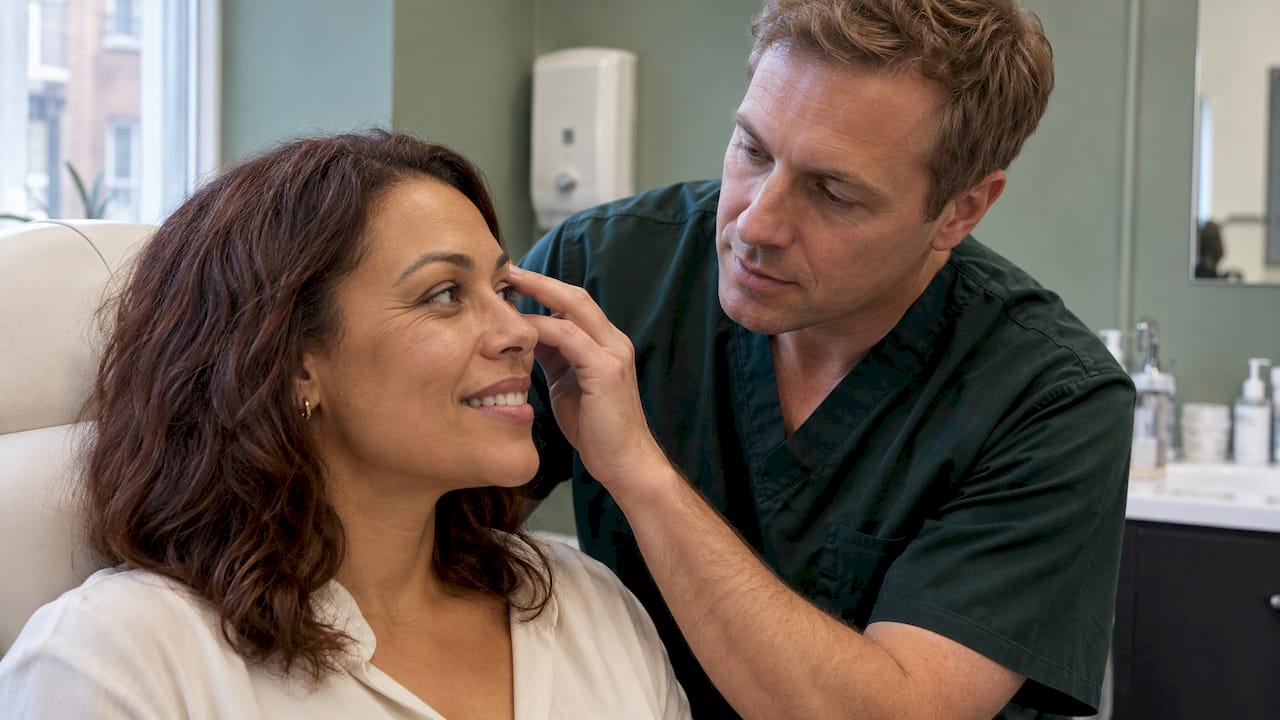
This is why a consultation should come before a treatment plan. Treating every dark mark with the same peel, device or active ingredient can lead to disappointment and, in some cases, irritation that creates further pigmentation. A medically led assessment considers your skin tone, sensitivity, lifestyle, medical history, current skincare and previous treatments before recommending a suitable route forward.
Hyperpigmentation treatment results: realistic timelines
Most patients first notice subtle changes rather than a sudden transformation. Skin may look brighter, smoother and more even before individual patches visibly fade. With appropriate daily skincare and diligent sun protection, early improvement may be seen within four to eight weeks. More established pigmentation commonly requires a course of treatment over several months.
The timeline depends on the type of pigmentation and the treatment selected. Superficial post-acne marks can improve steadily once active breakouts and inflammation are under control. Sun-related pigmentation may respond well to carefully selected skin treatments, but new exposure can quickly undermine progress. Melasma requires particularly thoughtful maintenance because it is a chronic tendency rather than a concern that can always be permanently removed.
It is also normal for results to develop in stages. A professional treatment may encourage cell turnover or target pigment gradually, while tailored topical skincare supports the process between appointments. Reviewing the skin at planned intervals allows your practitioner to adjust intensity, timing or homecare rather than continuing with a protocol that is not delivering the right response.
The treatment approach should match the cause
A bespoke plan may combine clinical skincare with in-clinic treatments, but combination does not automatically mean more aggressive. The right plan is one that produces visible progress without compromising the skin barrier.
Clinical skincare and daily protection
For many patients, effective topical skincare is the foundation of pigmentation management. Depending on your needs, this may include ingredients that support cell turnover, regulate melanin production, calm inflammation or strengthen the skin barrier. Prescription options may be considered where clinically appropriate.
Daily broad-spectrum SPF is non-negotiable. UV exposure can deepen existing pigmentation and trigger new patches, including on overcast days and during a London commute. For patients prone to melasma or post-inflammatory hyperpigmentation, visible light may also be relevant, so your practitioner may advise a tinted, high-protection formula suited to your complexion.
Professional peels and skin treatments
Carefully selected superficial peels can help improve dullness, uneven texture and certain forms of surface pigmentation. They work by promoting controlled exfoliation and can complement a consistent homecare routine. Treatment frequency, acid choice and strength should be decided according to skin sensitivity, the concern being addressed and how your skin has responded previously.
Microneedling and other collagen-inducing skin treatments may also form part of a plan for some patients, particularly where pigmentation exists alongside textural concerns such as acne scarring. They are not appropriate for every pigmentation concern at every stage, however. When inflammation is active or the skin barrier is impaired, a more restorative approach may be the safer first step.
Energy-based treatments
Certain laser and light-based treatments can be effective for clearly defined sun spots and selected pigmentation concerns. Yet they require precision. The wrong device, setting or timing can worsen pigmentation, particularly in deeper skin tones or in skin with a history of post-inflammatory pigmentation.
This is not a treatment category to choose on a promotion alone. A considered assessment, appropriate pre-treatment preparation and post-treatment care are central to both safety and results. In some cases, energy-based treatment is not the first or best choice – and a practitioner should be comfortable saying so.
What can affect your result
Pigmentation treatment is a partnership between clinic and patient. Your treatment plan can be expertly designed, but consistency at home often determines how well results hold.
Sun exposure is the most obvious factor, but it is not the only one. Picking spots, over-exfoliating, using too many active products at once, waxing irritated skin and starting a new treatment too soon can all trigger inflammation. For some people, hormonal fluctuations, certain medication or an underlying skin condition may also influence progress.
Skin of colour deserves particularly individualised care. Richer skin tones can be more prone to post-inflammatory hyperpigmentation, meaning that even a small amount of irritation can leave a lasting mark. This does not mean treatments are off limits. It means treatment selection, preparation and aftercare need to be more considered, with progress monitored closely.
How to protect results between appointments
A measured routine is usually more effective than an overcrowded bathroom shelf. Cleanse gently, use the products recommended for your skin and introduce active ingredients only as advised. If your skin stings, flakes excessively or becomes increasingly red, do not assume it is a sign that a product is working. It may be a sign that your barrier needs support.
Apply SPF every morning and reapply when you are outside for extended periods. Avoid deliberate tanning, including sunbeds. If you are prone to pigmentation, wear a hat during holidays and be mindful of heat exposure where melasma is a concern.
After in-clinic treatment, follow your aftercare precisely. This may mean pausing retinoids, acids, exfoliating scrubs or active skincare for a specified period. It can feel tempting to accelerate the process, but calm, well-supported skin is less likely to develop rebound pigmentation.
What a high-quality consultation should provide
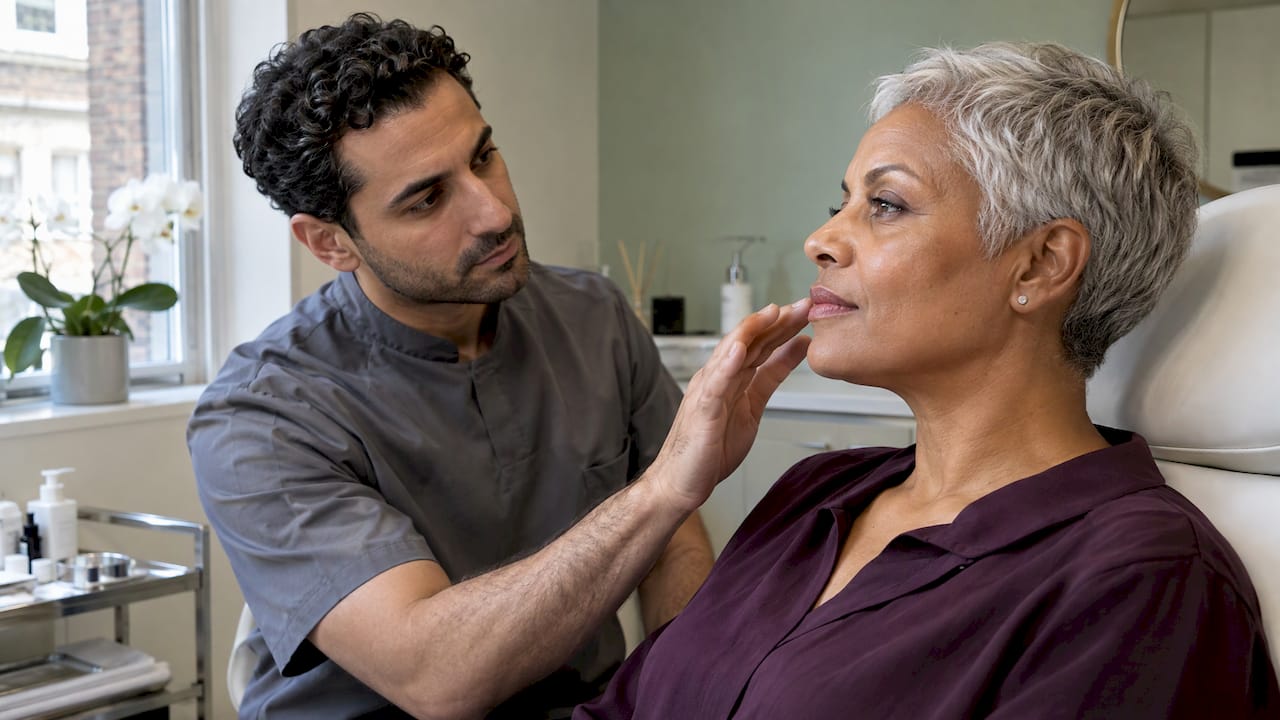
A premium pigmentation consultation should give you clarity, not pressure. You should understand what type of pigmentation may be affecting your skin, which treatments are suitable, what improvement is realistically achievable and how long the process may take.
At The Aesthetics Room, treatment planning can be informed by the clinic’s 7 Pillar Skin Optimisation Protocol, with recommendations tailored around your skin health, lifestyle and aesthetic priorities. The focus is on gradual, natural-looking improvement and a plan you can realistically maintain, rather than a one-size-fits-all treatment menu.
Photographs taken in consistent lighting can be helpful for tracking progress. Pigmentation often fades so gradually that patients do not notice the improvement day to day, while comparison images reveal changes in clarity and evenness over time. Your practitioner should also explain when to review, when to modify the plan and when a referral or further medical assessment may be appropriate.
The most satisfying results are often those that look understated: fewer distracting marks, a more balanced tone and the confidence to wear less make-up if you choose. Give your skin the patience, protection and professional guidance it needs, and improvement becomes a carefully managed process rather than a gamble.