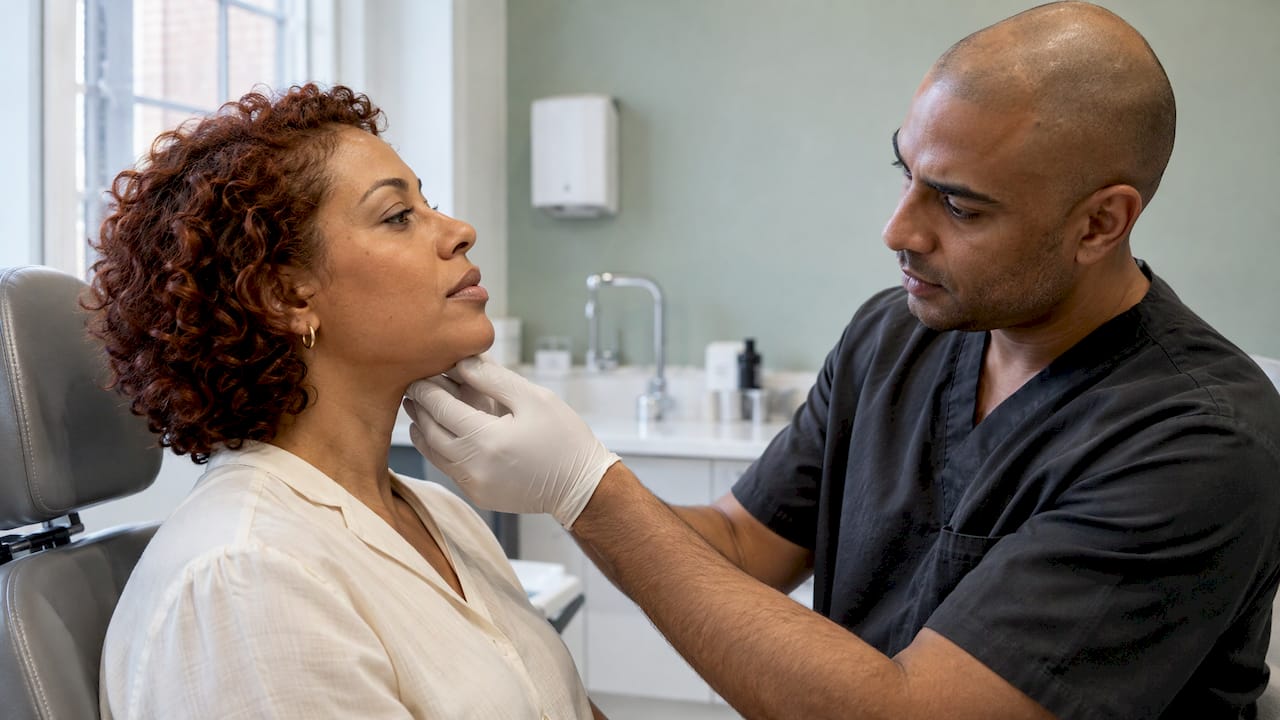


Swelling can be an expected part of recovery after an aesthetic procedure, but it can still feel unsettling when you have an event, meeting or weekend plans ahead. Knowing how to reduce post treatment swelling starts with understanding what is normal for your procedure, following your practitioner’s aftercare precisely and resisting the temptation to do too much too soon.
The right approach is never one-size-fits-all. A small amount of swelling after dermal filler, skin treatments, fat dissolving or certain injectable treatments may be part of the body’s natural inflammatory response. The amount, location and duration can vary according to the treatment area, your individual anatomy and how your body heals. Your practitioner’s advice should always take priority over general guidance.
Why swelling happens after aesthetic treatment
Swelling occurs when blood flow and fluid move into the treated area as the body begins its repair process. With injectable treatments, there may also be a little localised trauma from the needle or cannula. Areas with thinner skin or more movement, such as the lips and under-eyes, can appear more noticeably swollen than others.
For many treatments, swelling is mild and settles over several days. Lip filler can look particularly full at first, while treatment around the cheeks, jawline or tear trough may settle more gradually. Following skin treatments, redness, warmth and puffiness can accompany the early stages of skin renewal. Body treatments, including fat dissolving, can produce a more pronounced and longer-lasting inflammatory response because this is part of how the treatment works.
This is why a bespoke consultation matters. An experienced practitioner can advise what recovery is likely to look like for your selected treatment and schedule it thoughtfully around important dates.
How to reduce post treatment swelling without disrupting results
The most effective aftercare is usually calm, consistent and uncomplicated. Give the area time to settle and avoid anything that raises circulation, heat or pressure unnecessarily during the early recovery period.
Use a cool compress carefully
A clean, cool compress may help ease discomfort and limit swelling after many injectable procedures. It should feel cool rather than painfully cold, and it should never be applied directly from the freezer to the skin. Wrap it in a clean cloth and rest it gently against the area for brief intervals.
Do not press firmly, particularly after dermal filler, and do not use a compress if your practitioner has advised against it. Excessive pressure, massage or manipulation can be unhelpful in some treated areas.
Keep your head elevated
Sleeping with your head slightly raised on an extra pillow for the first night or two can reduce morning puffiness, especially after facial injectable treatment. Try to avoid sleeping face-down or placing prolonged pressure on the treated area.
This small adjustment is often more useful than repeatedly checking the area in the mirror. Swelling can fluctuate through the day, and early changes are not a reliable indication of the final result.
Avoid heat, intense exercise and alcohol initially
For the period specified in your aftercare plan, avoid strenuous exercise, saunas, steam rooms, very hot baths and prolonged sun exposure. These can increase blood flow and make swelling, redness or bruising more apparent. Alcohol may have a similar effect and can contribute to dehydration, so it is usually best avoided during the immediate recovery period.
The exact timeframe depends on the treatment. A patient recovering from a light skin treatment may have different guidance from someone who has had lip filler or fat dissolving injections. Follow the timeframe given to you rather than relying on a friend’s experience or social media advice.
Hydrate, eat well and give your body space to recover
Drinking water regularly, eating balanced meals and prioritising sleep support your general recovery. There is no need for extreme detoxes, restrictive diets or unverified supplements. In fact, introducing new supplements or remedies immediately after a procedure can make it harder to identify the cause of a reaction.
If you take prescribed medication or have a medical condition, do not stop or alter treatment without speaking to the clinician responsible for your care. Before your appointment, tell your aesthetic practitioner about medications, supplements and any relevant health history so your plan can be tailored safely.
Leave massage and skincare to your practitioner’s instructions
Some treatments may involve specific aftercare techniques, while others require a completely hands-off approach. Do not massage filler, use facial tools, book a facial or apply active skincare simply because swelling is bothering you. Retinol, exfoliating acids, strong vitamin C products and abrasive cleansing devices may be unsuitable while the skin is recovering from certain procedures.
Your aftercare advice should be clear about when you can return to your usual skincare, make-up and exercise routine. If it is not, ask. Good aftercare is part of a high-standard aesthetic service, not an afterthought.
What not to do when swelling feels frustrating
The urge to fix swelling quickly can lead to choices that prolong recovery. Avoid taking anti-inflammatory medication, antihistamines or other over-the-counter products solely for post-treatment swelling unless your practitioner or another appropriate healthcare professional has confirmed they are suitable for you. Medication advice depends on your medical history and the procedure performed.
It is also wise to avoid comparison photographs taken hour by hour. Freshly treated tissue can change noticeably during the first 24 to 72 hours. In the case of dermal filler, the appearance immediately after treatment is not the finished result. Allow the advised settling period before judging symmetry, volume or contour.
Do not attempt to drain, squeeze or puncture any swollen area. Equally, do not arrange corrective treatment elsewhere while the tissue is still healing. Contact the practitioner who carried out your procedure first, as they understand the product, technique and treatment plan used.
When is post-treatment swelling normal?
Normal swelling is generally mild to moderate, localised to the treatment area and gradually improving. It may be accompanied by tenderness, slight redness or bruising, depending on the procedure. Swelling can be more visible the morning after treatment and may not subside in a perfectly linear way.
For facial fillers, minor unevenness early on can result from swelling rather than the filler itself. For skin treatments, temporary redness and sensitivity can be anticipated. For fat dissolving procedures, swelling may be more substantial and can last longer than it would after a straightforward injectable appointment. Your treatment-specific aftercare will set out the expected timeline.
If you have an important occasion, allow generous recovery time. Booking aesthetic treatment the day before a wedding, photoshoot or overseas flight creates unnecessary pressure, even when the procedure has been performed expertly. A considered treatment plan protects both your comfort and your results.
Signs you should contact your practitioner promptly
Most swelling settles without complication, but certain symptoms need urgent clinical assessment. Contact your practitioner immediately if you experience worsening or severe pain, marked blanching or unusual colour changes in the skin, increasing heat and redness, blisters, discharge, fever, a spreading rash, visual disturbance or swelling that is rapidly escalating.
Difficulty breathing, swallowing, chest tightness, faintness or swelling of the tongue or throat require emergency medical attention. Do not wait for an online reply if you feel acutely unwell.
A medically led clinic should provide clear routes for aftercare support and take concerns seriously. At The Aesthetics Room, treatment planning is centred on patient wellbeing, natural-looking outcomes and the reassurance of knowing when to seek advice.
Plan for recovery, not just the appointment
The best way to manage swelling is to build recovery into your diary before treatment begins. Choose a date that allows space for settling, attend your consultation with a full picture of your health and lifestyle, and be honest about upcoming travel or social commitments. This enables your practitioner to recommend the most appropriate treatment and timing.
Aesthetic care should feel considered rather than rushed. When swelling is expected, monitored and supported with the right aftercare, it becomes a short part of the journey towards a refreshed, confident result.