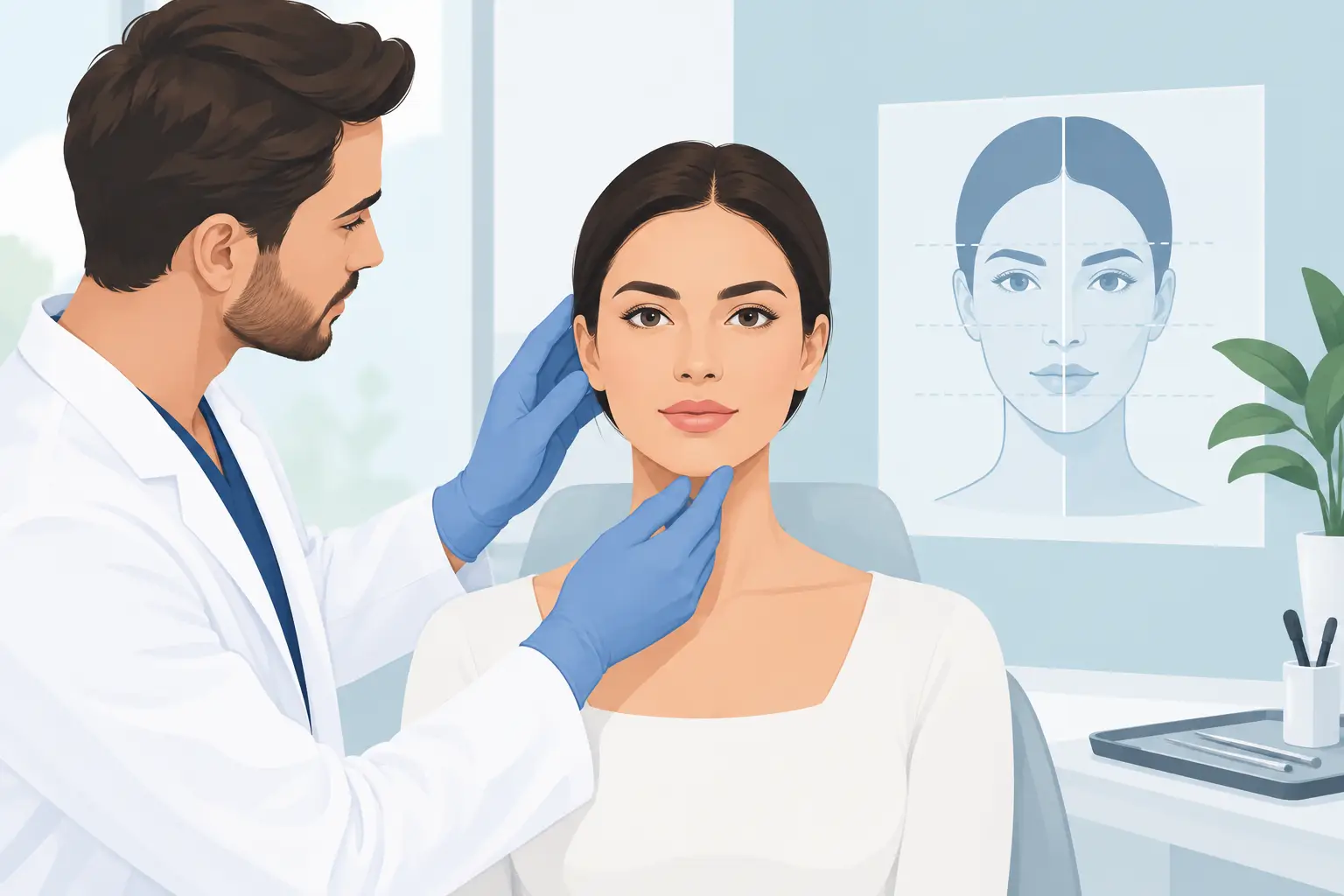
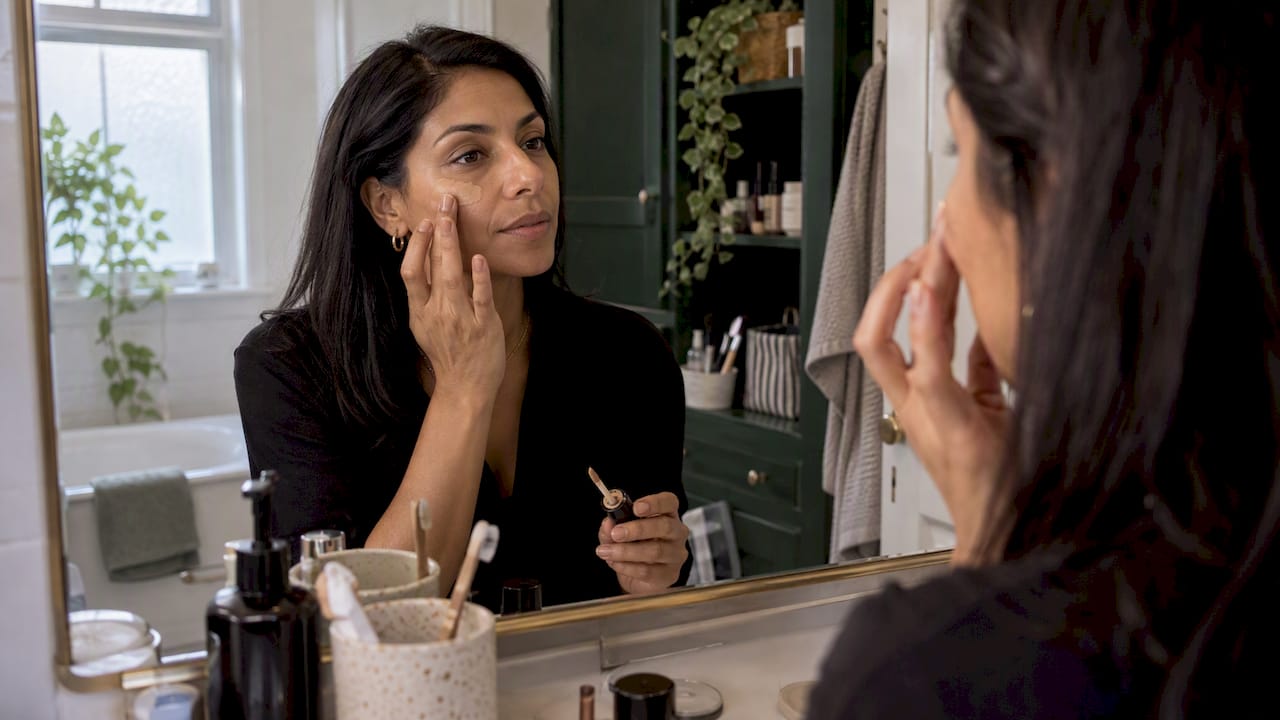

The short answer is that it depends on the treatment and on your practitioner’s instructions. For Botox, NHS guidance gives a wait of a few hours. For dermal fillers, some clinical sources say makeup can go on before you leave the clinic, while infection-control specialists favour a longer, cautious gap. This guide explains why the advice differs, how to apply makeup without harming your result, and which symptoms mean you should call a clinician instead of reaching for concealer.
TL;DR
- Botox: NHS Lothian advises waiting 4 to 6 hours before applying makeup. Do not rub or massage the treated muscles.
- Fillers: the American Academy of Dermatology says makeup is possible before you leave the office, but you should avoid touching the area for three days. A longer makeup-free interval is the more cautious route.
- Why the gap exists: injection points are tiny open wounds, and cosmetics are not sterile.
- Application: use clean hands, clean brushes and light pressure, and dab rather than rub.
- Red flags: increasing pain, visual changes or skin that turns dusky are never a makeup problem. Contact your injector or urgent care immediately.
Table of Contents
- Makeup after treatment: a quick timeline
- When can you wear makeup after Botox?
- When can you wear makeup after dermal fillers?
- Why waiting matters
- How to apply makeup safely after treatment
- What to avoid for the first days
- Makeup after other aesthetic treatments
- Normal reactions and warning signs
- Our view on makeup after treatment
- Planning treatment around an event
- FAQ
- Sources
Makeup after treatment: a quick timeline
The table below pulls together what the sources in this article say. Your own practitioner’s written aftercare always overrides it, because the product, dose and injection sites all matter.
| Treatment | Guidance on makeup | Other points from the sources |
|---|---|---|
| Botox (botulinum toxin) | 4 to 6 hours in NHS Lothian guidance | No rubbing or massage for 24 to 72 hours; avoid strenuous activity for at least 24 hours |
| Dermal fillers | Possible before leaving the office (AAD); a cautious interval of at least 12 hours is also recommended | Avoid touching the area for three days; avoid massaging and sleeping face-down for one week |
| Polynucleotides and skin boosters | Follow your practitioner’s instruction | Avoid exfoliating, peels and retinol until told it is safe |
| Peels, micro-needling, PRP | Practitioner-specific, as the skin barrier is deliberately disrupted | Ask before booking, not after |
When can you wear makeup after Botox?
For anti-wrinkle injections, the clearest UK guidance comes from the NHS. NHS Lothian advises waiting 4 to 6 hours after Botox before applying makeup. Many clinics ask for a slightly longer gap, and some say the evening is fine. If your clinic has given you a number, follow that number.
The bigger risk with Botox is not the makeup itself but how you put it on. The toxin needs to settle where it was placed. University Hospitals of Leicester advises avoiding massage or rubbing of Botox-treated areas for up to 48 hours, because movement may reduce the effectiveness of the treatment. Lancashire Teaching Hospitals NHS guidance goes further: avoid strenuous activity for at least 24 hours, do not rub or massage treated areas for 24 to 72 hours, keep your head elevated and avoid lying down for at least four hours, and avoid alcohol and heat for 24 hours.
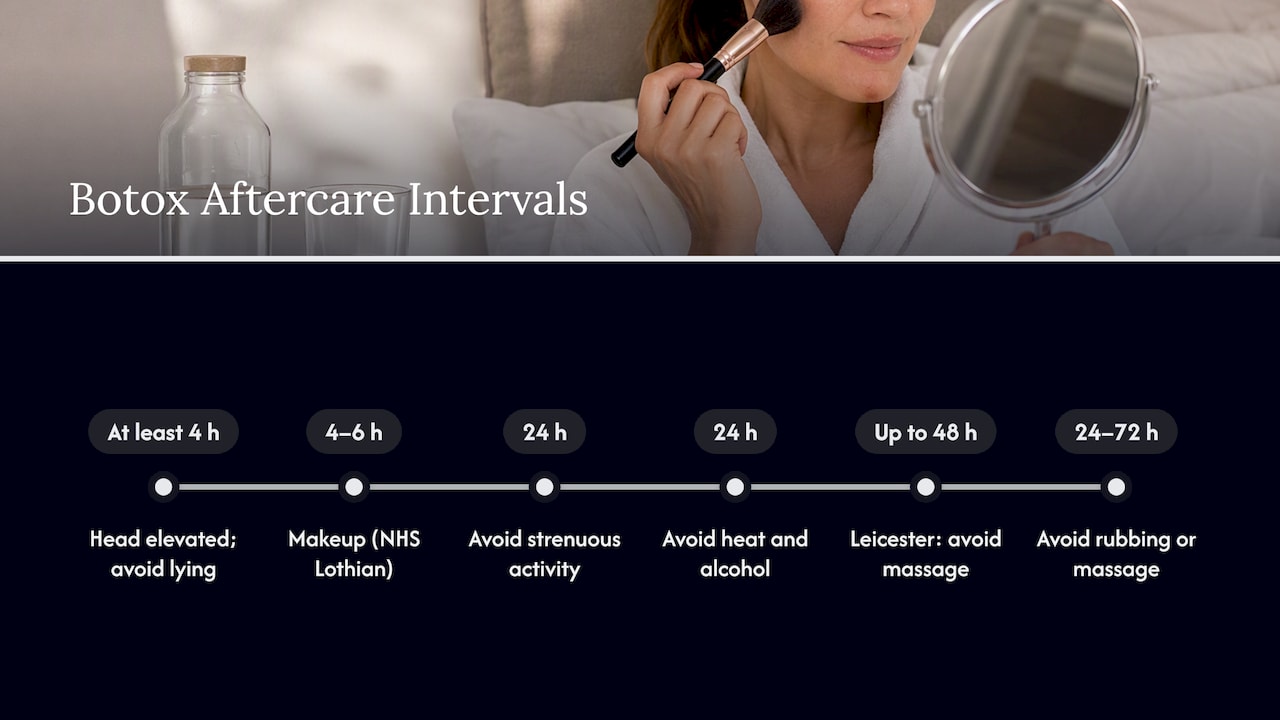
In practice that means a first-day makeup routine should be light and quick. Skip the facial massage tools, the vigorous blending and the heavy foundation brush work around the forehead, brows and eyes, which are the usual Botox sites.
Botox and the forehead, frown lines and crow’s feet
These are the areas most people want to conceal if there is a small bump or a pinprick mark. Tiny raised areas at injection points usually settle quickly, but pressing to flatten them is exactly what to avoid. If you need to cover a mark, a small amount of concealer, tapped on lightly once your waiting period has passed, is enough.
If you are planning treatment ahead of an event, book with enough margin that any mark has time to fade. Our Botox maintenance schedule guide explains how to time top-ups so you are not rushing a session the day before something important.
When can you wear makeup after dermal fillers?
Here the sources genuinely differ, and it is worth understanding why rather than picking the answer you prefer.
The American Academy of Dermatology says that patients should be able to apply makeup before leaving the office after filler treatment, while avoiding touching the treated area for three days unless specifically instructed otherwise. That reflects how fillers are often delivered in a US clinic setting: the skin is cleaned, the injection is made, and the area is not heavily disturbed.
A more conservative view comes from infection-prevention specialists. A published guideline on preventing and managing complications of aesthetic procedures explains that avoiding makeup for at least 12 hours is prudent, because cosmetics may not be clean or sterile and can introduce microbes, irritants or particles into fresh injection points.
So which should you follow? The honest answer is that neither is wrong, and your injector’s instructions are the tie-breaker. If you want to be careful, waiting until the next day for foundation and concealer costs you very little and removes one avoidable risk. If you must cover up on the day, use a mineral or clean, freshly opened product and a clean applicator, and keep it away from the puncture points.
How long redness and swelling last
The AAD says filler-related redness, swelling, tenderness and occasional bruising generally clear within 7 to 14 days or sooner. Swelling around thin-skinned areas is often more visible. Our tear trough filler recovery guide covers what swelling looks like under the eyes and how clinic aftercare helps, and our cheek filler before and after page shows how the mid-face looks as it settles.
Consensus recommendations from clinical practice also advise avoiding massaging or rubbing filler-treated areas and avoiding sleeping face-down for one week. They note that lumps or firmness can normally persist for up to four weeks. That matters for makeup: a lumpy-feeling area is not a reason to press or smooth it with a sponge.
Why waiting matters
Injecting creates tiny channels through the skin. They close fast, but not instantly. During that window, anything on the surface can travel in.
There are three things to keep in mind:
- Cosmetics are not sterile. Foundation pumps, pots, sponges and brushes carry bacteria, especially if they are old or shared. The infection-prevention guideline above is specific that cosmetics should not be assumed clean or sterile.
- Pressure moves product. Rubbing foundation in is a form of massage. For Botox and fillers alike, massage in the first days is discouraged.
- Makeup hides information. A bruise or blanched patch covered with concealer is a bruise or blanched patch nobody is watching. We would always rather you saw it.
How to apply makeup safely after treatment
Once your practitioner’s waiting period has passed, the routine below keeps risk low.
- Wash your hands with soap and water before you touch your face.
- Cleanse gently. ACE UK’s aftercare leaflet advises a mild cleanser and no scrubbing or exfoliating, and it asks you not to touch or massage the area unless instructed.
- Use clean tools. Wash brushes and sponges beforehand, or use fresh disposable ones. Do not reuse a sponge that has been sitting in a make-up bag.
- Choose light textures. A tinted moisturiser, a skin tint or a light-coverage foundation is easier on skin that is slightly swollen or tender than a full-coverage formula.
- Dab, never drag. Use a patting motion with fingertips or a clean sponge. Do not press hard over injection points.
- Keep it minimal over marks. Conceal a bruise with a very thin layer of a colour-correcting product. A thick layer draws the eye and is harder to remove.
- Remove gently in the evening. Use a mild cleanser or micellar water on a soft pad. No rubbing, no cleansing tools.
Colour and product choices that help
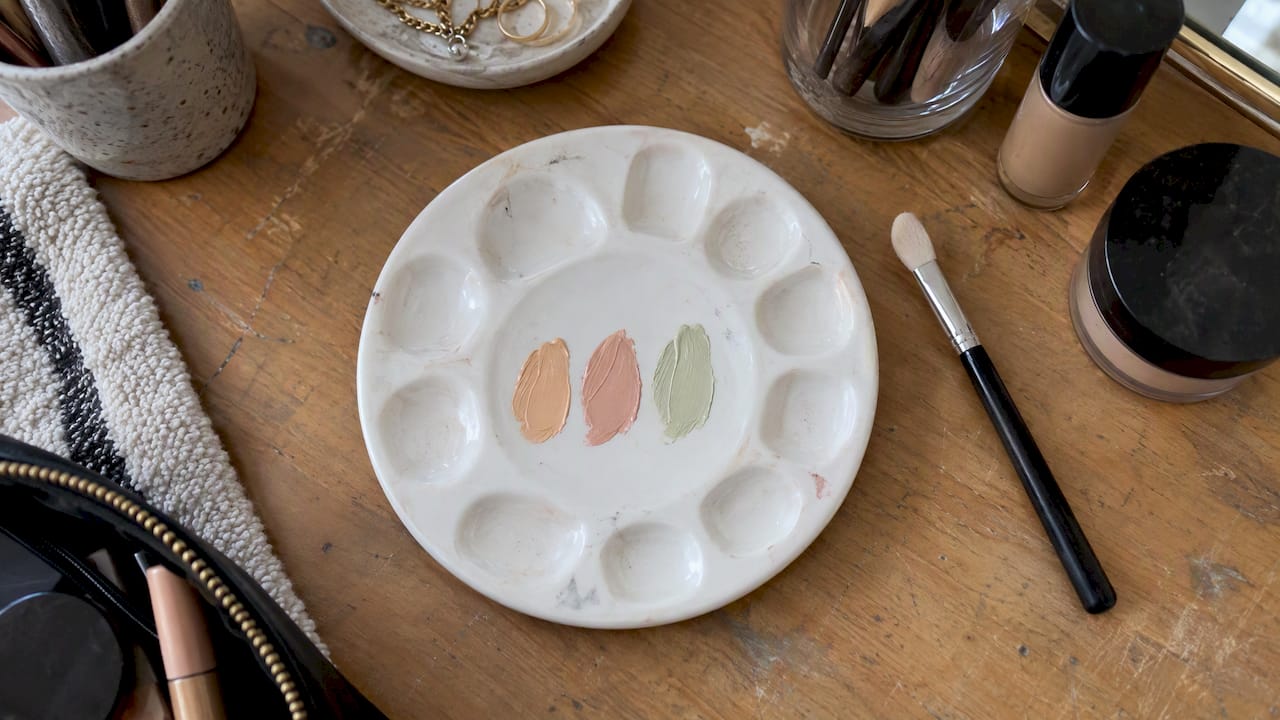
These are practical makeup tips, not medical claims. Peach or salmon-toned correctors tend to neutralise blue-purple bruising, and a green-toned corrector can tone down redness. Avoid anything with a strong fragrance or exfoliating particles near treated skin, and avoid powder with large glitter or shimmer particles, which can sit in any scabbing or puncture marks. If you are unsure, ask your practitioner to recommend a tint they are happy for you to use.
What to avoid for the first days
Makeup is only part of the aftercare picture. ACE UK’s guidance says to avoid touching or massaging the area, scrubbing or exfoliating, intense exercise, saunas, steam rooms, hot baths, facials, massages, chemical peels and harsh skincare such as retinol, exfoliants or acids until your practitioner says they are safe.
That list has a few knock-on effects for makeup:
- Skip makeup brushes with vibrating or cleansing heads. They are a form of massage.
- Avoid makeup with active skincare ingredients (acids, retinoids) for now, even if sold as “skin-loving” foundation.
- Avoid heavy sweating in makeup. A gym session in full foundation combines exercise, heat and product on the skin, which is three things you were told to avoid.
- Think about alcohol at the event. If you are planning a celebration, our guide on alcohol after fillers explains how long to wait and why.
Makeup after other aesthetic treatments
Botox and fillers are the most searched, but the same logic runs through the rest of an aesthetic menu. The difference is how much the skin barrier is deliberately disrupted.
Skin boosters and polynucleotides
These are injected into the skin rather than placed in a deeper layer, and they leave a pattern of small bumps that settle over a day or two. The ACE UK leaflet above is the guidance we point to for aftercare, and the principle is the same: gentle cleansing, no massage, no actives until cleared. If you are choosing between them, our comparison of polynucleotides and skin boosters sets out what each does.
Peels, micro-needling and PRP
These treatments are meant to stimulate the skin through controlled damage, so the skin is more reactive than after a simple injection. The honest guidance is that makeup timing here varies by depth, strength and your skin, and a mild peel is a very different proposition from a medium or deep one. Do not apply makeup on a guess. Ask your practitioner at the consultation, and get the answer in writing so you are not working it out on the day.
Fat dissolving, lymphatic drainage and swelling
After treatments that cause swelling, the question is less about makeup and more about how to settle the area. Read our guide on whether lymphatic drainage reduces swelling after treatment, and check the contraindications first, as massage is not suitable for everyone and is not something to start in the first days after injectables without your practitioner’s go-ahead.
Normal reactions and warning signs
A little redness, a bump or a small bruise is common. A serious complication is rare, but it is never something to cover up.
What is usually expected
For Botox, Queen Victoria Hospital NHS guidance says side effects usually develop within a few days and may last up to two weeks. Common effects include headache, eyelid droop, redness, local muscle weakness, facial pain, bruising and swelling at the injection site. Hull University Teaching Hospitals NHS Trust says headache or flu-like symptoms usually disappear within a few days.
For fillers, the FDA lists common reactions as bruising, redness, swelling, pain, tenderness, itching and rash.
When to call your clinician or seek urgent help
- After Botox: Hull University Teaching Hospitals says urgent medical advice is required for swallowing, speaking or breathing problems, and Leicester’s guidance says blurred vision or breathing difficulties need urgent medical help.
- After fillers: the consensus recommendations say increasing pain, visual disturbance, worsening bruise-like changes within 24 hours, or pustules or blisters in the first three days need prompt assessment rather than reassurance. The authors stress that these symptoms may indicate a serious complication, so contact an appropriately prepared injector immediately rather than covering the area with makeup.
- Vascular occlusion: the FDA warns that accidental injection into a blood vessel can cause skin necrosis, stroke or blindness, although the chance is low. ACE UK’s vascular occlusion guidance identifies it as a serious complication associated with cosmetic injections and supports urgent escalation when concerning vascular symptoms occur.
If you cannot reach your injector, use NHS 111, or call 999 or go to A&E for sudden vision changes, breathing difficulty or severe pain.
Our view on makeup after treatment
We see the same pattern again and again: a client has a dinner or a photo shoot in the diary, books a treatment two days before, and then asks how to cover whatever appears. We would much rather help you plan than help you conceal.
Our approach is simple:
- Plan the timing. For anything with a fixed date, we suggest booking well ahead so there is room for swelling or bruising to settle. Our guide to London aesthetic consultations explains what to raise at that first appointment, including your calendar.
- Give written aftercare. Makeup timing differs between a toxin, a filler and a skin treatment, so you should leave with instructions for your treatment, not a generic leaflet.
- Use our medical background. We are CQC-registered and members of the ACE Group, which is dedicated to patient safety, and every treatment is performed by a medically trained professional. That is why we are happy to tell you to wait, or to call us if something looks wrong.
- Never treat makeup as a fix. If a mark worries you, we want to see it. Covering it is the last thing we would suggest.
Natural results come from good planning, conservative dosing and sensible aftercare. Foundation should be the finishing touch, not a rescue plan.
— Vishul
Planning treatment around an event
If you want to look your best on a certain date, work backwards. Allow the settling time the sources describe: up to two weeks for Botox side effects to resolve, and 7 to 14 days for filler redness and swelling to clear. Then add a margin for the unexpected.
At The Aesthetics Room, anti-wrinkle treatment is priced from £200 to £358, lip filler from £215 to £300, and tear trough filler is £360, as published on our price list. Our Harley Street filler cost guide explains what drives those differences. We offer in-person and virtual consultations, so you can talk through timing and aftercare before you commit, and you can book through our website. We treat clients from our clinics in Knightsbridge, Harley Street and Mayfair.
FAQ
Can I wear makeup after Botox the same day?
Often yes, once the waiting period has passed. NHS Lothian advises 4 to 6 hours, though your clinic may ask for longer. Apply it gently with clean tools, and do not rub or massage the treated muscles.
Can I wear makeup after fillers?
The AAD says patients should be able to apply makeup before leaving the office, while infection-prevention authors consider at least 12 hours a prudent makeup-free interval. Following your injector’s advice is the safest route. Whichever you choose, avoid pressing on the area and avoid touching it for three days.
How do I cover a bruise after injectables?
Wait for your practitioner’s waiting period, then dab a thin layer of colour-correcting concealer using a clean fingertip or sponge, without pressing. Bruising from fillers generally clears within 7 to 14 days. If a bruise is worsening in the first 24 hours or is painful, contact your injector instead of covering it.
Is it okay to apply makeup straight after a peel or micro-needling?
Not without checking first. These treatments deliberately disrupt the skin, and the right timing depends on the depth and your skin type. Ask your practitioner for specific instructions at the consultation.
Can I sleep in my makeup after treatment?
It is best not to. Cleanse gently in the evening with a mild cleanser and no scrubbing. After fillers, the consensus guidance also advises avoiding sleeping face-down for one week.
Sources
- NHS Lothian: Oral and Maxillofacial Botox post-treatment care instructions
- American Academy of Dermatology: Fillers FAQs
- Guideline for the prevention, diagnosis and management of aesthetic complications (PMC)
- ACE UK: Polynucleotides aftercare leaflet
- Lancashire Teaching Hospitals NHS: Botulinum toxin A injections in the head and neck region
- University Hospitals of Leicester: Having botulinum toxin A in the facial muscles
- Facial aesthetic injections in clinical practice: consensus recommendations (PMC)
- Queen Victoria Hospital NHS: Treatment with botulinum toxin type A
- Hull University Teaching Hospitals NHS Trust: Treatment with botulinum toxin
- FDA: Dermal filler do’s and don’ts
- ACE UK: Management of a vascular occlusion associated with cosmetic injections