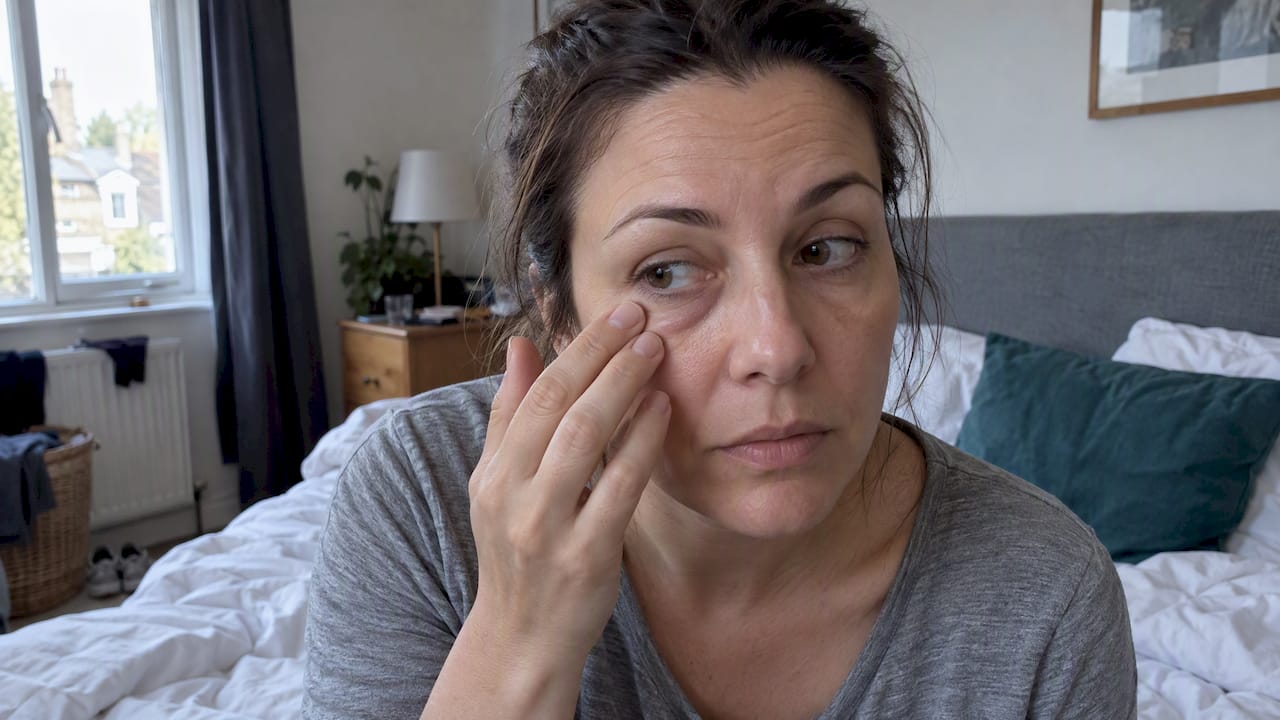


You usually notice facial volume loss in photographs before you notice it in the mirror. The face can start to look a little flatter through the cheeks, less defined around the temples, or slightly more tired around the mouth and under-eye area. If you are wondering how to restore facial volume naturally, the first step is understanding that volume loss is not only about ageing. It is influenced by skin quality, fat distribution, bone structure, muscle activity, hydration, sleep, stress and weight changes.
For some people, the change is subtle and gradual. For others, it follows a period of stress, rapid weight loss, hormonal shifts or intense exercise. The good news is that natural restoration is possible to a degree, particularly when the issue is early or linked to lifestyle. The more realistic view, however, is that natural methods tend to improve skin quality, support healthy tissue and soften the appearance of hollowing rather than fully replace lost structural volume.
Why facial volume changes over time
The face does not age in one layer. Skin becomes thinner, collagen and elastin decline, fat pads shift, and even the underlying bone remodels with time. This is why the face can begin to look less lifted or less rested even when the skin itself is still in reasonable condition.
Lifestyle can accelerate the process. Repeated sun exposure, smoking, poor sleep, high stress levels and restrictive dieting all affect the quality of the skin and soft tissue. In clinic, we also see volume loss in patients who are otherwise very healthy but have lost body fat through intense fitness goals or appetite-suppressing treatments. A leaner face is not always a younger-looking one.
How to restore facial volume naturally at home
Natural approaches work best when they are consistent and tailored to the real cause of the change. If your face looks drawn because you are dehydrated, overtrained and sleeping poorly, skin boosters in a jar will not solve it. Equally, if there is deeper age-related fat loss, skincare alone has limits.
Focus on stable, adequate nutrition
One of the most overlooked reasons for facial hollowing is under-fuelling. A very low-calorie diet, repeated detoxes or aggressive weight loss can reduce facial fat quickly, particularly in the cheeks and temples. If your face has become noticeably gaunt after slimming down, a more stable and sustainable nutrition plan may help restore some softness over time.
Protein matters because the body needs amino acids to maintain skin, muscle and tissue repair. Healthy fats are just as important. Omega-3 fats, olive oil, nuts, seeds and avocado support skin barrier function and overall tissue health. A diet rich in colourful vegetables, berries and other antioxidant foods may also help reduce oxidative stress, which contributes to collagen breakdown.
This does not mean trying to gain facial fullness by overeating. Weight gain tends to distribute unevenly and may not return volume exactly where you want it. The goal is balanced nourishment, not fluctuation.
Support collagen naturally
Collagen loss is a major part of facial ageing, and while no food or cream can stop it entirely, certain habits can help protect what you have. Vitamin C is essential for collagen synthesis, so a diet including citrus fruit, peppers, kiwi fruit and leafy greens is useful. Adequate protein intake supports the same process.
Topical skincare can also play a role. Daily SPF is one of the most effective anti-ageing steps available because UV exposure breaks down collagen over time. Retinoids, when used correctly, can support skin renewal and improve texture and firmness. Peptides and antioxidant serums may offer additional support, although results are usually modest and gradual.
Improve sleep and stress management
Poor sleep shows on the face quickly. It affects circulation, repair processes and inflammation, which can make the face appear more tired, flat or drawn. Chronic stress can also influence hormones and muscle tension, both of which affect how the face presents.
If someone is sleeping five hours a night, clenching their jaw and relying on caffeine to get through the day, facial volume is not the only issue. In those cases, improving recovery can make the face look fresher, calmer and less depleted. It is not an instant fix, but it is often part of a genuinely natural improvement.
Be careful with facial exercise trends
Facial yoga is often promoted as a way to lift and plump the face naturally. Some people enjoy it and feel it improves muscle tone or circulation. The evidence is limited, though, and results vary. Overworking certain facial muscles may even deepen expression lines in some individuals.
A gentler approach tends to be more sensible. Lymphatic massage, careful tension release around the jaw and forehead, and good posture can all improve how the face looks without forcing exaggerated repetitive movements. If your concern is puffiness rather than true volume loss, this can be particularly helpful.
Skin quality versus true volume loss
This distinction matters. Sometimes what looks like volume loss is actually dull, dehydrated or thinning skin. When skin quality improves, the face can appear smoother, brighter and subtly fuller even if deeper structure has not changed.
Hydration helps, but not in the simplistic sense of drinking endless water. The skin needs barrier support too. Using gentle cleansers, moisturisers with ingredients such as hyaluronic acid or ceramides, and avoiding over-exfoliation can all improve the appearance of plumpness.
If the cheeks, temples or under-eyes are genuinely hollow, natural methods may improve the overall look without replacing lost support. That is where realistic expectations become important.
When natural methods are enough and when they are not
If facial volume loss is mild, recent or linked to lifestyle factors, natural measures may make a visible difference over several months. This is especially true in younger patients or those whose main issue is skin quality and fatigue rather than structural ageing.
If the hollowing is more established, particularly around the mid-face, temples or lower face, natural strategies are often supportive rather than corrective. They can help you maintain healthier skin and a more rested appearance, but they will not rebuild facial architecture on their own.
That is not a failure of the approach. It is simply anatomy. A bespoke assessment is valuable because not every face needs the same answer. In a medically led setting, the goal should never be to add unnecessary treatment, but to work out whether the issue is dehydration, weight loss, collagen decline, tissue descent or a combination of factors.
A balanced approach to how to restore facial volume naturally
For patients who want the most natural-looking result, the best plan is often layered rather than extreme. That may mean improving nutrition, protecting collagen, addressing stress, refining skincare and then considering whether subtle professional support is warranted.
At a premium clinic level, a proper consultation looks at the whole face rather than chasing one hollow area in isolation. Volume loss in the cheeks may be linked to the temples, the under-eyes or the skin itself. Treating only one point rarely gives the most refined outcome.
This is also where safety matters. In London, there is no shortage of aesthetic providers, but facial assessment should be carried out with a clear understanding of anatomy, ageing patterns and proportion. Patients seeking natural results usually benefit most from conservative planning and honest advice, not a one-size-fits-all treatment menu.
Professional options that still look natural
Some patients ask for natural ways to restore volume because they want to avoid looking overfilled. That concern is valid. Done badly, volume replacement can look obvious. Done well, it should simply make the face look healthier, fresher and more like itself.
A consultation-led approach may include treatments that stimulate collagen, improve skin quality or replace volume in a measured way where it has genuinely been lost. The right choice depends on your anatomy, age, lifestyle and tolerance for downtime. There is a difference between looking treated and looking well, and the distinction usually comes down to restraint, technique and planning.
Even if you decide not to have aesthetic treatment, a professional assessment can still be useful. It helps clarify whether your concern is volume, laxity, skin quality or facial imbalance. That clarity often saves time and money on products or trends that were never likely to address the issue.
The face tends to respond best when it is supported, not forced. If you are trying to restore facial volume naturally, think in terms of nourishment, consistency and careful assessment rather than quick fixes. Small changes done properly can make a meaningful difference, and if you need more than lifestyle alone can offer, the most natural result is usually the one built on a bespoke plan.