

TL;DR:
- Body contouring procedures reduce stubborn fat, tone muscles, and tighten skin without surgery. They require multiple sessions and show gradual results over weeks, not immediate weight loss. Combining fat reduction, muscle toning, and skin tightening produces the best body shaping outcomes.
Body contouring options are medical aesthetic procedures designed to reduce localised fat, tone muscle, and tighten skin without invasive surgery. Known clinically as body sculpting, these treatments target stubborn fat pockets that resist diet and exercise, using technologies such as cryolipolysis, electromagnetic muscle stimulation, radiofrequency, and laser lipolysis. They are refinement tools, not weight-loss solutions. Most sessions last 30–60 minutes, require 2–4 treatments for optimal results, and carry minimal downtime. Visible changes typically emerge over 8–16 weeks as the body clears treated fat cells through natural metabolic processes.
1. What are the leading non-invasive fat reduction methods?
Non-invasive fat reduction works by destroying fat cells without cutting the skin. The three main technologies are cryolipolysis, laser lipolysis, and ultrasound cavitation, each using a different mechanism to disrupt and clear fat.
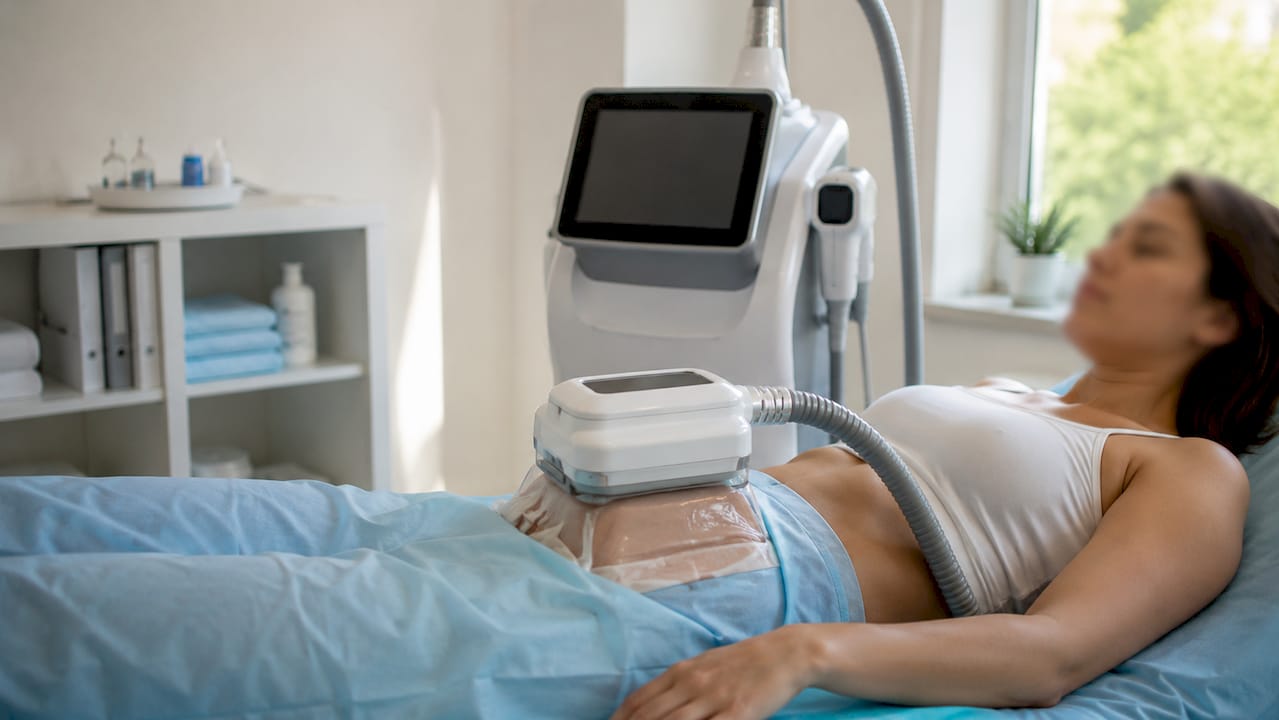
Cryolipolysis (fat freezing) is the most widely studied non-surgical fat reduction method. It cools fat cells to a temperature that triggers apoptosis (programmed cell death) without harming surrounding tissue. Cryolipolysis delivers 20–30% fat reduction per treated area, with results appearing over 8–12 weeks as the lymphatic system clears the debris. CoolSculpting is the best-known device in this category. Learn more about fat freezing for body shaping at Theaestheticsroom.
Laser lipolysis uses controlled heat to rupture fat cell membranes. Results are comparable to cryolipolysis in terms of fat volume reduction, typically in the 15–30% range per session. SculpSure is a widely used laser lipolysis platform.
Ultrasound cavitation delivers focused sound waves that create micro-bubbles inside fat cells, causing them to collapse. It suits smaller, superficial fat deposits and is often combined with radiofrequency for enhanced skin tightening.
Injection lipolysis (such as Kybella or deoxycholic acid injections) chemically dissolves fat cells. It is most effective for submental fat (the area under the chin) and requires multiple sessions spaced several weeks apart. Read a detailed breakdown of how fat-dissolving injections work before committing to a course.
| Method | Fat reduction | Session length | Sessions needed | Downtime |
|---|---|---|---|---|
| Cryolipolysis | 20–30% | 30–60 mins | 1–3 | Minimal |
| Laser lipolysis | 15–30% | 25–45 mins | 1–3 | Minimal |
| Ultrasound cavitation | 10–20% | 30–45 mins | 4–8 | None |
| Injection lipolysis | Variable | 15–30 mins | 2–4 | Mild swelling |
Pro Tip: Assess skin quality and fat volume before choosing a method. Thick, firm fat responds well to cryolipolysis; softer, more superficial fat often responds better to ultrasound or radiofrequency.
2. How do muscle toning technologies complement fat reduction?
Fat reduction alone does not build definition. Muscle toning treatments address the underlying structure, creating the firm, sculpted appearance that fat removal alone cannot achieve.
Electromagnetic muscle stimulation (EMT/HIFEM) uses high-intensity focused electromagnetic energy to trigger supramaximal muscle contractions. These are contractions far beyond what voluntary exercise can produce. EMT produces approximately 16% muscle hypertrophy and 19% fat reduction over a standard treatment course. EMSculpt and CoolTone are the two most established devices in this category. Explore the science behind building muscle and burning fat non-surgically.
Each session lasts around 30 minutes. Patients typically experience muscle soreness similar to an intense workout, but there is no recovery period. A standard course involves four sessions over two weeks.
- Suitable for the abdomen, buttocks, thighs, and arms
- Builds muscle while simultaneously reducing localised fat
- Results are visible within 2–4 weeks of completing the course
- Maintenance sessions every 3–6 months sustain results
Pro Tip: Layering muscle stimulation after an initial round of fat reduction produces better definition. Reducing the fat layer first allows the muscle toning results to show more clearly on the surface.
3. What role does skin tightening play in body contouring?
Skin tightening is the third pillar of effective body sculpting. Removing fat without addressing skin laxity can leave the treated area looking loose or dimpled, particularly in patients over 40 or those who have experienced significant weight fluctuation.
Radiofrequency (RF) and ultrasound-based devices stimulate collagen and elastin production by delivering controlled thermal energy to the dermis. Collagen remodelling is a gradual process. Patients typically see progressive firming over 3–6 months following treatment. TruSculpt iD is a radiofrequency platform that combines fat reduction with skin tightening in a single session. Read a full explanation of truSculpt for fat reduction to understand how RF technology works in practice.
For patients with more pronounced skin laxity, minimally invasive options such as Attiva deliver RF energy directly beneath the skin surface via a fine needle. This approach produces more significant tightening than surface-only devices.
- RF skin tightening: gradual collagen stimulation, no downtime, suits mild to moderate laxity
- Ultrasound tightening (e.g., Ultherapy): targets deeper tissue layers, stronger lift effect
- Minimally invasive RF (e.g., Attiva): more pronounced results for moderate to significant laxity
Patients with cellulite require treatments that address fibrous bands beneath the skin, not just fat volume. Differentiating fat reduction from skin tightening is clinically important. A combined protocol addressing fat, skin, and muscle layers consistently produces better outcomes than any single technology alone.
For a full overview of protocols, the skin tightening treatment guide at Theaestheticsroom covers current options in detail.
Pro Tip: Always evaluate skin quality during your initial consultation. Patients who expect fat reduction alone to resolve loose skin are the most likely to be dissatisfied with their results.
4. How to choose the right body contouring option for your goals
The right body shaping procedure depends on three factors: the nature of the concern (fat, muscle, or skin), the volume of tissue involved, and your proximity to a stable goal weight.
Ideal candidates for non-invasive body contouring have a BMI between 18 and 30 and are already close to their target weight. These treatments address localised bulges, not overall body weight. Significant weight gain after treatment reduces long-term results.
Ask yourself these questions before booking a consultation:
- Is my concern primarily excess fat, loose skin, or lack of muscle definition?
- Is the area localised (e.g., lower abdomen, flanks) or widespread?
- Am I at or near my stable goal weight?
- Do I have realistic expectations about gradual, not immediate, results?
- Am I prepared to commit to a course of 2–4 sessions?
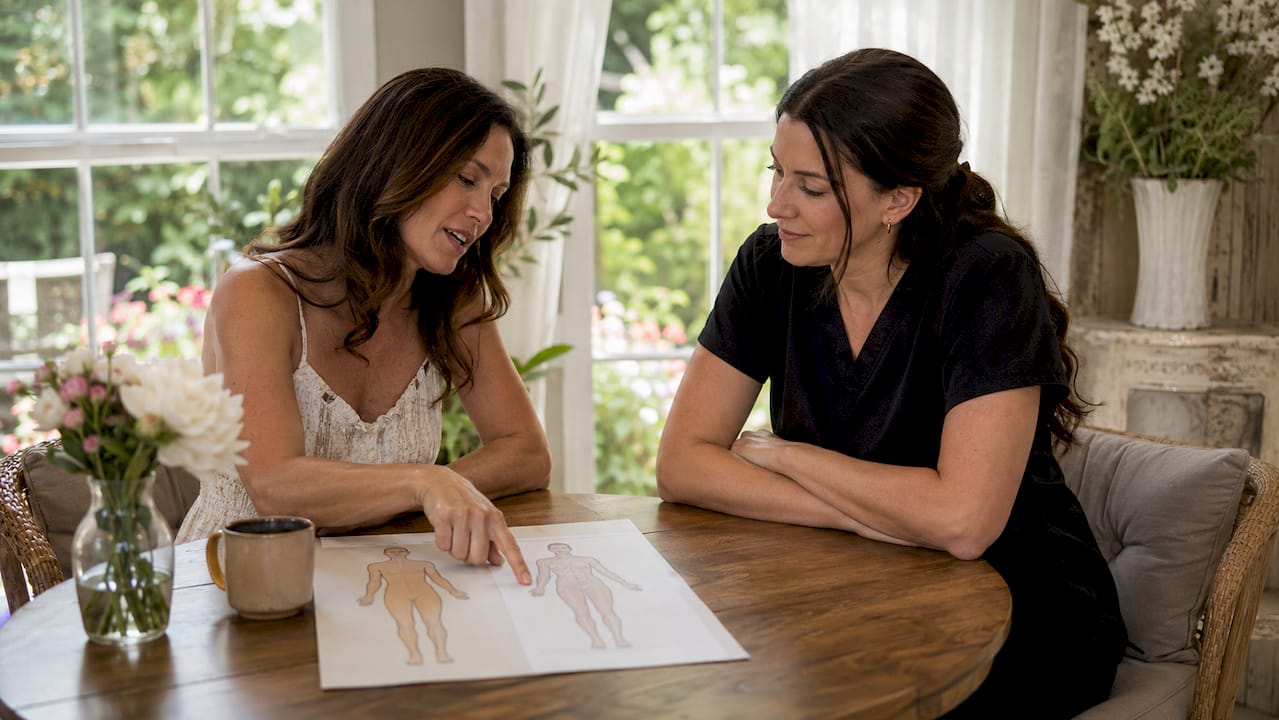
Consultations that evaluate lifestyle, medical history, and physical factors are the foundation of safe, effective treatment planning. A thorough assessment at a clinic like Theaestheticsroom includes a physical examination and a review of your health history to confirm suitability. Learn how the beauty consultation process works before your first appointment.
Pro Tip: Bring photographs of your concern areas to your consultation. Visual references help your practitioner identify whether fat volume, skin laxity, or muscle tone is the primary issue, which directly determines the treatment plan.
5. Surgical vs non-surgical body contouring: key differences
Surgical liposuction and non-surgical body contouring serve different needs. Understanding the distinction prevents mismatched expectations and poor outcomes.
Surgical liposuction achieves immediate, larger fat volume removal but involves general or local anaesthesia, a recovery period of 1–2 weeks, compression garments, and higher procedural risk. It suits patients with larger, well-defined fat deposits who want a significant visible change quickly.
Non-surgical methods suit smaller, localised fat with minimal downtime. Visible outcomes from non-surgical treatments typically emerge after 8–16 weeks as the body metabolises treated fat cells. The change is gradual and modest compared to liposuction.
| Factor | Surgical liposuction | Non-surgical contouring |
|---|---|---|
| Fat volume removed | Large | Small to moderate |
| Downtime | 1–2 weeks | Minimal to none |
| Results timeline | Immediate | 8–16 weeks |
| Risk level | Higher | Low |
| Cost | Higher | Lower per session |
| Skin tightening | Limited | Possible with RF |
- Non-surgical suits: small bulges, patients near goal weight, those avoiding surgery
- Surgical suits: larger deposits, patients wanting significant immediate change
- Both require: stable weight maintenance for lasting results
When fat deposits are large or when skin redundancy is significant, a board-certified plastic surgeon is the appropriate first referral. Non-surgical clinics should not attempt to substitute for surgical correction in these cases.
Key takeaways
The most effective body contouring approach combines targeted fat reduction, muscle toning, and skin tightening, selected according to individual tissue assessment and realistic outcome expectations.
| Point | Details |
|---|---|
| Body contouring is not weight loss | These treatments refine localised fat resistant to diet and exercise, not overall body weight. |
| Combining technologies produces better results | Layering cryolipolysis, EMT, and RF tightening addresses fat, muscle, and skin simultaneously. |
| Results take time | Non-surgical outcomes emerge over 8–16 weeks as the lymphatic system clears treated fat cells. |
| Ideal candidates have a BMI of 18–30 | Patients near their stable goal weight achieve the most consistent and lasting results. |
| Consultation determines the plan | A thorough assessment of fat, muscle, and skin laxity is the only reliable basis for treatment selection. |
My honest view on body contouring in 2026
The single biggest mistake I see is patients arriving at a clinic expecting body contouring to do the work that lifestyle change has not. Body contouring targets diet- and exercise-resistant fat pockets. It is a refinement tool. When that distinction is clear from the outset, satisfaction rates are high. When it is not, disappointment is almost guaranteed.
What I find genuinely exciting about the current generation of treatments is the combination approach. Layering cryolipolysis with EMT and radiofrequency addresses fat, muscle, and skin in a single protocol. The results from a well-designed combination course are meaningfully better than any single technology alone. That is not a marketing claim. It reflects how the body actually responds to layered tissue stimulation.
Patience is non-negotiable. Post-treatment fat clearance relies on lymphatic drainage and metabolic processes. Drinking plenty of water and staying active after sessions genuinely accelerates visible results. Patients who ignore this advice and then judge the treatment at four weeks are not giving the biology time to work.
My practical advice: go into your consultation with a clear sense of which tissue layer is your primary concern. Fat, skin, or muscle. A good practitioner will assess all three and design a protocol accordingly. One-size-fits-all treatment plans are a red flag.
— Vishul
Discover expert body contouring at Theaestheticsroom
Theaestheticsroom offers a full range of non-invasive and minimally invasive body shaping treatments at its Knightsbridge clinic, with additional locations on Harley Street and in Mayfair. Every treatment plan begins with a personalised consultation that evaluates your fat distribution, skin quality, and muscle tone before recommending a protocol.
Whether you are exploring fat reduction, muscle toning, or skin tightening, the team at Theaestheticsroom designs bespoke courses using the latest clinically validated technologies. The clinic holds CQC accreditation and is a member of the ACE Group, reflecting its commitment to patient safety. Explore the full range of fat dissolving treatments or book a consultation to discuss which body sculpting approach is right for you.
FAQ
What is body contouring?
Body contouring is a collective term for medical aesthetic procedures that reduce localised fat, tone muscle, and tighten skin. These treatments use technologies such as cryolipolysis, electromagnetic muscle stimulation, and radiofrequency to reshape specific areas of the body without surgery.
What is non-invasive body contouring?
Non-invasive body contouring refers to body shaping procedures that require no incisions, anaesthesia, or recovery time. Methods include fat freezing, laser lipolysis, ultrasound cavitation, and electromagnetic muscle stimulation, all of which work through the skin without breaking it.
How many sessions are needed for body contouring results?
Most non-surgical body contouring treatments require 2–4 sessions for optimal results, with each session lasting 30–60 minutes. Visible changes typically appear over 8–16 weeks as the body clears treated fat cells through the lymphatic system.
Is body contouring a substitute for weight loss?
Body contouring is not a weight-loss treatment. It targets stubborn, localised fat in patients who are already near their stable goal weight, typically with a BMI between 18 and 30. Significant weight gain after treatment reduces long-term results.
Can fat reduction, muscle toning, and skin tightening be combined?
Combining technologies that target fat, muscle, and skin simultaneously produces better overall results than a single treatment alone. A common protocol layers cryolipolysis for fat reduction, EMT for muscle toning, and radiofrequency for skin tightening across a structured course of sessions.