
A flawless treatment experience extends beyond the clinic—recovering at home with comfort and precision is just as vital for your skin’s transformation. Many London clients discover that establishing a calm, impeccably clean environment can be the difference between a smooth recovery or lingering setbacks. From the moment you return home, every detail matters in preserving your results and promoting a healthy, luminous complexion. Discover how luxury post-peel care supports every stage of your healing journey with unmatched personal attention.
Table of Contents
- Step 1: Prepare Your Environment For Optimal Recovery
- Step 2: Cleanse Skin Gently With Approved Products
- Step 3: Hydrate Regularly Using Recommended Moisturisers
- Step 4: Protect Your Skin From Sun And External Irritants
- Step 5: Verify Healing And Monitor For Abnormal Reactions
Quick Summary
| Key Point | Explanation |
|---|---|
| 1. Create a calming recovery space | Designate a clean, comfortable area with necessary items to minimise skin irritation during healing. |
| 2. Use gentle, approved cleansing products | Select mild, fragrance-free cleansers to maintain skin barrier integrity and avoid irritation during recovery. |
| 3. Maintain regular moisturisation | Apply a gentle, non-comedogenic moisturiser at least twice daily to enhance skin healing and prevent dryness. |
| 4. Protect skin from sun exposure | Use high-SPF sunscreen, wear protective clothing, and avoid direct sunlight to prevent damage to healing skin. |
| 5. Monitor healing and track reactions | Conduct daily assessments of your skin, noting any unusual changes to catch potential issues early. |
Step 1: Prepare your environment for optimal recovery
Creating a supportive healing space is crucial for your chemical peel recovery. Your home environment plays a significant role in ensuring smooth, comfortable healing after your advanced skincare treatment.
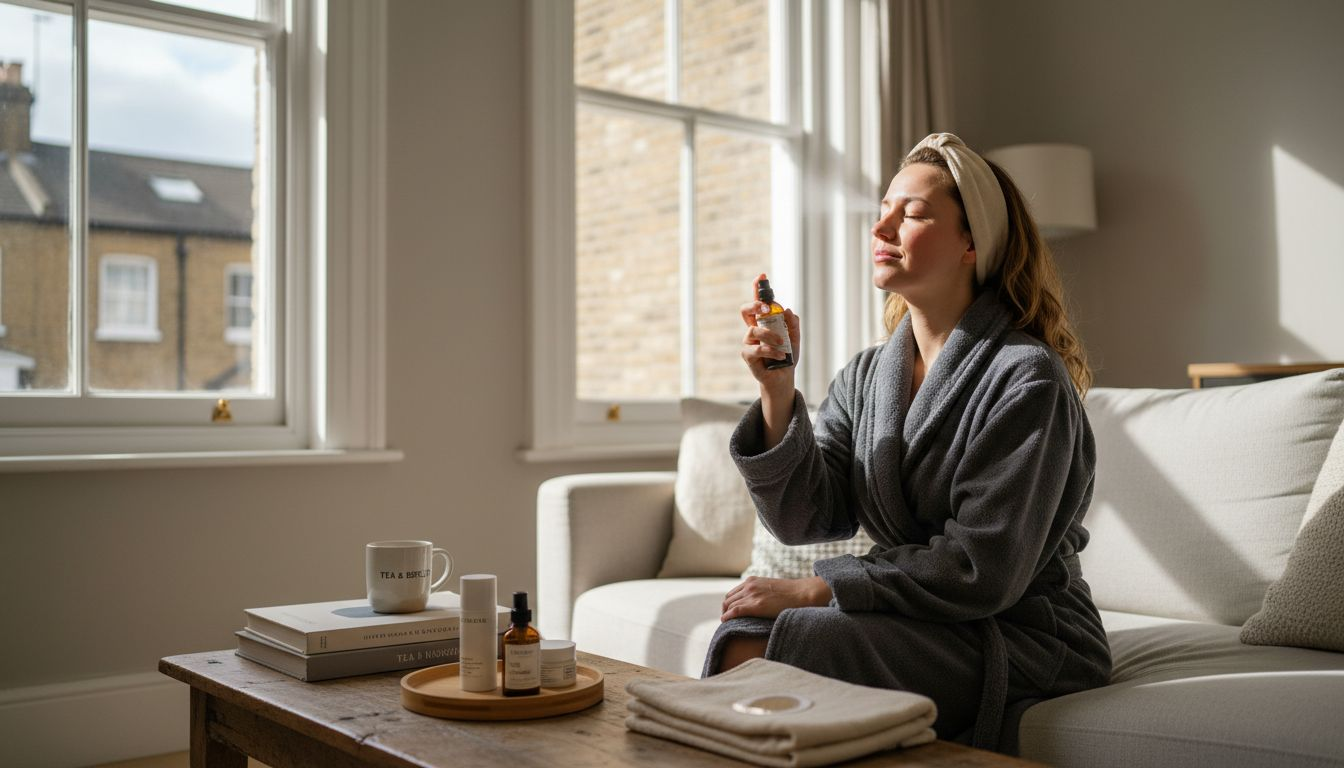
Start by designating a calm, clean recovery area with everything you’ll need within easy reach. This might include a comfortable chair or bed with soft, clean linens, a side table for your skincare products, and essential items like water, prescribed medications, and gentle cleansing supplies. Your goal is minimising movement and potential skin irritation during the initial healing phase.
Your recovery zone should include specific elements to support optimal healing:
- Clean, dust-free space to prevent potential skin infections
- Soft, breathable bedding and clothing
- Adequate lighting that isn’t harsh or direct
- Room temperature maintained between 20-22 degrees Celsius
- Easy access to a clean bathroom for skincare routines
- Distance from direct sunlight or bright windows
A meticulously prepared environment can significantly reduce recovery time and minimise potential complications.
Pro tip: Consider placing all your recommended skincare products in a dedicated, organised tray near your recovery area to streamline your healing process.
Step 2: Cleanse skin gently with approved products
After your chemical peel, implementing a precise and delicate cleansing routine is fundamental to supporting your skin’s healing process. Your approach to skin hygiene during recovery will significantly impact your overall healing and results.
Choose skincare products specifically designed for post-chemical peel care. These should be mild, fragrance-free, and non-abrasive to prevent irritation and support natural skin regeneration. Your cleansing routine should involve extremely gentle techniques that protect your vulnerable skin barrier.
Essential guidelines for gentle cleansing include:
- Use lukewarm water (never hot)
- Avoid rubbing or scrubbing the treated area
- Select hypoallergenic, pH-balanced cleansers
- Pat skin dry with a soft, clean towel
- Clean hands thoroughly before touching your face
- Use clean, soft washcloths or disposable cotton pads
Gentle cleansing is not just a recommendation—it’s a critical component of your skin’s healing journey.
Pro tip: Keep your cleansing products in the refrigerator to provide a soothing, cooling effect when applied to sensitive post-peel skin.
Step 3: Hydrate regularly using recommended moisturisers
Moisturising is a critical component of your chemical peel recovery, helping your skin heal efficiently and maintain its renewed appearance. Your approach to skin hydration after treatment will directly impact your healing process and long-term skin health.
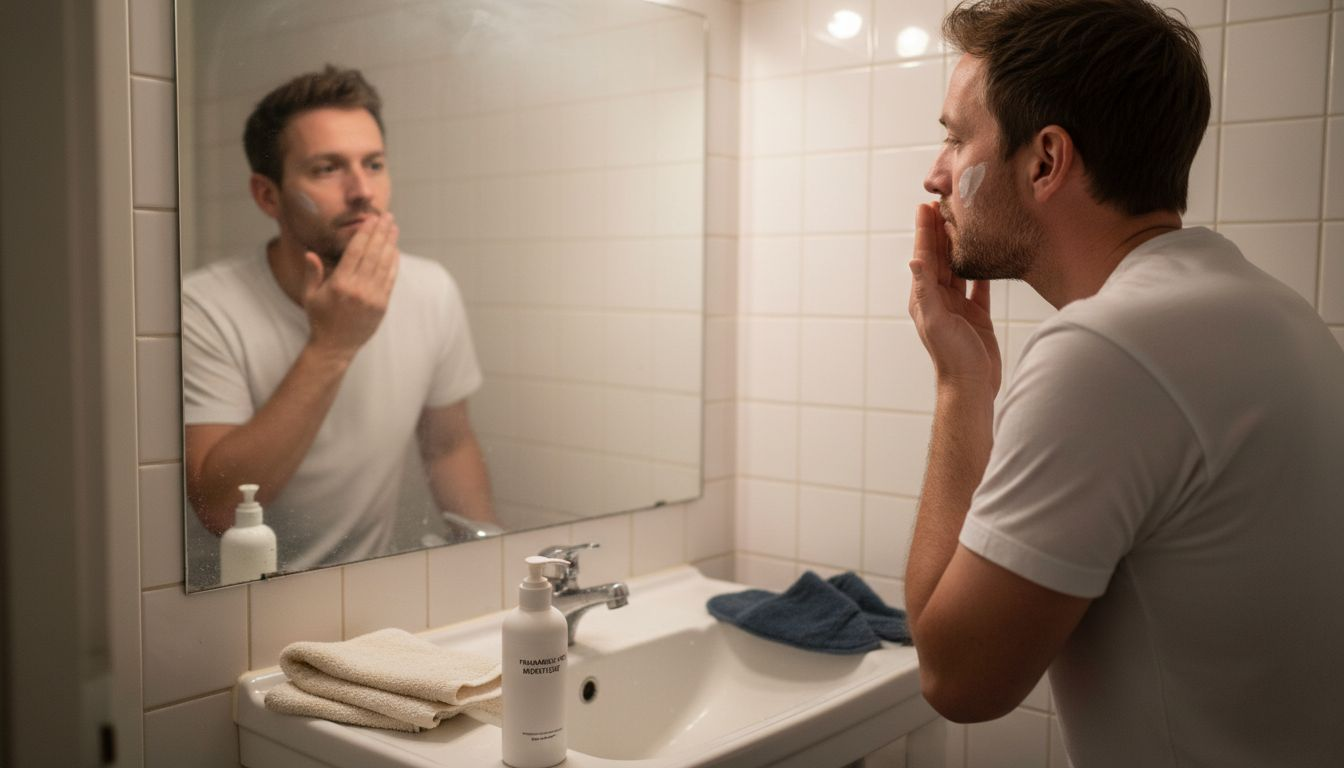
Choose a gentle, fragrance-free moisturiser specifically designed for post-chemical peel skin. Lightweight, non-comedogenic formulations are ideal, as they provide essential hydration without clogging pores or causing additional irritation. Look for ingredients like hyaluronic acid, ceramides, and panthenol that support skin barrier repair and provide deep, soothing moisture.
Key hydration guidelines for optimal recovery:
- Apply moisturiser at least twice daily
- Use gentle, upward patting motions
- Select products recommended by your skincare professional
- Avoid products with alcohol or harsh chemicals
- Opt for moisturisers with healing ingredients
- Keep skin consistently hydrated throughout recovery
Consistent and gentle moisturisation is your skin’s best friend during the healing process.
Pro tip: Consider storing your moisturiser in the refrigerator to provide a cooling, soothing sensation when applied to sensitive post-peel skin.
Step 4: Protect your skin from sun and external irritants
After your chemical peel, shielding your newly sensitive skin becomes paramount to maintaining your treatment’s results and preventing potential damage. Your comprehensive protection strategy involves understanding how to safeguard skin during recovery.
Your primary defence involves selecting high-quality, broad-spectrum sunscreen with minimum SPF 50+. This creates a critical barrier against harmful ultraviolet radiation that could compromise your healing skin. Beyond sunscreen, consider additional protective measures like wearing wide-brimmed hats, using protective clothing, and avoiding direct sunlight during peak hours between 10am and 4pm.
Key protective strategies include:
- Apply sunscreen every two hours
- Wear protective clothing with UPF rating
- Avoid swimming pools with chlorine
- Stay in shade whenever possible
- Use large sunglasses that cover entire eye area
- Reapply sunscreen after sweating or swimming
Consistent sun protection is not optional—it’s essential for maintaining your chemical peel results.
Pro tip: Keep a travel-sized sunscreen in your bag to ensure constant protection during unexpected sun exposure.
Step 5: Verify healing and monitor for abnormal reactions
Understanding and tracking your skin’s healing process is essential for ensuring a successful chemical peel recovery. Your ability to identify potential skin complications can prevent minor issues from becoming significant concerns.
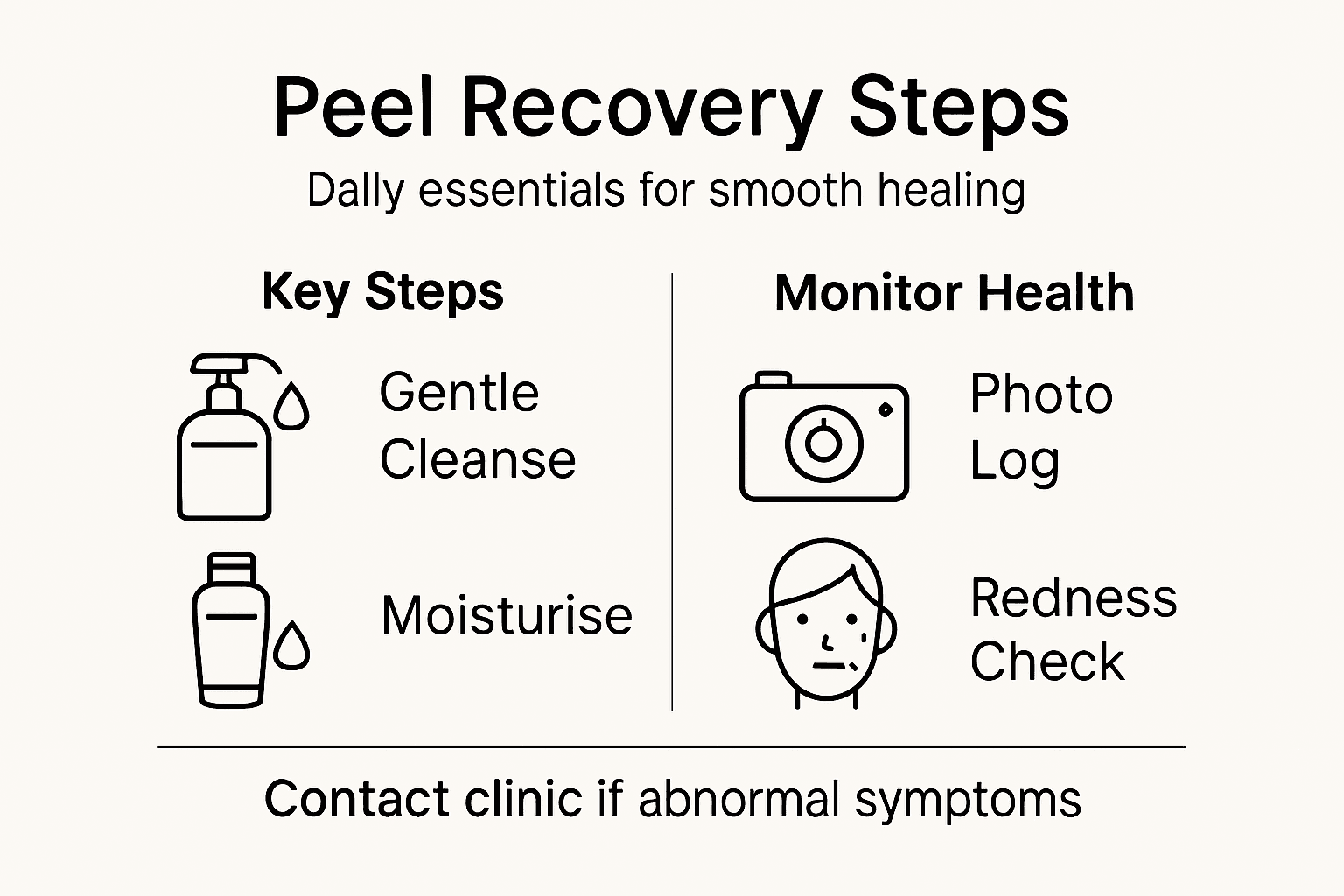
Establish a systematic approach to monitoring your skin’s recovery by conducting daily visual assessments and tracking key healing indicators. Document any changes or unusual symptoms with photographs and detailed notes, which can be invaluable during potential follow-up consultations with your skincare professional.
Critical signs to monitor include:
Here is a comparison of common post-chemical peel reactions and when to consult a professional:
| Reaction Type | Typical Recovery Sign | Potential Concern |
|---|---|---|
| Mild Redness | Normal for 2-3 days | Intensifies after day three |
| Light Flaking or Peeling | Expected | Thick crusting or oozing |
| Slight Sensitivity | Common early on | Ongoing pain or burning sensation |
| Minimal Swelling | Temporary and mild | Excessive or persistent swelling |
- Unexpected or prolonged skin redness
- Excessive swelling or inflammation
- Development of blisters or open wounds
- Significant colour changes in treated areas
- Unusual pain or burning sensations
- Signs of potential infection
Early detection of complications can significantly improve your overall healing outcome.
Pro tip: Create a dedicated healing journal with dated photographs and symptom notes to track your recovery progress systematically.
The table below summarises how each recovery step supports your healing journey:
| Step | Main Focus | Long-Term Benefit |
|---|---|---|
| Prepare Recovery Space | Comfort and infection control | Smoother, stress-free healing |
| Gentle Cleansing | Minimise irritation | Maintains healthy skin barrier |
| Regular Hydration | Promote skin repair | Enhanced results, less scarring |
| Sun Protection | Prevent UV damage | Lasting, even complexion |
| Healing Verification | Early issue detection | Prevention of complications |
Expert Support for Your Chemical Peel Recovery at The Aesthetics Room
Recovering from a chemical peel can be challenging as your skin needs gentle care, effective hydration, and strong protection against sunlight and irritants. If you want to avoid common pitfalls like irritation, prolonged redness, or uneven healing, professional guidance makes all the difference. At The Aesthetics Room, our premium Skin Treatments are designed to complement your post-peel aftercare with safe, tailored solutions that nurture your skin’s recovery and enhance your results.

Take control of your skin’s healing journey with expert care in London’s prestigious Knightsbridge area. Book your personalised consultation today at The Aesthetics Room to discover how our advanced treatments and professional advice can help you achieve flawless skin safely and confidently. Explore more about our comprehensive Skin Treatments or start now with an online appointment to secure your place.
Frequently Asked Questions
How can I prepare my recovery space for optimal healing after a chemical peel?
Creating a calming and clean recovery area is essential for your healing process. Designate a space with soft bedding, minimal movement, and easy access to skincare products to support a smooth recovery.
What gentle cleansing routine should I follow after my chemical peel?
After your chemical peel, wash your face with lukewarm water using a mild, fragrance-free cleanser. Aim to gently pat your skin dry with a soft towel, and avoid any harsh scrubbing to protect your sensitive skin.
How often should I moisturise my skin after a chemical peel?
Apply a gentle, fragrance-free moisturiser at least twice daily to keep your skin hydrated during recovery. Use light, upward patting motions to apply it, focusing on areas that feel dry or tight.
What type of sunscreen is best for protecting my skin after a chemical peel?
Select a broad-spectrum sunscreen with a minimum SPF of 50+ for optimal protection against UV damage. Reapply the sunscreen every two hours, especially when outdoors, to safeguard your healing skin.
What signs indicate I should consult a professional during my recovery?
Monitor your skin for excessive redness, swelling, blisters, or unusual pain, which may require professional attention. Contact a skincare professional if symptoms worsen or if you have any concerns about your healing process.
How can I track my healing progress after a chemical peel?
Maintain a healing journal to document daily changes and take photographs to visually track your recovery. This can help identify any issues early and assist in discussions with your skincare professional if needed.