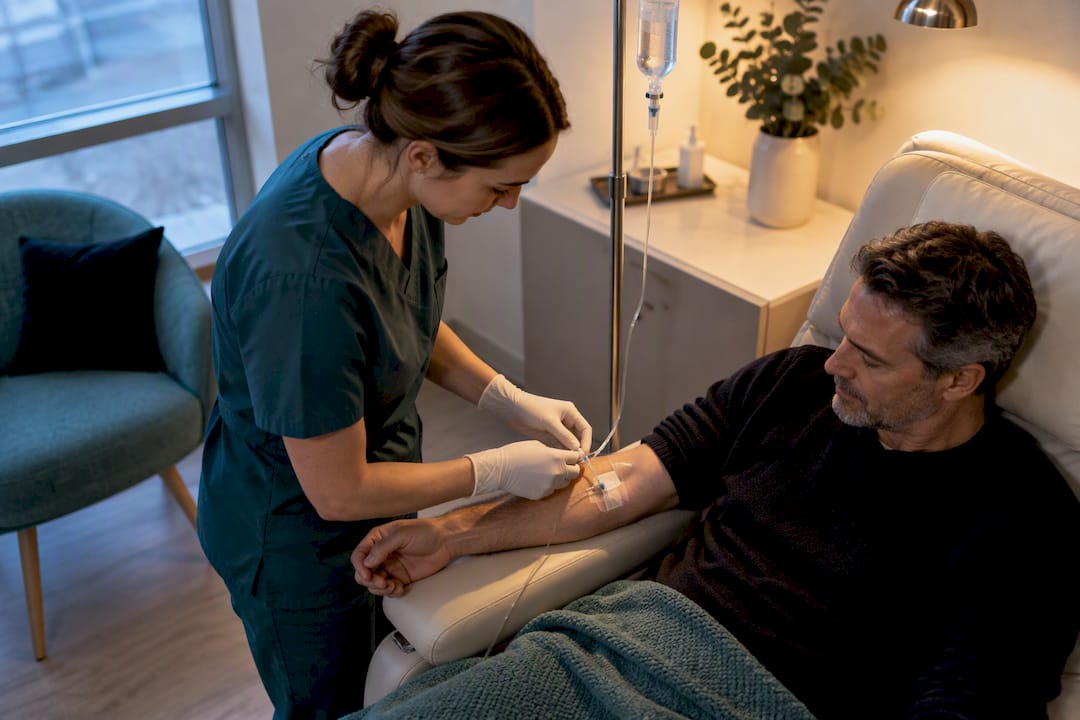


Stepping into a leading Knightsbridge clinic, you expect more than just another treatment plan. For those who value subtle refinement and personal attention, the journey to aesthetic confidence begins with a truly bespoke beauty consultation. This initial meeting provides a comprehensive foundation, focusing on your medical history, lifestyle, and unique goals. With a focus on personalised assessments and trusted guidance, these consultations ensure each treatment is tailored, offering clarity, safety, and outstanding results designed for the individual.
Table of Contents
- Defining Beauty Consultation In Aesthetics
- Types Of Beauty Consultations Available
- Typical Process And Key Consultation Steps
- Practitioner Qualifications And Clinic Standards
- Risks, Costs, And Common Misconceptions
- Protecting Safety And Achieving Best Outcomes
Key Takeaways
| Point | Details |
|---|---|
| Importance of Beauty Consultation | A beauty consultation establishes a personalised treatment pathway, ensuring tailored aesthetic interventions and safety for clients. |
| Types of Consultations | Aesthetic clinics offer various consultation types, including initial assessments, specialised consultations, and maintenance reviews to address individual goals. |
| Practitioner Qualifications | Rigorous qualifications and regulatory standards ensure that aesthetic treatments are performed by trained professionals committed to patient safety. |
| Managing Expectations and Costs | Understanding realistic outcomes, potential risks, and associated costs is crucial for clients to make informed decisions in aesthetic treatments. |
Defining Beauty Consultation in Aesthetics
A beauty consultation represents the foundational interaction between aesthetic practitioners and clients, establishing a comprehensive pathway for personalised aesthetic treatments. This initial engagement goes far beyond a simple conversation, serving as a critical diagnostic and collaborative process that ensures safe, tailored aesthetic interventions. Consultation practices in aesthetic medicine fundamentally map out a patient’s unique treatment journey.
During this pivotal interaction, practitioners conduct an exhaustive assessment encompassing medical history, skin analysis, lifestyle factors, and individual aesthetic aspirations. This holistic approach allows professionals to evaluate client suitability, identify potential risks, and develop bespoke treatment strategies that align precisely with personal goals. The consultation becomes a strategic dialogue where expectations are carefully managed, potential outcomes transparently discussed, and a foundation of trust meticulously established.
The consultation process typically involves several key elements: comprehensive medical screening, in-depth skin assessment, detailed discussion of treatment options, potential outcomes, associated risks, and financial considerations. By providing clients with transparent, evidence-based information, aesthetic practitioners empower individuals to make informed decisions about their aesthetic journey. This approach not only ensures medical safety but also cultivates a collaborative relationship between practitioner and client, transforming aesthetic treatments from standardised procedures into personalised experiences.
Pro tip: Always prepare a list of questions and your medical history before your aesthetic consultation to maximise the effectiveness of your initial appointment.
Types of Beauty Consultations Available
Aesthetic clinics offer a diverse range of consultation types designed to address specific client needs and treatment objectives. Aesthetic consultation methods vary widely, encompassing comprehensive approaches that cater to individual aesthetic concerns and personal wellness goals. These consultations are meticulously crafted to provide personalised assessments, ensuring clients receive targeted recommendations aligned with their unique physiological characteristics and aesthetic aspirations.
The primary consultation categories typically include comprehensive initial consultations, specialised treatment-specific assessments, and follow-up review sessions. Initial consultations represent the most extensive interaction, involving detailed medical history reviews, comprehensive skin and body analysis, and in-depth discussions about potential treatment pathways. Specialised consultations focus on specific aesthetic domains such as facial rejuvenation, body contouring, hair restoration, or targeted skin treatments, each requiring nuanced expertise and tailored diagnostic approaches.
Within the aesthetic medicine landscape, consultations can be categorised into several key typologies: diagnostic consultations, which focus on identifying specific concerns and potential treatment solutions; treatment planning consultations, which develop comprehensive intervention strategies; and maintenance consultations, which track progress and adjust treatment protocols. These consultation types integrate sophisticated diagnostic techniques, advanced imaging technologies, and personalised clinical assessments to deliver precise, scientifically grounded aesthetic recommendations that prioritise both client safety and desired aesthetic outcomes.
Pro tip: Bring comprehensive medical documentation and prepare a detailed list of your aesthetic goals to maximise the effectiveness of your initial consultation.
Here is a summary comparing the main types of beauty consultations available:
| Consultation Type | Focus Area | Practitioner Skills Needed |
|---|---|---|
| Initial Comprehensive | Overall health & goals | Advanced diagnostics & client rapport |
| Treatment-Specific | Targeted aesthetic issues | Specialised domain knowledge |
| Maintenance/Follow-up | Progress review & adjustments | Outcome evaluation & ongoing planning |
Typical Process and Key Consultation Steps
A comprehensive aesthetic consultation follows a structured methodology designed to ensure client safety, understanding, and optimal treatment outcomes. Professional consultation techniques revolve around creating a transparent, collaborative environment where clients can openly discuss their aesthetic goals and medical considerations. The initial stage typically involves establishing rapport, gathering critical medical information, and developing a personalised approach tailored to individual needs.
The consultation process generally unfolds through several key stages. First, practitioners conduct a detailed medical history review, examining potential contraindications, existing health conditions, and lifestyle factors that might impact treatment efficacy. This is followed by a thorough physical assessment, which includes skin analysis, facial or body mapping, and detailed discussions about specific aesthetic concerns. Practitioners use advanced diagnostic tools and visual assessment techniques to develop a comprehensive understanding of the client’s current physiological condition and aesthetic aspirations.
Subsequent steps involve collaborative treatment planning, where practitioners present potential intervention strategies, discuss realistic expectations, and outline comprehensive treatment protocols. This stage requires transparent communication about potential risks, expected outcomes, treatment duration, and associated costs. Practitioners typically employ visual aids, before-and-after imagery, and detailed explanations to help clients make informed decisions. Digital consultation forms and advanced imaging technologies increasingly support this process, enabling more precise and personalised treatment recommendations that align closely with individual client objectives.
Pro tip: Prepare a comprehensive list of current medications, past medical procedures, and specific aesthetic goals to facilitate a more accurate and personalised consultation experience.
Practitioner Qualifications and Clinic Standards
In the aesthetic medicine landscape, practitioner qualifications represent a critical foundation for patient safety and treatment excellence. Medical practitioner standards in the United Kingdom demand rigorous professional credentials, ensuring that aesthetic treatments are delivered by highly trained, regulated healthcare professionals. Practitioners must be qualified prescribers, typically medical doctors, dentists, or specialist nurses with advanced training in aesthetic interventions, who are registered with authoritative professional bodies and adhere to strict regulatory guidelines.
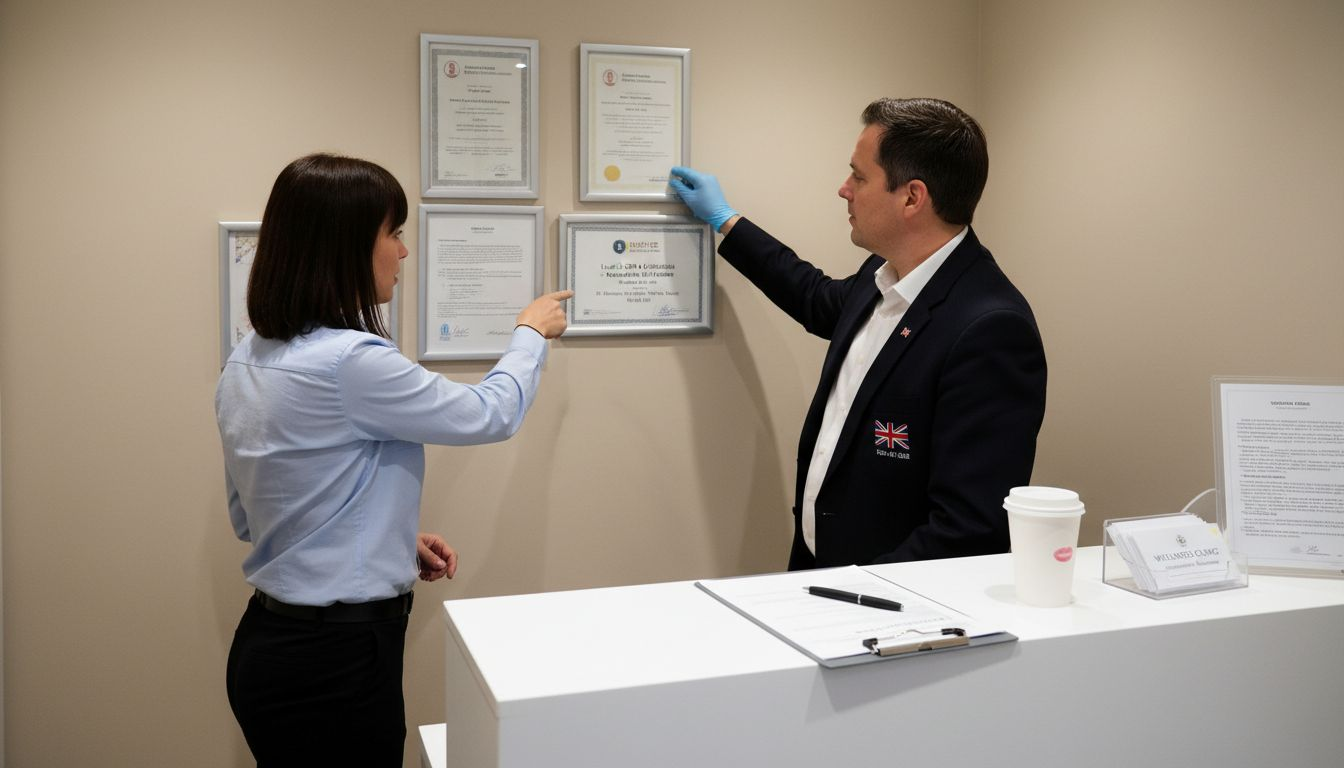
The regulatory framework governing aesthetic practitioners involves multiple layers of professional scrutiny and ongoing professional development. Recognised bodies like the Joint Council for Cosmetic Practitioners (JCCP) and the British College of Aesthetic Medicine (BCAM) maintain comprehensive registries that validate practitioners’ qualifications, clinical expertise, and commitment to continuous learning. These organisations establish comprehensive standards that encompass not only initial qualifications but also ongoing training, ethical practice, and commitment to patient safety, requiring practitioners to demonstrate consistent professional competence through regular assessments and continued medical education.
Clinic standards extend far beyond individual practitioner credentials, encompassing comprehensive environmental, procedural, and technological requirements. Aesthetic clinics must maintain sterile, purpose-designed treatment spaces, employ advanced diagnostic and treatment technologies, and implement robust protocols for patient assessment, treatment planning, and post-treatment care. These standards include detailed documentation processes, informed consent protocols, comprehensive medical screening, and transparent communication about potential risks and expected outcomes. Clinics are additionally required to maintain strict confidentiality, have appropriate insurance coverage, and provide clear, accessible information about treatment methodologies and potential complications.
Pro tip: Always request to see a practitioner’s current professional registration and qualifications before proceeding with any aesthetic treatment.
Risks, Costs, and Common Misconceptions
Aesthetic treatments involve complex considerations that extend beyond simple cosmetic enhancements, encompassing critical medical, financial, and expectations management dimensions. Non-surgical cosmetic procedure risks are multifaceted, requiring prospective clients to approach aesthetic interventions with comprehensive understanding and realistic expectations. Understanding these nuanced factors is essential for making informed decisions about personal aesthetic treatments.
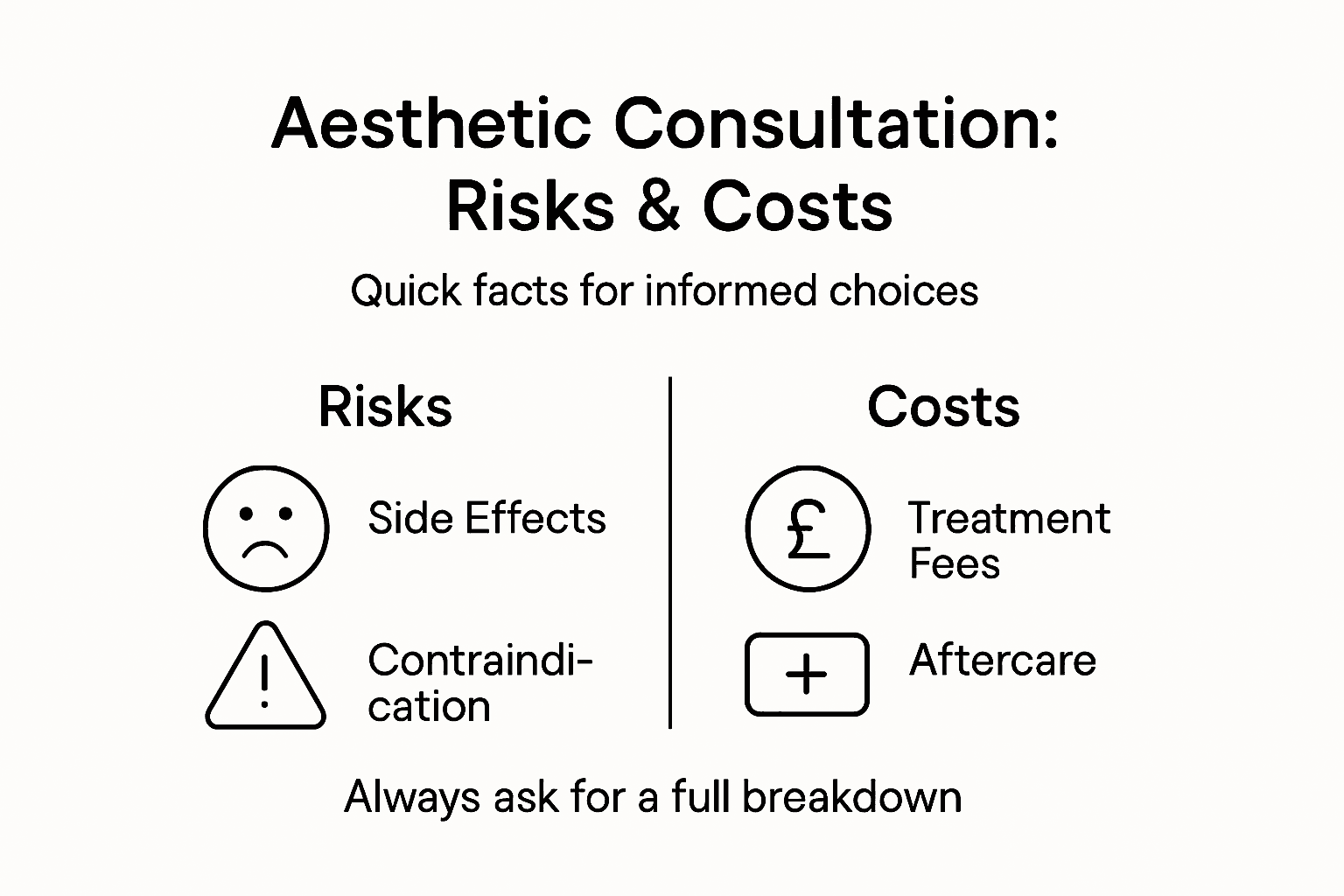
The financial landscape of aesthetic treatments varies significantly, influenced by multiple factors including treatment complexity, practitioner expertise, geographical location, and specific clinical requirements. Treatments can range from relatively modest investments to substantial financial commitments, with costs typically reflecting the sophistication of the procedure, the practitioner’s qualifications, and the potential complexity of achieving desired outcomes. Potential clients should anticipate comprehensive pricing structures that may include initial consultations, preparatory treatments, primary interventions, and potential follow-up sessions, each contributing to the overall treatment investment.
Common misconceptions surrounding aesthetic treatments can lead to unrealistic expectations and potential disappointment. Many individuals erroneously believe that aesthetic interventions provide instant, permanent transformations without considering potential side effects, recovery periods, or maintenance requirements. These misconceptions can include assumptions about treatment reversibility, minimal risks, guaranteed outcomes, and uniformly applicable results. Professional practitioners emphasise the importance of thorough consultations that transparently discuss individual variability, potential complications, expected outcomes, and the necessity of ongoing maintenance to achieve and sustain desired aesthetic results.
The following table outlines typical misconceptions versus the actual realities in aesthetic treatments:
| Common Misconception | Reality in Aesthetic Practice |
|---|---|
| Instant, permanent results | Most require maintenance and have gradual effects |
| No risks or side effects | All carry potential complications and downtime |
| Same outcome for everyone | Results vary based on individual factors |
| Treatments are always reversible | Some effects may be long-lasting or not reversible |
| All costs are visible upfront | Additional sessions or aftercare can add expenses |
Pro tip: Request a comprehensive breakdown of all potential costs, including consultation fees, treatment expenses, and potential follow-up session charges, to avoid unexpected financial surprises.
Protecting Safety and Achieving Best Outcomes
Safety represents the paramount consideration in aesthetic medicine, transcending cosmetic transformation to ensure comprehensive patient protection and optimal clinical outcomes. Government safety regulations have been implemented to establish rigorous standards that safeguard patients from potential risks associated with aesthetic treatments. These regulatory frameworks mandate stringent practitioner qualifications, clinical protocols, and comprehensive risk management strategies designed to minimise potential complications and protect patient wellbeing.
Achieving optimal outcomes requires a multifaceted approach that integrates thorough patient assessment, personalised treatment planning, and meticulous procedural execution. Practitioners must conduct comprehensive health screenings, evaluate individual physiological characteristics, and develop tailored intervention strategies that align with each client’s unique aesthetic goals and medical profile. This approach necessitates sophisticated diagnostic techniques, advanced imaging technologies, and a holistic understanding of patient anatomy, lifestyle factors, and potential contraindications that might impact treatment efficacy and safety.
The implementation of best practices in aesthetic medicine extends beyond technical proficiency, encompassing psychological preparedness, informed consent, and transparent communication. Successful interventions require practitioners to establish clear expectations, provide detailed information about potential risks and recovery processes, and maintain ongoing dialogue throughout the treatment journey. This patient-centric approach involves active listening, empathetic engagement, and a commitment to continuous monitoring and support, ensuring that aesthetic interventions not only deliver physical transformations but also contribute positively to the patient’s overall psychological wellbeing and self-perception.
Pro tip: Request a comprehensive written treatment plan that explicitly details potential risks, expected outcomes, recovery timelines, and follow-up protocols to ensure complete transparency and informed decision-making.
Begin Your Personalised Aesthetic Journey with Expert Consultation
Embarking on an aesthetic transformation can feel overwhelming without the right guidance. This article highlights the importance of a thorough beauty consultation to ensure safety, understand your unique goals, and tailor a treatment plan that truly suits you. If you seek clarity on options such as dermal fillers or skin rejuvenation, the first step is a professional, detailed discussion that addresses your concerns and expectations. At The Aesthetics Room, we specialise in creating bespoke treatment pathways that prioritise your wellbeing and confidence through expert consultations.
Discover the difference a precise and personalised consultation can make by exploring The Consultation – The Aesthetics Room. Take control of your aesthetic goals and understand all aspects including risks and realistic outcomes before undergoing any procedure. Whether you wish to learn more about advanced dermal treatments via Dermal Fillers – The Aesthetics Room or prefer to book your first appointment at our Knightsbridge clinic, visit The Aesthetics Room today. Start shaping your aesthetic journey with confidence and safety in mind.
Frequently Asked Questions
What is involved in a beauty consultation in aesthetics?
A beauty consultation includes an assessment of your medical history, skin analysis, and a discussion about your individual aesthetic goals, ensuring tailored treatment recommendations.
How can I prepare for my aesthetic consultation?
To maximise your consultation, prepare a list of questions, bring your medical history, and articulate your aesthetic goals clearly.
What types of beauty consultations are available?
Beauty consultations can include comprehensive initial consultations, treatment-specific assessments, and maintenance or follow-up sessions, tailored to address various aesthetic concerns.
What qualifications should I look for in an aesthetic practitioner?
An aesthetic practitioner should be a qualified prescriber, such as a medical doctor or a specialist nurse, with recognised credentials and adherence to rigorous regulatory guidelines.
Recommended
- Role of Consultation in Aesthetics: Enhancing Safety and Results – The Aesthetics Room
- 7 Key Steps for a Successful Aesthetic Consultation Checklist – The Aesthetics Room
- The Consultation – The Aesthetics Room
- Aesthetic Treatments for Women: Enhancing Confidence in Knightsbridge – The Aesthetics Room
- What Is Confidence in Beauty? Complete Guide – Pure Light Botanical Beauty
- Hair Contouring Explained: Techniques and Benefits – Joel C Ma Hair Studio