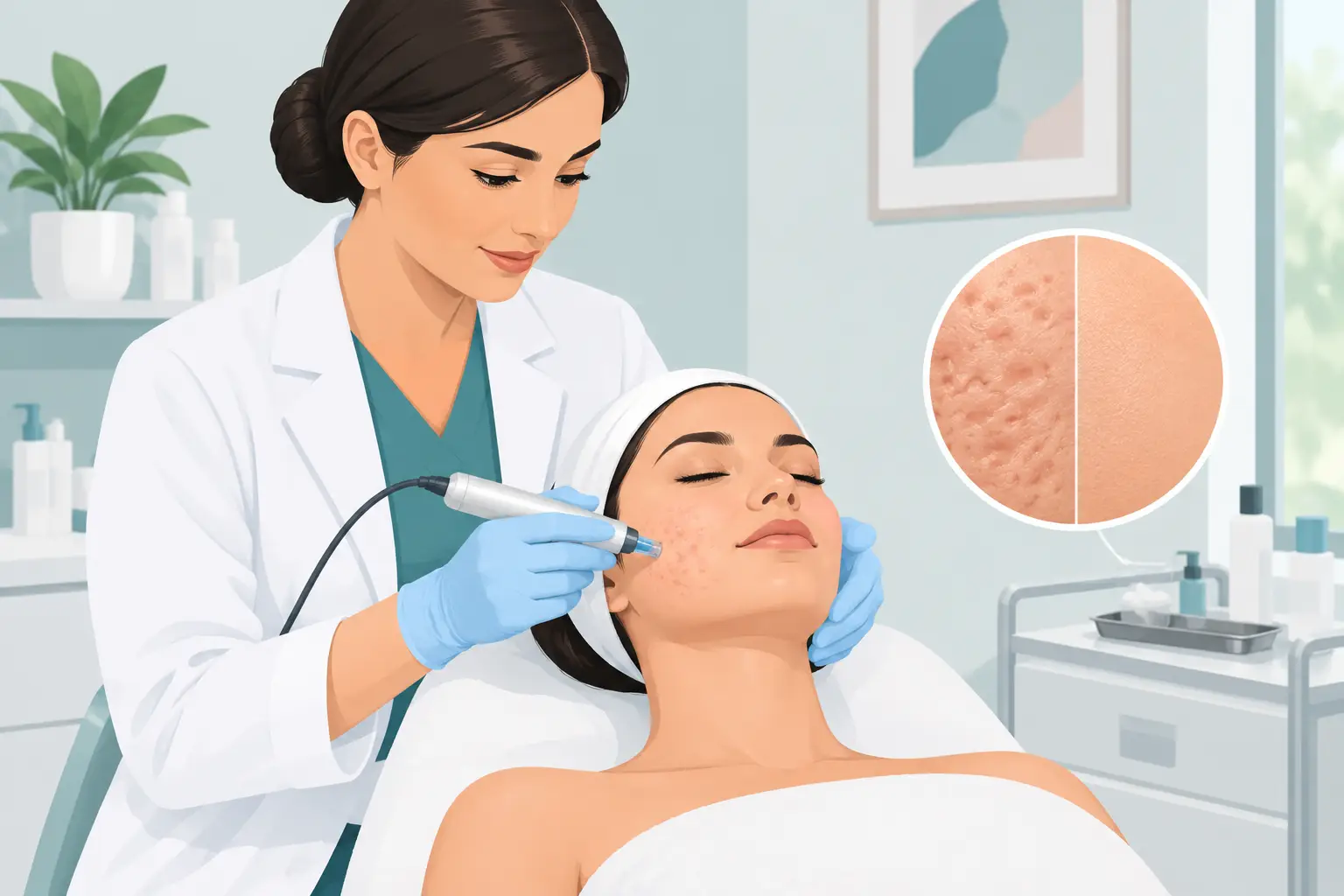


Many people assume that addressing a double chin requires invasive surgery, lengthy recovery, and significant expense. This misconception prevents countless Londoners from exploring effective, modern alternatives. The reality is that non-invasive double chin reduction treatments have become highly sophisticated, delivering natural results without scalpels or extended downtime. Whether genetics, ageing, or lifestyle factors have contributed to submental fullness, today’s aesthetic medicine offers tailored solutions that fit seamlessly into busy London lives. This article explains what double chin reduction truly involves and explores the range of non-surgical options available to adults seeking improved facial contour and renewed confidence.
Table of Contents
- Key takeaways
- What causes a double chin and why consider reduction?
- Non-invasive double chin reduction options explained
- What to expect during and after treatment
- Choosing the right clinic and practitioner in London
- Explore expert double chin reduction treatments at The Aesthetics Room
- Frequently asked questions about double chin reduction
Key Takeaways
| Point | Details |
|---|---|
| Non invasive options | Modern non surgical treatments can reduce submental fat without surgery or extended downtime. |
| Fat dissolving injections | Injections use substances such as deoxycholic acid to destroy fat cells beneath the chin. |
| Session length per visit | Each session typically lasts fifteen to thirty minutes with most clients experiencing only mild discomfort during needle insertion. |
| Multiple sessions needed | Optimal results often require several sessions rather than a single treatment. |
| Aftercare importance | Maintaining outcomes relies on proper aftercare and lifestyle choices advised by clinicians. |
What causes a double chin and why consider reduction?
Understanding the origins of submental fullness helps you make informed treatment decisions. Double chins result from ageing, fat accumulation, and skin laxity, often appearing even in individuals at healthy weights. Genetics play a substantial role, determining how your body stores fat and how your skin ages. Some people inherit a predisposition to submental fat deposits regardless of overall body composition.
Ageing compounds these genetic factors as collagen production slows and skin elasticity diminishes. The supportive structures beneath your chin weaken over time, allowing fat to accumulate more visibly. Lifestyle elements like posture, diet, and hydration levels also influence submental appearance. Poor posture weakens neck muscles, whilst dietary choices affect fat distribution patterns throughout your body.
Several interconnected factors contribute to double chin formation:
- Genetic predisposition to fat storage patterns in the submental area
- Natural ageing processes that reduce skin elasticity and collagen production
- Weight fluctuations that stretch skin and deposit fat beneath the chin
- Weakened platysma muscles from poor posture or natural ageing
- Bone structure variations that provide less support for chin tissues
Why do people seek reduction treatments? The answer extends beyond simple vanity. Your facial profile significantly impacts how others perceive you and how you perceive yourself. A well-defined jawline conveys youth, vitality, and confidence, whilst submental fullness can create an appearance of being overweight or older than your actual age. Professional settings particularly value sharp, defined facial features as markers of competence and energy.
For London adults aged 25 to 45, appearance directly influences career opportunities, social interactions, and romantic prospects. Video calls have intensified awareness of chin appearance, as cameras often emphasise submental areas. Many clients report that reducing their double chin transforms not just their reflection but their entire self-image, leading to improved posture, more frequent smiling, and greater willingness to be photographed.
Non-invasive double chin reduction options explained
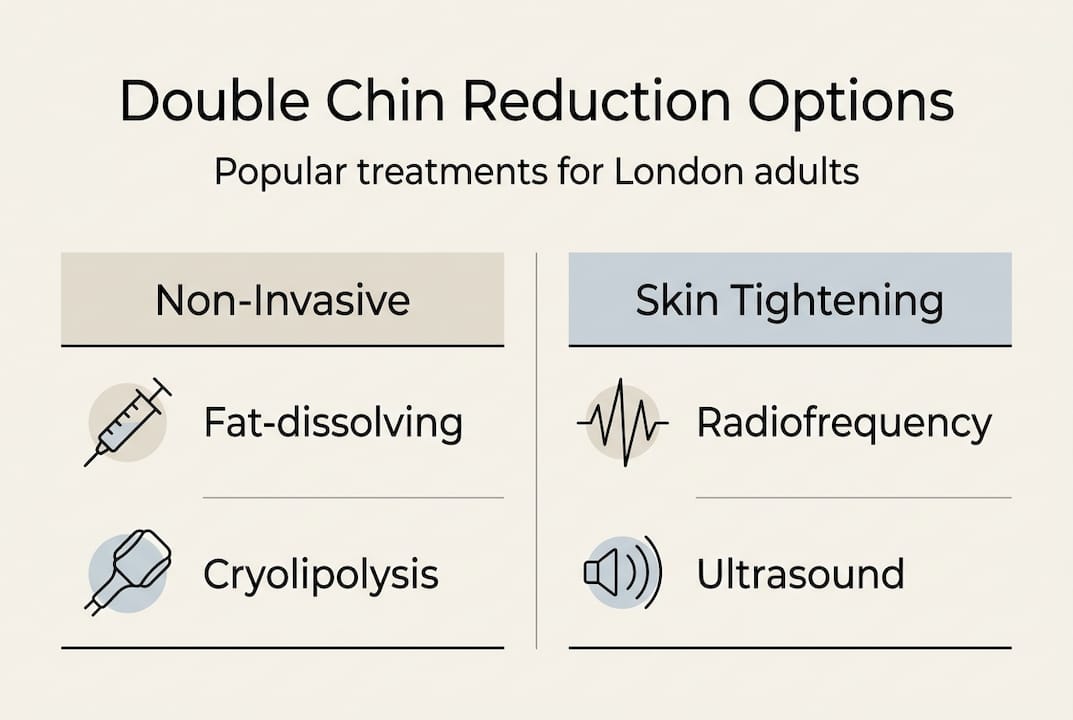
Modern aesthetic medicine has revolutionised submental fat treatment through sophisticated non-surgical approaches. Fat-dissolving injections effectively reduce submental fat by introducing substances that break down adipose cells beneath your chin. These treatments use deoxycholic acid or similar compounds that target fat cell membranes, causing controlled destruction. Your body then naturally processes and eliminates these damaged cells through its lymphatic system over subsequent weeks.
The injection process involves multiple small deposits across the treatment area, precisely targeting fat pockets whilst preserving surrounding tissues. Practitioners map your submental anatomy to ensure even distribution and natural-looking results. Each session typically requires 15 to 30 minutes, with most clients experiencing only mild discomfort during needle insertion. The destroyed fat cells cannot regenerate, making results permanent provided you maintain stable weight.
Complementary technologies enhance fat reduction outcomes. Skin tightening treatments improve chin contour by stimulating collagen production and contracting existing fibres. Ultrasound-based therapies deliver focused energy to deeper skin layers, triggering your body’s natural healing response. This response generates fresh collagen over several months, gradually tightening loose skin that might otherwise remain after fat reduction.
Radiofrequency treatments offer another skin-tightening approach, using controlled heat to remodel collagen structures. These procedures work particularly well for clients whose double chin stems partly from skin laxity rather than pure fat accumulation. Combining fat dissolution with skin tightening often produces superior results compared to either treatment alone, addressing both volume and texture concerns simultaneously.
| Treatment type | Mechanism | Session duration | Typical sessions needed | Primary benefit |
|---|---|---|---|---|
| Fat-dissolving injections | Destroys fat cells chemically | 20-30 minutes | 2-4 sessions | Permanent fat reduction |
| Ultrasound skin tightening | Stimulates deep collagen production | 30-60 minutes | 1-3 sessions | Improved skin firmness |
| Radiofrequency treatment | Heats and remodels collagen fibres | 30-45 minutes | 3-6 sessions | Enhanced skin texture |
| Combination protocols | Addresses fat and laxity together | 45-75 minutes | 3-5 sessions | Comprehensive contour improvement |
Several factors influence which treatment suits you best:
- Volume of submental fat requiring reduction
- Degree of skin laxity present in the treatment area
- Your age and natural collagen production capacity
- Previous treatments or procedures affecting the chin area
- Budget considerations and desired timeline for results
- Tolerance for temporary side effects like swelling
Pro Tip: Schedule your initial consultation at least three months before any major events. This timeline allows for multiple treatment sessions plus full recovery, ensuring you look your absolute best when it matters most.
Treatment selection requires professional assessment of your unique anatomy. Practitioners evaluate fat distribution patterns, skin quality, muscle tone, and bone structure to recommend optimal approaches. Some clients benefit most from aggressive fat reduction, whilst others need primarily skin tightening with minimal fat removal. Honest discussion about expectations helps align treatment plans with realistic outcomes.
What to expect during and after treatment
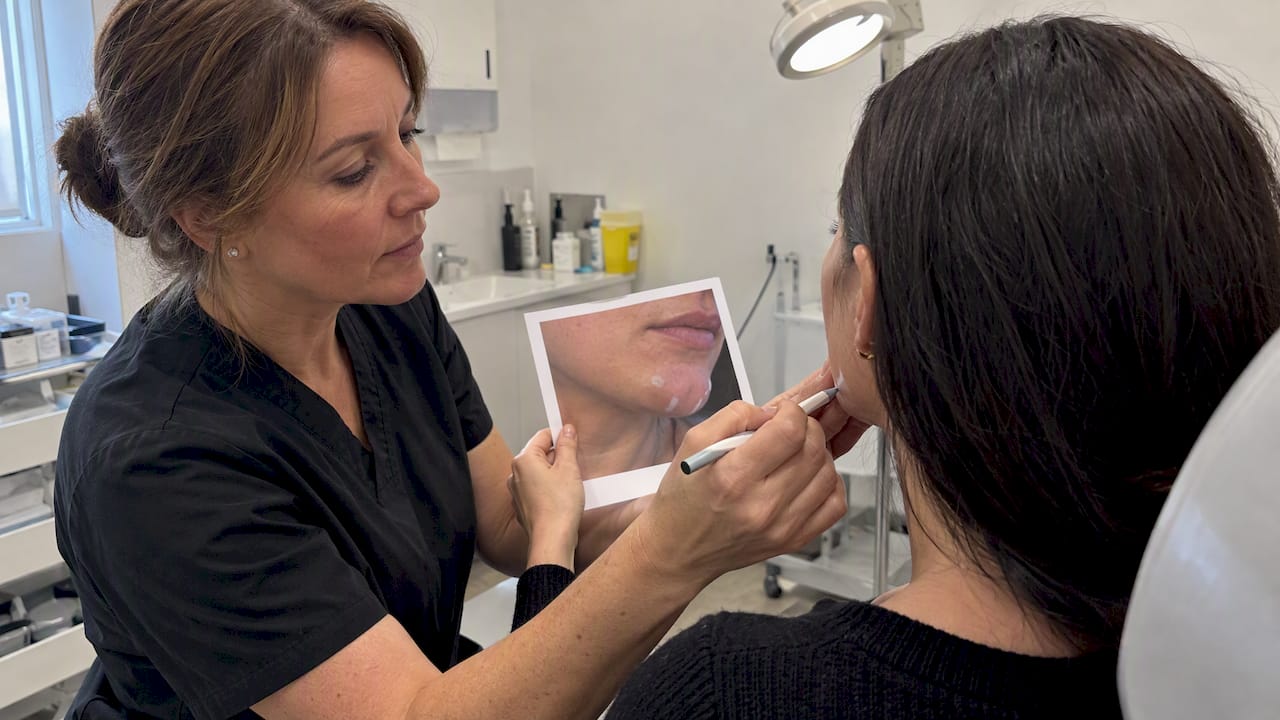
Understanding the treatment journey helps you prepare mentally and practically for double chin reduction. Your first appointment involves comprehensive consultation where practitioners assess your submental area, discuss medical history, and explain procedure details. They photograph your chin from multiple angles to document baseline appearance and track progress through subsequent sessions.
The treatment process follows these typical steps:
- Cleansing the treatment area thoroughly to prevent infection
- Marking injection or applicator sites based on your anatomy
- Applying topical numbing cream if needed for comfort
- Administering the chosen treatment according to protocol
- Applying cooling packs to minimise immediate swelling
- Providing detailed aftercare instructions for home
Session duration varies by treatment type. Fat-dissolving injections typically require 20 to 30 minutes including preparation and post-treatment care. Ultrasound or radiofrequency procedures may extend to 45 or 60 minutes as practitioners methodically treat the entire submental region. Most clients return to normal activities immediately, though some prefer scheduling treatments before weekends to allow swelling time to subside privately.
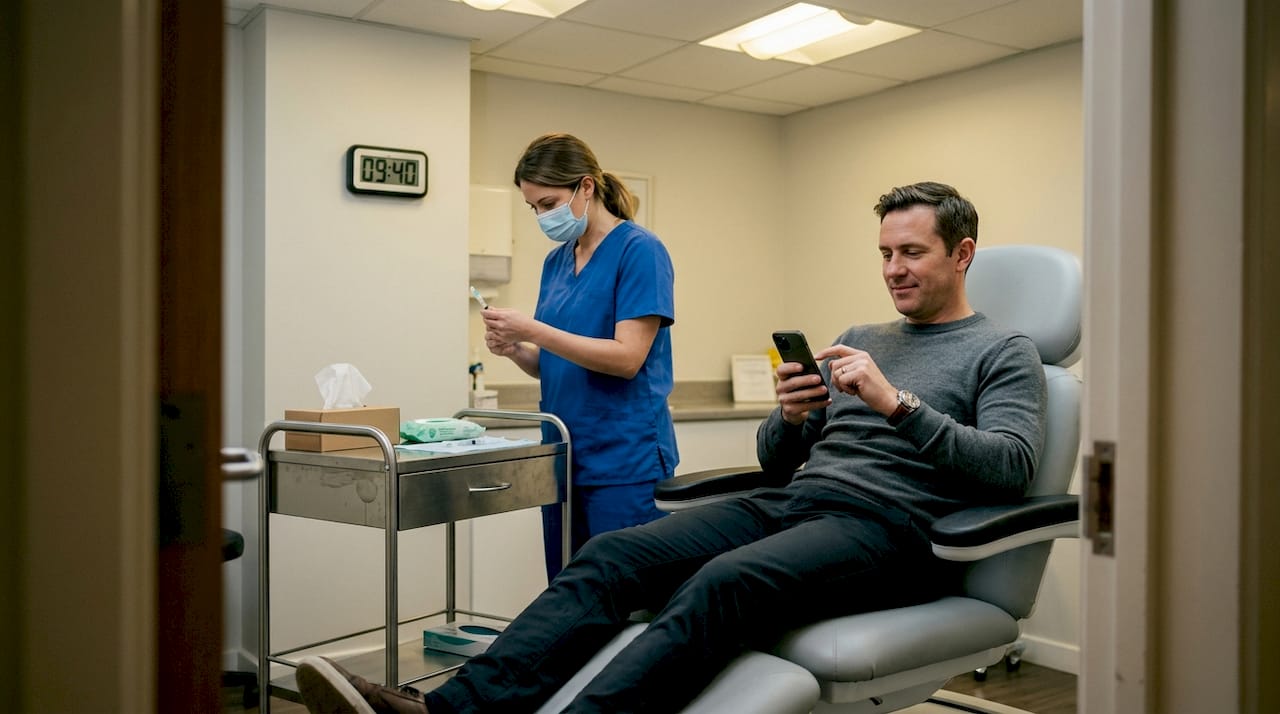
Immediate post-treatment effects include localised swelling, tenderness, and sometimes bruising around injection sites. These responses indicate your body’s natural reaction to the procedure and typically resolve within three to seven days. Some clients experience temporary numbness or tingling as nerves respond to treatment, though sensation returns fully within weeks. Rare side effects like asymmetry or excessive swelling require prompt practitioner contact for assessment.
Proper aftercare significantly improves results and accelerates recovery. Practitioners typically recommend avoiding strenuous exercise for 24 to 48 hours post-treatment to prevent increased swelling. Keeping your head elevated whilst sleeping reduces fluid accumulation in treated areas. Gentle massage as directed can help distribute dissolved fat evenly and prevent lumpy texture during healing.
Results emerge gradually rather than appearing overnight. Fat-dissolving treatments show initial changes within three to four weeks as your lymphatic system processes destroyed cells. Optimal outcomes typically manifest eight to twelve weeks post-treatment once all cellular debris clears and any swelling completely resolves. Skin tightening results develop even more slowly, with collagen remodelling continuing for three to six months after your final session.
Most clients require two to four treatment sessions spaced four to six weeks apart. This interval allows complete healing between appointments whilst maintaining treatment momentum. Your practitioner adjusts session frequency based on your response, sometimes extending intervals if swelling persists or shortening them if you tolerate treatments exceptionally well. Patience proves essential, as rushing treatments or expecting immediate transformation leads to disappointment.
Pro Tip: Document your progress with weekly selfies from identical angles and lighting. Gradual changes often feel imperceptible day to day, but comparing photos from week one to week twelve reveals dramatic improvements that boost motivation during the treatment journey.
Choosing the right clinic and practitioner in London
Your treatment outcomes depend heavily on practitioner skill and clinic standards. Accredited medical practitioners ensure safe aesthetic treatment through rigorous training and adherence to clinical protocols. Verify that your chosen practitioner holds appropriate medical qualifications, whether as a doctor, nurse prescriber, or similarly credentialed professional. Aesthetic treatments fall under medical regulation, so practitioners must demonstrate competency in facial anatomy, injection techniques, and complication management.
London’s competitive aesthetics market means thorough research pays dividends. Examine clinic websites for before-and-after galleries showing real patient results rather than stock imagery. Authentic galleries display various client types and honestly represent typical outcomes rather than showcasing only exceptional cases. Read independent reviews on platforms like Google and Trustpilot, noting how clinics respond to negative feedback as much as positive praise.
Key factors when evaluating potential clinics:
- Current registration with relevant regulatory bodies like the Care Quality Commission
- Transparent pricing without hidden consultation or follow-up fees
- Comprehensive informed consent processes explaining risks and alternatives
- Emergency protocols for managing potential complications
- Hygiene standards meeting medical-grade requirements
- Convenient London locations with professional clinic environments
Your consultation reveals much about clinic quality and practitioner expertise. Skilled practitioners spend substantial time assessing your anatomy rather than rushing to book treatments. They discuss realistic expectations honestly, sometimes recommending against procedures if you’re not an ideal candidate. This integrity signals prioritisation of patient welfare over profit, a crucial distinction in aesthetic medicine.
Ask direct questions about practitioner experience with double chin treatments specifically. General aesthetic experience doesn’t automatically translate to submental expertise, as the chin area requires specialised anatomical knowledge. Enquire about complication rates, how they’re managed, and what follow-up support the clinic provides if you’re dissatisfied with results. Reputable practitioners welcome these questions and answer transparently.
“Choosing the right practitioner transforms aesthetic treatments from risky gambles into confident investments in yourself. The difference between good and exceptional results often comes down to the expertise guiding your treatment plan, not the treatments themselves.”
Personalised treatment plans distinguish excellent clinics from mediocre ones. Cookie-cutter approaches ignore individual variations in anatomy, fat distribution, and aesthetic goals. Your practitioner should tailor session numbers, product quantities, and complementary treatments to your specific needs rather than offering identical protocols to every client. This customisation requires clinical judgement developed through extensive experience.
Follow-up care demonstrates clinic commitment to your satisfaction. Reputable providers schedule review appointments to assess progress and address concerns without additional charges. They remain accessible between sessions for questions or urgent issues, providing reassurance during your treatment journey. This ongoing support proves particularly valuable for first-time aesthetic clients navigating unfamiliar territory.
Explore expert double chin reduction treatments at The Aesthetics Room
If you’re ready to address submental fullness with proven non-invasive methods, The Aesthetics Room offers specialised fat dissolving treatments delivered by experienced medical professionals. Our Knightsbridge clinic combines cutting-edge aesthetic technology with personalised care, ensuring your treatment plan aligns perfectly with your facial anatomy and aesthetic goals.

Our qualified medical practitioners bring extensive training in facial aesthetics, prioritising natural-looking results that enhance rather than alter your appearance. We understand that double chin reduction represents more than physical change; it’s about reclaiming confidence and feeling comfortable in your own skin. During your comprehensive consultation, we’ll assess your unique needs and recommend the most effective approach from our range of double chin treatment options, whether fat-dissolving injections, skin tightening, or combination protocols. Book your consultation today to discover how expert aesthetic care can transform your profile and restore your confidence.
Frequently asked questions about double chin reduction
Who qualifies as a good candidate for non-invasive double chin reduction?
Ideal candidates have moderate submental fat with reasonable skin elasticity, are at or near their target weight, and maintain realistic expectations about gradual results. Pregnant or breastfeeding individuals and those with certain medical conditions may need to postpone treatment until appropriate.
How long do double chin reduction treatments take and what’s the recovery like?
Most sessions last 20 to 60 minutes depending on the specific treatment method chosen. Recovery involves mild swelling and tenderness for three to seven days, with most clients resuming normal activities immediately. Strenuous exercise should be avoided for 24 to 48 hours post-treatment.
Are non-invasive double chin treatments safe and what side effects might occur?
When performed by qualified practitioners, these treatments carry minimal risk with temporary side effects like swelling, bruising, numbness, or tenderness being most common. Serious complications remain rare but can include infection, nerve injury, or asymmetry if improper technique is used, emphasising the importance of choosing experienced providers.
What do double chin reduction treatments typically cost in London?
Pricing varies considerably based on treatment type, clinic location, and sessions required, generally ranging from £300 to £800 per session. Most clients need two to four sessions for optimal results, making total investment £600 to £3,200. Consultation fees may apply separately at some clinics.
Can exercises or skincare products reduce double chin instead of treatments?
Whilst neck exercises may strengthen underlying muscles and improve posture, they cannot eliminate excess fat deposits or significantly tighten loose skin. Topical skincare products lack the penetration depth needed to affect submental fat, making professional treatments the only reliable option for substantial reduction.
How long do results from non-invasive double chin reduction last?
Fat-dissolving treatments produce permanent results because destroyed fat cells cannot regenerate, though significant weight gain can cause remaining cells to enlarge. Skin tightening effects gradually diminish as natural ageing continues, potentially requiring maintenance sessions every one to two years to sustain optimal contour.