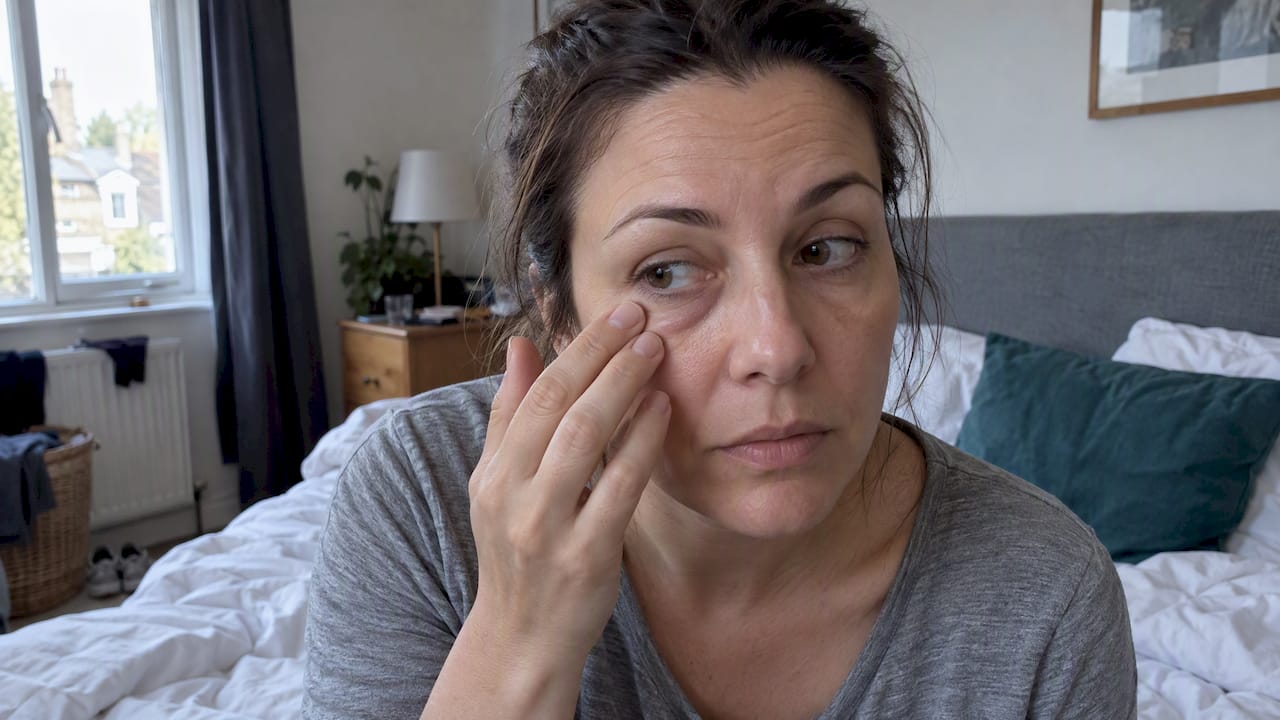
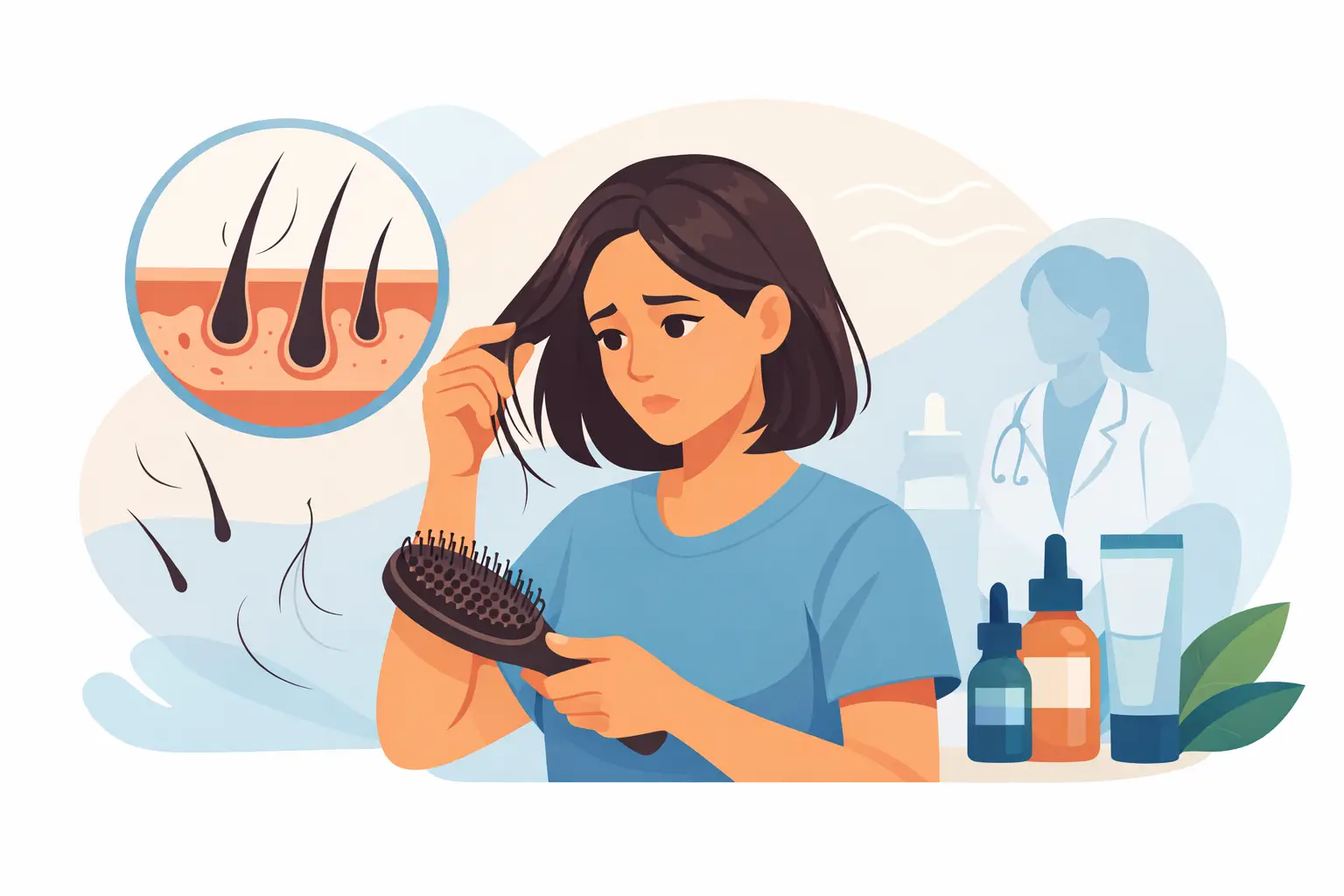

A noticeably fuller hairbrush, more strands around the plughole, or a widening parting can feel unsettling long before anyone else sees a change. Knowing how to treat early hair shedding starts with separating a temporary shift in the hair cycle from a concern that needs prompt clinical assessment. The right response is rarely a single product. It is a measured, medically informed plan based on what has changed in your health, lifestyle and scalp.
Hair shedding is common, but it should not simply be dismissed. Early attention may help identify correctable triggers, preserve existing density and give you a clearer route forward without unnecessary treatments or exaggerated promises.
First, understand what early hair shedding can mean
It is normal to shed hair each day. Individual strands move through growing, resting and shedding phases at different times, so some loss during washing or styling is expected. The concern is a sustained increase beyond your usual pattern, particularly if it is accompanied by reduced volume, a widening parting, more visible scalp, recession at the temples or thinning through the crown.
A sudden, diffuse increase in shedding often follows a disruption to the body. This is sometimes called telogen effluvium. Emotional stress, a high fever or infection, surgery, rapid weight loss, restrictive dieting, a major life event, hormonal change and certain medicines can all be relevant. Shedding may not appear until two to three months after the trigger, which can make the connection easy to miss.
Pattern hair loss tends to be more gradual. In women, it may present as a broader parting or reduced density across the top of the scalp. In men, the temples and crown are more commonly affected. These patterns can have a genetic and hormonal component, and earlier intervention is often more useful than waiting until thinning becomes advanced.
How to treat early hair shedding with the right assessment
The first treatment is a proper assessment, not a purchase made in panic. A consultation should explore when the shedding began, whether it is diffuse or localised, your family history, recent illness, stress, diet, menstrual or menopausal changes, pregnancy or post-partum changes, medications and haircare habits.
Your practitioner should also examine the scalp and hair distribution. This helps distinguish diffuse shedding from pattern-related thinning, breakage caused by heat or chemical processing, inflammatory scalp conditions and alopecia that may require specialist dermatological care.
Depending on your history, blood testing may be appropriate. Low iron stores, thyroid changes, vitamin B12 or vitamin D deficiency and other health factors can contribute to shedding in some people. Testing should be purposeful and interpreted in the context of your symptoms, rather than treated as a generic wellness exercise. Correcting a documented deficiency is very different from taking high-dose supplements without a clinical reason.
If the onset is sudden, a precise timeline is particularly valuable. Think back over the previous three months rather than only the last few weeks. A demanding work period, illness, new medication, stopping hormonal contraception or an intensive diet may be the clue that makes the pattern understandable.
Protect the hair you have while the cause is being addressed
When shedding is active, the aim is to reduce avoidable stress on already vulnerable strands. This does not mean avoiding washing your hair. In fact, less frequent washing does not stop shedding; it can simply make the accumulated loss look more dramatic on wash day. Use a gentle shampoo suited to your scalp, condition the lengths and avoid vigorous towel-drying.
Be especially careful with tight ponytails, extensions, frequent bleaching, chemical straightening and high-heat styling. These may not cause shedding from the root, but they can worsen breakage and make density look poorer. A looser style, heat protection and a lower-temperature setting can make a worthwhile visual difference while your treatment plan takes effect.
Nutrition also matters, although it is not a shortcut. Hair is sensitive to inadequate protein intake and rapid calorie restriction. Aim for regular, balanced meals with sufficient protein, iron-rich foods and a range of fruit, vegetables and healthy fats. If you suspect a deficiency, seek advice before adding supplements. Excessive supplementation, particularly with certain vitamins and minerals, can be unhelpful and occasionally harmful.
Sleep and stress support are relevant too, but they should be discussed realistically. Stress management will not reverse every form of hair loss, and no one should be made to feel that their shedding is their fault. It can, however, be a constructive part of recovery where a significant physiological or emotional stressor has played a role.
Treatments depend on the cause and your goals
There is no universal treatment for hair shedding. A bespoke plan should reflect the diagnosis, the speed of change, your medical history and whether the priority is reducing active loss, supporting scalp health or improving the appearance of density.
For pattern hair loss, clinically appropriate topical or oral prescription options may be discussed by a qualified prescriber. These treatments are not suitable for everyone. Potential side effects, pregnancy considerations, other medications and the need for ongoing use all deserve a clear conversation before starting. It can take several months to judge benefit, and some treatments may cause an initial temporary increase in shedding as follicles transition through their cycle.
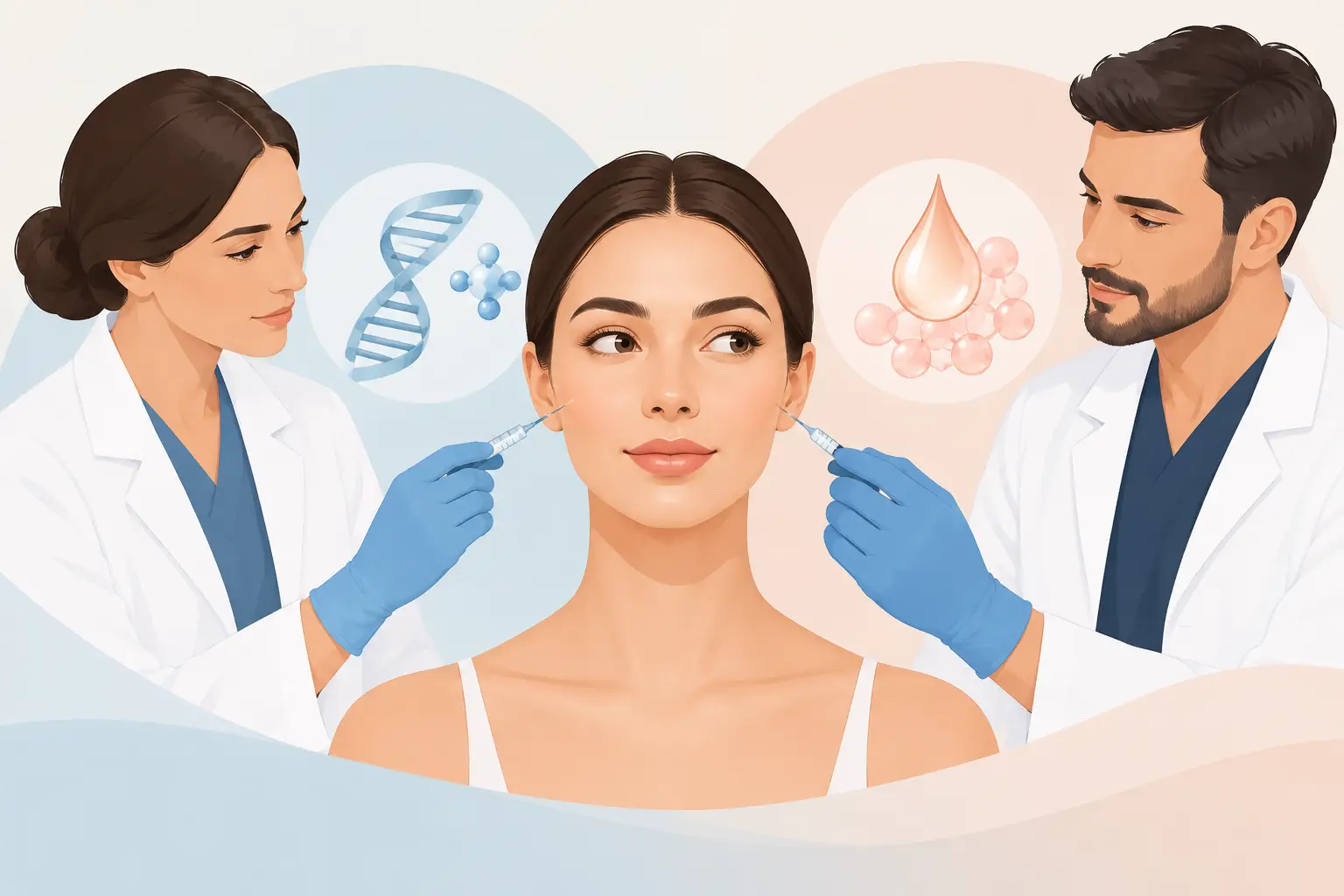
For suitable patients, platelet-rich plasma treatment may be considered as part of a wider hair restoration strategy. This uses a concentrated portion of your own blood, prepared and injected into targeted areas of the scalp. It is not a guaranteed cure and results vary, but some people value it as a non-surgical, consultation-led option to support hair quality and density. A reputable clinic will be open about expected outcomes, treatment intervals, discomfort, cost and whether the likely benefit justifies the investment in your particular case.
Scalp-focused treatments may also help where inflammation, excessive oiliness, flaking or irritation is affecting the environment in which hair grows. These should complement, not distract from, investigating the underlying reason for the shedding.
Cosmetic support has a place as well. A well-cut style, colour placement that creates depth, discreet hair fibres or a professionally fitted hairpiece can restore confidence while longer-term treatment is assessed. There is no need to choose between feeling better now and taking a considered clinical approach.
Be cautious with quick fixes and online advice
The hair-loss market is crowded with shampoos, gummies, oils and devices that promise dramatic regrowth. Some can make the hair feel smoother or improve the scalp’s comfort, but a cosmetic effect should not be confused with treating the biological cause of shedding.
Be wary of products that claim to reverse every type of hair loss, require expensive subscriptions without assessment, or use before-and-after images without clear timelines. Equally, do not stop prescribed medication or begin hormone-related treatment because of social media advice. Hair concerns deserve the same care and safety standards as any other medical aesthetic concern.
When to seek prompt medical advice
Arrange an assessment sooner if shedding is sudden and severe, occurs in distinct patches, or is associated with scalp pain, burning, redness, scaling or scarring. Seek medical advice if you also have fatigue, unexplained weight change, changes to your periods, new facial hair growth, symptoms of thyroid dysfunction or other signs that your general health may be affected.
Children, pregnant or breastfeeding women, and anyone with a history of autoimmune disease should receive appropriately tailored advice. If you suspect hair loss may be linked to a medicine, speak to the clinician who prescribed it before making changes.
Give your plan enough time to work
Hair growth is slow, and the emotional urgency of shedding can make this difficult. A healthy scalp does not transform in a fortnight. Once the trigger is removed or a suitable treatment begins, reduced shedding may be noticed first; visible improvements in density can take longer because new hairs need time to grow and mature.
Photographs taken in consistent lighting, from the same angle and with the same parting, are more reliable than daily mirror checks. They can help you and your practitioner judge progress over several months without being misled by styling, humidity or a single difficult wash day.
At The Aesthetics Room, a hair consultation is designed to give that concern the attention it deserves: a careful review of the likely causes, realistic treatment options and a plan that respects both your health and your confidence. The most reassuring next step is not to chase the latest hair trend, but to understand your own pattern early and choose care that is precise, safe and suited to you.