

A search for a skin clinic Knightsbridge London can return a polished array of options, but an elegant setting alone is not a measure of clinical quality. When your face, skin health or wellbeing is involved, the most valuable luxury is time: time for a considered consultation, a clear explanation of options and a treatment plan that respects your features rather than follows a passing trend.
For clients who expect discretion, high standards and refined results, choosing a clinic is about more than finding the newest device or a treatment with an appealing name. It is about finding practitioners who listen carefully, assess honestly and put safety before a quick sale.
What should set a skin clinic in Knightsbridge London apart?
Knightsbridge has long attracted people who appreciate exceptional service, and aesthetic care should meet the same expectation. Yet premium care is not simply about an attractive reception or an extensive treatment menu. It is demonstrated in the clinical processes behind every appointment.
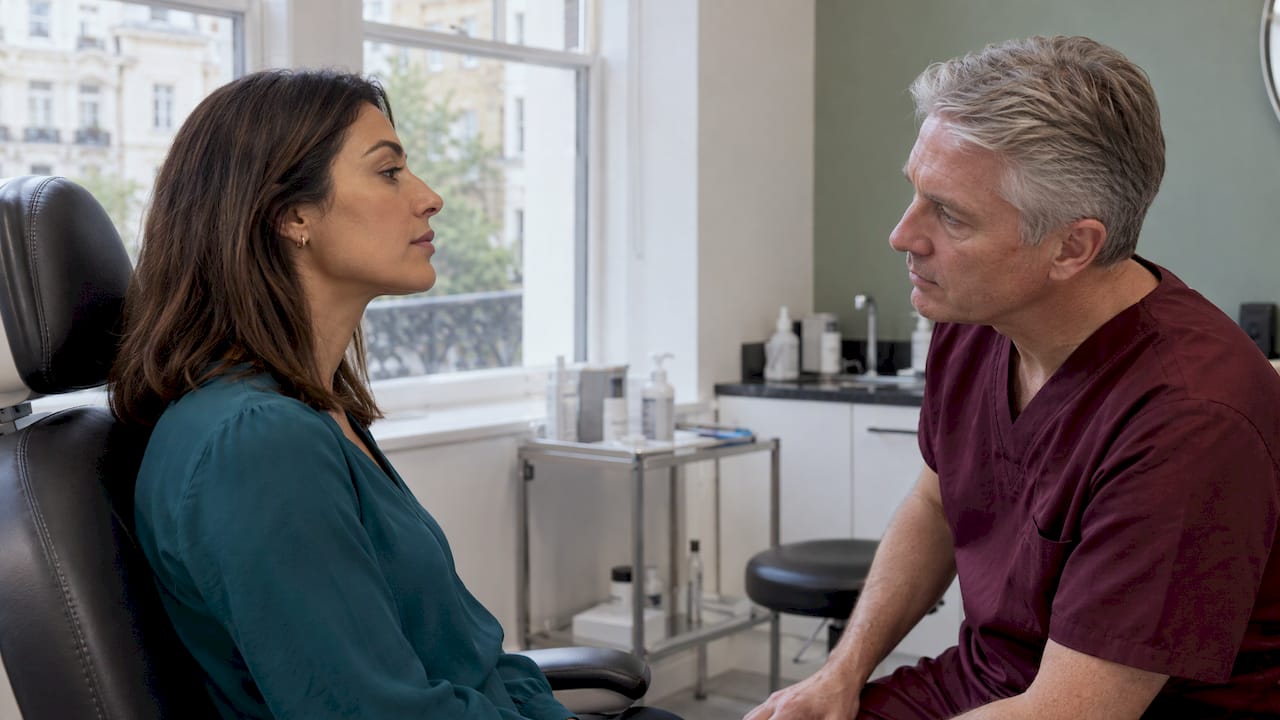
A reputable clinic begins with the individual. Your practitioner should ask about your concerns, your medical history, previous treatments, lifestyle and the result you would genuinely feel comfortable seeing in the mirror. They should also be prepared to say when a treatment is unsuitable, unnecessary or best delayed.
This consultation-led approach matters because skin concerns rarely sit in isolation. Fine lines can be influenced by dehydration, volume changes, muscle movement and sun exposure. Dullness may relate to the skin barrier, pigmentation, stress, sleep or an unsuitable home routine. A fuller-looking face is not always the answer to a tired appearance. Careful assessment prevents overtreatment and creates results that feel like you, on a particularly well-rested day.
Look for medical standards, not marketing claims
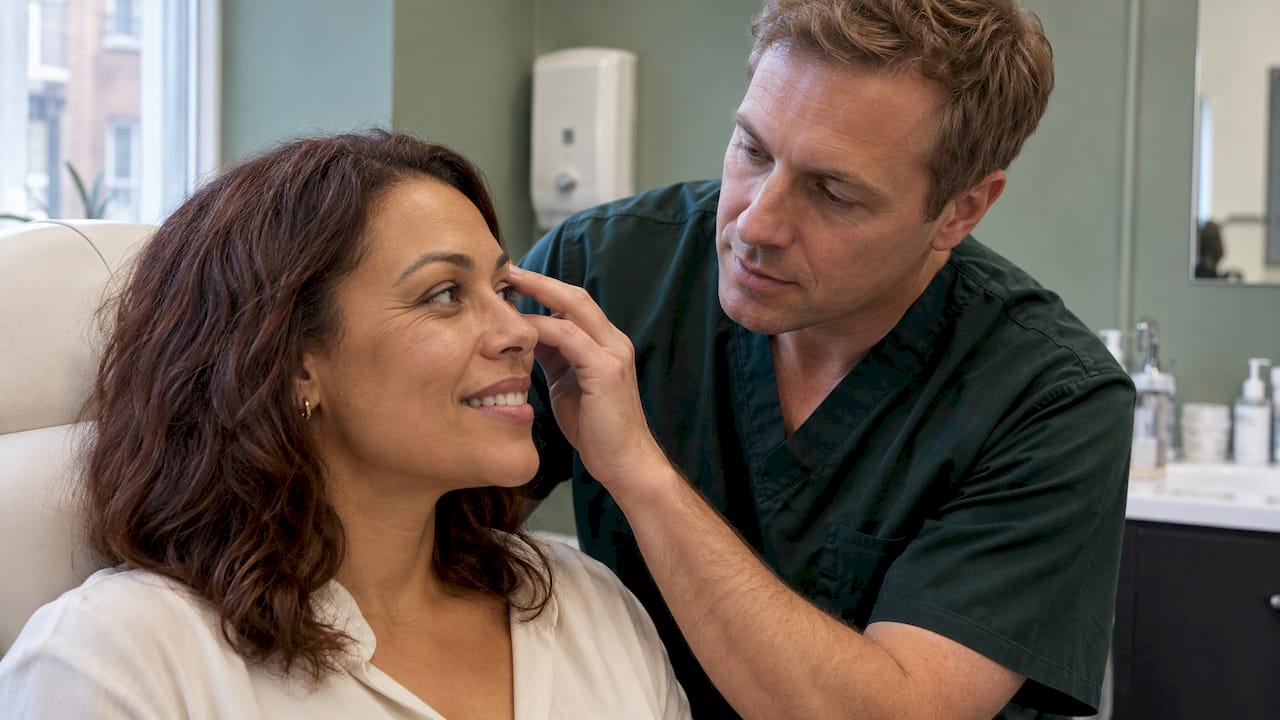
Non-surgical aesthetics can be highly effective, but they are still clinical treatments. Anti-wrinkle injections, dermal fillers, fat-dissolving treatments and intravenous vitamin therapy each require appropriate assessment, skilled administration and clear aftercare. The right clinic will never treat these as casual beauty add-ons.
Ask who will carry out your treatment, what training and experience they have, and what protocols are in place if you need support afterwards. You should feel able to discuss potential side effects, recovery time, expected longevity and the limits of a treatment without feeling rushed. Good advice is specific rather than vague: it sets out what is achievable for your anatomy and skin, not what looks impressive in a promotional image.
Medical oversight and a strong safety culture are especially important where injectable treatments are concerned. A proper consultation should consider contraindications, medication, allergies and relevant medical conditions. Consent should be informed, not a box-ticking exercise. You deserve to know not only what the likely benefits are, but also what can go wrong and how the clinic would manage it.
For many clients, professional affiliations and regulated clinical standards offer further reassurance. They do not replace your own judgement, but they can indicate that a clinic takes governance, ongoing education and patient safety seriously.
Choose a plan, not a one-off answer
The most natural aesthetic outcomes are often built gradually. A single treatment may be appropriate for a defined concern, such as softening expression lines or restoring a small area of lost volume. But where the goal is healthier, clearer, more luminous skin, a staged programme can be more intelligent than trying to achieve everything in one visit.
At The Aesthetics Room, the 7 Pillar Skin Optimisation Protocol reflects this wider view of skin health. Rather than treating a concern in isolation, it considers the factors that influence how skin looks, behaves and ages. This can include treatment selection, skin quality, lifestyle considerations and a realistic maintenance plan.
A bespoke plan may combine medical-grade skin treatments with carefully placed injectables, or focus entirely on restoring skin quality before considering facial balancing. Someone concerned about laxity around the jawline may benefit from a different approach to someone with active breakouts, uneven tone or dehydration. Similarly, hair thinning, body contouring and wellbeing concerns require their own assessment rather than being folded into a generic package.
There is also value in restraint. More product is not automatically better, and an expensive treatment is not automatically the most suitable. The best recommendation is the one that addresses your priorities with the least unnecessary intervention.
Natural results require proportion and patience
Natural-looking does not mean invisible. It means that improvements sit comfortably with your face, expression and personal style. Friends may notice that you look fresher or healthier without being able to identify exactly why.
This outcome depends on proportion. In facial aesthetics, a practitioner considers the relationship between features rather than focusing only on the area that first catches your attention. Treating lips, cheeks or the lower face in isolation can sometimes create imbalance. A broader assessment helps preserve harmony and avoids the overfilled appearance that many discerning clients wish to avoid.
Patience also plays a role. Some treatments need time for swelling to settle, collagen processes to develop or skin turnover to improve. Clinics that promise dramatic, permanent or guaranteed results should be approached with caution. A trustworthy practitioner will set a realistic timeline and arrange review appointments where appropriate.
Questions worth asking at your consultation
The consultation is your opportunity to assess the clinic as much as it is their opportunity to assess your needs. You do not need clinical knowledge to ask sensible, important questions. Consider asking how the proposed treatment addresses your specific concern, what alternatives may be suitable, how long the result usually lasts and what aftercare you will need.
It is also reasonable to ask about downtime. A professional schedule may not allow for visible bruising or swelling before an important meeting, wedding or holiday. Your practitioner should help you plan with sufficient margin rather than encouraging a last-minute appointment. Even treatments with minimal downtime can produce an individual response.
If you have had previous aesthetic work, be open about it. This is particularly relevant with fillers, because the product used, placement and timing can affect what is appropriate next. Bringing previous treatment information where available supports safer decision-making.
Finally, pay attention to how the conversation feels. You should leave with clarity, not pressure. A high-quality clinic welcomes questions, gives you time to reflect and respects a decision to begin conservatively or not proceed at all.
Why aftercare is part of the treatment
The appointment itself is only one part of a good patient experience. Clear aftercare protects your comfort and supports the intended result. Depending on the treatment, this may include guidance around exercise, heat exposure, make-up, skincare actives, alcohol, sleeping position or when to contact the clinic.
Aftercare should be straightforward to access and tailored to the procedure you have had. You should know what is normal during recovery and what requires prompt advice. This is particularly reassuring for first-time patients, but it matters just as much for experienced aesthetic clients who understand that every treatment and every response can differ.
Ongoing care also makes results easier to maintain. Skin does not stand still, and neither do your priorities. Seasonal changes, stress, hormonal shifts and ageing can all affect your complexion and confidence. Periodic reviews allow a plan to evolve instead of relying on repeated treatments out of habit.
Finding the right fit for your goals
The right clinic will not make you feel that you need to change your face to meet someone else’s idea of beauty. It will help you articulate what you would like to improve, then provide candid guidance grounded in clinical judgement.
For some people, that may mean anti-wrinkle treatment to soften lines that make them look more tired than they feel. For others, it could mean targeted skin treatments for texture and pigmentation, support for hair concerns, or a wellbeing-focused approach alongside aesthetic care. What matters is that the recommendation has a clear rationale and that it fits your comfort level, budget and timetable.
A considered consultation is therefore never a formality. It is the foundation for safe treatment, subtle enhancement and confidence that lasts beyond the first appointment. Choose a clinic where you feel heard, informed and appropriately cared for – then allow your plan to be as individual as your goals.