
TL;DR:
- Radiofrequency treatment is a non-invasive procedure that heats the dermis to stimulate collagen and elastin production for skin tightening. It offers gradual results with minimal downtime, making it suitable for mild to moderate skin laxity in adults aged 30 to 55. Safety depends on practitioner skill, and combining RF with other treatments enhances facial rejuvenation outcomes.
Radiofrequency treatment is a non-invasive cosmetic procedure that uses electromagnetic energy to heat the dermis and stimulate collagen and elastin production, firming and tightening the skin without surgery. Operating in the 0.3–10 MHz frequency range, it delivers controlled thermal energy deep into the skin’s dermal layer while leaving the surface intact. Recognised by professional bodies including the JCCP and BACN as a legitimate non-surgical skin tightening method, radiofrequency therapy has become one of the most requested energy-based treatments in medical aesthetics clinics across the UK. The results are gradual, cumulative, and grounded in well-documented biology.
How does radiofrequency treatment work?
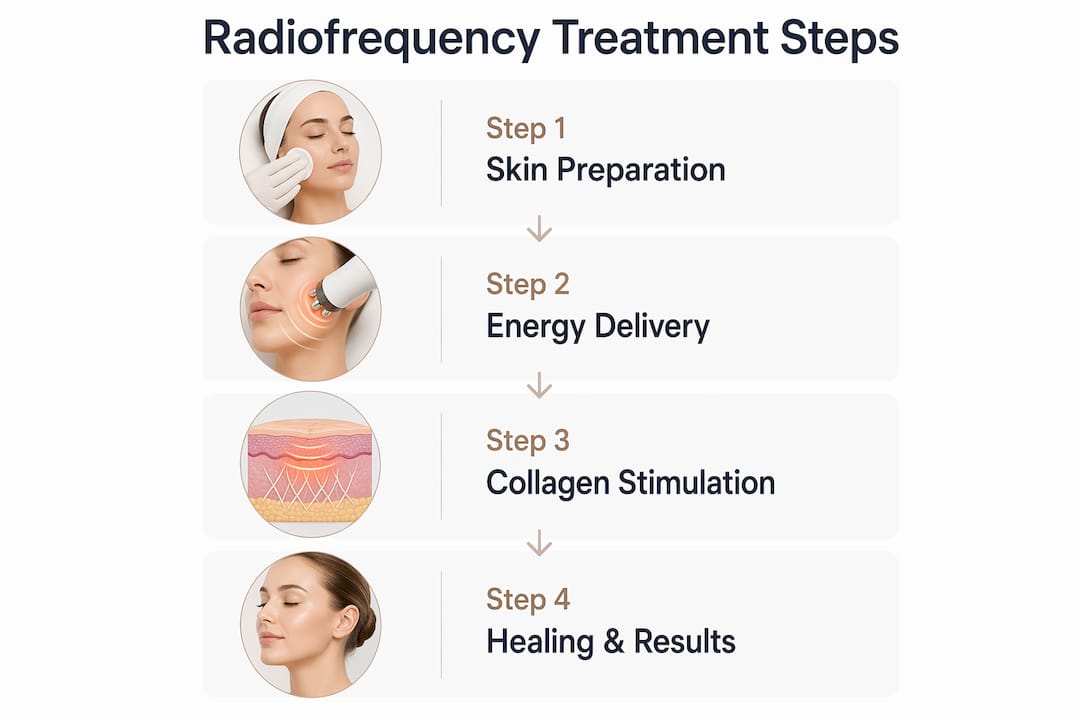
Radiofrequency skin tightening works by heating the dermis to 40–43°C, the precise temperature range that triggers two distinct biological responses. The first is immediate: existing collagen fibres contract upon heating, producing a subtle tightening effect you can feel within hours of treatment. The second is longer-lasting and far more significant.
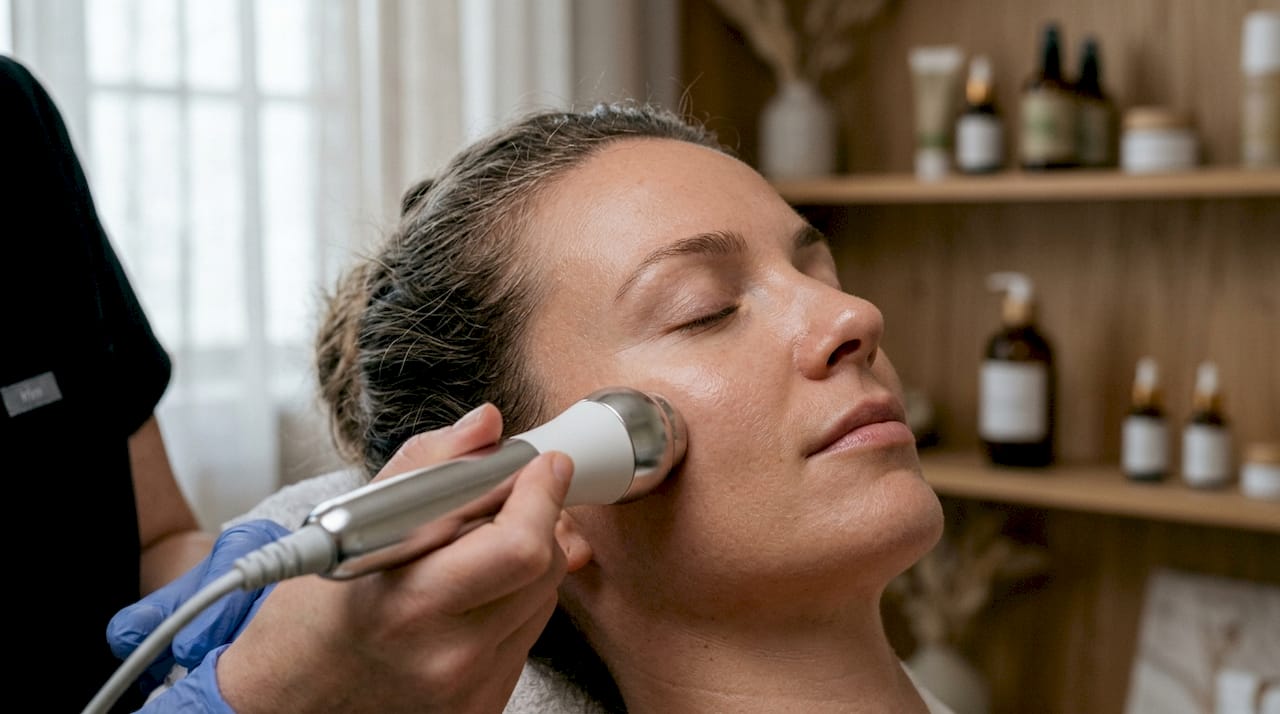
Thermal energy heats dermal fibroblasts, triggering a controlled wound-healing response that activates new collagen synthesis. This process, known as neocollagenesis, continues for months after each session. The skin gradually becomes firmer, smoother, and more structured as fresh collagen fibres form and mature beneath the surface.
Monopolar versus bipolar delivery
The way radiofrequency energy reaches the dermis depends on the device configuration. Monopolar RF delivers energy through a single electrode and a grounding pad placed elsewhere on the body, allowing deeper dermal penetration. This makes it well suited to significant tightening of the face, neck, and body. Bipolar RF uses two electrodes placed close together, creating a shallower, more controlled heating pattern. Bipolar configurations suit thinner skin areas and patients who need precise, localised treatment.
How radiofrequency compares to lasers and ultrasound
Radiofrequency differs from CO2 laser resurfacing in one critical way: it bypasses the epidermis entirely. CO2 lasers ablate the skin surface to stimulate renewal, which produces strong results but requires significant downtime. Radiofrequency reaches the dermis without surface damage, meaning most patients return to normal activity the same day. High-intensity focused ultrasound (HIFU) targets the SMAS layer beneath the dermis, making it more suitable for deeper structural lifting. Radiofrequency sits between these two options, offering meaningful dermal remodelling with minimal disruption.
Pro Tip: Ask your practitioner whether monopolar or bipolar RF is planned for your treatment area. The answer tells you a great deal about how well the protocol has been tailored to your skin.
What types of radiofrequency treatments are available?
Radiofrequency technology comes in several configurations, each designed for a different clinical purpose. Understanding the differences helps you ask better questions before booking.
RF-only surface electrode treatments
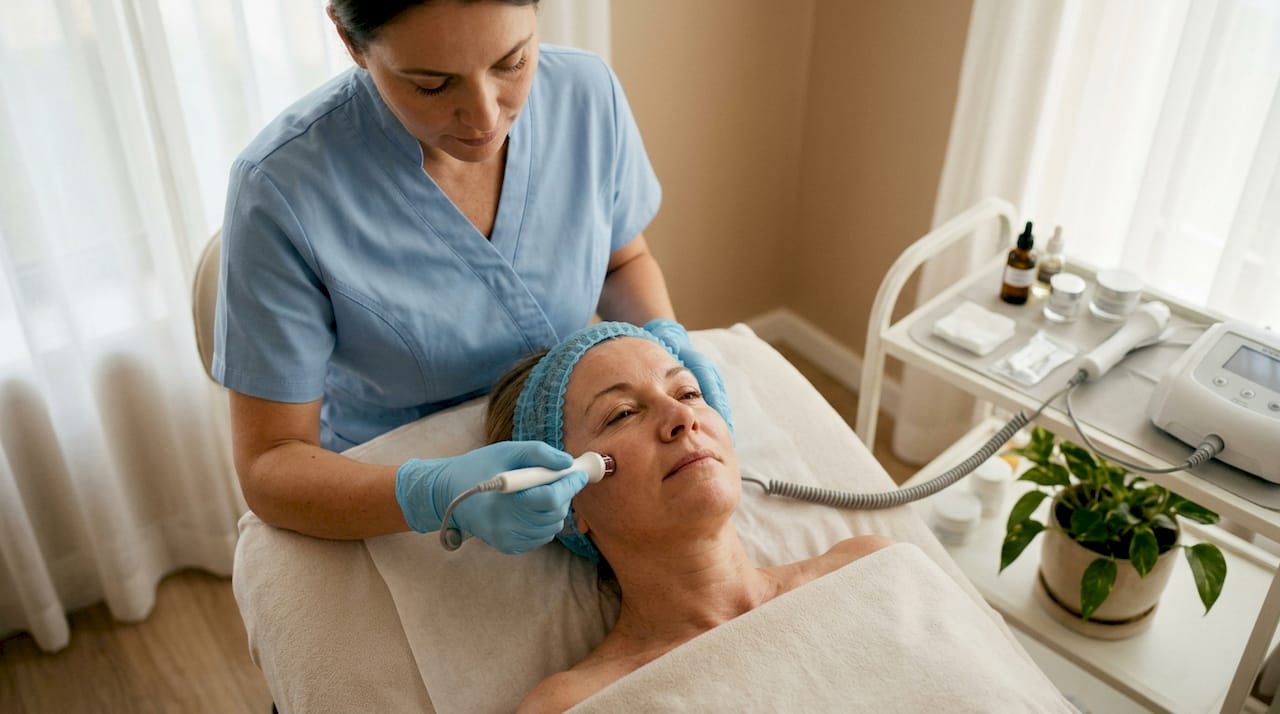
Standard RF treatments use surface electrodes to deliver energy through the skin. These are the most widely available form of radiofrequency skin treatment in UK clinics. They work well for mild to moderate laxity on the face, jawline, neck, and décolletage. Sessions typically last 30–60 minutes, and most treatment plans involve 3–6 sessions spaced several weeks apart.
RF microneedling hybrids
RF microneedling combines fine needles with radiofrequency energy delivery directly into the dermis. The needles create micro-channels while simultaneously emitting RF energy at a precise depth. This hybrid approach produces stronger collagen stimulation than surface RF alone and is particularly effective for skin texture, acne scarring, and moderate laxity. It does involve more post-treatment redness and a short recovery period of 24–48 hours.
Professional versus at-home devices
The distinction between clinical and consumer devices matters enormously. At-home RF devices operate at substantially lower energy levels than professional equipment. Without real-time thermal monitoring or professional supervision, the risk of uneven results or burns is higher. Clinical devices used by trained practitioners include calibrated thermal feedback systems that adjust energy delivery based on skin response. The gap in efficacy and safety between the two categories is significant.
| Treatment type | Depth reached | Downtime | Best suited for |
|---|---|---|---|
| Surface RF (monopolar) | Deep dermis | None | Facial and body laxity |
| Surface RF (bipolar) | Superficial dermis | None | Delicate or thin skin areas |
| RF microneedling | Mid to deep dermis | 24–48 hours | Texture, scarring, moderate laxity |
| At-home consumer RF | Superficial only | None | Maintenance (low efficacy) |
Who is a good candidate for radiofrequency treatment?
Radiofrequency therapy benefits people with early to moderate signs of skin laxity. The procedure suits individuals aged 30–55 with mild to moderate skin looseness who want to firm their skin without surgery. It is also used as a “prejuvenation” tool by people in their late twenties who want to maintain skin quality before laxity becomes visible.
Results develop progressively. Neocollagenesis occurs over 2–6 months post treatment, meaning the best outcomes appear several months after a full course of sessions. Patients who expect instant dramatic results are likely to be disappointed. Those who commit to a full treatment plan and realistic expectations consistently report meaningful improvement in skin firmness and texture.
When radiofrequency is not the right choice
RF is not a replacement for surgical lifting in cases of advanced skin sagging. Surgical procedures reposition underlying tissue structures, which radiofrequency cannot replicate. For significant jowling, deep neck laxity, or excess skin following major weight loss, a consultation with a surgeon is the appropriate first step. You can read more about non-surgical versus surgical options to understand where each approach fits.
- Mild to moderate laxity on the face, neck, or body with no desire for surgery.
- Age range 30–55, though younger patients use it preventatively and older patients with good skin quality can still benefit.
- Realistic expectations about gradual improvement over several months rather than immediate transformation.
- No contraindications, including no pacemakers, implanted cardioverter defibrillators (ICDs), cochlear implants, or other electronic neurostimulators.
Pro Tip: If you are considering RF as a maintenance treatment in your thirties, starting earlier produces better long-term results. Collagen stimulation is more efficient in skin that has not yet lost significant structural density.
What are the risks and side effects of radiofrequency treatment?
Radiofrequency skin treatment has a strong safety record when performed correctly. Typical mild effects include redness, warmth, and minor swelling, all of which subside within a few hours. Most patients return to work or social activities immediately after a session.
Serious complications are rare. Burns and blistering occur in less than 1% of incidents in clinical surveys, and the majority of these cases are linked to operator error or incorrect heat settings rather than the technology itself. This is why practitioner selection is the single most important safety decision you make.
Choosing a qualified practitioner
Practitioners registered with the JCCP, BACN, GMC, NMC, or HCPC follow regulated protocols that include pre-treatment screening, calibrated device settings, and real-time monitoring. These registrations are not optional extras. They are the baseline standard for safe energy-based treatments in the UK. Choosing an unregistered provider to save money on radiofrequency treatment cost is the most common way patients end up with adverse outcomes.
Key safety checks before booking:
- Confirm the practitioner holds a recognised medical qualification (doctor, nurse, or allied health professional).
- Ask whether the clinic is registered with the Care Quality Commission (CQC).
- Request a full consultation that includes contraindication screening before any device is used.
- Verify that the device used is a CE-marked or UKCA-marked clinical-grade system, not a consumer model.
- Ask about the clinic’s protocol for managing adverse reactions if they occur.
You can find detailed safety guidance for aesthetic treatments to help you evaluate any clinic before committing to a booking.
How does radiofrequency fit within skin tightening options?
Radiofrequency occupies a specific and valuable position within the broader range of skin rejuvenation treatments. It offers meaningful dermal remodelling with no surgical risk and minimal downtime, but it works best within a defined range of skin ageing.
| Treatment | Mechanism | Downtime | Best for |
|---|---|---|---|
| Radiofrequency | Dermal heating, collagen stimulation | None to minimal | Mild to moderate laxity |
| CO2 laser resurfacing | Surface ablation and dermal renewal | 7–14 days | Texture, pigmentation, fine lines |
| HIFU | Deep SMAS layer targeting | None | Moderate to significant laxity |
| Surgical facelift | Tissue repositioning | Weeks | Advanced sagging and volume loss |
| Dermal fillers | Volume restoration | None | Volume loss, static lines |
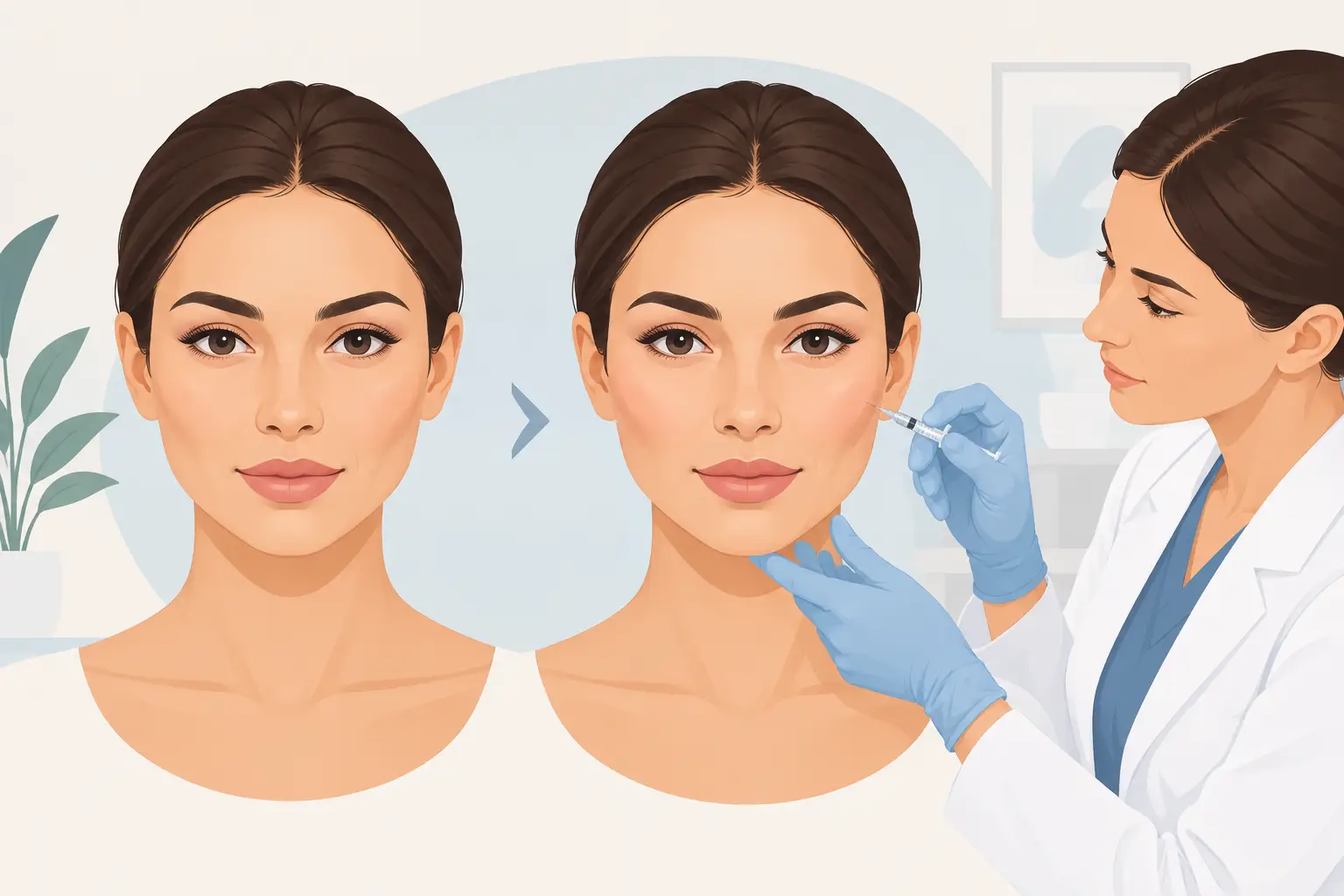
Radiofrequency works particularly well in combination with other treatments. Pairing RF with dermal fillers addresses both skin laxity and volume loss simultaneously, producing more complete facial rejuvenation than either treatment alone. Similarly, combining RF with Botox targets dynamic lines while the RF addresses skin quality and firmness. These combination approaches are standard practice at experienced medical aesthetics clinics and reflect a more complete understanding of facial ageing.
RF is not the strongest single tool for any one concern, but it is one of the most versatile. Its ability to improve skin quality, firmness, and texture with no downtime makes it a practical choice for people who cannot afford recovery time or who want to maintain results between more intensive treatments.
Key takeaways
Radiofrequency treatment is the most accessible non-surgical method for stimulating collagen production and improving skin firmness, provided it is delivered by a qualified practitioner using calibrated clinical equipment.
| Point | Details |
|---|---|
| Core mechanism | RF heats the dermis to 40–43°C, triggering collagen contraction and new collagen synthesis over months. |
| Best candidate profile | Adults aged 30–55 with mild to moderate skin laxity who want non-surgical improvement. |
| Results timeline | Visible improvement develops over 2–6 months as neocollagenesis progresses after each session. |
| Safety depends on the practitioner | Serious complications are rare but almost always linked to operator error, not the technology itself. |
| Combination treatments | Pairing RF with dermal fillers or Botox addresses multiple signs of ageing more effectively than RF alone. |
My view on radiofrequency: what the results actually tell us
I have seen radiofrequency treatment deliver genuinely impressive results, and I have also seen it disappoint. The difference almost always comes down to two things: patient selection and practitioner skill.
RF works. The science behind neocollagenesis is solid, and the clinical evidence for meaningful skin tightening in the right candidates is consistent. What it does not do is produce surgical results. When I see patients who have been told RF will give them the same outcome as a facelift, I know they have been set up for disappointment. The honest conversation is this: RF is excellent for maintaining skin quality, slowing visible ageing, and improving mild to moderate laxity. For anything beyond that, a different approach is needed.
The practitioner question matters more than most people realise. Calibrated thermal monitoring during treatment is not a luxury. It is what separates a safe, effective session from one that risks burns or uneven results. I always advise people to treat practitioner credentials as a non-negotiable, not a nice-to-have.
Where I find RF most compelling is in combination protocols. Used alongside injectables or other energy-based treatments, it contributes to a more complete result than any single modality can achieve. Patients who commit to a full course and realistic expectations consistently leave with skin that looks and feels meaningfully better. That is a good outcome, and it is worth pursuing correctly.
— Vishul
Radiofrequency treatments at Theaestheticsroom
Theaestheticsroom offers professional radiofrequency skin treatments at its Knightsbridge clinic, delivered by medically qualified practitioners registered with recognised bodies including the CQC and ACE Group. Every treatment begins with a personalised consultation to assess skin laxity, contraindications, and the most appropriate device configuration for your skin.
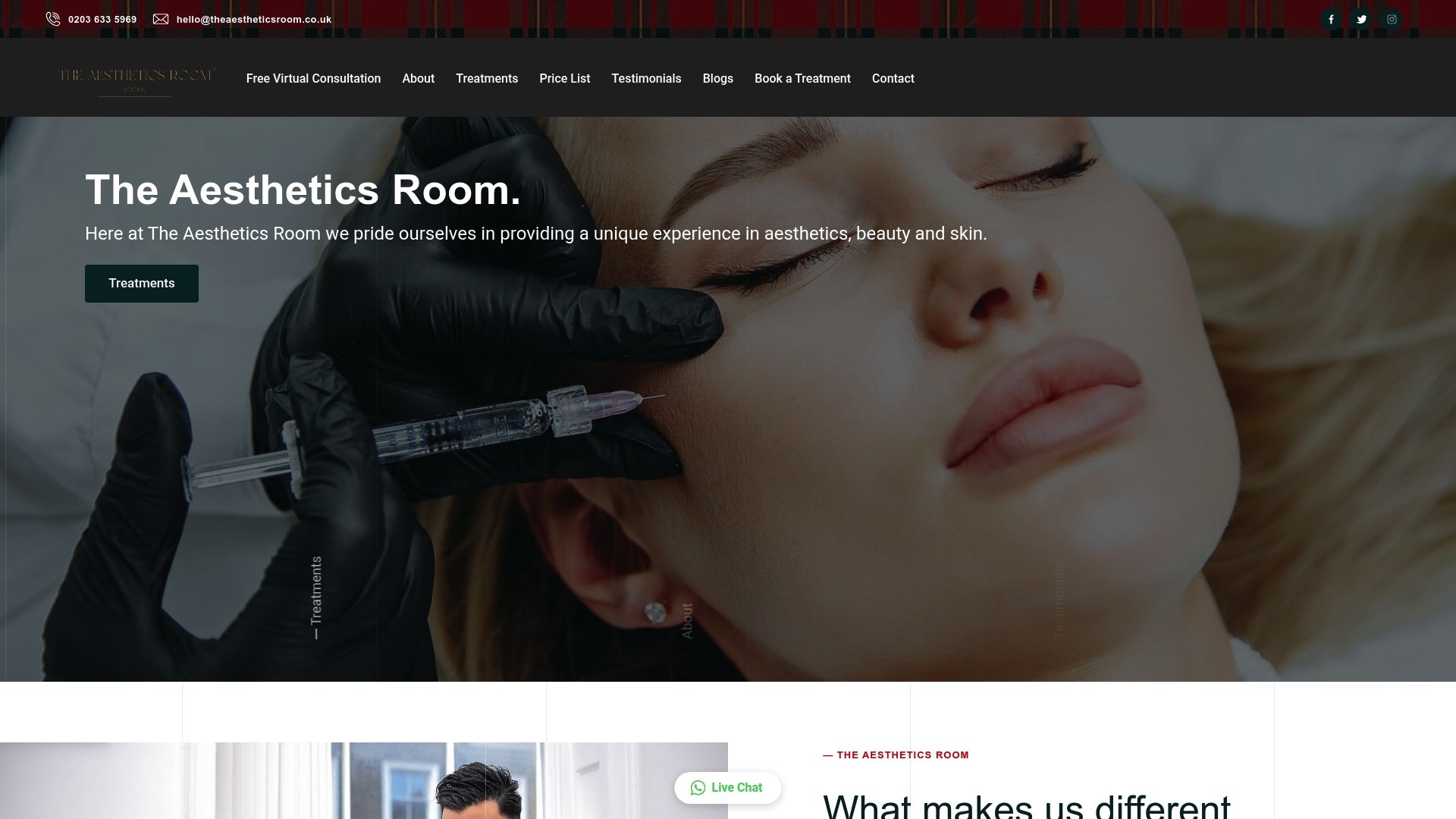
For clients seeking more complete facial rejuvenation, Theaestheticsroom combines RF with complementary treatments including Botox and dermal fillers, tailoring each plan to your skin’s specific needs. Whether you are exploring RF for the first time or looking to build on previous results, the team provides clear, evidence-based guidance at every stage. Book a consultation at Theaestheticsroom to discuss your skin goals and find out which treatment plan is right for you.
FAQ
What is radiofrequency treatment used for?
Radiofrequency treatment is used to firm and tighten skin by stimulating collagen and elastin production in the dermis. It addresses mild to moderate skin laxity on the face, neck, and body without surgery.
How many sessions of radiofrequency treatment do you need?
Most people require 3–6 sessions for meaningful results, spaced several weeks apart. Clinical experts recommend multiple sessions to build cumulative collagen stimulation and extend the longevity of outcomes.
Is radiofrequency treatment safe?
Radiofrequency treatment is safe when performed by a qualified practitioner using calibrated clinical equipment. Serious side effects such as burns occur in fewer than 1% of cases and are almost always linked to operator error.
How long do radiofrequency results last?
Results typically develop over 2–6 months as new collagen matures. Maintenance sessions every 6–12 months help sustain the improvement, as natural collagen degradation continues with age.
Can radiofrequency replace a surgical facelift?
Radiofrequency cannot replicate the structural repositioning achieved by surgery. It is best suited to mild to moderate laxity and works well as a non-surgical facelift option for those not ready or suitable for surgical intervention.