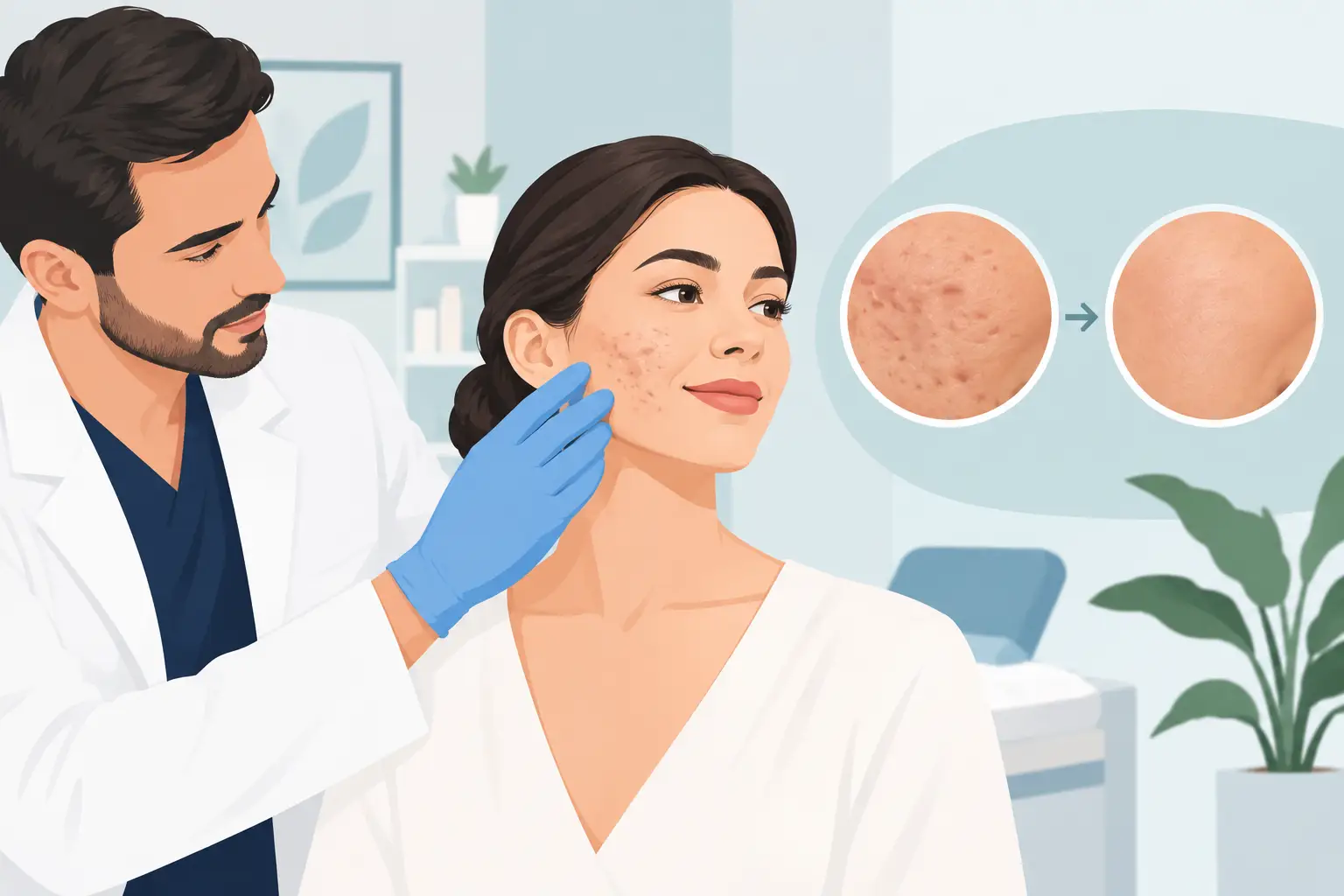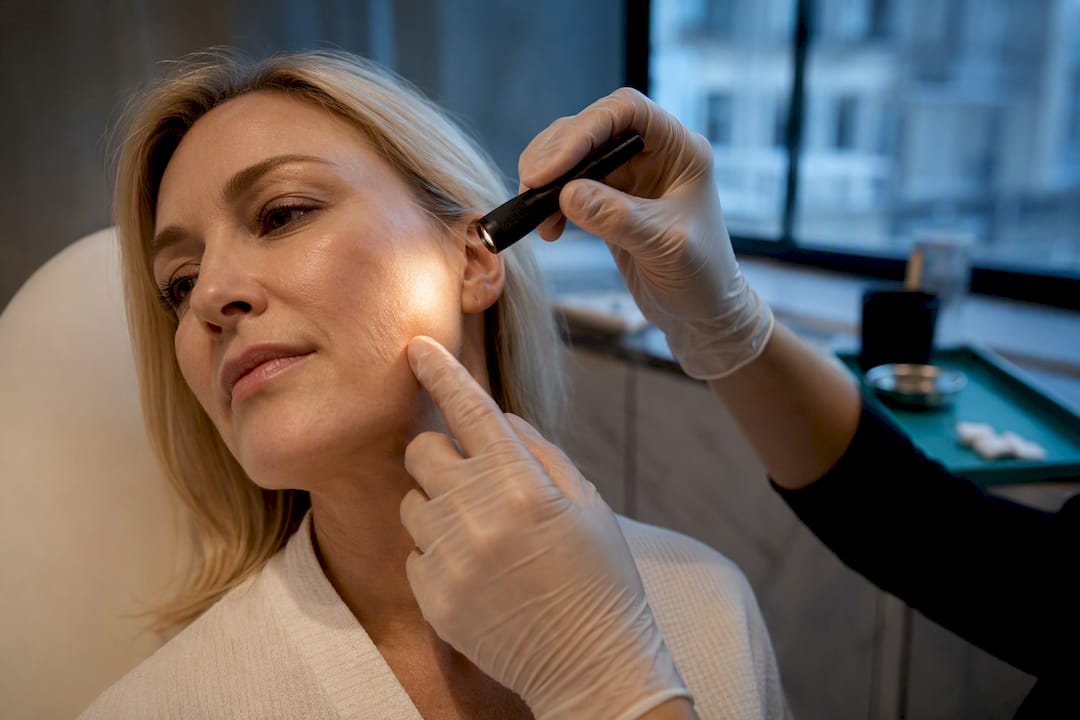


Subtle lines around the eyes or a slight loss of skin radiance can spark the desire for early action—not drastic change. For those living and working in London, preventative aesthetics offer a refined solution that preserves youthful qualities before ageing takes centre stage. This article clarifies the real philosophy behind preventative aesthetics, addresses common misconceptions, and outlines how luxury, personalised care can help you maintain your signature look with confidence and discretion.
Table of Contents
- Defining Preventative Aesthetics And Misconceptions
- Popular Preventative Treatments In 2026
- How These Approaches Preserve Youth
- Personalisation, Safety, And Regulatory Standards
- Financial Value Versus Corrective Treatments
Key Takeaways
| Point | Details |
|---|---|
| Preventative Aesthetics Philosophy | Focused on early intervention to slow visible signs of ageing, rather than corrective treatments later in life. |
| Misconceptions Addressed | Preventative aesthetics is not vain; like dental care, it prevents issues before they arise and maintains natural beauty. |
| Combination Treatments | A shift towards bespoke treatment plans combining various modalities enhances results while minimising intervention. |
| Financial Perspective | Investing in preventative treatments is often more cost-effective than waiting for corrective surgeries later in life. |
Defining Preventative Aesthetics and Misconceptions
Preventative aesthetics—sometimes called prejuvenation—represents a fundamentally different approach to skin care and ageing. Rather than waiting for pronounced wrinkles, loss of volume, or sagging skin to develop, this approach focuses on protecting and strengthening your skin early, typically beginning in your late twenties or thirties. The goal is straightforward: slow the visible signs of ageing before they become pronounced, rather than pursuing corrective treatments later. It’s about working with your skin’s natural ageing process, not against it.
What makes preventative aesthetics distinct is the philosophy underpinning it. Traditional aesthetic treatments have historically been corrective—addressing wrinkles that have already formed, volume that has already diminished, or skin texture that has already deteriorated. Preventative aesthetics inverts this logic. Prejuvenation focuses on preventing visible signs of ageing through early interventions using microdosed treatments, skin boosters, and collagen induction therapies that strengthen skin architecture before damage becomes visible. For someone in their thirties or early forties in London, this might mean subtle treatments that maintain your skin’s luminosity, elasticity, and firmness—keeping you looking precisely like yourself, just refreshed. The results are cumulative and natural-looking because you’re enhancing what you already have rather than reconstructing what you’ve lost.
Several misconceptions cloud this approach. The most common? That preventative aesthetics is vain or unnecessary. Clients often assume that if their skin looks fine now, treatment is premature. But consider this: you wouldn’t wait until your teeth are heavily decayed before seeing a dentist. Preventative dental care prevents problems from developing in the first place. Aesthetic prevention works identically. Another misconception suggests that starting early leads to dependency or overdone results. This simply isn’t true when treatments are properly microdosed and delivered by experienced practitioners. The real advantage is maintaining your appearance with minimal intervention over decades, rather than requiring more aggressive corrective work down the line. Additionally, some worry that preventative treatments will look obviously “done.” With the right approach—individualised treatment plans at The Aesthetics Room prioritise your natural aesthetic goals—preventative work enhances rather than alters your appearance.
Pro tip: During your initial consultation, discuss your long-term aesthetic goals rather than treating each appointment in isolation; this allows your practitioner to create a coherent preventative strategy that evolves naturally with your skin over time.
Popular Preventative Treatments in 2026
The landscape of preventative aesthetics has shifted dramatically. What was considered cutting-edge five years ago has now become standard practice, and practitioners in London are increasingly turning to sophisticated treatment combinations that stimulate your skin’s natural regenerative capabilities. Rather than simply adding volume or paralyzing movement, these treatments work with your body’s biology to maintain youthful structure and luminosity from within. The result is a more refined, sustainable approach to looking your best as you age.
Polynucleotides and regenerative therapies have emerged as the cornerstones of preventative treatment in 2026. These bio-stimulating agents encourage your skin to produce its own collagen and elastin, rather than relying on external fillers. Microneedling with platelet-rich plasma (PRP) combines controlled micro-injuries with your body’s own healing factors to trigger collagen remodelling at a cellular level. Advanced exosome therapy harnesses cellular signalling to repair and regenerate skin tissue, making it particularly effective for clients concerned with texture and elasticity. Top preventative aesthetic treatments for 2026 also include chemical peels and microdosed Botox, which work synergistically when combined—the peels improve skin texture whilst subtle Botox maintains your facial structure without creating that frozen appearance.
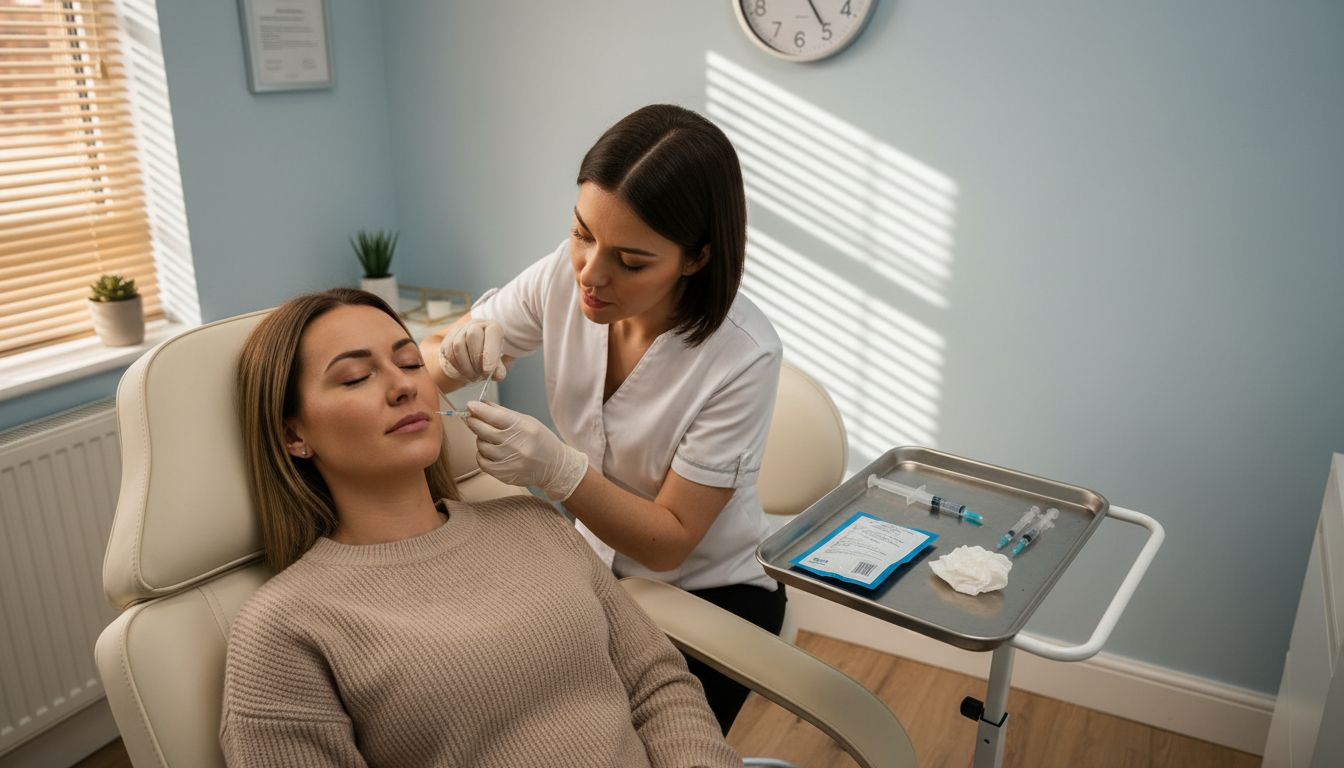
What’s changed most significantly is the move away from single-treatment approaches. Rather than booking a Botox appointment in isolation, clients now benefit from combination modalities designed around their specific concerns. A typical preventative plan might involve quarterly skin booster appointments to maintain hydration and stimulate collagen, combined with annual microneedling treatments and strategic, minimal-dose Botox to prevent dynamic lines from setting in. Regenerative medicine and preventative treatments represent the leading trend because they address ageing at the biological level rather than simply masking it. For someone in their thirties or early forties, this approach means you’re essentially “banking” youthful skin health now, making the need for corrective work far less likely later. Radiofrequency microneedling is gaining particular traction as part of these integrated strategies, offering deeper skin remodelling without downtime or invasiveness.
Pro tip: Ask your practitioner about a bespoke combination plan tailored to your baseline rather than choosing treatments à la carte; preventative results compound most effectively when treatments are sequenced strategically over 12 to 24 months.
How These Approaches Preserve Youth
Preventative aesthetics work by addressing ageing at its source rather than waiting until damage becomes visible. Your skin’s youthfulness depends fundamentally on two things: collagen density and cellular hydration. Both decline predictably as you age. Preventative treatments interrupt this decline before it becomes noticeable, essentially “banking” youthful skin now so you don’t need to catch up later. Microdosed Botox, for instance, works not by creating immobility but by gently relaxing the repetitive facial muscles that etch permanent creases into your skin. When you smile or frown thousands of times over decades, those dynamic movements gradually become static wrinkles. By addressing this early with minimal doses, you prevent those lines from ever setting in. Similarly, preventative aesthetic treatments maintain collagen levels and improve skin hydration through strategic use of skin boosters delivering hyaluronic acid and nutrient complexes directly into the dermis.
The biological mechanism is elegant. Your skin naturally loses approximately one percent of its collagen annually after your thirties. That might sound modest, but over two decades it accumulates to significant structural loss. Collagen-stimulating therapies like polynucleotides and microneedling deliberately trigger your body’s repair response, prompting fibroblasts to produce fresh collagen exactly when you need it most. Rather than replacing collagen with artificial fillers, these treatments encourage your own skin to strengthen itself from within. Elasticity improves, fine lines remain shallow rather than deepening into crevasses, and your skin maintains that plump, resilient quality characteristic of youth. This approach aligns perfectly with how your body naturally ages when well-supported, rather than fighting against biological processes.
What truly sets preventative approaches apart is the compounding effect over time. Preventative aesthetics slow collagen decline and address subtle early signs of ageing through consistent intervention before significant deterioration occurs. Someone beginning preventative treatments in their mid-thirties might need only quarterly skin boosters and annual microneedling to maintain their appearance indefinitely. By contrast, someone waiting until their late forties or fifties typically requires far more aggressive, invasive procedures to achieve similar results. You’re essentially choosing between modest, sustainable maintenance or intensive corrective work. The psychological benefit shouldn’t be overlooked either: preventative treatments allow you to age naturally, watching yourself change gradually rather than waking up one day looking significantly older than you feel. Your appearance evolves with you, rather than suddenly requiring reconstruction.
Pro tip: Start preventative treatments before you think you need them; the ideal time is when your skin still looks good but you want to preserve that quality, typically between ages 30 and 40 for maximum long-term benefit.
Personalisation, Safety, and Regulatory Standards
When you’re investing in preventative aesthetics, you’re placing considerable trust in a practitioner. That trust should never be taken lightly. Personalisation and safety are genuinely intertwined—a truly safe treatment is one tailored specifically to your skin type, concerns, medical history, and aesthetic preferences rather than a standardised protocol applied to everyone. The Aesthetics Room understands this distinction profoundly. Every client receives a comprehensive consultation before any treatment occurs, allowing practitioners to understand not just what you want to look like, but how you want to feel. Do you prefer subtle, barely perceptible changes or more noticeable refinement? Are you concerned about downtime? Do you have sensitive skin or previous adverse reactions to specific ingredients? These conversations shape your bespoke treatment plan.
Safety in aesthetic medicine hinges on regulatory oversight and practitioner qualification. The UK has recently strengthened its framework around non-surgical cosmetic procedures. UK regulations now require practitioners to demonstrate appropriate training and qualifications alongside adherence to strict hygiene and safety protocols. This represents a significant shift away from the days when anyone could administer injectables with minimal training. Local authority oversight differentiates procedures by risk level, ensuring that high-risk treatments are handled only by properly accredited clinics and practitioners. The Aesthetics Room holds Care Quality Commission (CQC) accreditation and maintains membership in the ACE Group, both of which prioritise patient safety through rigorous standards. When you choose a regulated clinic, you’re choosing transparency, accountability, and adherence to evidence-based best practices.
New UK aesthetics regulations establish licensing systems requiring qualifications, training, and premises licensing to reduce harm from unqualified providers. Age restrictions and enforcement mechanisms prevent rogue operators from compromising clinical standards. At The Aesthetics Room, this isn’t merely compliance; it’s philosophy. Your practitioner will review your medical history, discuss contraindications, and explain precisely what to expect during and after treatment. Personalisation extends to aftercare guidance tailored to your specific treatment—what works for one client’s skin may differ entirely from what suits another. This level of customisation, combined with rigorous safety protocols, is what separates premium aesthetic medicine from high-street procedures. You deserve both effectiveness and reassurance that you’re in genuinely capable hands.
Pro tip: Always request your practitioner’s qualifications and the clinic’s accreditations before booking; legitimate providers welcome these questions and can provide verifiable credentials immediately.
Here is a summary of key advantages associated with personalised preventative aesthetics:
| Factor | Personalised Preventative Plan | Standardised Approach |
|---|---|---|
| Safety | Tailored for skin and history | Generic, higher risk |
| Natural Results | Subtle, matches your features | Risk of obvious change |
| Long-Term Satisfaction | High, due to evolving plans | Lower, one-size-fits-all |
| Regulatory Compliance | Emphasised and transparent | Potentially inconsistent |
Financial Value Versus Corrective Treatments
Let’s talk about money, because preventative aesthetics is fundamentally a financial strategy disguised as a skincare philosophy. When you’re earning well in your thirties or forties, your time and appearance matter considerably. The question isn’t whether aesthetic treatments are worth the investment—for many in London’s affluent professional circles, they demonstrably are. The real question is which approach costs less over a lifetime. Preventative treatments might seem expensive initially when your skin looks perfectly fine. Yet consider the alternative: waiting until your fifties or sixties when visible ageing prompts you to pursue aggressive corrective surgery. A facelift in London costs between £8,000 and £15,000. Deep chemical peels run £3,000 to £5,000. Extensive dermal filler correction can easily exceed £2,000 per treatment. Now contrast this with a preventative strategy: quarterly skin boosters at £300 to £500, annual microneedling at £1,500, and strategic microdosed Botox at £200 to £400 per appointment. Over twenty years, preventative maintenance totals considerably less than a single corrective surgical intervention.
The economics become even more compelling when you consider outcomes. Preventative aesthetic procedures reduce the need for costly corrective surgeries later by maintaining skin architecture proactively. Someone who has invested in consistent preventative care typically requires minimal corrective work, if any, because they’ve avoided the dramatic structural changes that necessitate invasive procedures. Beyond the direct financial savings, there’s the matter of downtime and complications. Corrective surgery means a week or more away from work, potential bruising visible to colleagues, and genuine risks of infection or unsatisfactory results requiring revision. Preventative treatments offer minimal downtime, no visible evidence of procedures, and cumulative benefits with virtually zero risk of appearing overdone. You continue working, travelling, and living normally whilst your skin strengthens imperceptibly.
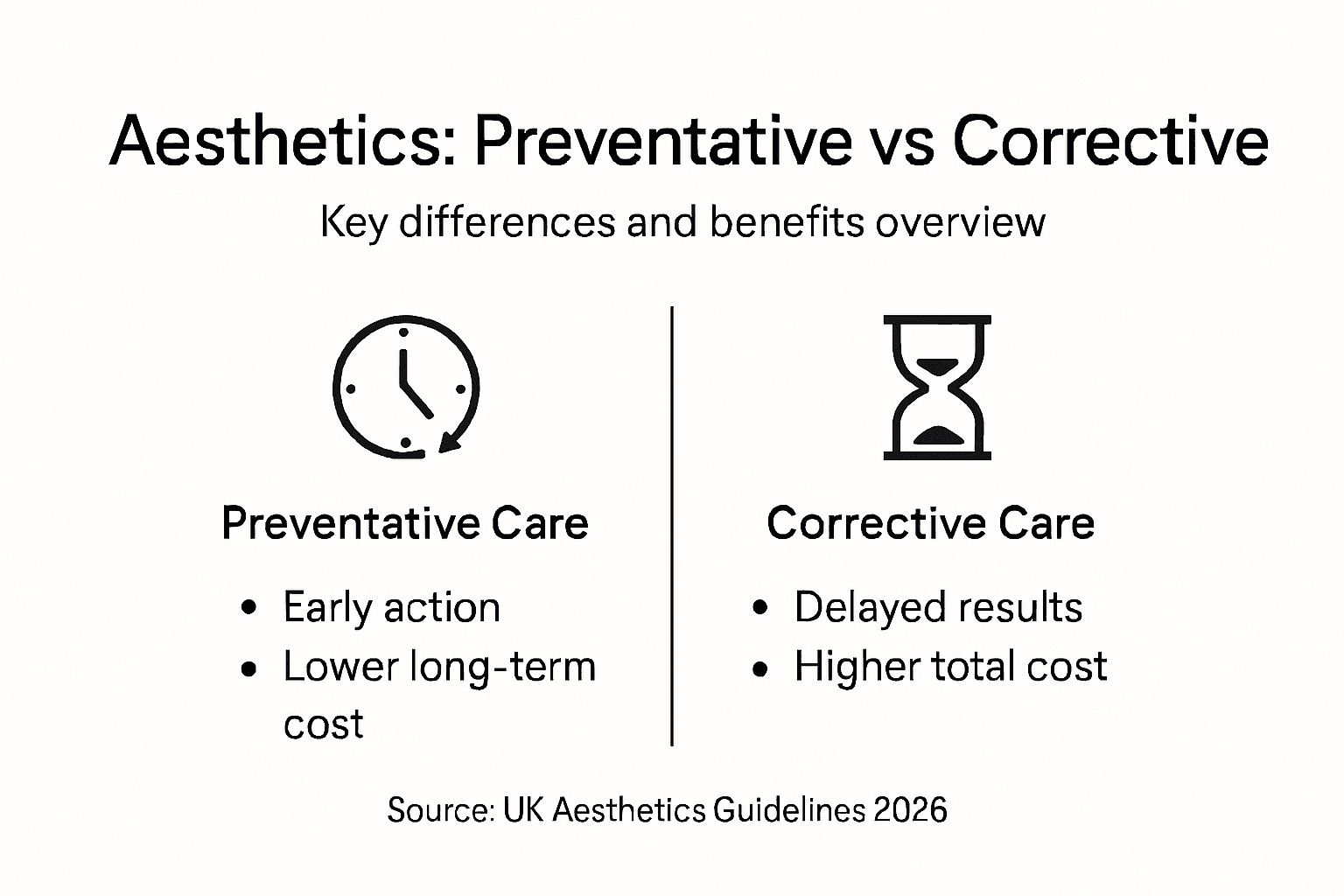
There’s also the compound value argument. Preventative aesthetics is cost-effective compared to corrective surgery because it requires less downtime, fewer risks, and dramatically fewer dramatic interventions. Clinics offering comprehensive preventative plans report substantially higher lifetime client value through ongoing maintenance relationships. This isn’t a cynical observation—it reflects genuine mutual benefit. You maintain your appearance consistently with minimal disruption; the clinic provides sustainable income through loyal, satisfied clients. More importantly, your skin genuinely ages more gracefully. Clients who start preventative treatments in their thirties often find that by their fifties, they look simply like refined versions of themselves rather than dramatically altered or aggressively “done.” That’s priceless in professional and social contexts where subtle confidence matters more than obvious transformation.
To better understand the options, here is a comparison of common preventative vs. corrective aesthetic treatments:
| Treatment Approach | Typical Procedures | Cost Over 20 Years | Effects on Appearance |
|---|---|---|---|
| Preventative (early) | Skin boosters, microdosed Botox, microneedling | £20,000–£35,000 | Maintains natural, gradual change |
| Corrective (late) | Facelift, deep peels, extensive fillers | £30,000–£60,000+ | Dramatic, often noticeable changes |
Pro tip: Calculate your lifetime aesthetic investment by mapping out a preventative strategy from now until age 70, then compare it honestly to what corrective procedures would cost; the numbers almost always favour prevention.
Preserve Your Youth with Expert Preventative Aesthetic Care in London
The journey to maintaining youthful skin starts well before visible signs of ageing appear. If you want to slow collagen decline and prevent dynamic wrinkles with natural, subtle treatments tailored to you, now is the perfect time to act. At The Aesthetics Room, our personalised Skin Treatments and expert Anti Wrinkle therapies employ microdosed Botox, advanced injectables, and skin boosters to help you “bank” your skin’s health and radiance over time. We prioritise your unique aesthetic goals, ensuring treatments enhance rather than alter your natural beauty while adhering to the highest safety standards.

Discover how preventative aesthetics can save you from costly corrective procedures later and allow you to age gracefully on your terms. Visit The Aesthetics Room today for a comprehensive consultation. Embark on a bespoke treatment plan designed to deliver cumulative, natural results with minimal downtime. Don’t wait until the signs of ageing are pronounced – preserve your confidence and youthful glow now.
Frequently Asked Questions
What are the main benefits of preventative aesthetics?
Preventative aesthetics focus on preserving youthful skin by addressing signs of ageing early, preventing deep wrinkles and maintaining skin structure without the need for aggressive treatments later on.
How do preventative treatments differ from corrective ones?
Preventative treatments aim to enhance and maintain your skin’s natural appearance over time through early interventions, whereas corrective treatments address established signs of ageing that have become more pronounced.
At what age should I start considering preventative aesthetics?
It’s generally recommended to begin preventative aesthetics in your late twenties or thirties. This can help you slow down the visible signs of ageing before they become prominent.
What types of treatments are typically involved in a preventative aesthetics plan?
Common treatments include microdosed Botox, skin boosters, polynucleotides, microneedling, and advanced exosome therapy. These promote collagen production and improve skin texture without looking overdone.
Recommended
- Why Medical Practitioners for Aesthetics Matter – The Aesthetics Room
- Aesthetic Treatments for Women: Enhancing Confidence in Knightsbridge – The Aesthetics Room
- Why Pain Management in Aesthetics Matters Most – The Aesthetics Room
- Role of Consultation in Aesthetics: Enhancing Safety and Results – The Aesthetics Room
- What Is Slow Beauty and Its Benefits for Skin
- Hybrid Makeup-Skincare: The Next Revolution in Everyday SPF – Azio Beauty