


Over one million British people chose injectable cosmetic treatments last year, making this a mainstream option for non-surgical enhancement. Choosing the right approach is vital as the field offers everything from swift volume restoration to precise facial contouring. With so many choices available and evolving techniques, understanding how modern fillers work and what sets them apart can help you make decisions that match your unique goals.
Table of Contents
- What Are Fillers? Defining Injectable Treatments
- Types of Fillers and How They Differ
- How Fillers Work to Rejuvenate Skin
- Key Benefits of Choosing Fillers
- Potential Risks and Safety Considerations
- Comparing Fillers With Other Aesthetic Options
Key Takeaways
| Point | Details |
|---|---|
| Understanding Dermal Fillers | Dermal fillers are injectable treatments designed to restore volume and enhance facial contours with minimal invasiveness. They provide temporary aesthetic improvements lasting between six to eighteen months depending on the type used. |
| Types of Fillers | Fillers include hyaluronic acid, calcium hydroxyapatite, and poly-L-lactic acid, each offering unique benefits tailored to various skin types and aesthetic goals. Consultation with a qualified practitioner is essential for proper selection. |
| Benefits and Risks | Fillers offer significant psychological advantages by enhancing self-confidence, but potential risks such as allergic reactions and vascular occlusion must be understood. Comprehensive pre-treatment assessments are crucial for safety. |
| Comparison with Other Treatments | Dermal fillers provide a less invasive alternative to surgical procedures, with minimal downtime and immediate results, making them a popular choice for controlled aesthetic enhancement. |
What Are Fillers? Defining Injectable Treatments
Dermal fillers are sophisticated cosmetic injectables designed to restore volume, smooth fine lines, and enhance facial contours with precision. These injectable treatments offer a minimally invasive solution for individuals seeking subtle yet transformative aesthetic improvements without extensive surgical procedures.
At their core, dermal fillers are gel-like substances carefully injected beneath the skin’s surface to address multiple aesthetic concerns. They work by replenishing lost volume, softening wrinkles, and creating more defined facial features. Typical filler substances restore volume and fullness to facial regions, targeting areas like cheeks, lips, nasolabial folds, and under-eye hollows with remarkable precision.
The injectable treatments come in various formulations, each designed for specific aesthetic goals. Hyaluronic acid-based fillers remain the most popular, offering natural-looking results and temporary enhancement lasting between six to eighteen months. Other variants include calcium hydroxyapatite and poly-L-lactic acid fillers, each providing unique benefits for different skin types and rejuvenation objectives.
Pro Tip for Aesthetic Enhancement: Always consult a qualified aesthetic practitioner who can assess your individual facial structure and recommend the most appropriate filler type tailored precisely to your aesthetic aspirations.
Types of Fillers and How They Differ
Dermal fillers represent a diverse category of cosmetic injectables with unique compositions and characteristics. Fillers are categorically divided into three primary types: hyaluronic acid, collagen, and synthetic formulations, each offering distinct properties and aesthetic benefits.
Hyaluronic acid fillers remain the most prevalent and versatile option. Brands like Juvederm and Restylane utilise this naturally occurring substance to provide immediate volume restoration and hydration. These fillers typically last between six to twelve months, offering subtle yet transformative results with minimal intervention. The body gradually metabolises hyaluronic acid, making them an excellent choice for individuals seeking temporary aesthetic enhancements.
Synthetic fillers, including calcium hydroxyapatite and poly-L-lactic acid, represent more advanced formulations designed for longer-lasting results. Calcium hydroxyapatite fillers stimulate natural collagen production, providing both immediate volume and gradual structural improvements. Poly-L-lactic acid fillers work differently, encouraging the body’s collagen regeneration process over several months, resulting in progressively natural-looking facial rejuvenation.
Collagen-based fillers, while less common today, were among the earliest injectable treatments. Modern collagen fillers are typically derived from bovine or human sources, offering shorter-lasting but precise volumisation. These fillers work exceptionally well for fine lines and subtle facial contouring, though they have been largely superseded by more advanced hyaluronic and synthetic alternatives.
Pro Tip for Personalised Filler Selection: Consult an experienced aesthetic practitioner who can comprehensively assess your facial structure, skin type, and aesthetic goals to recommend the most suitable filler type for your unique requirements.
Below is a summary comparing the main types of dermal fillers, focusing on their key characteristics and typical uses:
| Filler Type | Longevity | Main Benefit | Common Application Areas |
|---|---|---|---|
| Hyaluronic Acid | 6-18 months | Hydration and volume | Lips, cheeks, under eyes |
| Calcium Hydroxyapatite | 12-18 months | Collagen stimulation | Nasolabial folds, mid-face |
| Poly-L-Lactic Acid | Up to 2 years | Gradual rejuvenation | Deeper facial wrinkles |
| Collagen (bovine/human) | 3-6 months | Subtle line improvement | Fine lines, shallow scars |
How Fillers Work to Rejuvenate Skin
Dermal fillers represent a sophisticated approach to skin rejuvenation, working beneath the surface to restore volume and smooth visible signs of ageing. These injectable treatments strategically plump up wrinkled areas, effectively reducing the appearance of fine lines and creating a more youthful complexion.

The primary mechanism of dermal fillers involves precise injection into specific facial regions. By introducing volumising substances directly under the skin’s surface, practitioners can effectively reduce wrinkle visibility and restore a more youthful appearance. Hyaluronic acid fillers, for instance, attract and retain moisture, providing immediate volumisation while simultaneously hydrating the surrounding tissue. This dual-action approach not only fills existing lines but also creates a subtle, natural-looking enhancement.
Different filler types interact with skin tissues in unique ways. Calcium hydroxyapatite fillers stimulate natural collagen production, offering both immediate and long-term rejuvenation benefits. Synthetic fillers like poly-L-lactic acid work more gradually, encouraging the body’s own regenerative processes to rebuild skin structure from within. This sophisticated approach means that the skin continues to improve even after the initial treatment, creating a progressive rejuvenation effect.
The injection process itself is a carefully choreographed treatment. Skilled practitioners map facial contours, identifying precise points for filler placement to ensure natural-looking results. By understanding facial anatomy and using advanced techniques, aesthetic professionals can restore volume, soften lines, and create subtle yet transformative improvements that enhance one’s natural features.
Pro Tip for Skin Rejuvenation: Always prioritise a comprehensive consultation with a qualified aesthetic practitioner who can develop a personalised treatment plan tailored to your unique skin characteristics and aesthetic goals.
Key Benefits of Choosing Fillers
Dermal fillers offer a transformative approach to aesthetic enhancement, providing individuals with a sophisticated solution for addressing multiple skin concerns. These treatments deliver immediate cosmetic improvements with minimal downtime, allowing patients to quickly restore youthful contours and confidence without extensive surgical intervention.
The versatility of dermal fillers extends far beyond simple wrinkle reduction. Facial rejuvenation becomes a nuanced art form, with practitioners able to strategically restore volume, reshape facial contours, and address asymmetries. Hyaluronic acid-based fillers can hydrate skin from within, while calcium hydroxyapatite variants stimulate natural collagen production. This multi-dimensional approach means patients receive both immediate visual enhancements and long-term skin health benefits.
Beyond aesthetic improvements, dermal fillers offer psychological advantages that transcend physical transformation. By subtly restoring facial volume and smoothing age-related changes, these treatments can significantly boost self-confidence and emotional wellbeing. The precision of modern injectable techniques allows for incredibly natural-looking results that maintain individual facial characteristics while gently turning back the clock.
Unlike invasive surgical procedures, dermal fillers provide a flexible and customisable solution. Patients can choose the extent of enhancement, with treatments ranging from subtle refinements to more comprehensive facial remodelling. The temporary nature of most fillers also means individuals can experiment with their appearance without permanent commitment, making them an increasingly popular choice for those seeking controlled aesthetic evolution.
Pro Tip for Treatment Selection: Research and select a highly qualified aesthetic practitioner who specialises in personalised filler treatments and can develop a bespoke approach tailored to your unique facial structure and aesthetic goals.
Potential Risks and Safety Considerations
While dermal fillers offer transformative aesthetic solutions, understanding potential risks is crucial for making informed treatment decisions. Patients should be aware of potential complications such as allergic reactions, skin discolouration, and localised swelling, which can occur even with professionally administered treatments.
Safety protocols are paramount in minimising potential adverse outcomes. The safe administration of dermal fillers requires highly specialised medical knowledge and expertise, emphasising the critical importance of selecting a qualified and experienced aesthetic practitioner. Potential risks include rare but serious complications like vascular occlusion, where filler accidentally enters a blood vessel, potentially causing tissue damage or, in extreme cases, vision impairment.
Individual risk factors play a significant role in treatment safety. Patients with certain medical conditions, compromised immune systems, active skin infections, or specific allergies may face elevated risks. Comprehensive pre-treatment consultations should include detailed medical history assessments, skin evaluations, and thorough discussions about potential contraindications. Transparency about previous cosmetic procedures, current medications, and underlying health conditions enables practitioners to develop personalised, safe treatment strategies.
Mitigating risks involves multiple strategic approaches. Choosing hypoallergenic filler types, performing patch tests, using advanced injection techniques, and adhering to strict sterilisation protocols can significantly reduce potential complications. Patients should also follow comprehensive aftercare instructions, which typically include avoiding extreme temperatures, minimising physical pressure on treated areas, and monitoring for any unusual symptoms in the days following treatment.
Pro Tip for Risk Management: Always prioritise a comprehensive consultation with a certified aesthetic professional who can provide personalised risk assessment and develop a tailored treatment plan that aligns with your unique physiological characteristics.
Comparing Fillers With Other Aesthetic Options
Aesthetic treatments offer diverse approaches to facial rejuvenation, with dermal fillers emerging as a sophisticated alternative to more invasive procedures. Fillers provide a less invasive solution compared to traditional surgical interventions, delivering immediate results with significantly reduced recovery times and minimal procedural risks.
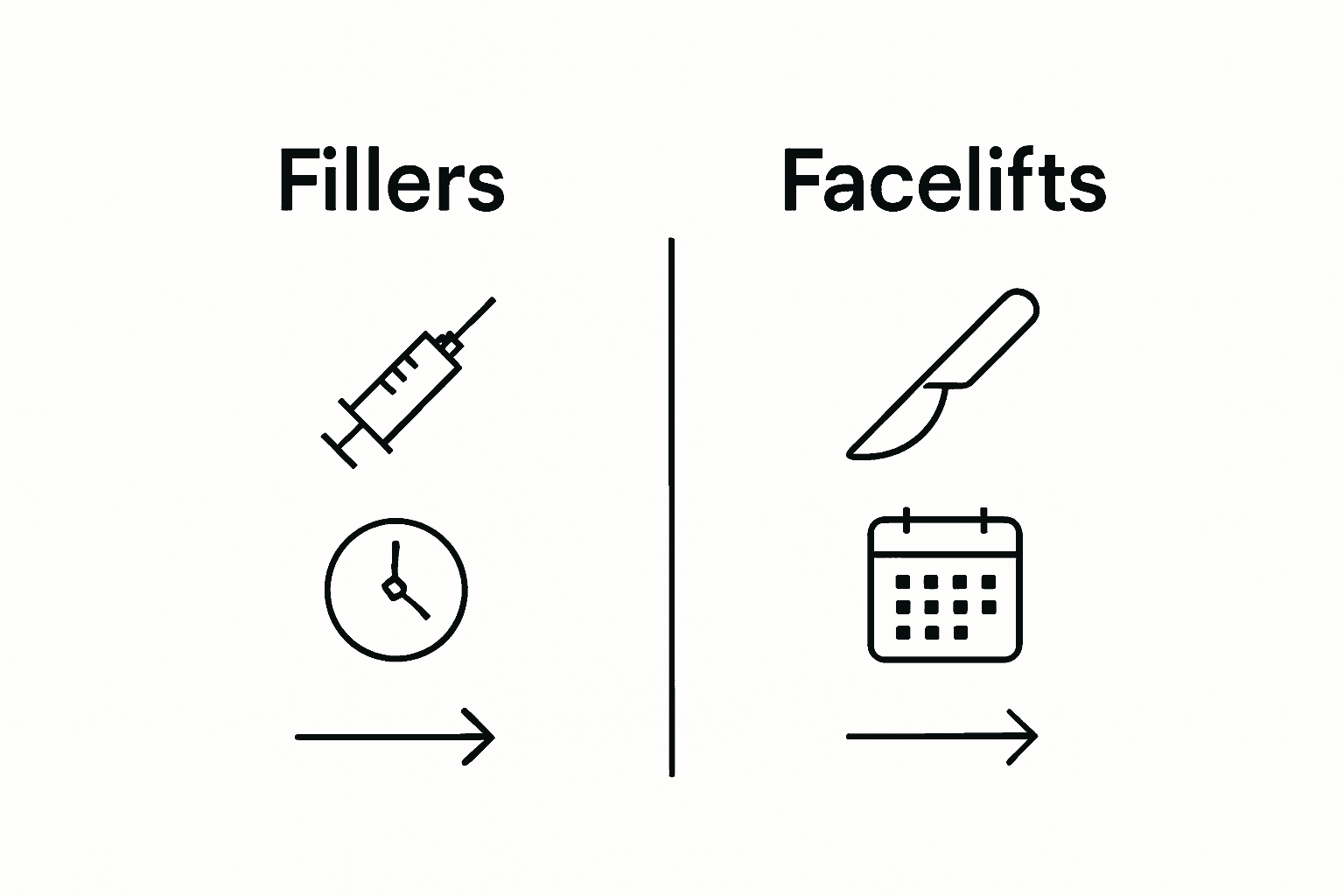
Compared to surgical options like facelifts and implants, dermal fillers present a nuanced approach to aesthetic enhancement. Surgical procedures typically involve extensive recovery periods, potential scarring, and higher risks of complications. In contrast, injectable treatments offer precise, customisable improvements with minimal downtime. Hyaluronic acid fillers can be strategically applied to specific facial regions, allowing practitioners to sculpt and refine facial contours with remarkable subtlety.
Other non-surgical alternatives such as Botox and radiofrequency treatments differ significantly from dermal fillers. While Botox temporarily paralyses muscles to reduce dynamic wrinkles, fillers physically restore volume and smooth static lines. Radiofrequency treatments focus on skin tightening through heat-induced collagen stimulation, whereas fillers directly replace lost volume and provide immediate structural support. This fundamental difference makes fillers particularly effective for addressing age-related volume loss and creating more defined facial features.
The financial and temporal investment also distinguishes fillers from alternative aesthetic treatments. Surgical procedures often require substantial upfront costs, extended recovery periods, and carry higher risks of complications. Dermal fillers offer a more flexible approach, with treatments that can be adjusted, refined, or discontinued based on individual aesthetic goals. The temporary nature of most fillers allows patients to experiment with their appearance without permanent commitment, making them an increasingly popular choice for those seeking controlled, progressive aesthetic enhancement.
To better understand the differences between dermal fillers and other common aesthetic treatments, review the table below:
| Treatment Type | Main Action | Recovery Time | Best For |
|---|---|---|---|
| Dermal Fillers | Restore lost volume | Minimal, hours | Volume loss, contour enhancement |
| Botox | Muscle relaxation, reduces wrinkles | Minimal, hours | Dynamic expression lines |
| Radiofrequency | Tightens via collagen stimulation | Minimal, few days | Mild skin laxity, fine lines |
| Surgical Facelift | Removes & tightens excess skin | Weeks | Significant sagging, advanced ageing |
Pro Tip for Treatment Comparison: Always consult a qualified aesthetic professional who can comprehensively evaluate your unique facial structure and recommend the most appropriate treatment strategy tailored to your specific aesthetic objectives.
Enhance Your Natural Beauty with Expert Dermal Fillers at The Aesthetics Room
Facial enhancement can be a delicate journey, especially when aiming to restore youthful volume and smooth fine lines without compromising your natural features. If you are seeking a personalised, safe, and effective solution to rejuvenate your skin, dermal fillers offer a minimally invasive way to achieve subtle yet transformative results. At The Aesthetics Room, we understand the importance of using advanced injectable treatments tailored specifically to your facial structure and aesthetic goals to boost confidence and enhance your appearance.

Discover the expertise and luxury of our premium medical aesthetics clinic located in London’s prestigious Knightsbridge, Harley Street, and Mayfair areas. Explore our comprehensive range of Dermal Fillers and Advanced Injectables designed to address volume loss, facial contouring, and skin rejuvenation. Don’t wait to experience personalised care, stringent safety standards, and immediate results that allow you to embrace a refreshed look with minimal downtime. Visit The Aesthetics Room now to book your consultation and start your journey toward a naturally enhanced, youthful complexion.
Frequently Asked Questions
What are dermal fillers and how do they work?
Dermal fillers are injectable cosmetic treatments designed to restore volume, smooth fine lines, and enhance facial contours. They work by injecting gel-like substances, such as hyaluronic acid, beneath the skin to rejuvenate and improve facial aesthetics.
How long do the effects of dermal fillers last?
The longevity of dermal fillers varies by type. Hyaluronic acid fillers typically last between six to eighteen months, while calcium hydroxyapatite can last up to eighteen months, and poly-L-lactic acid may provide effects for up to two years.
Are there any risks associated with dermal fillers?
Yes, while dermal fillers are generally safe, potential risks include allergic reactions, swelling, and rare complications such as vascular occlusion. It is important to consult a qualified practitioner who can assess individual health factors before treatment.
How do dermal fillers compare to other aesthetic treatments like Botox?
Dermal fillers restore lost volume and provide structural support, while Botox works by temporarily relaxing muscles to reduce dynamic wrinkles. Fillers are particularly effective for addressing age-related volume loss, while Botox is best for treating expression lines.